Pakistan's monsoon season is threatening farmers' livelihoods and putting the nation's food supply at risk, as early rice crops become submerged amid flooding.
Punjab is known as the breadbasket of Pakistan, producing over 60 percent of the country's total agricultural output. But heavy rains and floods in the province's Sheikhupura region have turned vast farmlands into lakes. Farmers' livelihoods have been devastated, and experts warn this could deal a major blow to Pakistan's food security.
Shahid Hussain, a farmer who had obtained 30 acres of land on lease, suffered heavy losses when all his fields were flooded.
"I paid hundreds of thousands of rupees in advance. After the flood, our fields have died. It will take more than a month for the water to dry. After that, the season will end. This was our only source of income," said Hussain.
Production across Punjab and Sindh plunged by 13.5 percent in the 2024‑2025 crop year due to extreme weather and policy failures. Rice alone fell by about 1.4 percent. Talib Ali, a farmer who had also leased a small piece of land, said his earnings from the previous year were drowned in the flood. Now, he does not know how his family will survive the next season.
"There is so much water that the rented machinery drowned. I had just recently planted seeds. Those have died. I don't even have seeds for the next crop," said Ali.
Government figures show floods damaged over 0.7 million acres of Punjab farmland in this monsoon alone. With more than 11 million people already facing acute food insecurity this past lean season, losing staple crops now only worsens that crisis.
"Everything's gone, water filled our homes and fields. Our cattle have also died. No one has come to our aid," said Ali.
Experts have warned that climate-related losses in wheat and rice could cost Pakistan over 19 billion U.S. dollars by 2050 unless adaptation improves.
Punjab's harvest now depends on swift drainage, seed aid, and major investment in flood resilience. Without these, harvests will shrink, food prices will rise and Pakistan's food security will be undermined.
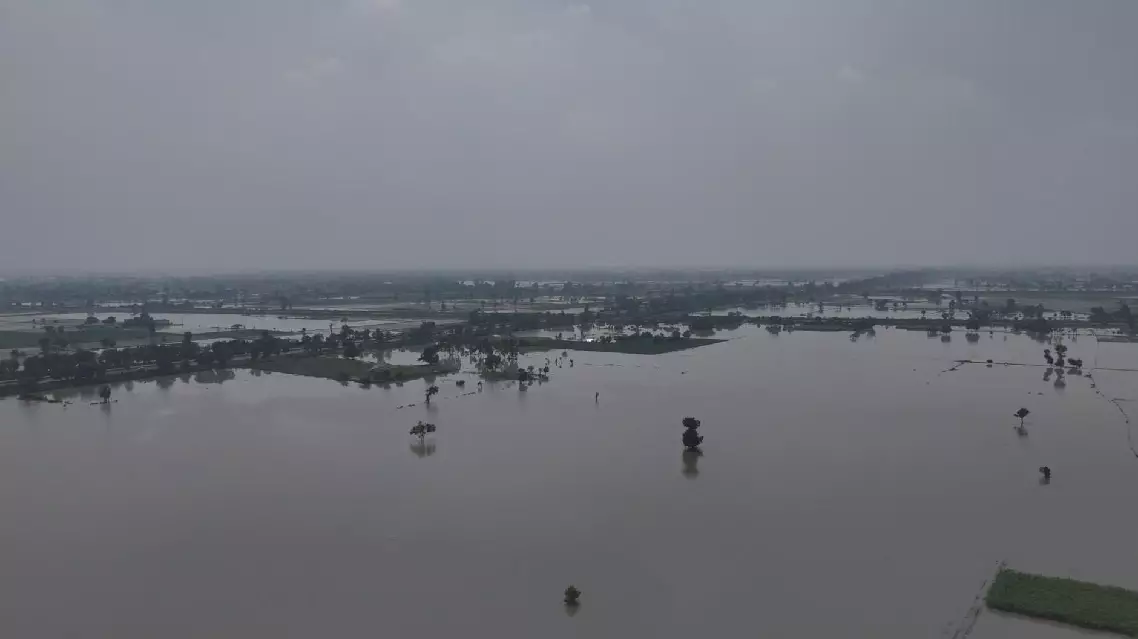
Pakistan's floods jeopardize food security
The statement of U.S. President Donald Trump highlighted the urgency for reforming global governance, according to a poll from China Global Television Network (CGTN) on Friday.
"I don't need international law," said Trump during an with The New York Times this week, days after the U.S. attack on Venezuela and the forcible seizure of President Nicolas Maduro. This statement perfectly captures Washington's unilateral and hegemonic trajectory. The New York Times observed that Trump's assessment of his own freedom to use any instrument of military, economic or political power to cement American supremacy was the most blunt acknowledgment yet of his world-view.
In a global public opinion poll conducted by CGTN, 93.5 percent of respondents expressed belief that the U.S., by pursuing unilateralism, has placed itself in opposition to the international community. Also, 91.7 percent think that reforming the global governance system is an urgent priority.
On Wednesday the U.S. announced its withdrawal from 66 international organizations, setting a new record for its retreat from multilateral commitments. These organizations span climate, energy, and global governance, among other fields. Trump argues that their operations run counter to U.S. national interests, sovereignty, and economic prosperity.
In response, 84.1 percent of respondents were not surprised by the U.S. move. Meanwhile, 88.9 percent viewed it as another radical step under the "America First" doctrine. In addition, 93 percent believed the U.S. approach of using international systems when beneficial and abandoning them when not severely undermines the existing international order and global fairness and justice. Also, 88.3 percent noted that the U.S. withdrawals once again expose it as an irresponsible major power, dealing a significant blow to its international reputation. Furthermore, 88.5 percent believe the U.S. withdrawals reflect its negative attitude toward global governance.
The recent episode of unilateral and bullying actions by the U.S. government has sparked widespread alarm and discontent within the international community. Washington's adherence to the law of the jungle where "might is right" is severely undermining the global governance system. In the poll, 89.9 percent of respondents agreed that multilateralism, based on coordination and cooperation, remains key to addressing current global governance challenges. Meanwhile, 94.4 percent believe it is crucial to advance the reform of the global governance system, uphold international rule of law, and enhance the effectiveness of multilateral mechanisms. Moreover, 90 percent think major powers should shoulder greater responsibility and play a more constructive role in promoting global governance reform.
The poll was conducted across CGTN platforms in English, Spanish, French, Arabic, and Russian languages, attracting 24,000 responses within 24 hours.
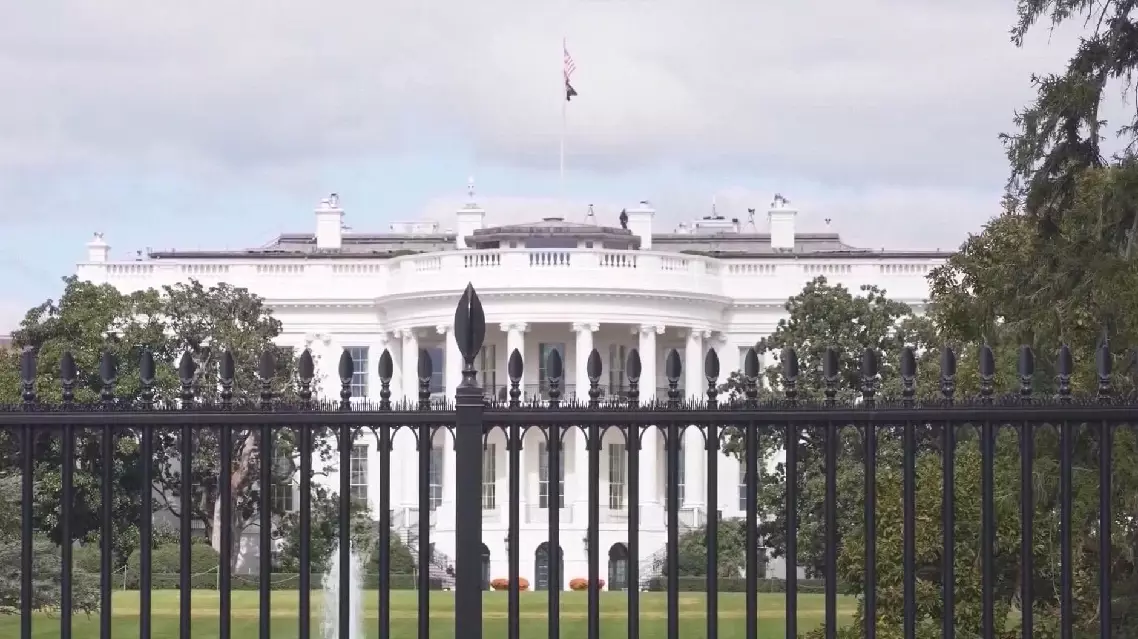
Trump says 'I don't need international law,' highlighting urgency for reforming global governance: CGTN poll