Renowned computer scientist and Turing Award recipient Robert Tarjan has stressed the importance of interdisciplinary communication in advancing scientific research, and believes the just-concluded International Congress of Basic Science (ICBS) in Beijing has served as a crucial platform for fostering such collaboration.
The nearly two-week-long 2025 ICBS concluded on Friday after gathering hundreds of global experts, students and scholars in the fields of mathematics, physics, information science and engineering.
Held at the China National Convention Center, the event was attended by Four Fields Medalists, three Nobel Laureates, and two Turing Award winners.
It also saw six preeminent scientists honored with the Basic Science Lifetime Award - the highest distinction in fundamental research - in recognition of their enduring contributions to the scientific community.
In an exclusive interview released by China Media Group (CMG) on Friday, Tarjan shared his pride at being one of those to receive the honor.
"It's s an award for lifetime achievement, which is kind of different from an award for a specific accomplishment. So it gave me a chance to reflect on the long career I've had, and also to go back and think about the people who mentored me and supported me over the years, and to think about my parents who passed away, not recently, so it was emotional experience. The set of awardees is so amazing. It's just kind of a humbling experience to be in this group. You have Nobel Prize winners and Fields Medalists. It's the creme de la creme. It's quite amazing," he said.
Tarjan also emphasized the need for closer cooperation among peers in different scientific disciplines, which will help advance research and deliver more key breakthroughs.
"I think it's more about specific ideas, it's more about sharing the approach to research and trying to build a community. I think that's what this meeting is all about, not only within each field, but between fields. There is an opportunity for rich interactions between mathematicians and physicists and computer scientists. I think the possibilities are amazing. Scientific research is getting more and more interdisciplinary, and this meeting is a representative of that fact," he said.
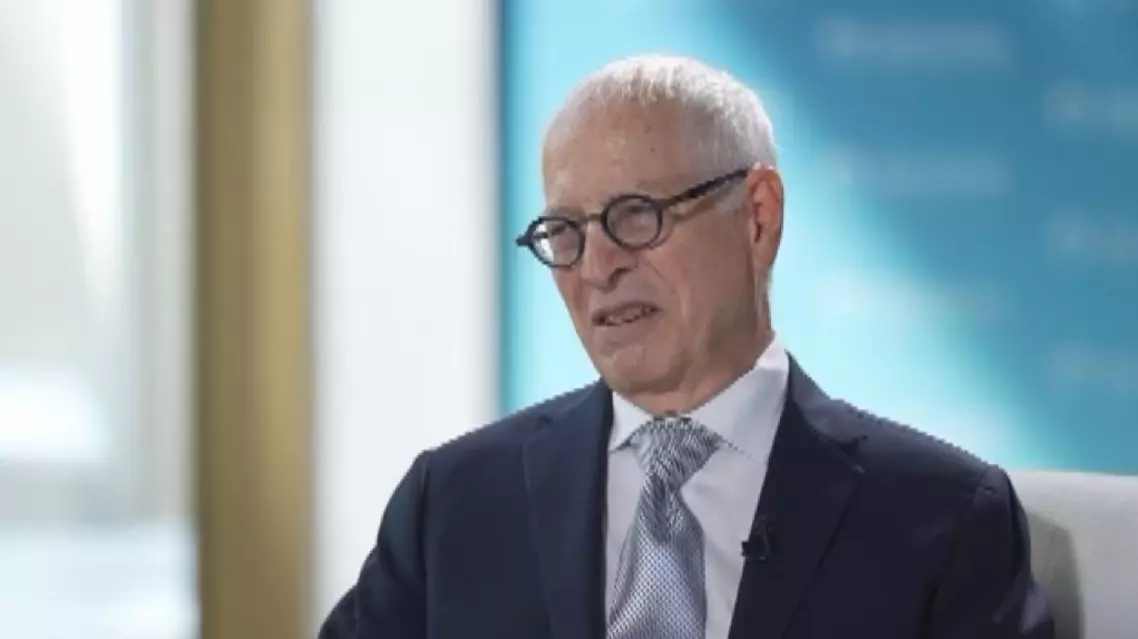
Turing laureate calls for more interdisciplinary collaboration to advance scientific research
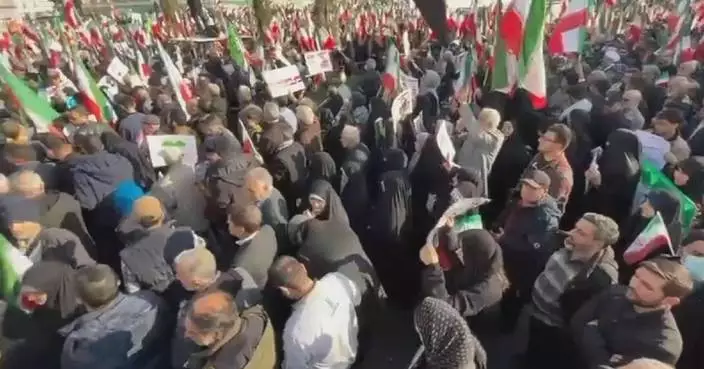
Some Iranians in Türkiye are crossing back over the border, driven by worry and desperation, as a nationwide communications blackout in Iran has left them cut off from their loved ones.
Protests have erupted in many Iranian cities since Dec. 28. They initially began with Tehran bazaar merchants demonstrating against the sharp devaluation of the national currency rial, and soaring inflation, before spreading to other cities. The unrest has led to casualties among both security forces and civilians.
At the Turkish-Iranian border, many are returning with no certainty about what awaits them, filled instead with questions and growing fear for those on the other side of the border.
"I went to Van yesterday for internet. I urgently needed to use the internet. I got it done. Now I'm heading straight back. There are protests everywhere. We can't get any news. We can't communicate with our families. And it's not just me, there are many Iranians outside the country who can't reach their families," said Feriste, an Iranian citizen.
With communications blacked out across Iran, those outside the country feel powerless to check on the situation back home. For some, this silence has prompted them to return across the border, even as tensions continue to rise.
"We can't get any news. There is no internet. Everything is shut down. I want to search. I want to find out. I want to see my brother. I'm going to see my family," said Husnu, an Iranian citizen.
"I work in Türkiye, and I have no news from Iran at all. I'm going back because I'm worried about my family. It's been days since I last heard from them, and because I'm worried, I'm returning to Iran now. Of course, we are concerned about our safety. We don't know what awaits us there," said another Iranian.
With protests escalating and government blackouts still in place, many Iranians are caught between staying in safety abroad and risking everything to reconnect with their families.
"We had to come to Türkiye because we couldn't reach our families. Schools were closed already. All official institutions were shut down. We have no information about other cities either, because there is no communication network there. There is no television, no internet. We can't even check Twitter," said Nazlican, another Iranian citizen.
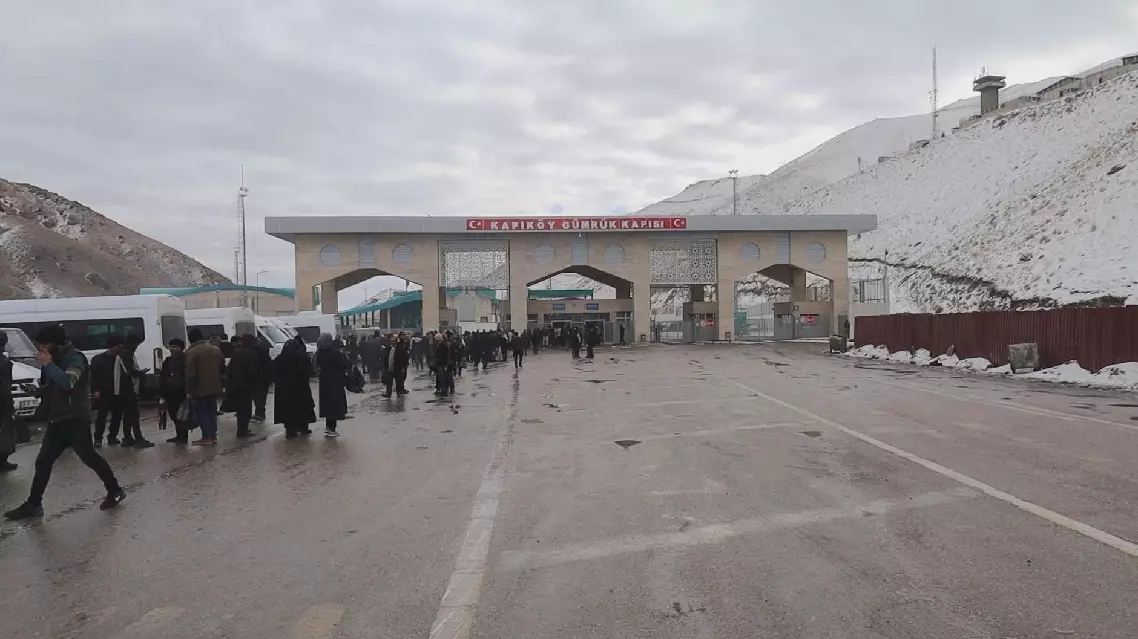
Iranians in Türkiye return home, fearing for their families amid unrest in Iran
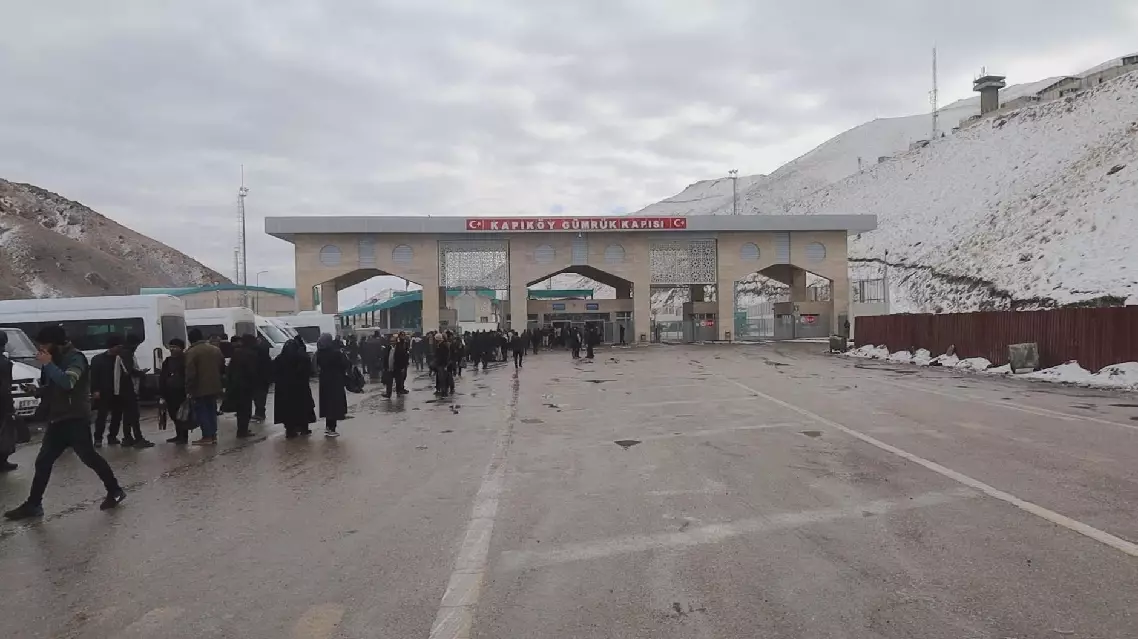
Iranians in Türkiye return home, fearing for their families amid unrest in Iran