A new CGTN documentary program has revisited the Suiyuan Campaign in 1936 to highlight its role as a prelude to the Chinese People's War of Resistance Against Japanese Aggression, demonstrating that invaders could be defeated.
To mark the 80th anniversary of the victory in the Chinese People's War of Resistance Against Japanese Aggression and the World Anti-Fascist War, CGTN this week launched a 25-part series titled "Resolve and Resilience: The Main Eastern Battlefield of World War II," featuring pivotal battles and heroic stories from China's resistance against the Japanese aggression. It was where one of the rare victories by Chinese forces took place against Japanese invaders before the nationwide War of Resistance against Japanese Aggression broke out.
After the September 18 Incident in 1931, Japan pushed deeper into China. In 1936, Japan backed De Wang, a Mongol prince and collaborator, to establish a puppet regime in China's former Suiyuan Province in northern China.
At this critical juncture, General Fu Zuoyi and the 35th Army rushed to defend Suiyuan. His mission was to hold China's vulnerable northern gate.
Japan's first move targeted Honggertu, a key town in eastern Suiyuan. On Nov. 14, 1936, over 5,000 Japanese and puppet troops launched an assault.
Just 300 Chinese defenders held firm, fighting fiercely despite being outnumbered. Four days later, Fu counterattacked. In one night of intense battle, Honggertu was saved.
Next, Fu turned toward Bailingmiao, a small frontier town in today's Darhan Muminggan Joint Banner, Inner Mongolia. It was not only a military hub but also the political center of De Wang's puppet regime. It was a fortress heavily guarded.
"General Fu was a patriot. When Bailingmiao rebelled earlier that year, he supported the resistance -- his stance was clear," said Wang Jun, deputy director, Publicity Department, Darhan Muminggan Joint Banner.
On Nov. 23, 1936, Fu sent elite cavalry and infantry under commanders Sun Changsheng and Sun Lanfeng for a daring night raid.
"The troops assembled at midnight and launched the surprise attack at dawn. When they reached Bailingmiao, most of the defending troops were resting," said Qu Liyuan, former Party Secretary, Bureau of Culture, Sports, Radio and Television, Darhan Muminggan Joint Banner. Fighting raged till daybreak. Sun Lanfeng adapted tactics on the fly by seizing the high ground and cutting off escape routes.
Nearly 1,000 enemies were killed, 400 captured, and large stores of supplies seized. A week later, Japanese forces tried to retake the town but failed. They retreated to the Xilamulun temple, where defecting puppet troops crushed them.
Thus, the Suiyuan Campaign ended in three consecutive victories.
"This comprehensive victory restored the people's confidence and crushed Japan's scheme to fully annex Suiyuan," Qu said.
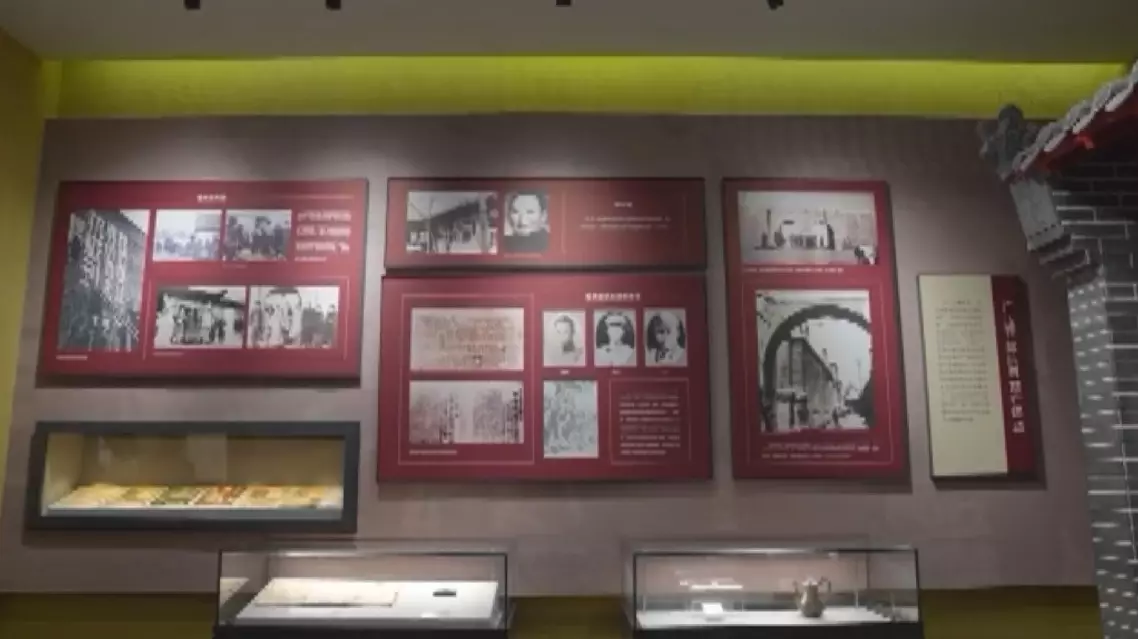
Suiyuan Campaign remembered to mark 80th anniversary of victory against Japanese aggression
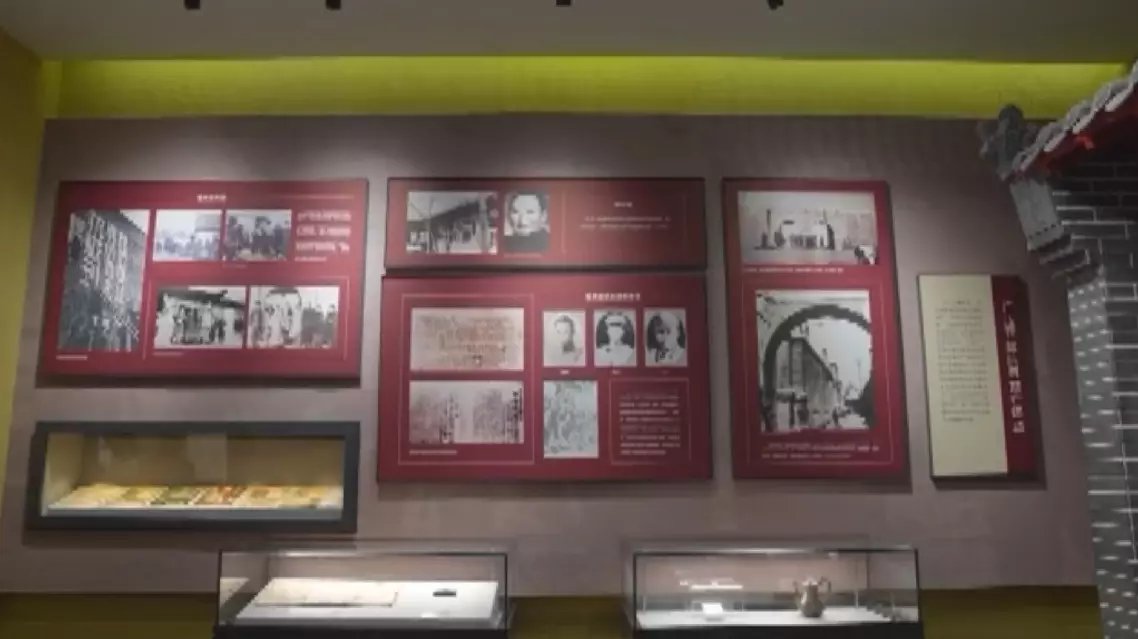
Suiyuan Campaign remembered to mark 80th anniversary of victory against Japanese aggression