Skip to Content Facebook Feature Image

Israeli fire again kills Gaza aid-seekers as US envoy meets with hostages' families

News

Israeli fire again kills Gaza aid-seekers as US envoy meets with hostages' families
News

News

Israeli fire again kills Gaza aid-seekers as US envoy meets with hostages' families

2025-08-03 04:58 Last Updated At:05:00

DEIR AL-BALAH, Gaza Strip (AP) — Israeli forces opened fire near two aid distribution sites run by the Israeli-backed Gaza Humanitarian Foundation as crowds of hungry Palestinians again sought food, killing at least 10 people, witnesses and health workers said Saturday. The violence came a day after U.S. officials visited a GHF site and the U.S. ambassador called the troubled system “an incredible feat.”

Another 19 people were shot dead as they crowded near the Zikim crossing from Israel in the hope of obtaining aid, said Fares Awad, head of the Gaza health ministry’s ambulance and emergency service.

More Images
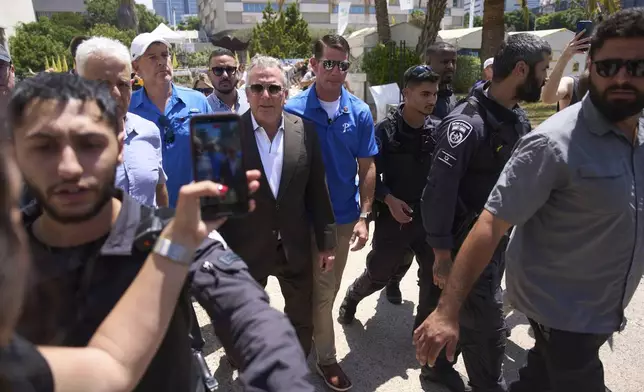
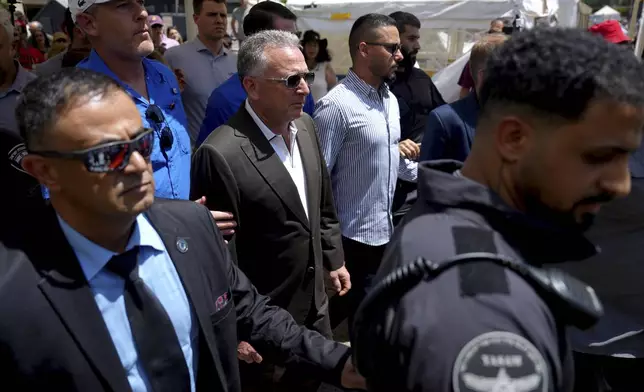
White House special envoy Steve Witkoff arrives to meet families of hostages held captive in the Gaza Strip, at the plaza known as the hostages square in Tel Aviv, Israel, Saturday, Aug. 2, 2025. ( AP Photo/Ariel Schalit)
White House special envoy Steve Witkoff arrives to meet families of hostages held captive in the Gaza Strip, at the plaza known as the hostages square in Tel Aviv, Israel, Saturday, Aug. 2, 2025. ( AP Photo/Ariel Schalit)

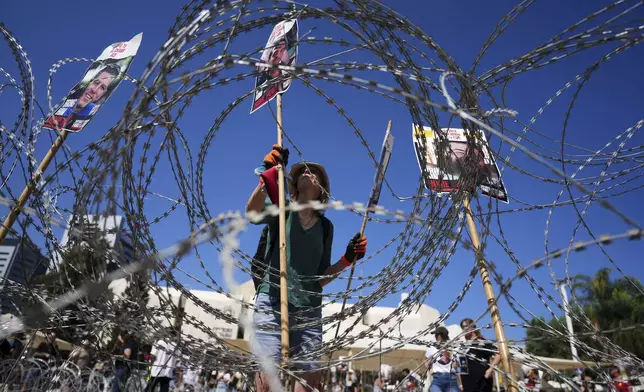
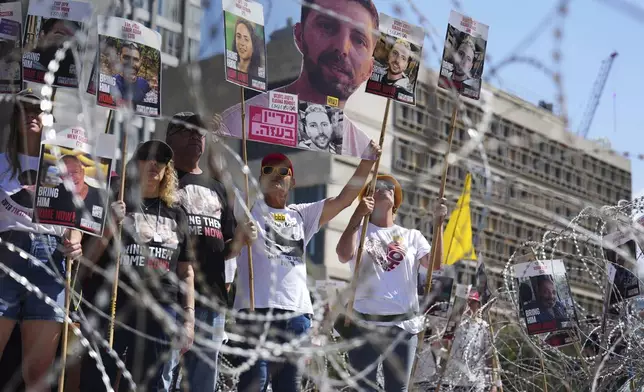
Families of hostages protest, demanding the release from Hamas captivity in the Gaza Strip, at the plaza known as the hostages square in Tel Aviv, Israel, Saturday, Aug. 2, 2025. (AP Photo/Ariel Schalit)
Families of hostages protest, demanding the release from Hamas captivity in the Gaza Strip, at the plaza known as the hostages square in Tel Aviv, Israel, Saturday, Aug. 2, 2025. (AP Photo/Ariel Schalit)

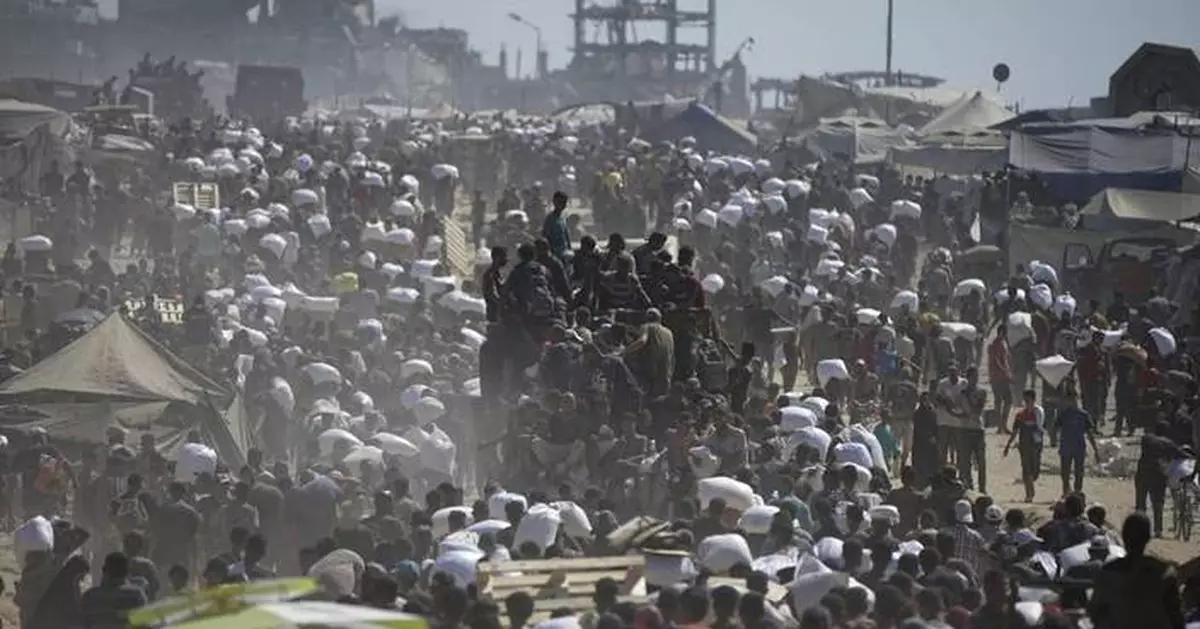
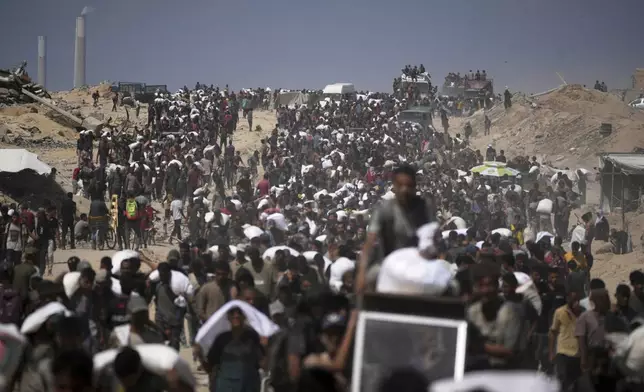
Palestinians carry sacks of flour taken from a humanitarian aid convoy en route to Gaza City, in the outskirts of Beit Lahiya, northern Gaza Strip, Friday, Aug. 1, 2025. (AP Photo/Jehad Alshrafi)
Palestinians carry sacks of flour taken from a humanitarian aid convoy en route to Gaza City, in the outskirts of Beit Lahiya, northern Gaza Strip, Friday, Aug. 1, 2025. (AP Photo/Jehad Alshrafi)

Families of hostages protest, demanding the release from Hamas captivity in the Gaza Strip, at the plaza known as the hostages square in Tel Aviv, Israel, Saturday, Aug. 2, 2025. (AP Photo/Ariel Schalit)
Families of hostages protest, demanding the release from Hamas captivity in the Gaza Strip, at the plaza known as the hostages square in Tel Aviv, Israel, Saturday, Aug. 2, 2025. (AP Photo/Ariel Schalit)

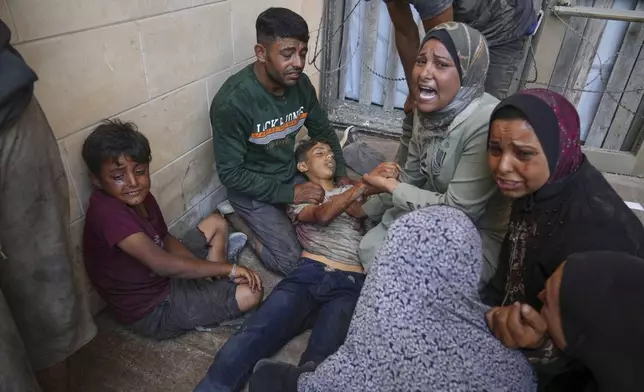
People mourn over the body of a young Palestinian killed while trying to reach trucks carrying humanitarian aid en route to Gaza City, outside the Hamad Al-Qatari Hospital in Beit Lahiya, northern Gaza Strip, Friday, Aug. 1, 2025. (AP Photo/Jehad Alshrafi)

People mourn over the body of a young Palestinian killed while trying to reach trucks carrying humanitarian aid en route to Gaza City, outside the Hamad Al-Qatari Hospital in Beit Lahiya, northern Gaza Strip, Friday, Aug. 1, 2025. (AP Photo/Jehad Alshrafi)

Samah Matar poses for a photo with her sons Yousef, 6, in her arms, and Amir, 4, who suffer from malnutrition and cerebral palsy, at a U.N.-run school in Gaza City, Saturday, July 26, 2025. In Gaza, malnutrition is often worsened by preexisting conditions and compounded by illnesses linked to inadequate health care and poor sanitation, largely the result of the ongoing war. (AP Photo/Jehad Alshrafi)
Samah Matar poses for a photo with her sons Yousef, 6, in her arms, and Amir, 4, who suffer from malnutrition and cerebral palsy, at a U.N.-run school in Gaza City, Saturday, July 26, 2025. In Gaza, malnutrition is often worsened by preexisting conditions and compounded by illnesses linked to inadequate health care and poor sanitation, largely the result of the ongoing war. (AP Photo/Jehad Alshrafi)

White House special envoy Steve Witkoff, centre, arrives to meet families of hostages at the plaza known as the hostages square in Tel Aviv, Israel, Saturday, Aug. 2, 2025. ( AP Photo/Ariel Schalit)
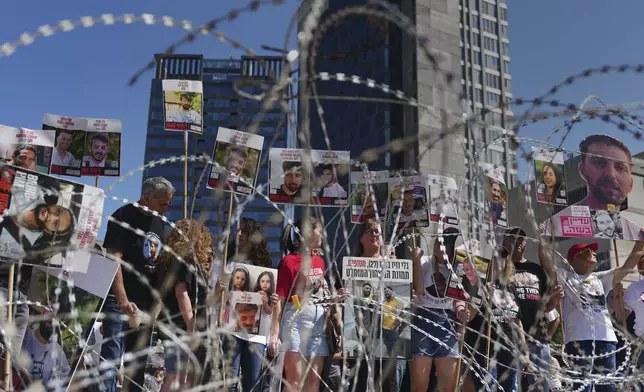
White House special envoy Steve Witkoff, centre, arrives to meet families of hostages at the plaza known as the hostages square in Tel Aviv, Israel, Saturday, Aug. 2, 2025. ( AP Photo/Ariel Schalit)

Families of hostages protest, demanding the release from Hamas captivity in the Gaza Strip, at the plaza known as the hostages square in Tel Aviv, Israel, Saturday, Aug. 2, 2025. (AP Photo/Ariel Schalit)
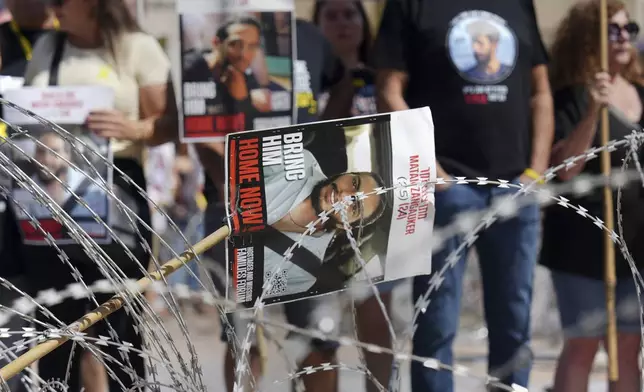
Families of hostages protest, demanding the release from Hamas captivity in the Gaza Strip, at the plaza known as the hostages square in Tel Aviv, Israel, Saturday, Aug. 2, 2025. (AP Photo/Ariel Schalit)
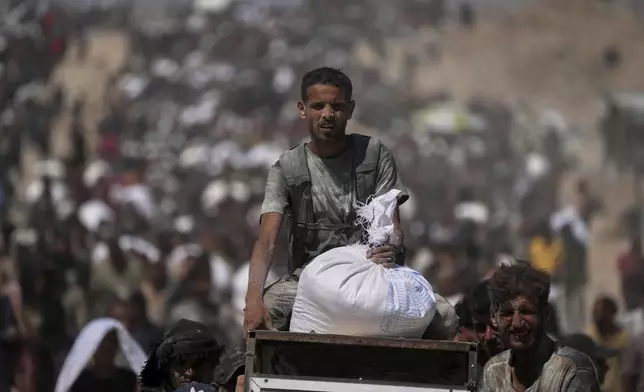
Families of hostages protest, demanding the release from Hamas captivity in the Gaza Strip, at the plaza known as the hostages square in Tel Aviv, Israel, Saturday, Aug. 2, 2025. (AP Photo/Ariel Schalit)

Families of hostages protest, demanding the release from Hamas captivity in the Gaza Strip, at the plaza known as the hostages square in Tel Aviv, Israel, Saturday, Aug. 2, 2025. (AP Photo/Ariel Schalit)

Palestinians carry sacks of flour taken from a humanitarian aid convoy en route to Gaza City, in the outskirts of Beit Lahiya, northern Gaza Strip, Friday, Aug. 1, 2025. (AP Photo/Jehad Alshrafi)
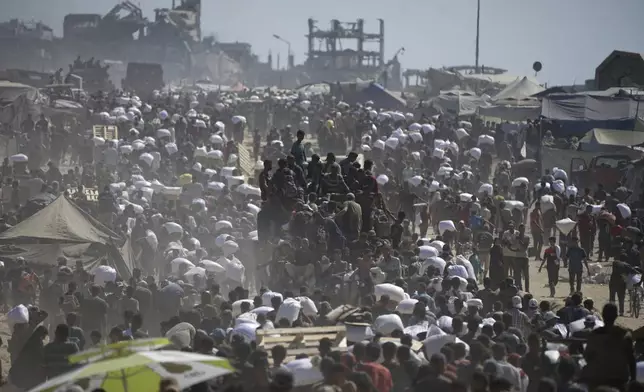
Palestinians carry sacks of flour taken from a humanitarian aid convoy en route to Gaza City, in the outskirts of Beit Lahiya, northern Gaza Strip, Friday, Aug. 1, 2025. (AP Photo/Jehad Alshrafi)

Palestinians carry sacks of flour taken from a humanitarian aid convoy en route to Gaza City, in the outskirts of Beit Lahiya, northern Gaza Strip, Friday, Aug. 1, 2025. (AP Photo/Jehad Alshrafi)

Palestinians carry sacks of flour taken from a humanitarian aid convoy en route to Gaza City, in the outskirts of Beit Lahiya, northern Gaza Strip, Friday, Aug. 1, 2025. (AP Photo/Jehad Alshrafi)

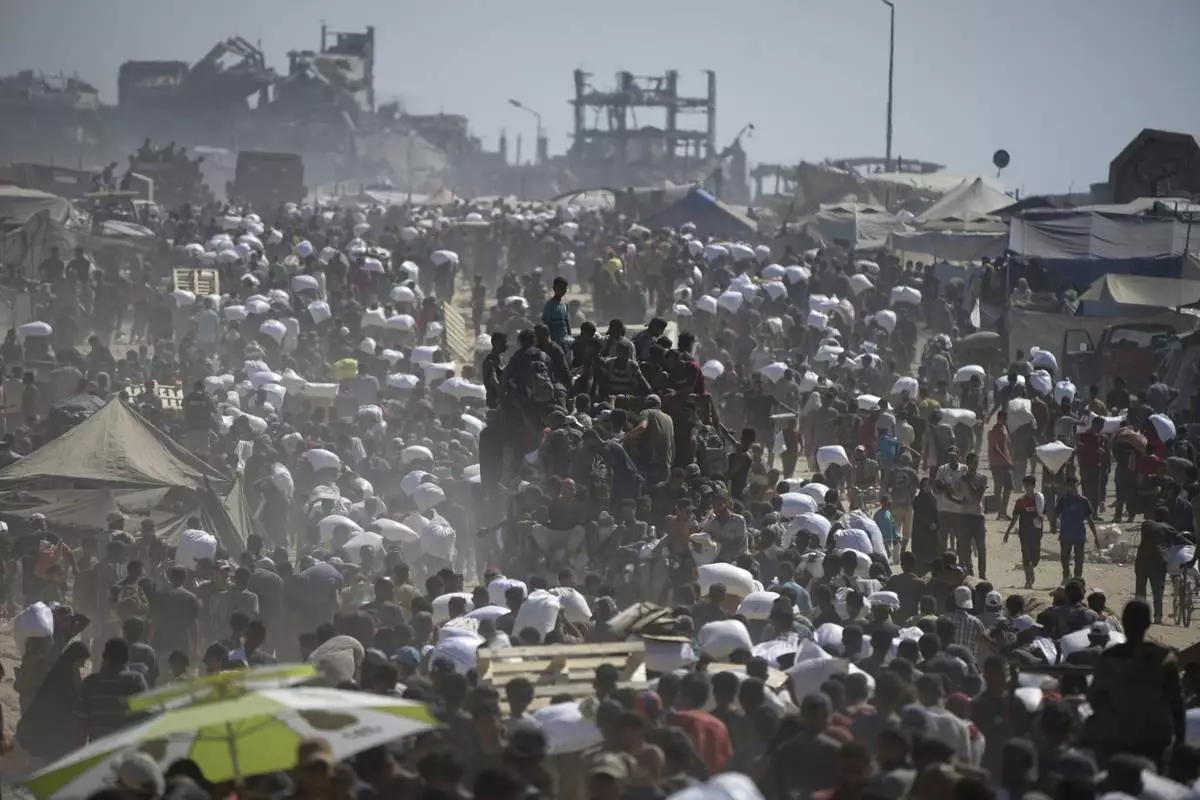
Nearly a week has passed since Israel, under international pressure amid growing scenes of starving children, announced limited humanitarian pauses and airdrops meant to get more food to Gaza's over 2 million people. They now largely rely on aid after almost 22 months of war.

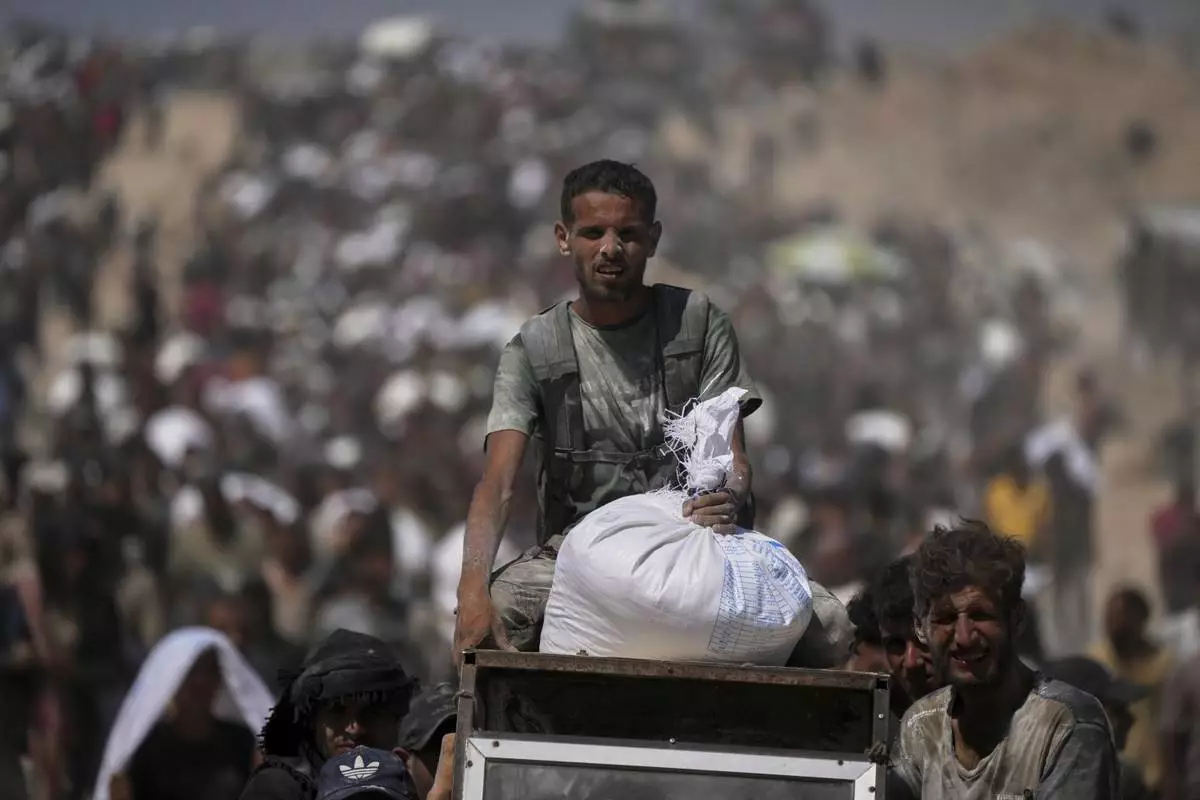
But the United Nations, partners and Palestinians say far too little aid is coming in, with months of supplies piled up outside Gaza waiting for Israeli approval. Trucks that enter are mostly stripped of supplies by desperate people and criminal groups before reaching warehouses for distribution.

Experts this week said a “worst-case scenario of famine” was occurring. On Saturday, Gaza’s health ministry said seven Palestinians had died of malnutrition-related causes over the past 24 hours, including a child.

Aid is “far from sufficient,” Germany's government said via spokesman Stefan Kornelius. The U.N. has said 500 to 600 trucks of aid are needed daily.

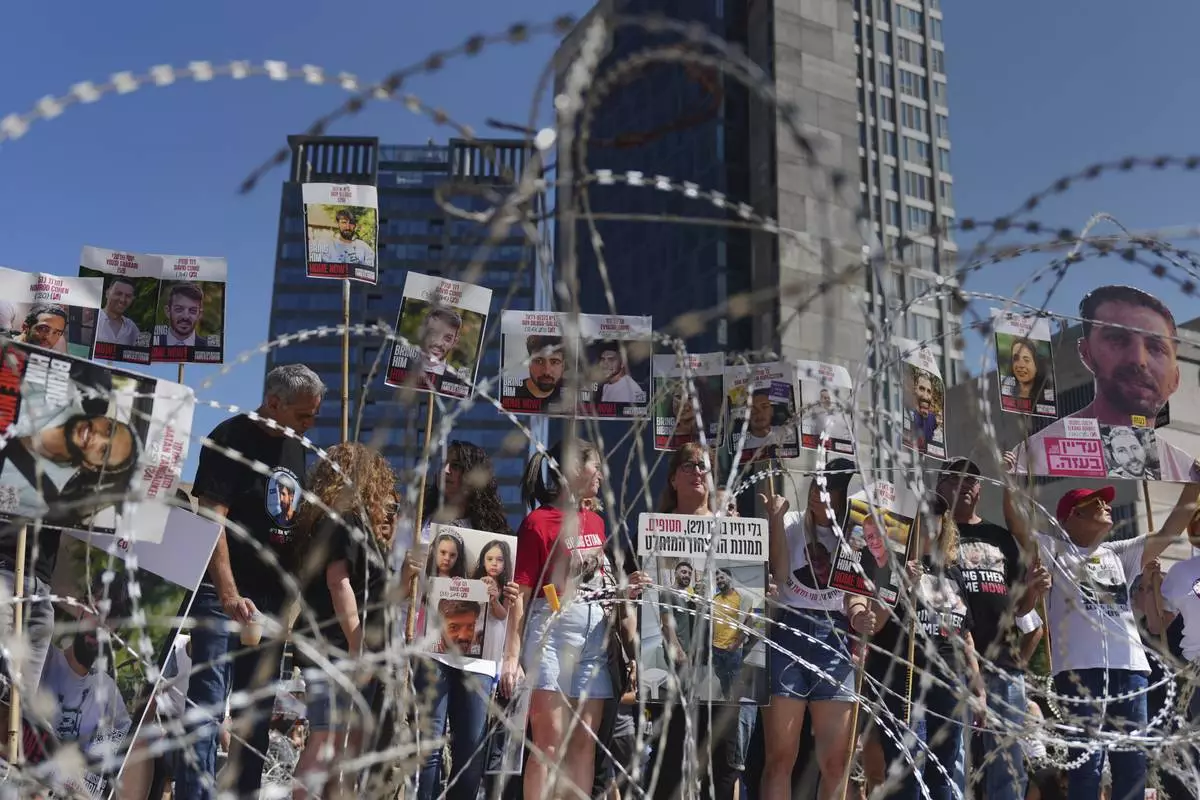
Families of the 50 hostages still in Gaza fear they are going hungry too, and blame Hamas, after the militants released images of an emaciated hostage, Evyatar David.

“The humanitarian aid flowing into Gaza, meant to alleviate suffering, must reach Evyatar, Guy and all the other hostages too,” David's brother Illay told a large rally in Tel Aviv.

Near the northernmost GHF distribution site near the Netzarim corridor, Yahia Youssef, who had come to seek aid, described a grimly familiar scene. After helping carry three people wounded by gunshots, he said he saw others on the ground, bleeding.

“It’s the same daily episode,” Youssef said. Health workers said at least eight people were killed. Israel's military said it fired warning shots at a gathering approaching its forces.

At least two people were killed in the Shakoush area hundreds of meters (yards) from where the GHF operates in the southernmost city of Rafah, witnesses said. Nasser Hospital in Khan Younis received two bodies and many injured.

Witness Mohamed Abu Taha said Israeli troops opened fire toward the crowds. He saw three people — two men and a woman — shot as he fled.

Israel’s military said it was not aware of any fire by its forces in the area. The GHF said nothing happened near its sites.

GHF says its armed contractors have only used pepper spray or fired warning shots to prevent deadly crowding. Israel ’s military on Friday said it was working to make the routes under its control safer.

The GHF — backed by millions of dollars in U.S. support — launched in May as Israel sought an alternative to the U.N.-run system, which had safely delivered aid for much of the war but was accused by Israel of allowing Hamas to siphon off supplies. Israel has not offered evidence for that claim and the U.N. has denied it.

From May 27 to July 31, 859 people were killed near GHF sites, according to a U.N. report Thursday. Hundreds more have been killed along the routes of U.N.-led food convoys. Hamas-led police once guarded those convoys, but Israeli fire targeted the officers.

Israel and GHF have claimed the toll has been exaggerated.

Airdrops by a Jordan-led coalition — which is made up of Israel, the UAE, Egypt, France, and Germany — are another approach, though experts say the strategy remains deeply inadequate and even dangerous for people on the ground.

“Let’s go back to what works & let us do our job," Philippe Lazzarini, the head of the U.N. agency for Palestinian refugees, wrote on social media, calling for more and safer truck deliveries.

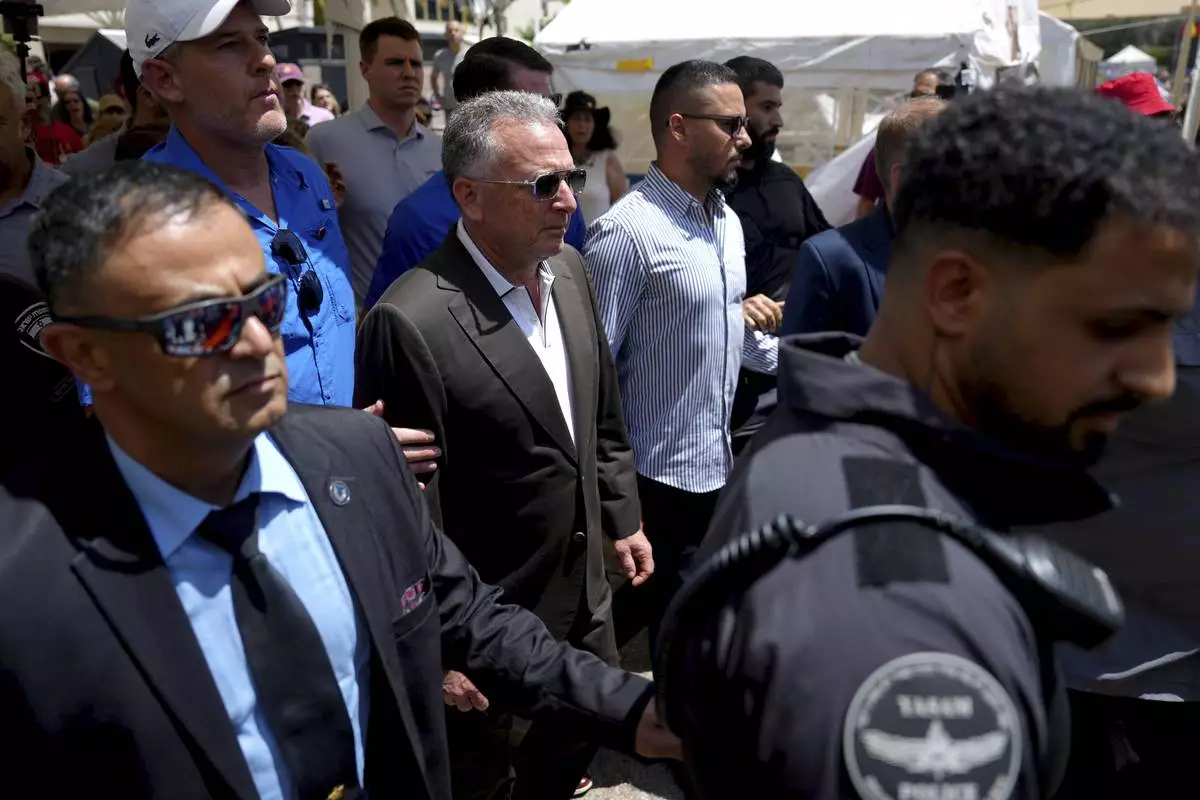
U.S. President Donald Trump's special envoy, Steve Witkoff, met with hostages' families Saturday, a week after quitting ceasefire talks, blaming Hamas' intransigence.

“I didn’t hear anything new from him. I heard that there was pressure from the Americans to end this operation, but we didn’t hear anything practical,” said Michel Illouz, father of Israeli hostage Guy Illouz.

He said he asked Witkoff to set a time frame but got “no answers.”

Protesters called on Israel's government to make a deal to end the war, imploring them to "stop this nightmare and bring them out of the tunnels.”

Nasser Hospital said it received five bodies after two Israeli strikes on tents sheltering displaced people in Gaza’s south.

The health ministry’s ambulance and emergency service said a strike hit a house between the towns of Zawaida and Deir al-Balah, killing two parents and their three children. Another strike hit a tent in Khan Younis, killing a mother and her daughter.

Israel’s top general Lt. Gen. Eyal Zamir warned that “combat will continue without rest” if hostages aren’t freed.

Most Palestinians are crowded into ever-shrinking areas considered safe.

“I don’t know what to do. Destruction, destruction," said Mohamed Qeiqa, who returned home to Gaza City and stood amid the neighborhood's collapsed concrete slabs. “Where will people settle?”

The war began when Hamas attacked southern Israel on Oct. 7, 2023, killing around 1,200 people, mostly civilians. Israel’s retaliatory offensive has killed more than 60,400 Palestinians, according to Gaza’s Health Ministry, which doesn’t distinguish between militants and civilians but says women and children make up over half the dead. The ministry operates under the Hamas government. The U.N. and other international organizations see it as the most reliable source of data on casualties.

The ministry says 93 children have died from malnutrition-related causes in Gaza since the war began. It said 76 adults have died of malnutrition-related causes since late June, when it started counting adult deaths.

Metz reported from Jerusalem and Magdy from Cairo. AP writer Jamey Keaten in Geneva contributed.

Follow AP’s war coverage at https://apnews.com/hub/israel-hamas-war

White House special envoy Steve Witkoff arrives to meet families of hostages held captive in the Gaza Strip, at the plaza known as the hostages square in Tel Aviv, Israel, Saturday, Aug. 2, 2025. ( AP Photo/Ariel Schalit)
White House special envoy Steve Witkoff arrives to meet families of hostages held captive in the Gaza Strip, at the plaza known as the hostages square in Tel Aviv, Israel, Saturday, Aug. 2, 2025. ( AP Photo/Ariel Schalit)

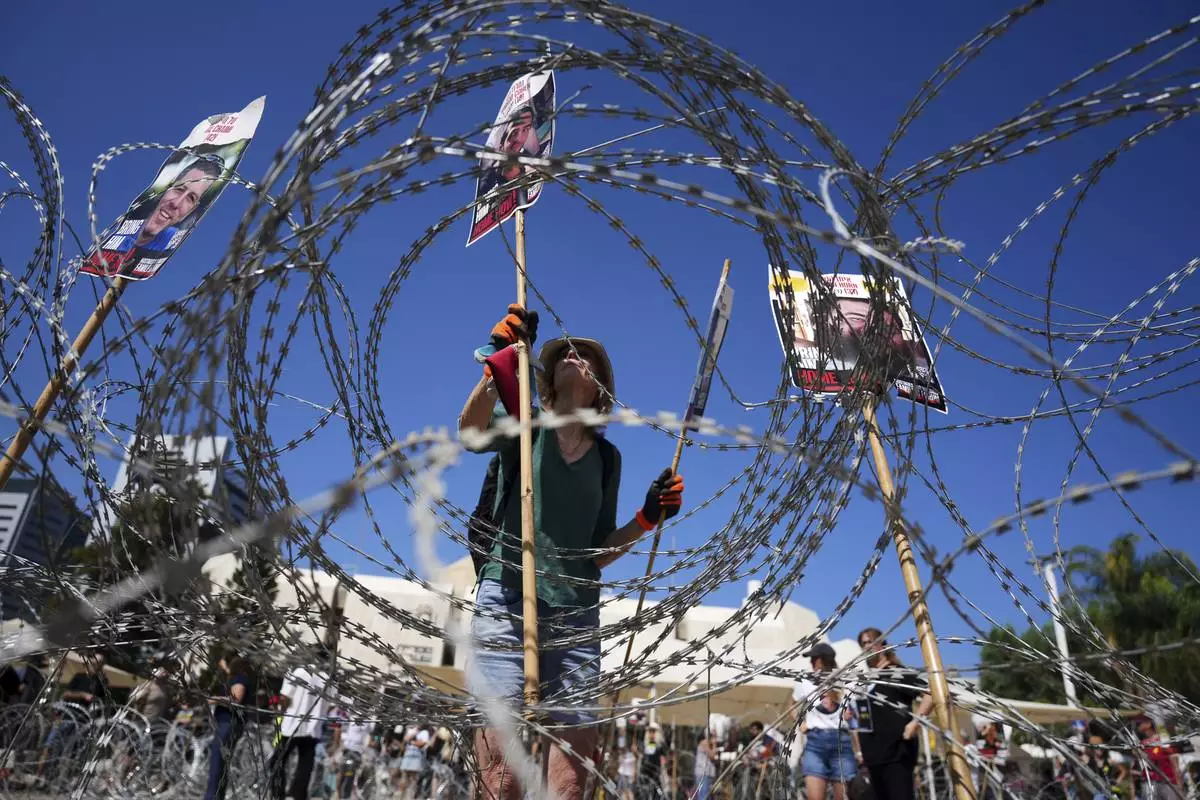
Families of hostages protest, demanding the release from Hamas captivity in the Gaza Strip, at the plaza known as the hostages square in Tel Aviv, Israel, Saturday, Aug. 2, 2025. (AP Photo/Ariel Schalit)
Families of hostages protest, demanding the release from Hamas captivity in the Gaza Strip, at the plaza known as the hostages square in Tel Aviv, Israel, Saturday, Aug. 2, 2025. (AP Photo/Ariel Schalit)

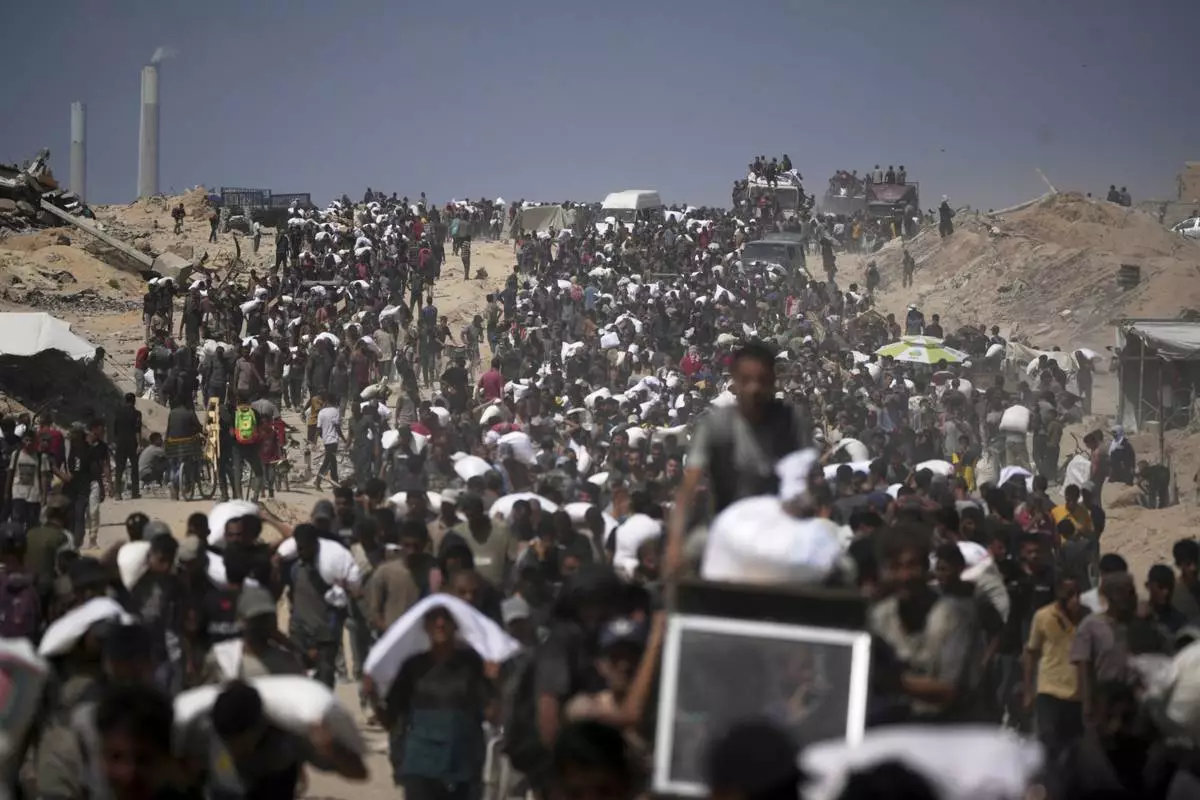
Palestinians carry sacks of flour taken from a humanitarian aid convoy en route to Gaza City, in the outskirts of Beit Lahiya, northern Gaza Strip, Friday, Aug. 1, 2025. (AP Photo/Jehad Alshrafi)
Palestinians carry sacks of flour taken from a humanitarian aid convoy en route to Gaza City, in the outskirts of Beit Lahiya, northern Gaza Strip, Friday, Aug. 1, 2025. (AP Photo/Jehad Alshrafi)

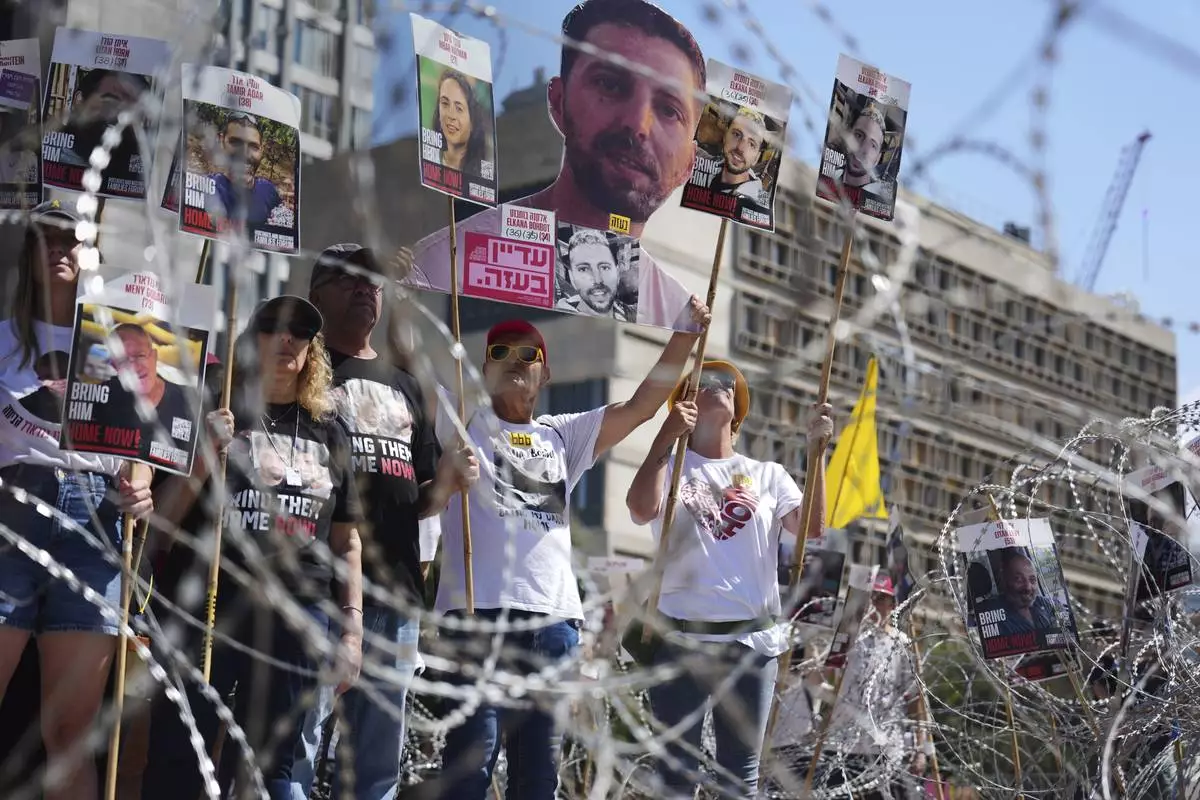
Families of hostages protest, demanding the release from Hamas captivity in the Gaza Strip, at the plaza known as the hostages square in Tel Aviv, Israel, Saturday, Aug. 2, 2025. (AP Photo/Ariel Schalit)
Families of hostages protest, demanding the release from Hamas captivity in the Gaza Strip, at the plaza known as the hostages square in Tel Aviv, Israel, Saturday, Aug. 2, 2025. (AP Photo/Ariel Schalit)

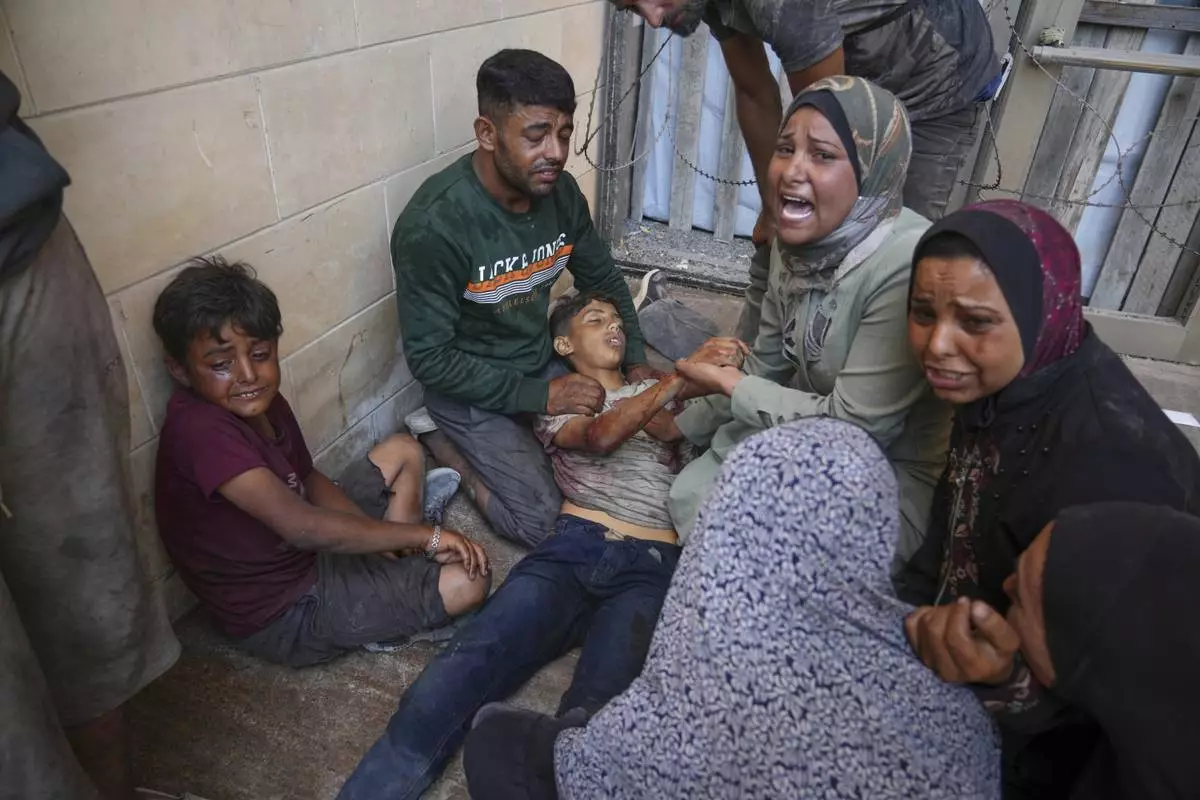
People mourn over the body of a young Palestinian killed while trying to reach trucks carrying humanitarian aid en route to Gaza City, outside the Hamad Al-Qatari Hospital in Beit Lahiya, northern Gaza Strip, Friday, Aug. 1, 2025. (AP Photo/Jehad Alshrafi)

People mourn over the body of a young Palestinian killed while trying to reach trucks carrying humanitarian aid en route to Gaza City, outside the Hamad Al-Qatari Hospital in Beit Lahiya, northern Gaza Strip, Friday, Aug. 1, 2025. (AP Photo/Jehad Alshrafi)

Samah Matar poses for a photo with her sons Yousef, 6, in her arms, and Amir, 4, who suffer from malnutrition and cerebral palsy, at a U.N.-run school in Gaza City, Saturday, July 26, 2025. In Gaza, malnutrition is often worsened by preexisting conditions and compounded by illnesses linked to inadequate health care and poor sanitation, largely the result of the ongoing war. (AP Photo/Jehad Alshrafi)
Samah Matar poses for a photo with her sons Yousef, 6, in her arms, and Amir, 4, who suffer from malnutrition and cerebral palsy, at a U.N.-run school in Gaza City, Saturday, July 26, 2025. In Gaza, malnutrition is often worsened by preexisting conditions and compounded by illnesses linked to inadequate health care and poor sanitation, largely the result of the ongoing war. (AP Photo/Jehad Alshrafi)

White House special envoy Steve Witkoff, centre, arrives to meet families of hostages at the plaza known as the hostages square in Tel Aviv, Israel, Saturday, Aug. 2, 2025. ( AP Photo/Ariel Schalit)
White House special envoy Steve Witkoff, centre, arrives to meet families of hostages at the plaza known as the hostages square in Tel Aviv, Israel, Saturday, Aug. 2, 2025. ( AP Photo/Ariel Schalit)

Families of hostages protest, demanding the release from Hamas captivity in the Gaza Strip, at the plaza known as the hostages square in Tel Aviv, Israel, Saturday, Aug. 2, 2025. (AP Photo/Ariel Schalit)

Families of hostages protest, demanding the release from Hamas captivity in the Gaza Strip, at the plaza known as the hostages square in Tel Aviv, Israel, Saturday, Aug. 2, 2025. (AP Photo/Ariel Schalit)
Families of hostages protest, demanding the release from Hamas captivity in the Gaza Strip, at the plaza known as the hostages square in Tel Aviv, Israel, Saturday, Aug. 2, 2025. (AP Photo/Ariel Schalit)

Families of hostages protest, demanding the release from Hamas captivity in the Gaza Strip, at the plaza known as the hostages square in Tel Aviv, Israel, Saturday, Aug. 2, 2025. (AP Photo/Ariel Schalit)

Palestinians carry sacks of flour taken from a humanitarian aid convoy en route to Gaza City, in the outskirts of Beit Lahiya, northern Gaza Strip, Friday, Aug. 1, 2025. (AP Photo/Jehad Alshrafi)
Palestinians carry sacks of flour taken from a humanitarian aid convoy en route to Gaza City, in the outskirts of Beit Lahiya, northern Gaza Strip, Friday, Aug. 1, 2025. (AP Photo/Jehad Alshrafi)
Palestinians carry sacks of flour taken from a humanitarian aid convoy en route to Gaza City, in the outskirts of Beit Lahiya, northern Gaza Strip, Friday, Aug. 1, 2025. (AP Photo/Jehad Alshrafi)
Palestinians carry sacks of flour taken from a humanitarian aid convoy en route to Gaza City, in the outskirts of Beit Lahiya, northern Gaza Strip, Friday, Aug. 1, 2025. (AP Photo/Jehad Alshrafi)
Federal immigration agents deployed to Minneapolis have used aggressive crowd-control tactics that have become a dominant concern in the aftermath of the deadly shooting of a woman in her car last week.

They have pointed rifles at demonstrators and deployed chemical irritants early in confrontations. They have broken vehicle windows and pulled occupants from cars. They have scuffled with protesters and shoved them to the ground.

The government says the actions are necessary to protect officers from violent attacks. The encounters in turn have riled up protesters even more, especially as videos of the incidents are shared widely on social media.

What is unfolding in Minneapolis reflects a broader shift in how the federal government is asserting its authority during protests, relying on immigration agents and investigators to perform crowd-management roles traditionally handled by local police who often have more training in public order tactics and de-escalating large crowds.

Experts warn the approach runs counter to de-escalation standards and risks turning volatile demonstrations into deadly encounters.

The confrontations come amid a major immigration enforcement surge ordered by the Trump administration in early December, which sent more than 2,000 officers from across the Department of Homeland Security into the Minneapolis-St. Paul area. Many of the officers involved are typically tasked with arrests, deportations and criminal investigations, not managing volatile public demonstrations.

Tensions escalated after the fatal shooting of Renee Good, a 37-year-old woman killed by an immigration agent last week, an incident federal officials have defended as self-defense after they say Good weaponized her vehicle.

The killing has intensified protests and scrutiny of the federal response.

On Monday, the American Civil Liberties Union of Minnesota asked a federal judge to intervene, filing a lawsuit on behalf of six residents seeking an emergency injunction to limit how federal agents operate during protests, including restrictions on the use of chemical agents, the pointing of firearms at non-threatening individuals and interference with lawful video recording.

“There’s so much about what’s happening now that is not a traditional approach to immigration apprehensions,” said former Immigration and Customs Enforcement Director Sarah Saldaña.

Saldaña, who left the post at the beginning of 2017 as President Donald Trump's first term began, said she can't speak to how the agency currently trains its officers. When she was director, she said officers received training on how to interact with people who might be observing an apprehension or filming officers, but agents rarely had to deal with crowds or protests.

“This is different. You would hope that the agency would be responsive given the evolution of what’s happening — brought on, mind you, by the aggressive approach that has been taken coming from the top,” she said.

Ian Adams, an assistant professor of criminal justice at the University of South Carolina, said the majority of crowd-management or protest training in policing happens at the local level — usually at larger police departments that have public order units.

“It’s highly unlikely that your typical ICE agent has a great deal of experience with public order tactics or control,” Adams said.

DHS Secretary Tricia McLaughlin said in a written statement that ICE officer candidates receive extensive training over eight weeks in courses that include conflict management and de-escalation. She said many of the candidates are military veterans and about 85% have previous law enforcement experience.

“All ICE candidates are subject to months of rigorous training and selection at the Federal Law Enforcement Training Center, where they are trained in everything from de-escalation tactics to firearms to driving training. Homeland Security Investigations candidates receive more than 100 days of specialized training," she said.

Ed Maguire, a criminology professor at Arizona State University, has written extensively about crowd-management and protest- related law enforcement training. He said while he hasn't seen the current training curriculum for ICE officers, he has reviewed recent training materials for federal officers and called it “horrifying.”

Maguire said what he's seeing in Minneapolis feels like a perfect storm for bad consequences.

“You can't even say this doesn't meet best practices. That's too high a bar. These don't seem to meet generally accepted practices,” he said.

“We’re seeing routinely substandard law enforcement practices that would just never be accepted at the local level,” he added. “Then there seems to be just an absence of standard accountability practices.”

Adams noted that police department practices have "evolved to understand that the sort of 1950s and 1960s instinct to meet every protest with force, has blowback effects that actually make the disorder worse.”

He said police departments now try to open communication with organizers, set boundaries and sometimes even show deference within reason. There's an understanding that inside of a crowd, using unnecessary force can have a domino effect that might cause escalation from protesters and from officers.

Despite training for officers responding to civil unrest dramatically shifting over the last four decades, there is no nationwide standard of best practices. For example, some departments bar officers from spraying pepper spray directly into the face of people exercising Constitutional speech. Others bar the use of tear gas or other chemical agents in residential neighborhoods.

Regardless of the specifics, experts recommend that departments have written policies they review regularly.

“Organizations and agencies aren’t always familiar with what their own policies are,” said Humberto Cardounel, senior director of training and technical assistance at the National Policing Institute.

“They go through it once in basic training then expect (officers) to know how to comport themselves two years later, five years later," he said. "We encourage them to understand and know their training, but also to simulate their training.”

Adams said part of the reason local officers are the best option for performing public order tasks is they have a compact with the community.

“I think at the heart of this is the challenge of calling what ICE is doing even policing,” he said.

"Police agencies have a relationship with their community that extends before and after any incidents. Officers know we will be here no matter what happens, and the community knows regardless of what happens today, these officers will be here tomorrow.”

Saldaña noted that both sides have increased their aggression.

“You cannot put yourself in front of an armed officer, you cannot put your hands on them certainly. That is impeding law enforcement actions,” she said.

“At this point, I’m getting concerned on both sides — the aggression from law enforcement and the increasingly aggressive behavior from protesters.”

Law enforcement officers at the scene of a reported shooting Wednesday, Jan. 14, 2026, in Minneapolis. (AP Photo/Adam Gray)

Law enforcement officers at the scene of a reported shooting Wednesday, Jan. 14, 2026, in Minneapolis. (AP Photo/Adam Gray)

Federal immigration officers confront protesters outside Bishop Henry Whipple Federal Building, Thursday, Jan. 15, 2026, in Minneapolis. (AP Photo/Adam Gray)

Federal immigration officers confront protesters outside Bishop Henry Whipple Federal Building, Thursday, Jan. 15, 2026, in Minneapolis. (AP Photo/Adam Gray)

People cover tear gas deployed by federal immigration officers outside Bishop Henry Whipple Federal Building, Thursday, Jan. 15, 2026, in Minneapolis. (AP Photo/Adam Gray)

People cover tear gas deployed by federal immigration officers outside Bishop Henry Whipple Federal Building, Thursday, Jan. 15, 2026, in Minneapolis. (AP Photo/Adam Gray)

A man is pushed to the ground as federal immigration officers confront protesters outside Bishop Henry Whipple Federal Building, Thursday, Jan. 15, 2026, in Minneapolis. (AP Photo/John Locher)

A man is pushed to the ground as federal immigration officers confront protesters outside Bishop Henry Whipple Federal Building, Thursday, Jan. 15, 2026, in Minneapolis. (AP Photo/John Locher)

A woman covers her face from tear gas as federal immigration officers confront protesters outside Bishop Henry Whipple Federal Building, Thursday, Jan. 15, 2026, in Minneapolis. (AP Photo/Adam Gray)

A woman covers her face from tear gas as federal immigration officers confront protesters outside Bishop Henry Whipple Federal Building, Thursday, Jan. 15, 2026, in Minneapolis. (AP Photo/Adam Gray)

Recommended Articles