Skip to Content Facebook Feature Image

Hong Kong residents try mainland's EV tech innovation

China

China

China

Hong Kong residents try mainland's EV tech innovation

2025-08-03 16:39 Last Updated At:17:17

A recent trip by a group of Hong Kong residents to Guangzhou-the capital of Guangdong Province in southern China-was not just for leisure, but to experience firsthand the technological advancements driving the mainland's electric vehicle (EV) industry.

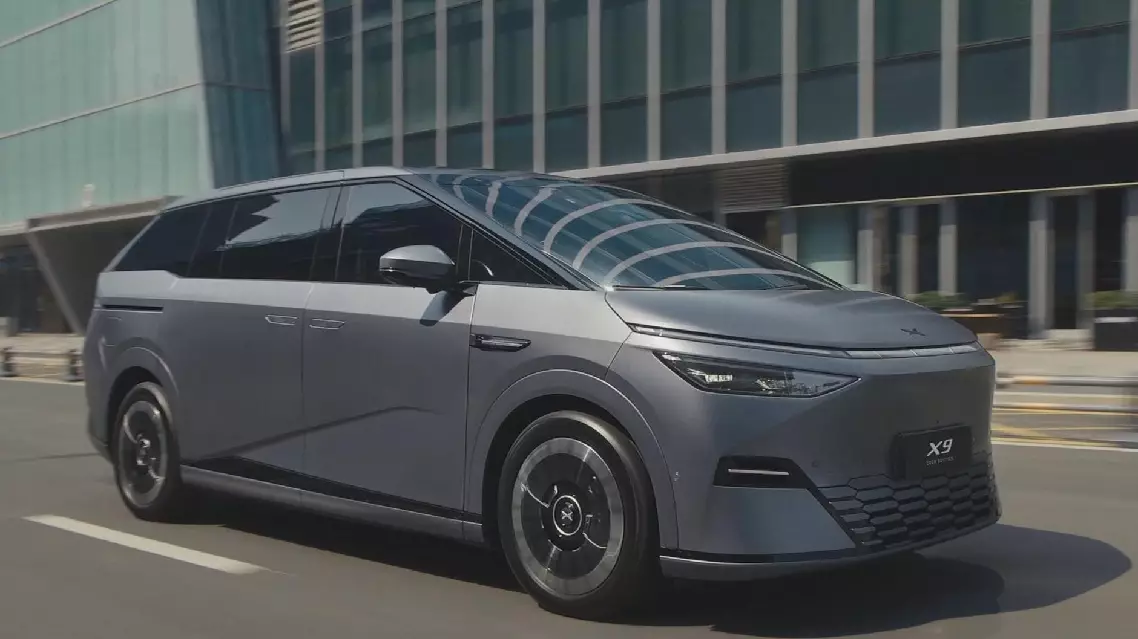
Their visit included the Guangzhou factory of XPeng - a leading Chinese EV startup. The factory operates what the company claims to be the world's most powerful mega-casting machine. The facility offers a close-up look at next-generation automotive innovation, impressing the Hong Kong drivers.

Among them was Taki Wong, a Hong Kong firefighter who bought an XPeng multi-purpose vehicle just a month ago.

"I want to support Chinese brands, especially after the tariff war. This car has rear-wheel steering-without it, parking a big vehicle like this in Hong Kong would be a nightmare. It seats seven, the price is very competitive, and the factory? It feels like its own city-incredibly advanced," said Wong.

At XPeng's headquarters, the group experienced the company's semi-autonomous driving system, which is currently undergoing regulatory discussions for approval in Hong Kong.

"Not bad. Smooth and proactive. Do we need this? Absolutely. Mainland roads are far more complex, with swarms of electric scooters in Guangzhou that we rarely see in Hong Kong. If this tech launches here this year, it'd be fantastic," said Wong.

XPeng has reportedly become the only Chinese EV startup to achieve its first-half sales target this year. However, as overall demand softens, competition in the world's largest auto market grows fiercer.

Regulators have cautioned against an escalating price war, pledging to maintain fair competition. For XPeng, the key to staying ahead lies not just in discounts, but in innovation.

"In 2025 alone, Xpeng invested over 9 billion yuan in research and development, including AI. Our focus is on delivering practical, high-tech experiences to customers. Hong Kong is pivotal to our global strategy-success here will showcase our advanced technology in Southeast Asia and beyond, even Europe," said Jerry Tam, Hong Kong Regional General Manager of Xpeng Motors.
Hong Kong residents try mainland's EV tech innovation

Hong Kong residents try mainland's EV tech innovation
Canadian Prime Minister Mark Carney's official visit to China signals a policy shift towards building a more pragmatic relationship between the two countries, according to a Canadian researcher.

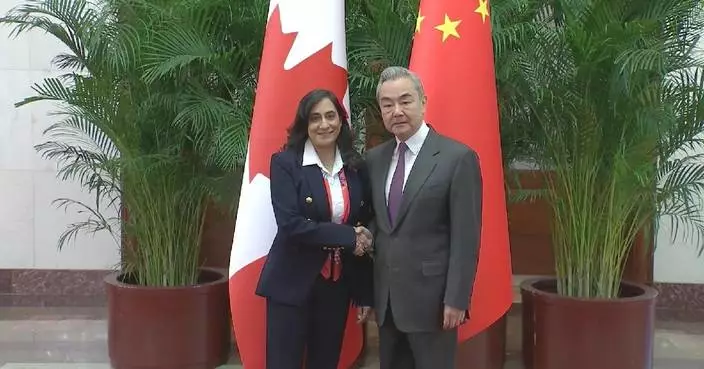
Carney arrived in Beijing on Wednesday to begin an official visit to China through Saturday, which marks the first trip by a Canadian Prime Minister to the country in eight years.

Robert Hanlon, director and principal investigator of Canada and the Asia Pacific Policy Project (CAPPP) at Thompson Rivers University in British Columbia, told the China Global Television Network (CGTN) that Carney's visit indicates Canada is recalibrating its strategic perception of China, which could cement the foundation for the country's economic diversification efforts and boost the development of bilateral cooperation.

"I think it's a clear message that he has moved Canada's strategy to a much more pragmatic, interest-based, -focused relationship with our trading partners, moving away from values-based narratives that we might have heard on previous governments. Canada has spoken about moving from what the Prime Minister's Office is calling "from reliance to resilience", and that means diversifying our economies and our trade everywhere in the world. And so China being our second largest trading partner, it makes perfect sense for our PM to head to Beijing," he said.

The scholar also noted the huge cooperation potential between the two sides in economic and trade fields, citing Canada's efforts to step up shipments of liquefied natural gas (LNG) and the planned construction of an oil pipeline in Alberta which aims to increase export access to Asian markets. "Canada and China both share tremendous economic opportunities together and so finding ways to enhance our exports. Canada specifically looking to build out its LNG and oil, kind of export market. We know Canada is a major producer of critical minerals and China is a buyer. And so there's a lot of synergy between that kind of those kind of markets," he said.

Canadian PM's visit to China paves way for more pragmatic trade ties: scholar

Canadian PM's visit to China paves way for more pragmatic trade ties: scholar

Recommended Articles