The trade deal between the United States and the European Union (EU) has sparked widespread criticism across political and business circles in Germany, with officials and experts saying that the deal has blocked free trade and seriously harmed Germany's pillar automotive industry.
According to the trade agreement announced by U.S. President Donald Trump and European Commission President Ursula von der Leyen on July 27, the vast majority of EU exports to the United States, including pharmaceuticals, automobiles and parts, and semiconductors, will face a 15-percent tariff rate, while European steel, aluminum, and copper products exported to the United States will continue to be subject to a 50-percent tariff.
Click to Gallery
German official, expert denounce US-EU trade deal
German official, expert denounce US-EU trade deal
German official, expert denounce US-EU trade deal
German official, expert denounce US-EU trade deal
Trump announced that under the agreement, the EU will purchase 750 billion U.S. dollars' worth of energy products from the United States and increase its investment in the United States by 600 billion dollars.
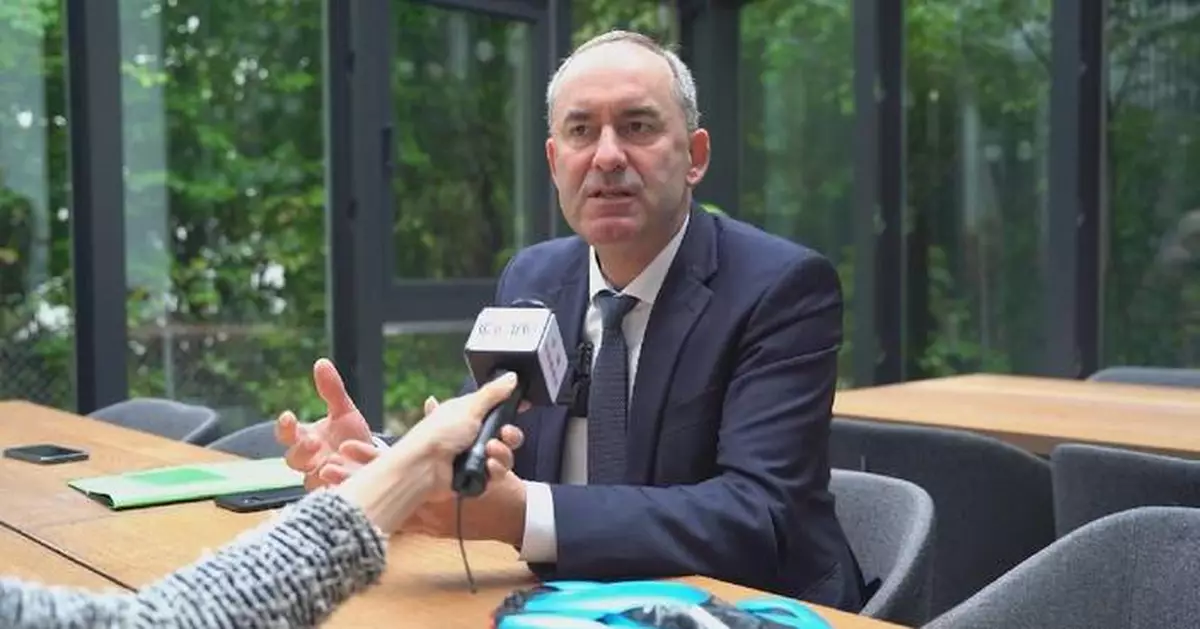
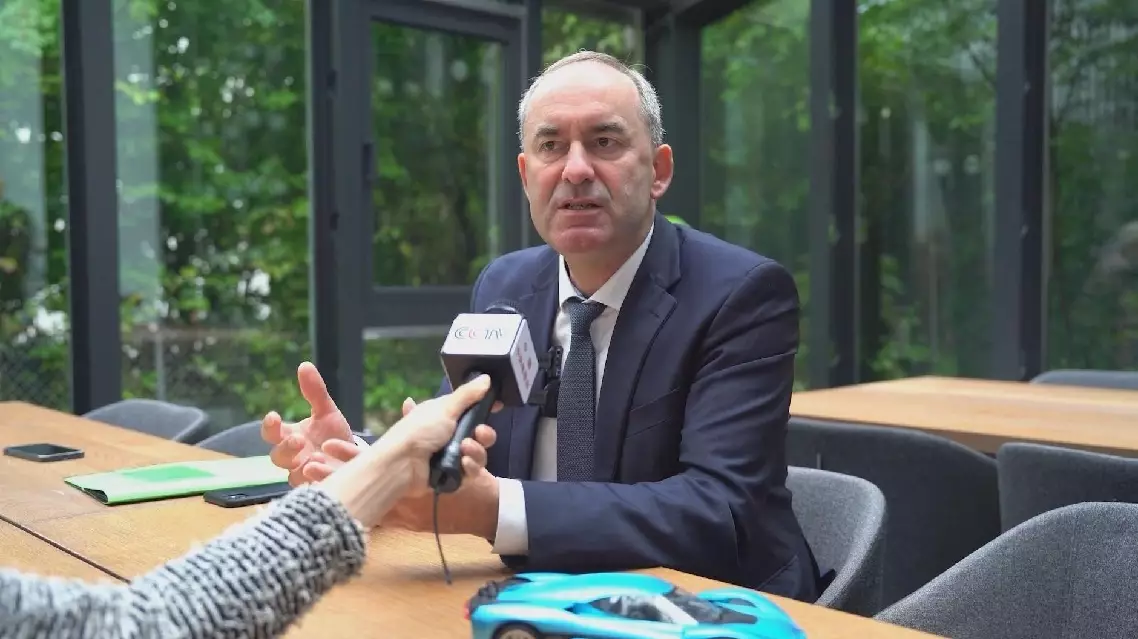
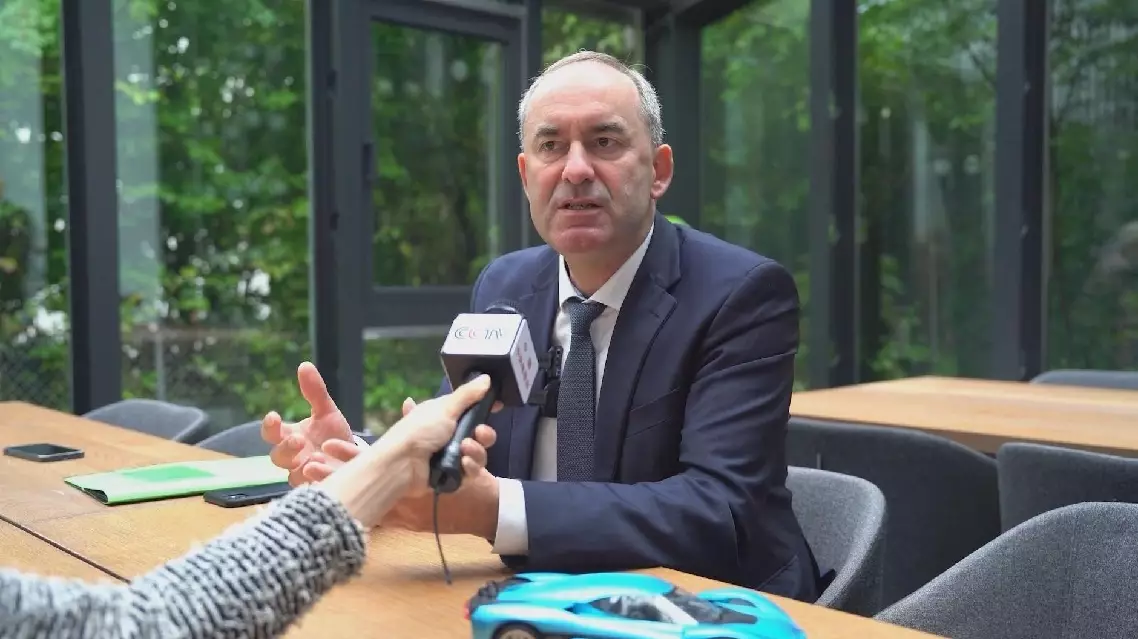
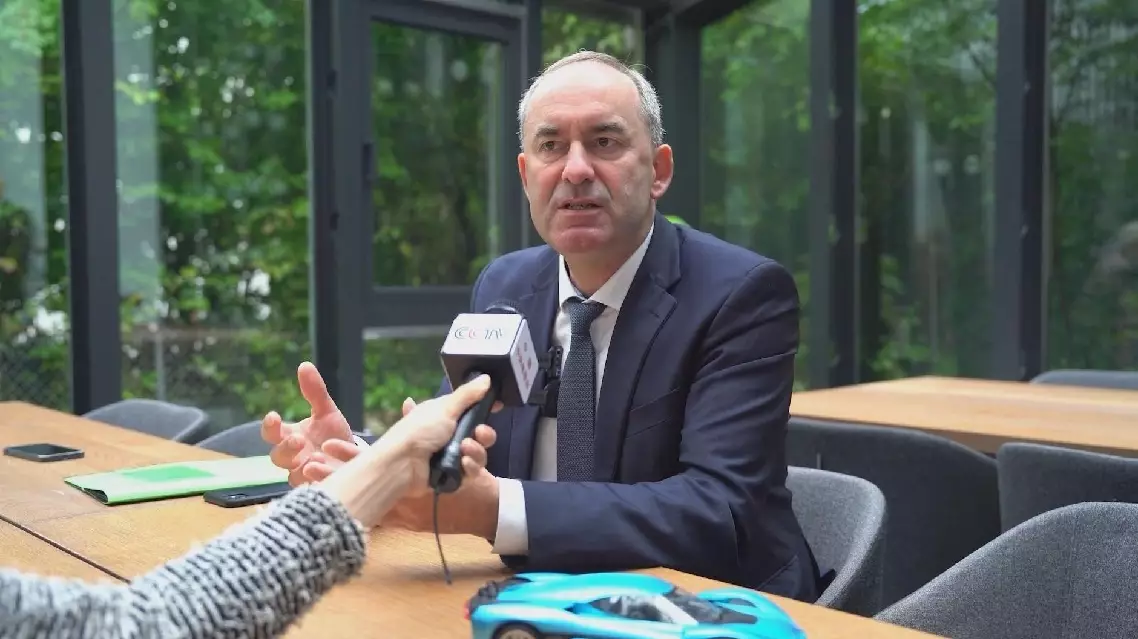
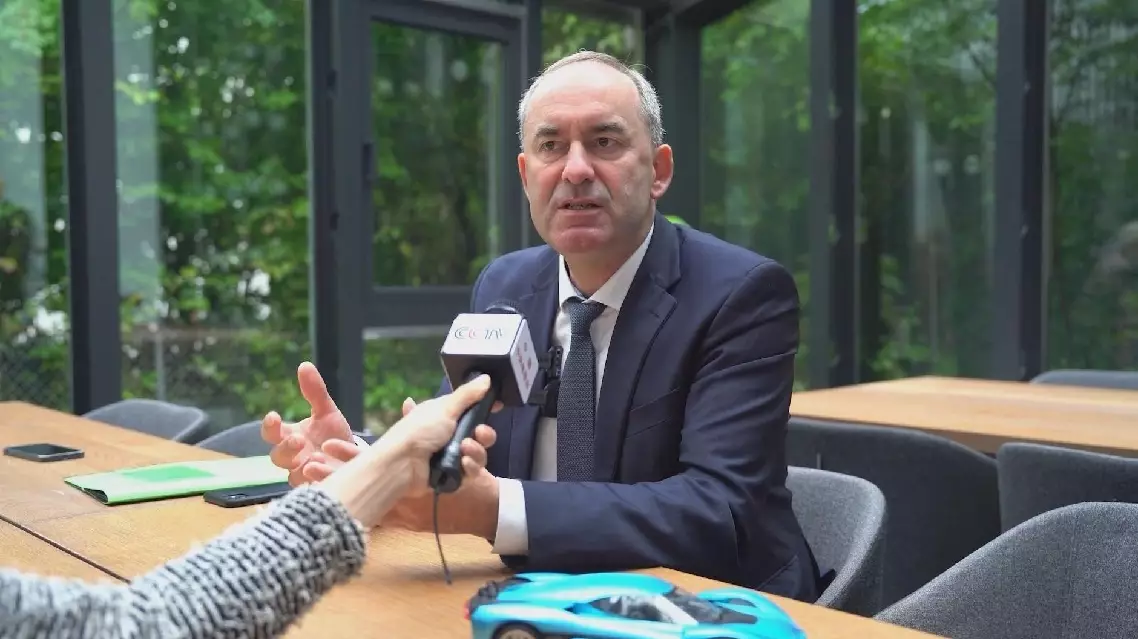
"The current tariff level is still too high. [The United States] forces other countries to build factories in the U.S., otherwise they will be excluded by tariffs, which is a wrong approach. The lowest possible tariffs are most beneficial to global free trade. I often say that the best tariffs are no tariffs at all. Only in this way can we unleash technology advantages and help the best products find customers. Tariffs will only distort the market. I hope that the United States would lower tariffs until they reach zero, so as to truly achieve free circulation of goods on a global scale," said Hubert Aiwanger, Bavarian State Minister for Economic Affairs, Regional Development and Energy.
"The German automotive industry is suffering from the impacts of U.S. tariffs in various forms. Multiple statistics have shown that the relocation of relevant production capacities (to another country) would result in the loss of tens of thousands of jobs in Germany. The biggest pain to relevant companies is the uncertainty to their planning. The U.S. tariff policies have stimulated other countries or regions to take countermeasures, which causes a spiraling upward trend of confrontation. These uncontrollable trade tensions are probably more worrying than the U.S. tariff decisions that have been announced," said Frank Volk, reporter for Automobilwoche, Germany's only B-to-B newspaper for the entire automotive industry.
The deal, which the White House said marked "a generational modernization of the transatlantic alliance," has also drawn criticism from political leaders across multiple European countries, with French Prime Minister Francois Bayrou saying that the EU chose to "submit" in reaching the agreement with the United States
German Chancellor Friedrich Merz said that the agreement would significantly harm the German economy, as tariffs pose a serious burden for Germany's export-oriented economy.
German official, expert denounce US-EU trade deal
German official, expert denounce US-EU trade deal
German official, expert denounce US-EU trade deal
German official, expert denounce US-EU trade deal