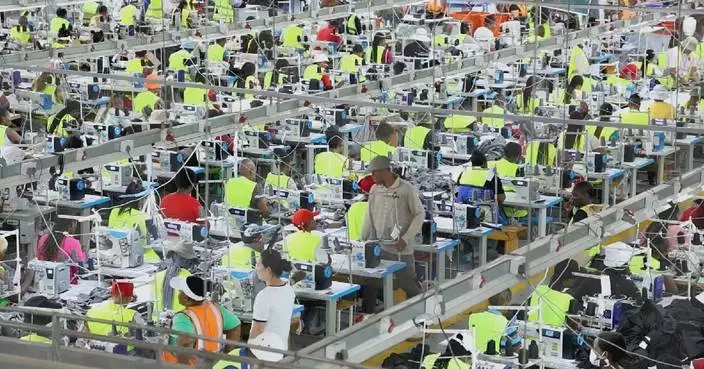
The interest subsidies for qualified personal consumption loans and service sector businesses announced on Tuesday address both consumer demands and supply-side needs, said an official from the Ministry of Finance on Wednesday.
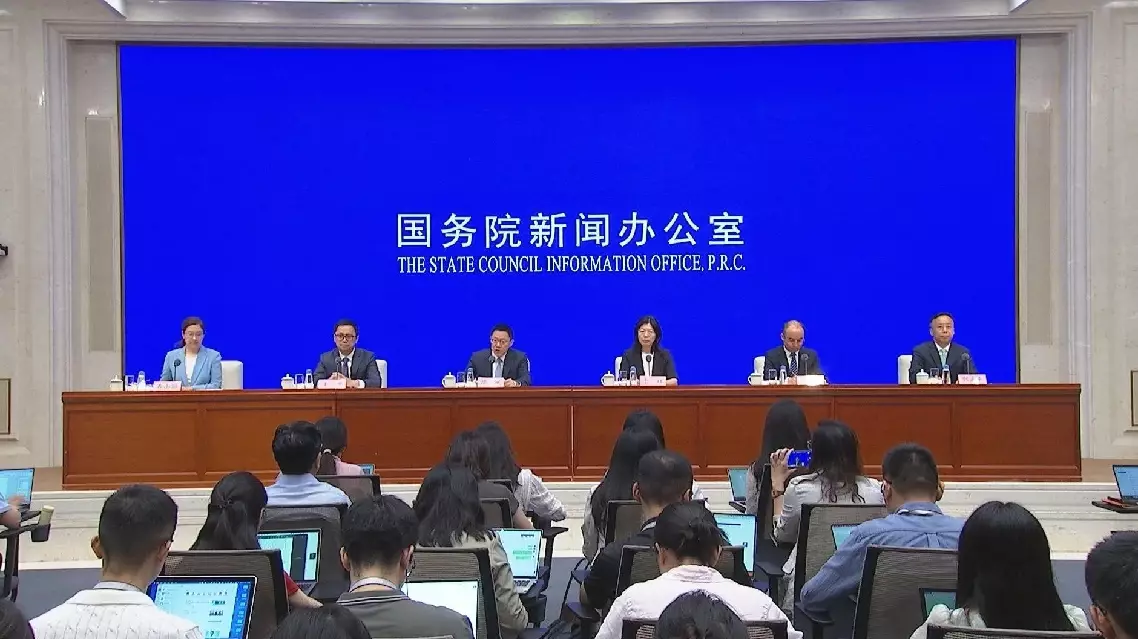
During a press conference in Beijing, Vice Minister of Finance Liao Min said that the policies will benefit consumers as well as bolster the service industry.
"The two policies will directly benefit both individual consumers and providers of consumer services. By reducing credit costs and expanding policy coverage, they're expected to facilitate the enhancement of service standards in the consumption sector and enable residents to access higher-quality goods and services. The policies aim to improve the lives of the general public and support the operational needs of businesses in the service industry. Key processes such as interest subsidy calculations and applications are primarily handled by lending institutions, to maximize convenience for borrowers," said Liao.
According to Liao, the policies further articulate that the country's financial focus is being placed more on boosting people's livelihood and promoting consumption.
"The policies provide extensive support, covering major consumption scenarios related to residents' daily necessities -- such as food, clothing, housing, and transportation -- as well as various types of consumer spending. The subsidy amounts are determined based on comprehensive considerations of urban and rural household incomes and expenditures, helping to alleviate some of the everyday financial burdens faced by ordinary citizens," said Liao.
"The two loan interest subsidy policies work in synergy, targeting both the demand side and the supply side of consumption. This reflects a strategic shift in fiscal and financial policies toward improving livelihoods and stimulating consumption," he added.
Interest subsidy plan addresses both consumer demand, supply-side needs: official
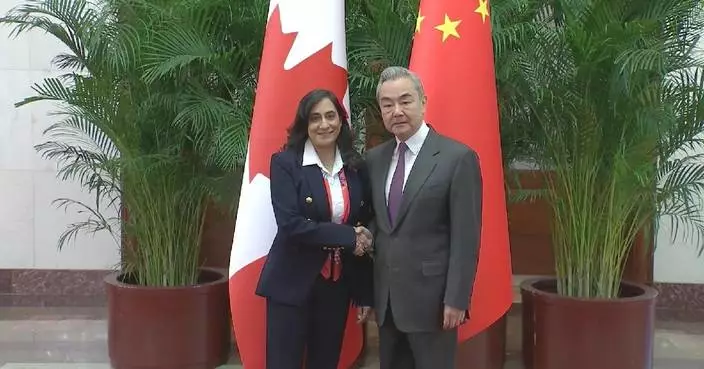
Canadian Prime Minister Mark Carney's official visit to China signals a policy shift towards building a more pragmatic relationship between the two countries, according to a Canadian researcher.
Carney arrived in Beijing on Wednesday to begin an official visit to China through Saturday, which marks the first trip by a Canadian Prime Minister to the country in eight years.
Robert Hanlon, director and principal investigator of Canada and the Asia Pacific Policy Project (CAPPP) at Thompson Rivers University in British Columbia, told the China Global Television Network (CGTN) that Carney's visit indicates Canada is recalibrating its strategic perception of China, which could cement the foundation for the country's economic diversification efforts and boost the development of bilateral cooperation.
"I think it's a clear message that he has moved Canada's strategy to a much more pragmatic, interest-based, -focused relationship with our trading partners, moving away from values-based narratives that we might have heard on previous governments. Canada has spoken about moving from what the Prime Minister's Office is calling "from reliance to resilience", and that means diversifying our economies and our trade everywhere in the world. And so China being our second largest trading partner, it makes perfect sense for our PM to head to Beijing," he said.
The scholar also noted the huge cooperation potential between the two sides in economic and trade fields, citing Canada's efforts to step up shipments of liquefied natural gas (LNG) and the planned construction of an oil pipeline in Alberta which aims to increase export access to Asian markets. "Canada and China both share tremendous economic opportunities together and so finding ways to enhance our exports. Canada specifically looking to build out its LNG and oil, kind of export market. We know Canada is a major producer of critical minerals and China is a buyer. And so there's a lot of synergy between that kind of those kind of markets," he said.

Canadian PM's visit to China paves way for more pragmatic trade ties: scholar