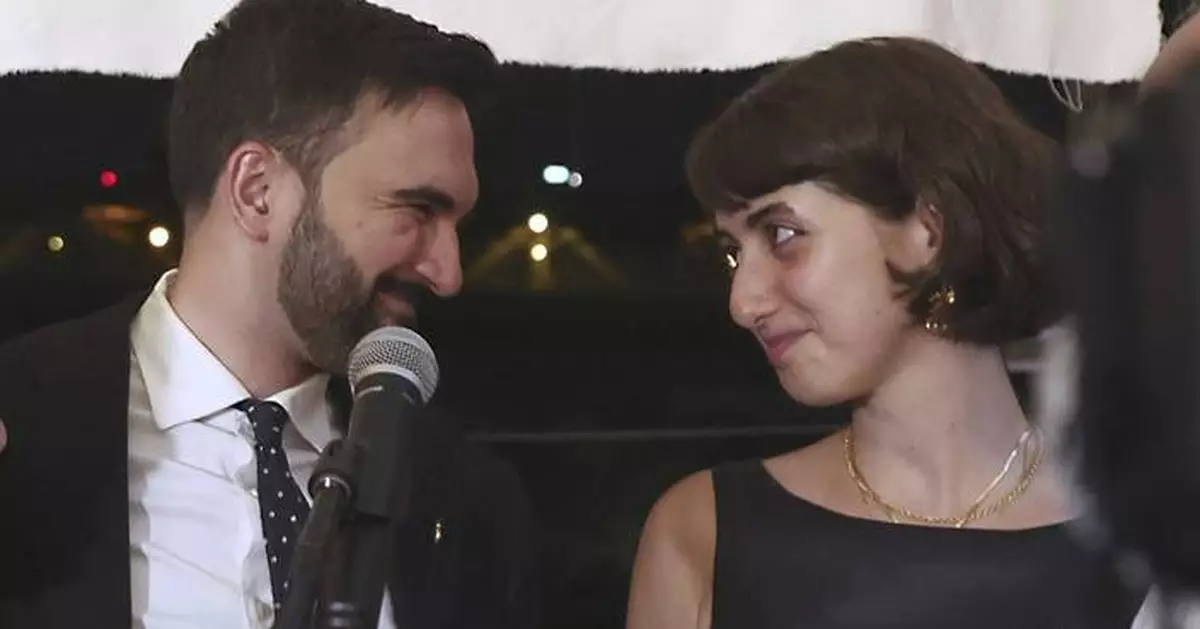
Nura Maznavi got a kick out of learning that New York City Muslim mayoral candidate Zohran Mamdanimet his wife on Hinge.
“It made me feel like less of a loser,” Maznavi said laughingly about meeting her own husband online more than 14 years ago, before apps like Hinge became a dating fixture for many people.
Click to Gallery
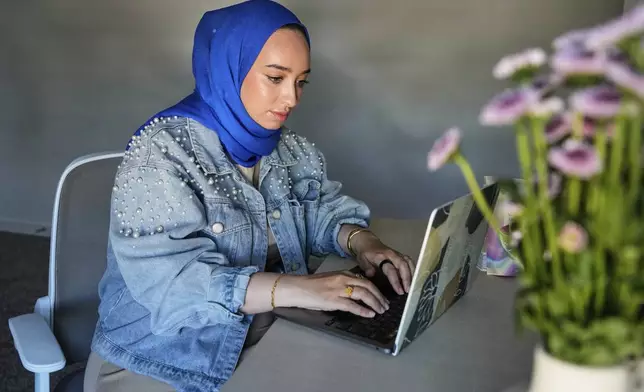
Hoda Abrahim, founder and CEO of Love, Inshallah, a matchmaker featured on the series "Muslim Matchmaker," on Hulu, works on her computer at her home on Monday, Aug. 11, 2025, in Conroe, Texas. (AP Photo/Ashley Landis)
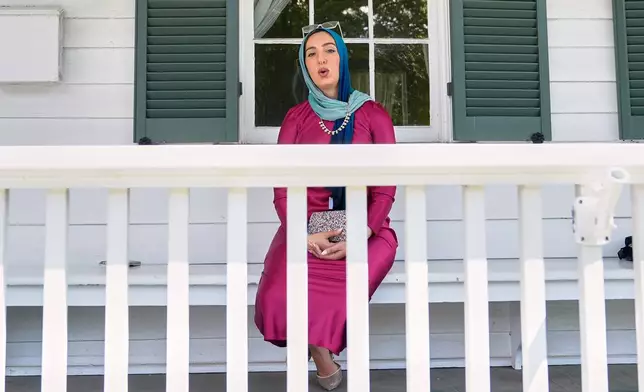
Yasmin Elhady, a matchmaker featured on the series "Muslim Matchmaker" on Hulu, poses in Falls Church, Va., on Tuesday, Aug. 12, 2025. (AP Photo/Mariam Zuhaib)
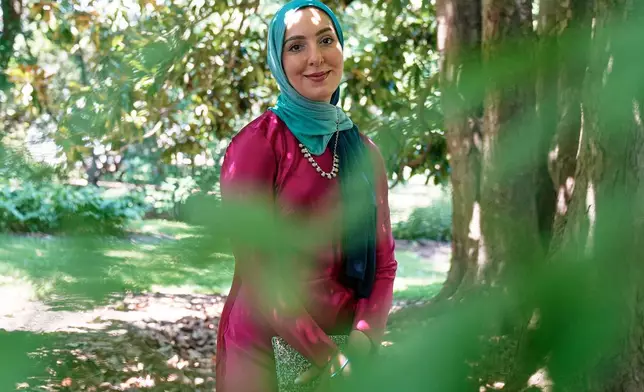
Yasmin Elhady, a matchmaker featured on the series "Muslim Matchmaker" on Hulu, poses in Falls Church, Va., on Tuesday, Aug. 12, 2025. (AP Photo/Mariam Zuhaib)
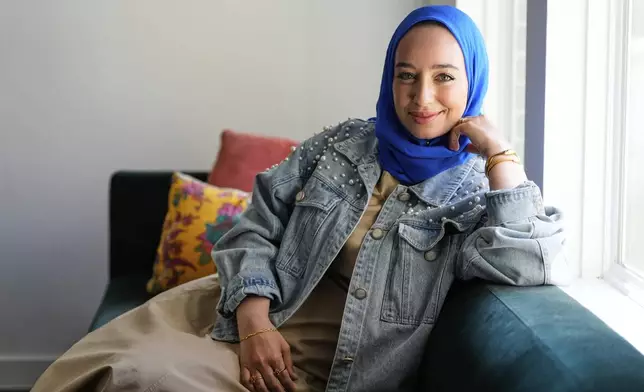
Hoda Abrahim, founder and CEO of Love, Inshallah, a matchmaker featured on the series "Muslim Matchmaker," on Hulu, appears in her home on Monday, Aug. 11, 2025, in Conroe, Texas. (AP Photo/Ashley Landis)
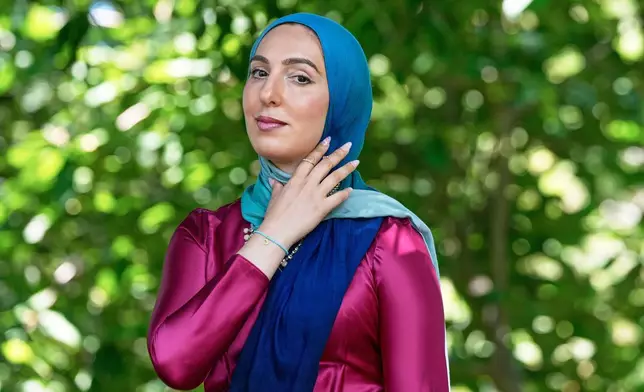
Yasmin Elhady, a matchmaker featured on the series "Muslim Matchmaker" on Hulu, poses in Falls Church, Va, on Tuesday, Aug. 12, 2025. (AP Photo/Mariam Zuhaib)
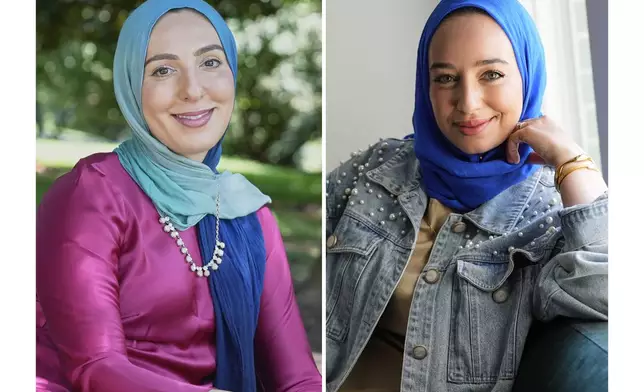
Yasmin Elhady poses in Falls Church, Va, on Aug. 12, 2025, left, and Hoda Abrahim appears at her home on Aug. 11, 2025, in Conroe, Texas. Elhady and Abrahim are matchmakers featured on the series "Muslim Matchmaker" on Hulu. (AP Photo)
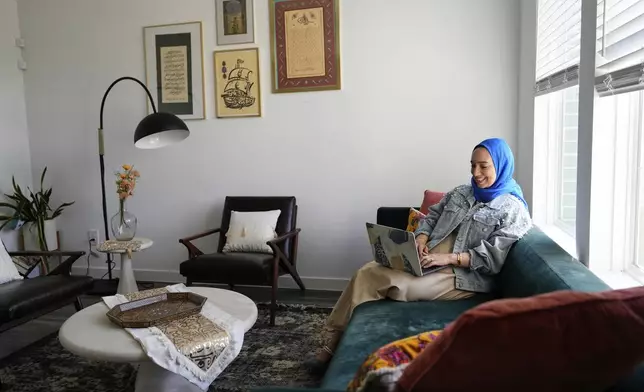
Hoda Abrahim, founder and CEO of Love, Inshallah, a matchmaker featured on the series "Muslim Matchmaker," on Hulu, works on her computer at her home on Monday, Aug. 11, 2025, in Conroe, Texas. (AP Photo/Ashley Landis)
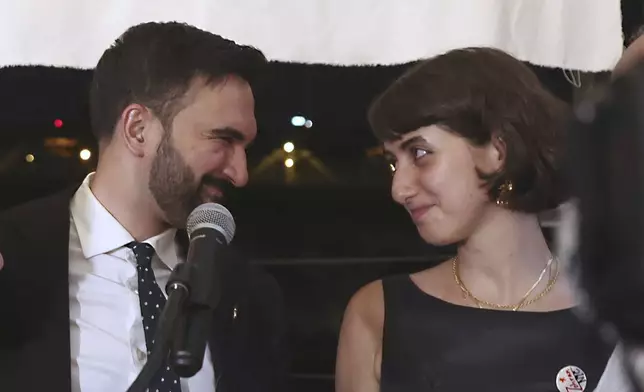
FILE - Democratic mayoral candidate Zohran Mamdani appears on stage with his wife, Rama Duwaji, right, at his primary election party, Wednesday, June 25, 2025, in New York. (AP Photo/Heather Khalifa, File)
“He’s so cool," she said of Mamdani. "Him and his wife are just so New York chic.”
Mamdani’s success on Hinge, as well as the show “Muslim Matchmaker” on Hulu, provide a glimpse into some of the ways American Muslims meet their spouses, from the traditional to the contemporary. Many navigate the quest for love and marriage while balancing their beliefs, levels of devoutness, diverse lifestyles and a range of cultural influences.
“We just wanted a realistic assessment of what’s going on in the love space for Muslim Americans and that we do have unique challenges, but we also have very universal challenges,” said Yasmin Elhady, one of two matchmakers on the reality series on Hulu. “We show up in ways that are complicated and joyful and dynamic.”
Maznavi, a self-described “sucker for romance,” co-edited two collections by American Muslims on love and relationships. She found that people met "through family, through friends, through sort of serendipitous meetings, through college, through work.”
Back when she was the one looking, Maznavi, a lawyer, writer and daughter of Sri Lankan immigrants, met people through her parents, friends and extended family.
Then living in San Francisco, she found the pool of Muslims small. Her mom heard a Match.com radio ad and suggested she try it.
“I still resisted,” Maznavi said. Eventually, she relented — and met her husband there.
For Muslims seeking Muslims, “most of us are pretty few and far between and quite spread out,” said Hoda Abrahim, the show's other matchmaker. ”You’re not gonna go to the gym and just be surrounded by people that you could potentially marry.”
That may mean having to try a long-distance relationship, she said. Many of her clients already used Muslim-specific and other dating apps, she said.
There're also some in-person events for Muslim singles seeking marriage.
In the show, the matchmakers outline their “Rules of Three” — three meetings within three months and 300 compatibility questions to go through together. Their matched clients experience those first-meeting jitters, the warmth of a connection or the pain of rejection, and the uncertainty in between.
In assessing a couple's compatibility, the matchmakers consider what they call the “halal-haram ratio,” referring to the level of religious observance and how a couple's lifestyles would align.
One participant says she tries to perform the required daily prayers, but doesn’t “particularly dress very modestly.” She wants someone who’s open to the possibility of her faith growing and “who goes out" and "enjoys themselves, but … still follows the tenets of Islam — and trying to find a healthy balance of what that means.” (She’s also into good banter and concerts. Hairy men? Not so much).
Another participant says he wants a partner with “Islamic qualities” and has no strong preference on whether or not she wears the hijab.
“Many Muslims, even if they’re not a practicing, adherent Muslim, will have certain things that they’re very intense about: It could be the Ramadan practice. … It could be that they stay away from pork. It could be the clothing,” Elhady said. “There’s a really serious lifestyle choice that is associated with Islam and I think that in marriage, you are looking for someone to complement your style.”
According to a Pew Research Center 2023-2024 study, 60% of U.S. Muslim adults said religion was “very important” in their lives. That's close to the 55% of U.S. Christians who said the same in the survey.
Abrahim said some online disliked the “halal-haram ratio” term, seeing it as normalizing “haram” behavior, meaning behavior that’s not religiously permitted. She pushes back. “We’re not normalizing it. We’re just saying obviously people practice to a certain level."
Then there’s the debate over what to call getting to know the other person: Is it dating? Courting?
“This is something we discussed a lot,” Abrahim said. “If I say ‘dating,’ I mean courting and we actually specified that on the show, like, we’re intentional and we’re serious.”
Elhady said there were so many positive responses to the show, but noted that some Muslims didn't like the word “dating.” To that, she says: Make your own definition, or call it what you’d like. (Some use the term “halal dating.”)
“In their mind, dating is a word that was made for non-Muslims by non-Muslims and it means that there’s a physical relationship prior to commitment,” she said. “The show is not depicting people in premarital sex. … It’s depicting people searching for love.”
Among the questions that Kaiser Aslam gets asked by some of the students he serves as Muslim chaplain at the Center for Islamic Life at Rutgers University are: How to know if someone is compatible? And how to know them without getting intimate?
“In the Islamic tradition getting intimate, and sexually intimate is not allowed before marriage,” he said.
He suggests having serious conversations with accountability measures in place, like chaperones, meeting in relatively public places and clearly setting intentions “that you’re not trying to actually initiate intimacy or intimate contact, but you’re actually just trying to understand each other.” And, also, talking to the person's friends and family, he said.
Muslim Americans are vastly diverse — racially and ethnically.
“Young Muslims are finding people of different cultures over and over again, which is beautiful and great to see,” Aslam said.
For some, cultural differences can fuel “arguments of like, ‘No, we do marriage this way. No, in our tradition, the guy side pays for this. The girl side pays for this,’” said Aslam, who’s performed many marriages and provides premarital counseling.
Some parents object to their children marrying outside their culture, he said.
At times, there can be “racist underpinnings,” he said, adding: “We have to call it out for what it is. It’s not religious in any way, shape or form.” Theologically, he said, "we’re encouraged to make sure that the most diverse, good traditions have the ability of interacting with each other.”
Other times, he said, parents fear their children may be running away from their culture and need reassurance.
Tahirah Nailah Dean, who’s Black and Latina, said she’d encountered such barriers in her search, knowing that some potential matches were seeking to marry within their own culture and ethnicity. Some of her concerns also echo broader questions and debates beyond Muslim communities over racial preference and racial bias in dating.
Dean, an attorney who also writes about Muslim love and marriage, got married at 30 and later divorced.
In her 20s, she navigated the apps, but found dealing with such things as “ ghosting ” and “love bombing” emotionally draining. She tried matchmaking through the mosque and the “matchmaking aunties” as well as getting to know people through activities like volunteering at the mosque. She’d also asked friends to set her up.
Recently, she’s returned to the search.
Muslim or not, Elhady of the “Muslim Matchmaker” show argued, “people want to really fall in love — and it is hard to do in the modern age.”
Associated Press religion coverage receives support through the AP’s collaboration with The Conversation US, with funding from Lilly Endowment Inc. The AP is solely responsible for this content.
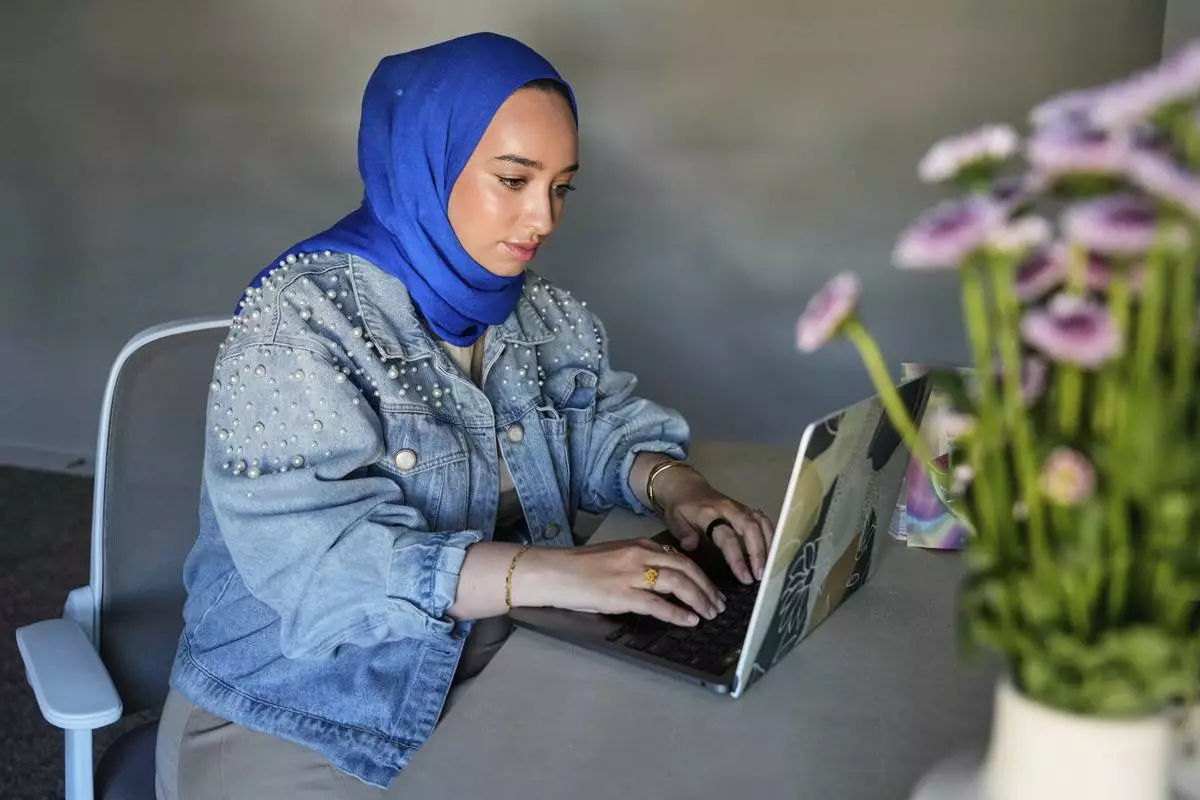
Hoda Abrahim, founder and CEO of Love, Inshallah, a matchmaker featured on the series "Muslim Matchmaker," on Hulu, works on her computer at her home on Monday, Aug. 11, 2025, in Conroe, Texas. (AP Photo/Ashley Landis)
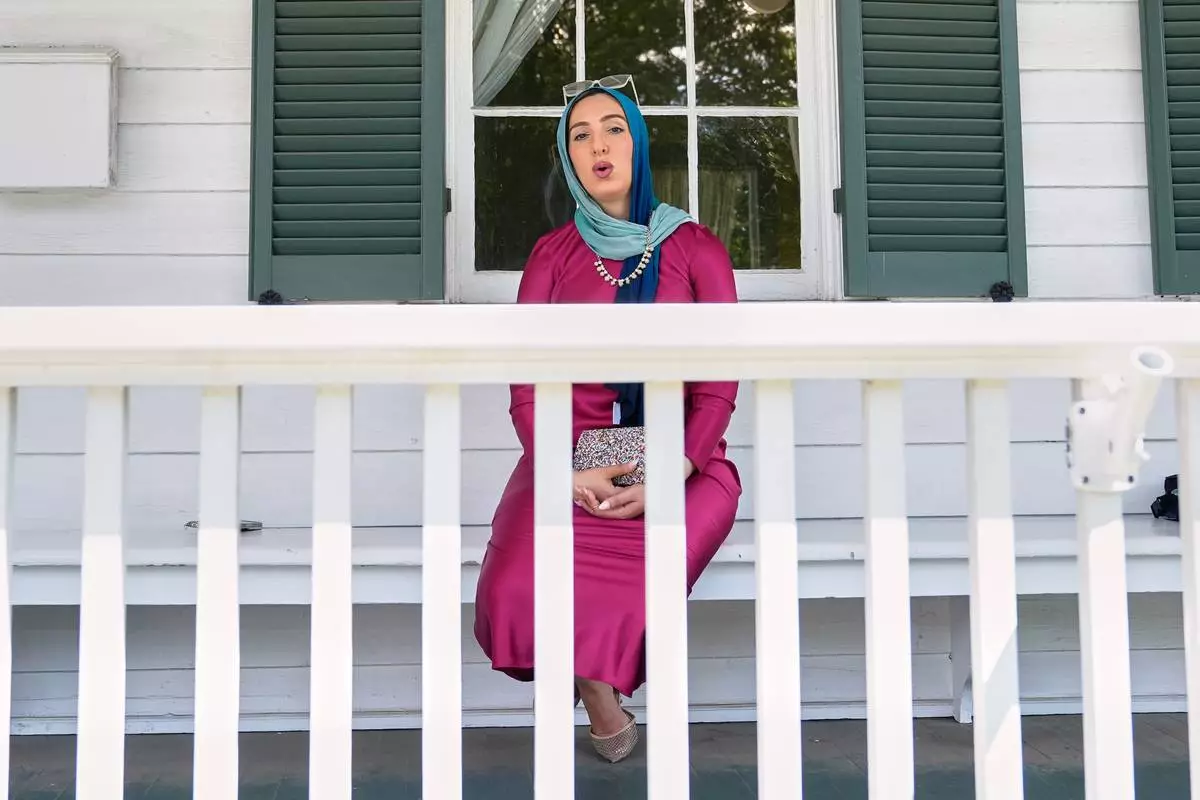
Yasmin Elhady, a matchmaker featured on the series "Muslim Matchmaker" on Hulu, poses in Falls Church, Va., on Tuesday, Aug. 12, 2025. (AP Photo/Mariam Zuhaib)
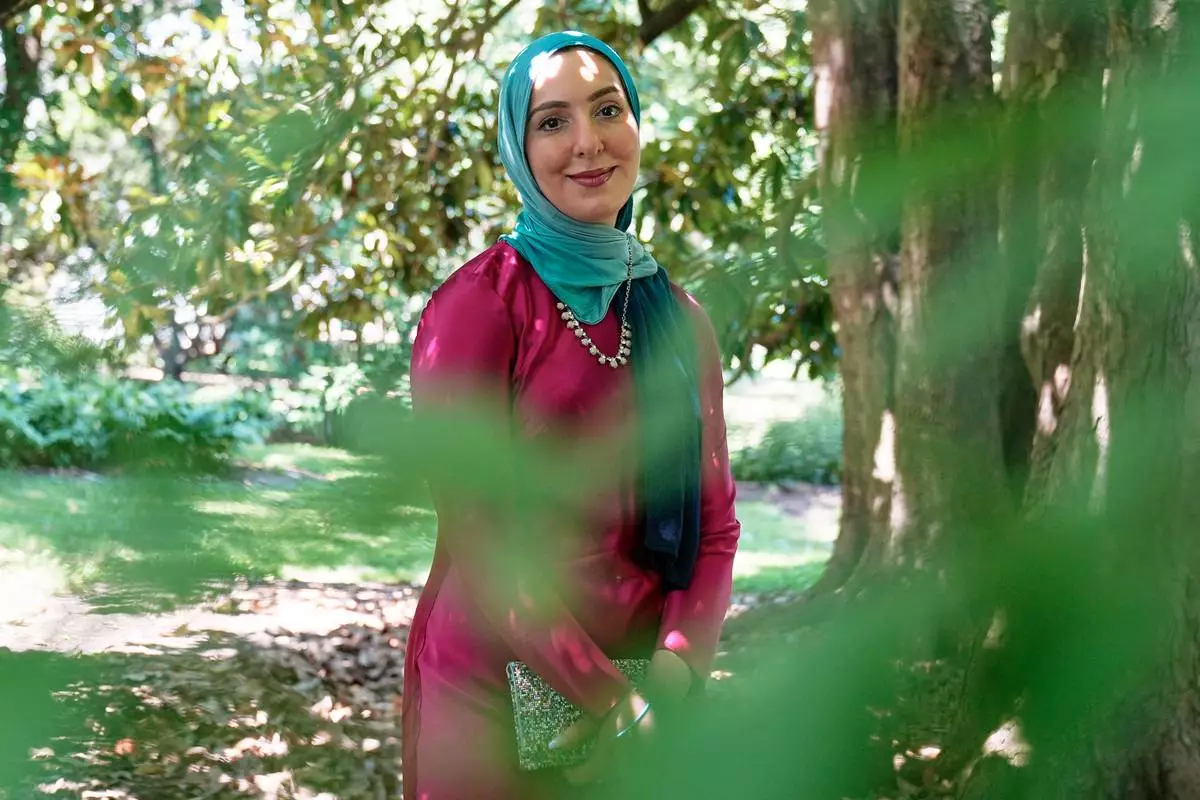
Yasmin Elhady, a matchmaker featured on the series "Muslim Matchmaker" on Hulu, poses in Falls Church, Va., on Tuesday, Aug. 12, 2025. (AP Photo/Mariam Zuhaib)
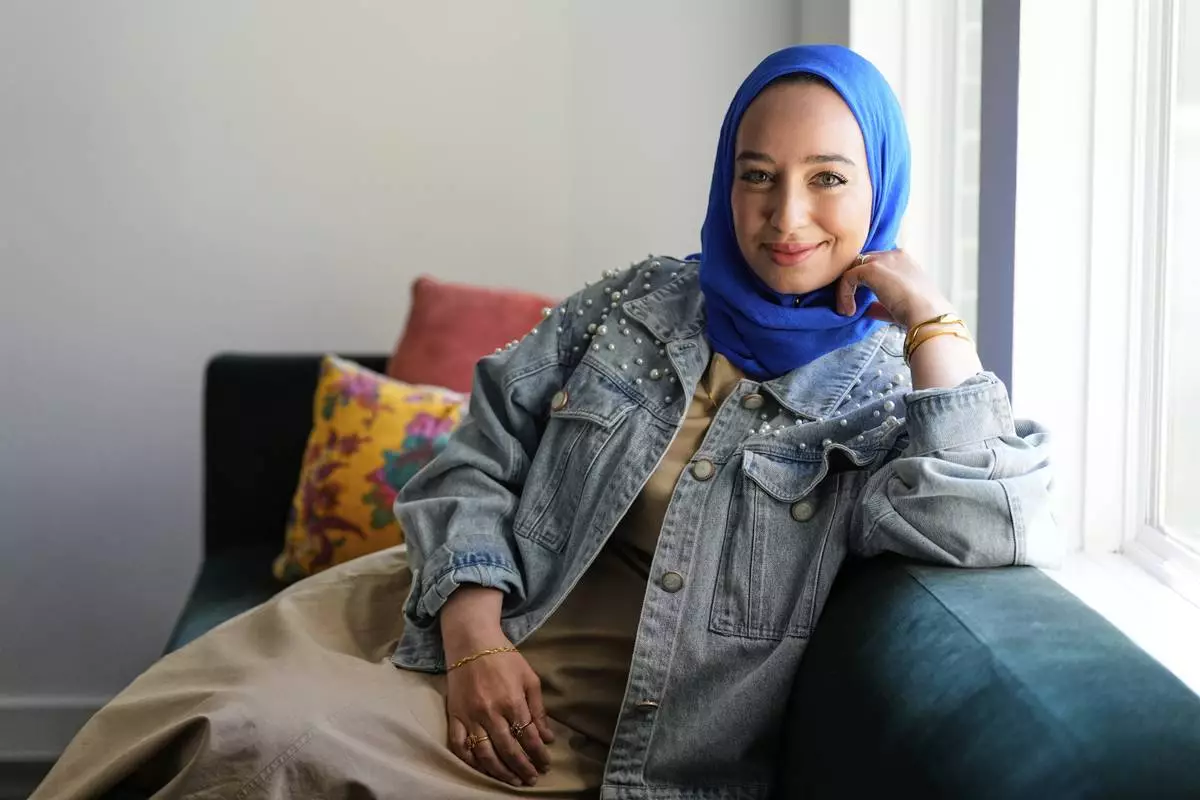
Hoda Abrahim, founder and CEO of Love, Inshallah, a matchmaker featured on the series "Muslim Matchmaker," on Hulu, appears in her home on Monday, Aug. 11, 2025, in Conroe, Texas. (AP Photo/Ashley Landis)
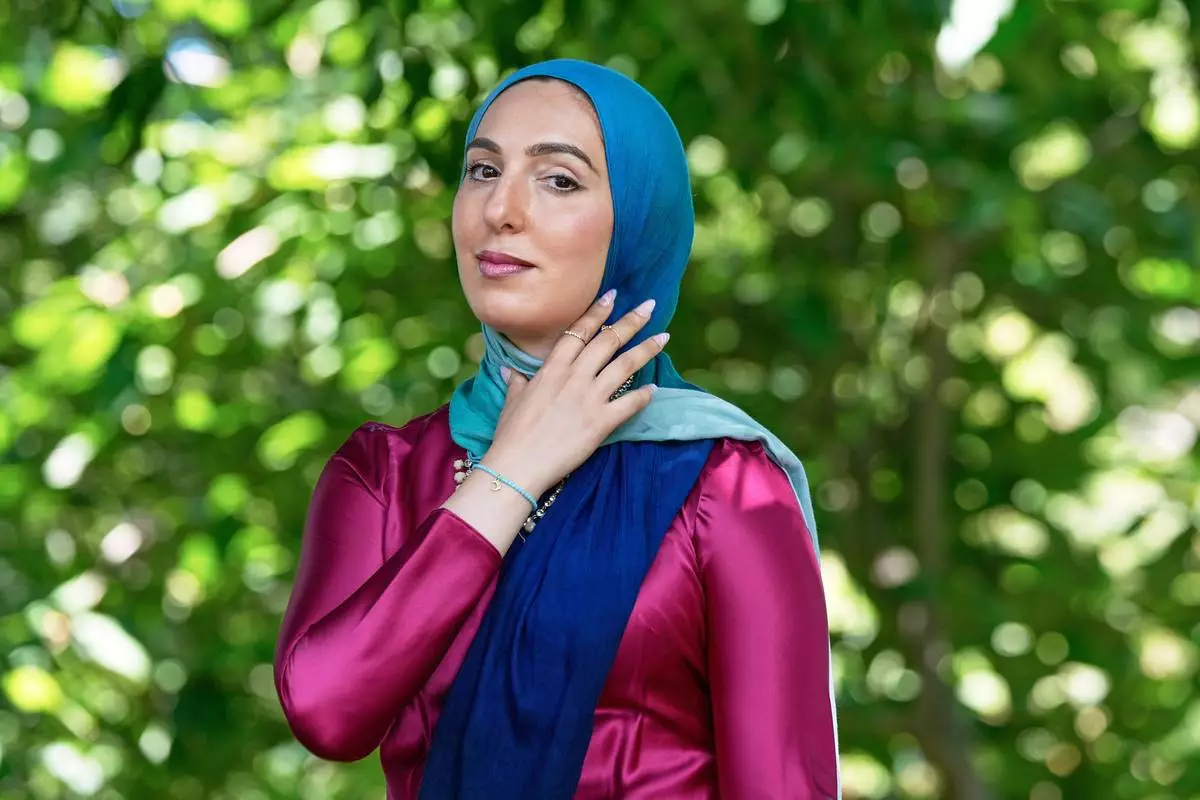
Yasmin Elhady, a matchmaker featured on the series "Muslim Matchmaker" on Hulu, poses in Falls Church, Va, on Tuesday, Aug. 12, 2025. (AP Photo/Mariam Zuhaib)
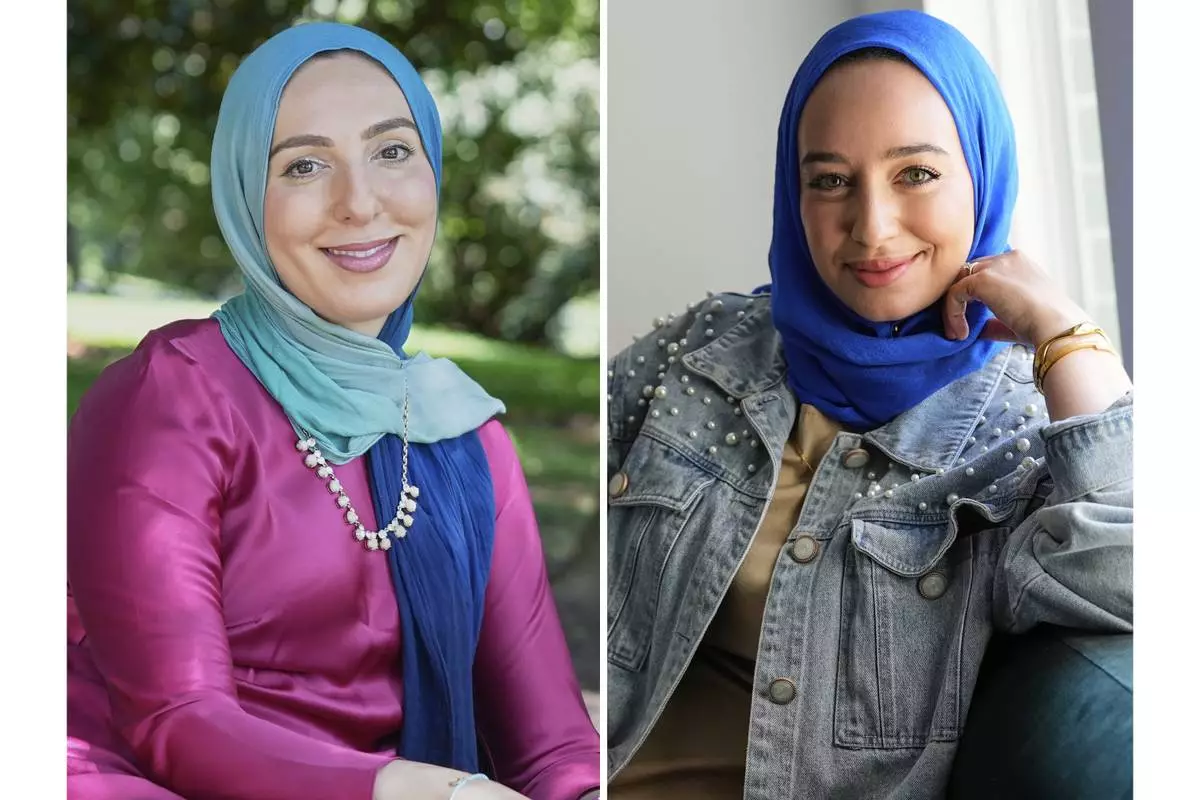
Yasmin Elhady poses in Falls Church, Va, on Aug. 12, 2025, left, and Hoda Abrahim appears at her home on Aug. 11, 2025, in Conroe, Texas. Elhady and Abrahim are matchmakers featured on the series "Muslim Matchmaker" on Hulu. (AP Photo)
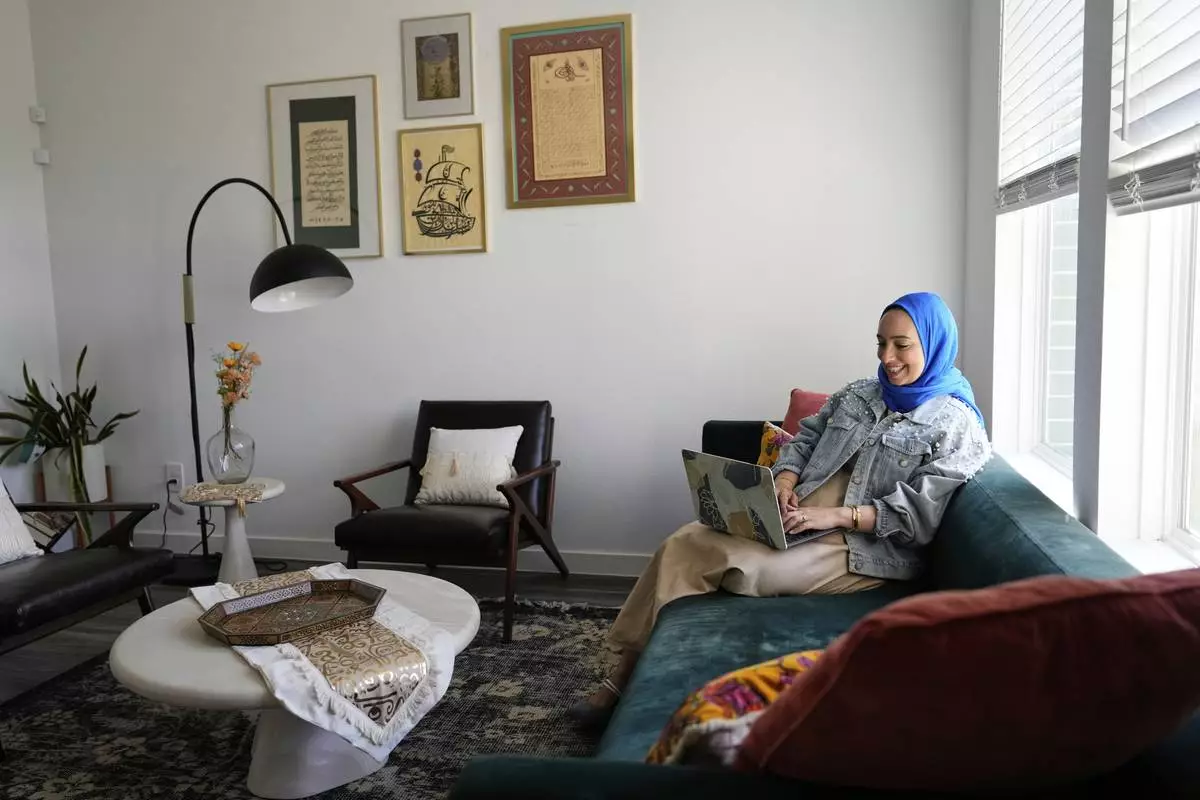
Hoda Abrahim, founder and CEO of Love, Inshallah, a matchmaker featured on the series "Muslim Matchmaker," on Hulu, works on her computer at her home on Monday, Aug. 11, 2025, in Conroe, Texas. (AP Photo/Ashley Landis)
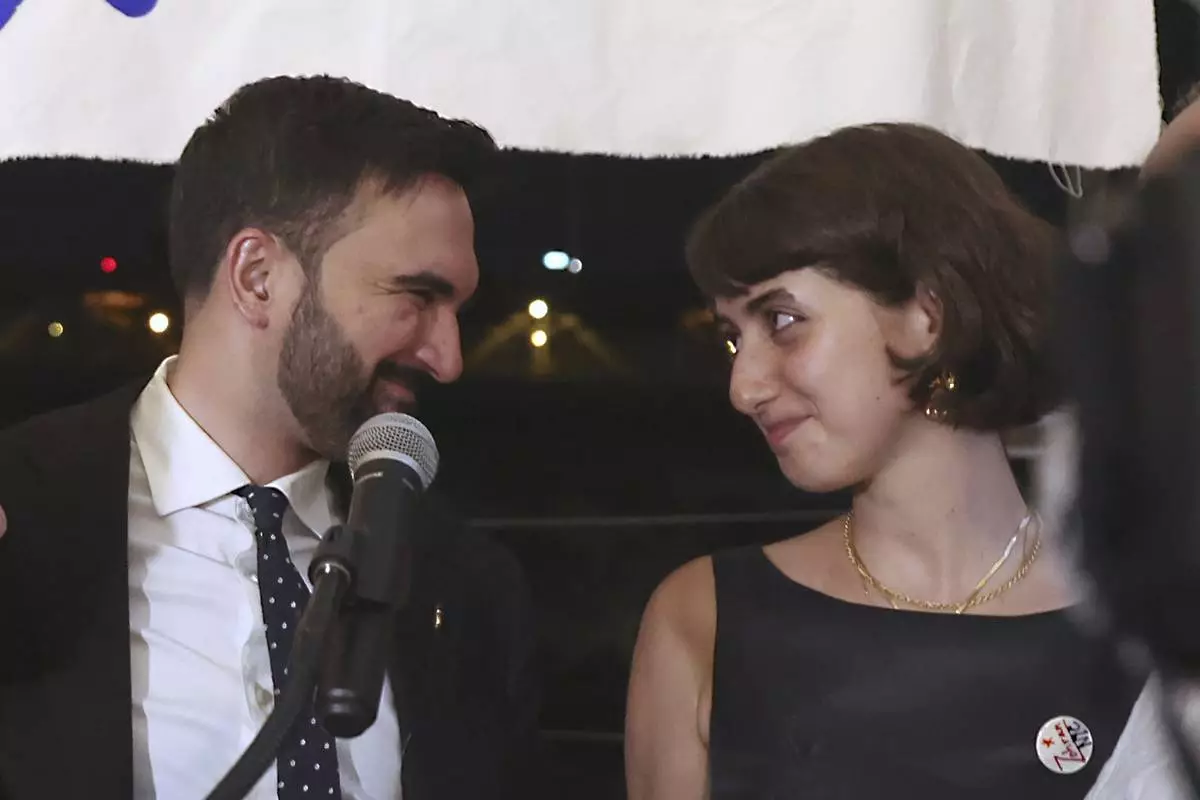
FILE - Democratic mayoral candidate Zohran Mamdani appears on stage with his wife, Rama Duwaji, right, at his primary election party, Wednesday, June 25, 2025, in New York. (AP Photo/Heather Khalifa, File)
![[Murata Manufacturing Co., Ltd.] New collaboration with Synopsys](https://image.bastillepost.com/1200x/wp-content/uploads/global/2026/06/da7ee4d6f1274bf9b8538ed33dffd4a3_Synopsys_Murata_Press_Release_3000x2000px.jpg.webp)