From Beijing to Lhasa, young lovers of Tibetan arts are trying to keep the centuries-old cultural traditions alive in their creative ways and make them more accessible to modern audiences.
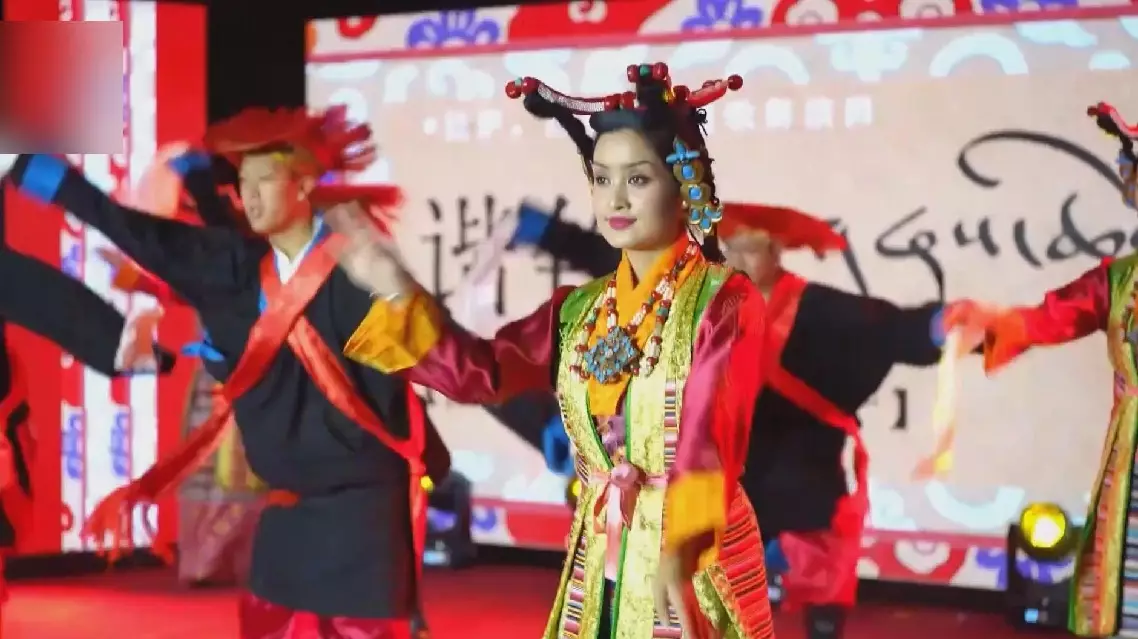
At a mini theater named Hello Xizang in Beijing, visitors can experience authentic Tibetan performing arts of opera, sgra snyan or a folk lute of the Himalayas with six strings, and dance. Many of the actors who are from across Xizang are now based in Beijing to stage regular shows. Despite being far from home, they say the enthusiasm of audiences have touched them deeply.
"After every performance, some audience members come to us specifically, telling us they are particularly fond of our traditional culture, and they feel as if seeing our snow mountains, yaks and grasslands in Xizang through our songs and dances," said Losang Zhaba, one of the theater's performers.
The theater's producer is Gesang Yangla, who was born in the 1990s and graduated with a bachelor's degree at the Beijing University while later obtaining a master's degree from Columbia University in the United States. Then she chose to return home to develop platforms for Tibetan arts.
"I am keenly interested in culture and arts. We have so many artists, cultural resources and folk artists in Tibetan areas, with many such groups and content. Yet there are too few platforms to present them. I've always believed art isn't that far as people imagined," she said.
At the historic Jebum-gang Art Center, the once landmark of the old town of Lhasa has been revitalized as a hub for exhibitions and performances. Its operations manager Cai Dongwei is a young lady born after 1995, who has chosen to stay in Lhasa for the development of Tibetan arts.
"After I came to Xizang, I actually found another identity of mine. I could believe that apart from my first identity of an inland Chinese, I'm also a local of Xizang," she said.
Across Lhasa, such initiatives are helping traditional Tibetan culture evolve through innovation and integration, drawing more youngsters to contribute their youth to keeping intangible Tibetan heritage thriving.
Youngsters inject vigor into traditional Tibetan arts