The 2025 China International Fashion Week (Autumn) closed Sunday in Beijing, with a strong spotlight on the integration of intangible cultural heritage with modern fashion.
Designers experimented with innovations such as 3D printing and plant-based transfer printing, giving traditional craftsmanship a futuristic edge with new technologies.
"By combining modern technology fabrics with 3D-printed soft sculpture, we integrate traditional Chinese culture into contemporary fashion to present the beauty of China," said fashion designer Tian Tian.
Digital creativity also emerged as a highlight, with nearly 30 young designers using AI algorithms to simulate and reinterpret intangible cultural heritage motifs. The approach enabled new forms of expression that resonated across both cultural and technological dimensions.
"Designers are working closely with intangible cultural heritage inheritors to draw inspiration from traditional Chinese colors, totems, and patterns. By merging these elements with modern techniques, we see innovative new expressions at this year's fashion week. At the same time, it helps young people better understand and connect with these intangible cultural heritage crafts that are revitalized through our designs," said Xie Fangming, vice president of the China Fashion Designers Association.
Hui women's dress, originating from coastal province Fujian and known for its distinctive conical yellow hats, floral scarves, and silver accessories, shined at the closing show on Sunday. Enlisted as China's intangible cultural heritage in 2006, Hui women's attire was deconstructed, redesigned, and integrated with modern approaches like jacquard brocade, digital printing and eco-friendly fibers at the China International Fashion Week this season.
According to organizers, among the more than 100 shows staged this year, over half of the brands and designers have chosen to highlight Chinese cultural aesthetics.
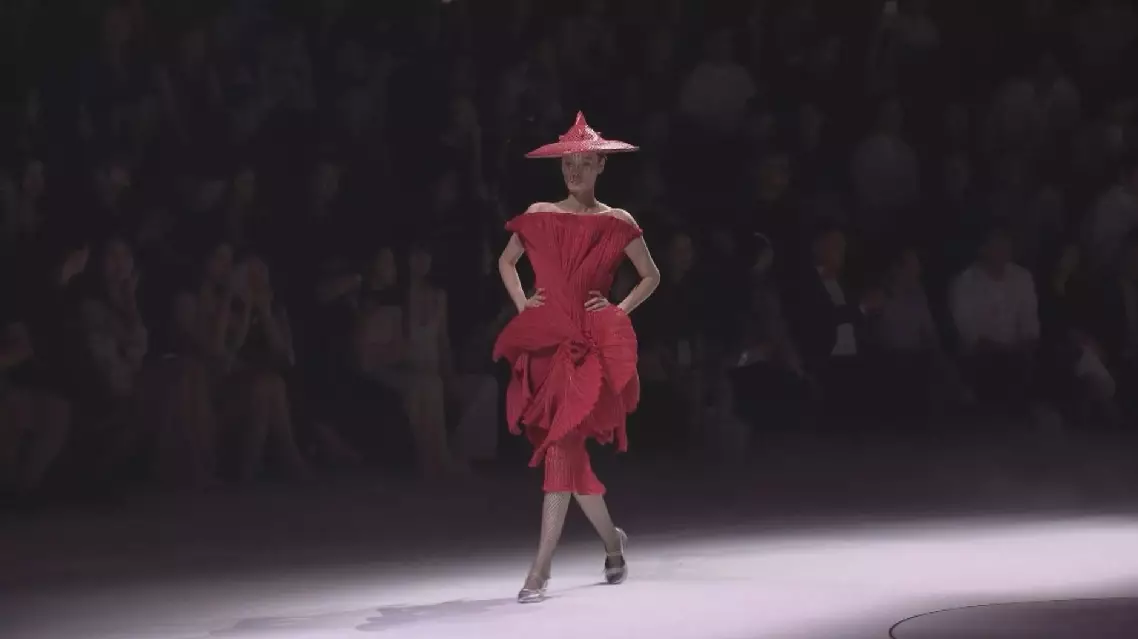
2025 China Fashion Week (Autumn) closes in Beijing