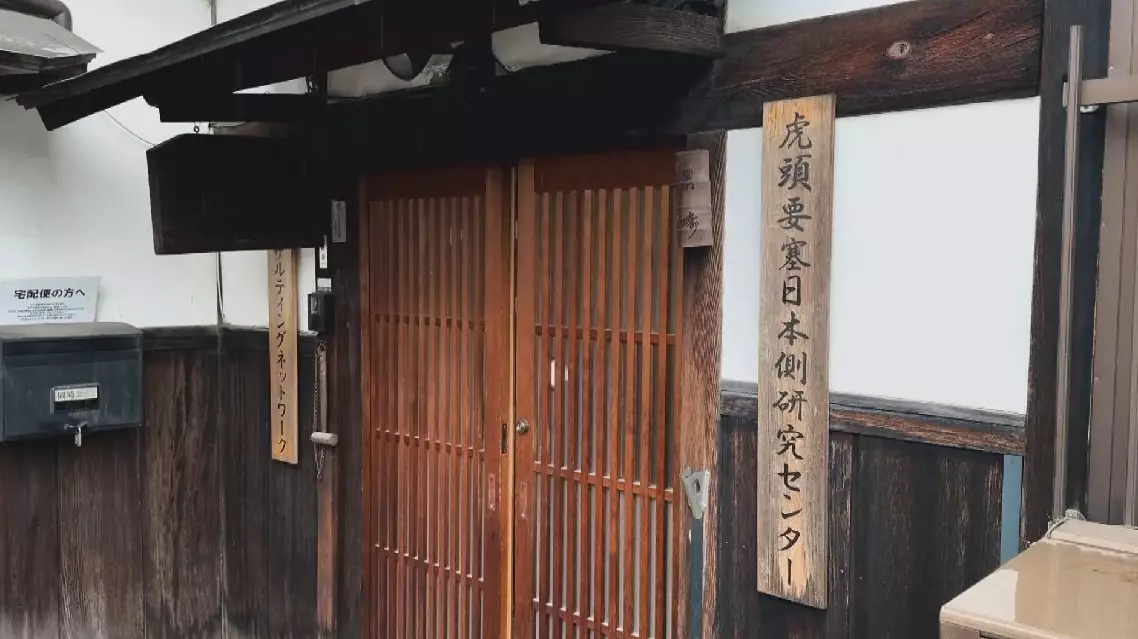
The head of a war-themed museum in Okayama Prefecture, Japan, has recently called for greater public awareness about the truth of Japan's invasion of China, highlighting the need for peace.
The Hutou Fortress is situated in Hulin City, northeast China's Heilongjiang Province. It was one of the 17 key military fortifications constructed by the Japanese army during World War II, mainly used for operations against the Soviet Union.
Tetsuo Okazaki, a former Japanese soldier who participated in the invasion of China, published a memoir titled The Secret Record of the Battle in Hutou after returning to Japan from Hutou Fortress.
Following his passing away, his son, Hisaya Okazaki, established a museum in their hometown, hoping to raise awareness about this history of aggression and promote the value of peace among the public.
Starting in 1934, the Japanese Kwantung Army forcibly recruited over a million Chinese laborers to build the Hutou Fortress. Many of these workers endured brutal conditions that led to their deaths, and some were even murdered deliberately.
"The living conditions for the laborers were very poor. The work was extremely hard, and their clothes were hard to keep them warm. Many workers were sick. Guerrilla fighters involved in anti-Japanese activities were also brought here, and the Kwantung Army treated them even more brutally. If they tried to escape, they were often executed for 'attempting to flee,'" said Okazaki.
Many laborers with disabilities were sent to Japan's notorious Unit 731 for human experimentation.
On August 9, 1945, the Soviet Far East First Front attacked the Hutou Fortress. Even after Japan officially surrendered on August 15, 1945, the Japanese Kwantung Army at Hutou Fortress kept fighting as they had not received the surrender notice.
Eleven days after Japan's official surrender, the Northeast Anti-Japanese United Army, working alongside Soviet forces, successfully captured Hutou Fortress, annihilating over 2,000 Japanese soldiers. This marked the end of World War II in this region.
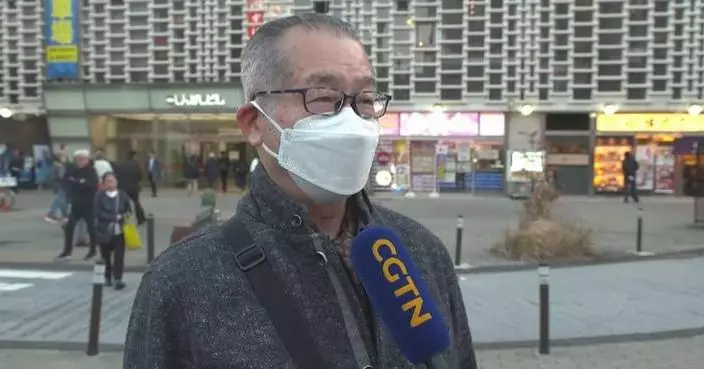
As the curator of the Hutou Fortress Peace Memorial Museum, Okazaki hopes to raise public awareness about Japan's history of aggression during World War II and the brutality of war, with the hope of preventing similar tragedies in the future.
"Japan has museums that document the history of the destruction caused by war, particularly those established by the government. However, they rarely address the history of Japan's aggression against other countries. This is a serious issue. I hope people understand that Japan not only waged wars of aggression against China, but also harmed its own citizens. I hope today's youth can develop empathy and understand the pain of the victims," he said.
Japanese curator calls for greater public awareness about truth of Japan's invasion of China