A group of young artists and technicians are bringing ancient murals in the Kizil Grottoes in northwest China's Xinjiang Uygur Autonomous Region back to life through fine painting skills and digital technology.
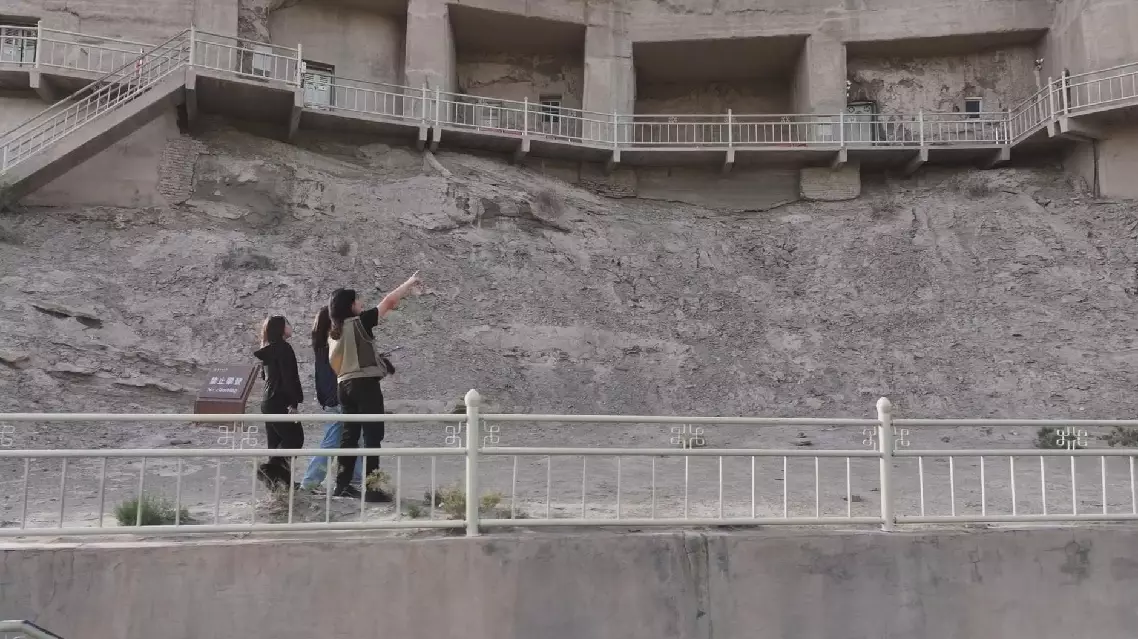
Located about 60 kilometers southeast of Baicheng County in Aksu Prefecture, northwest China's Xinjiang Uygur Autonomous Region, the Kizil Thousand-Buddha Caves have a total of 349 coded caves in existence, of which about one-third are relatively intact with many murals.
Being one of the most influential Buddhist grottoes in Xinjiang, the Kizil Thousand-Buddha Caves were built from about the 3rd century to the 8th-9th centuries. They are the earliest large-scale group of grottoes excavated in China.
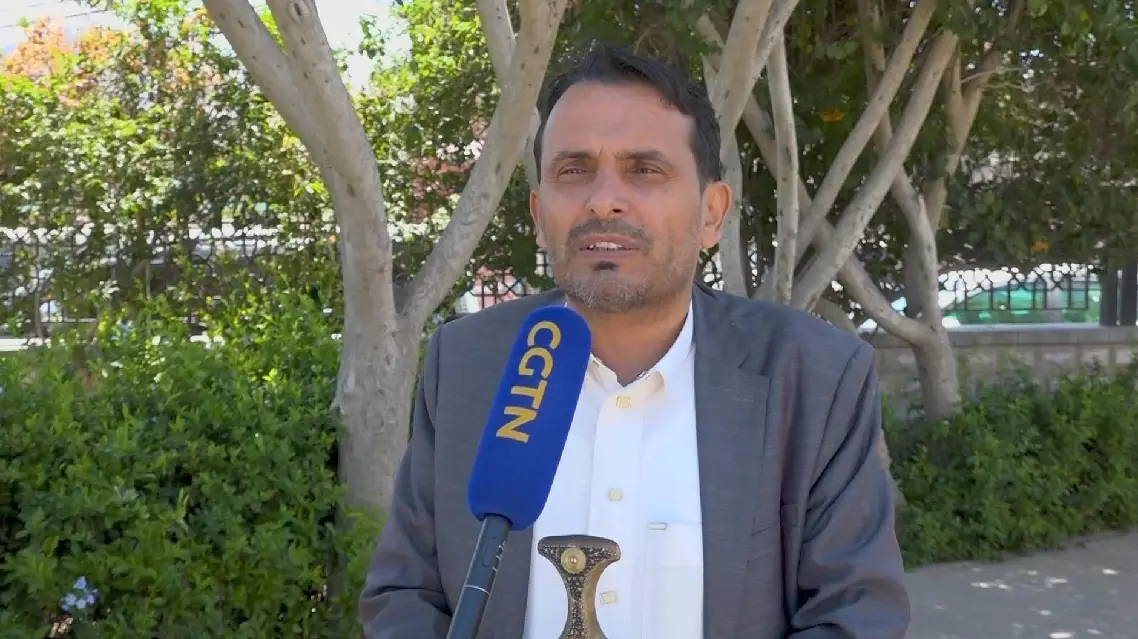
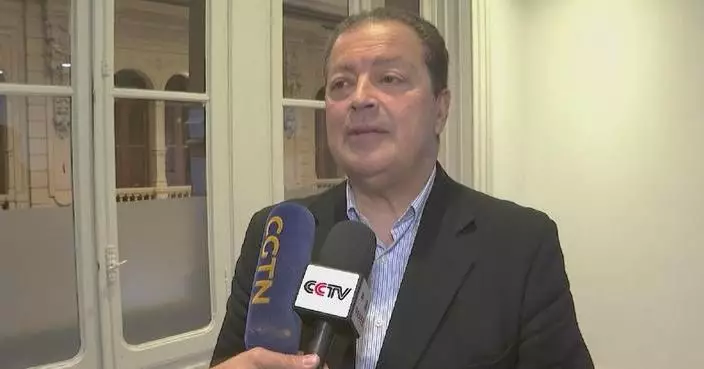
Li Yanxi, a staff member of the heritage exhibition and exchange center under the Kizil Grottoes Research Institute, said modern technologies including digitization can let more people better appreciate the cultural treasures in the mountains.
"An exhibition requires a wealth of digital information to support it. We are fortunate to showcase the research findings of our faculty, allowing more people to understand that the beauty of the Kizil Grottoes lies not only in the walls, but also in the stories behind them. Grotto art itself is an immovable cultural heritage. It is a treasure hidden deep in the mountains, yet it has been brought out. In the past people must come to the mountain to see it, but we have brought it out. The reproductions in public exhibitions are deeply moving, as they embody the charm of the Kucha artists who created these works under the circumstance of that time, " Li said.
Painter Ai Run, who works at the art department of Kizil Grottoes Research Institute, is dedicated to copying the murals in the caves. Through her professional skills, the secrets of eastern and western aesthetics elements hidden in the murals are unveiled through patterns, lines, and colors.
"We need to recreate the murals' true appearance as closely as possible. A crucial aspect of copying murals is to recreate and inherit the content itself and the culture behind them. In the process of copying, we leave the unique marks of our generation, demonstrating distinct aesthetic and artistic concepts, both inheriting the past and innovating on our own," Ai said.
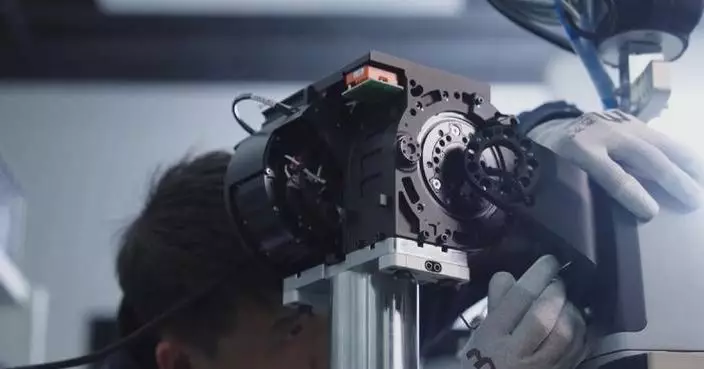
Nadiya Alimu, another staff member at the Institute, is responsible for data management. She said that digitalized data can preserve, to the greatest extent possible, every detail of the cultural heritage and make possible their even longer preservation.
"As more young people come to work in this field, digitization became the order of the day. It allowed existing artifacts to be preserved for a long time, with every detail crystal clear. The digitalized data wouldn't disappear; but will remain here forever. The young people's new ideas, new preservation methods, and new technologies are injecting new vitality. We've always talked about keeping culture alive, and to keep it alive, we need fresh power," she said.
Young researchers preserve mural culture via digital technology