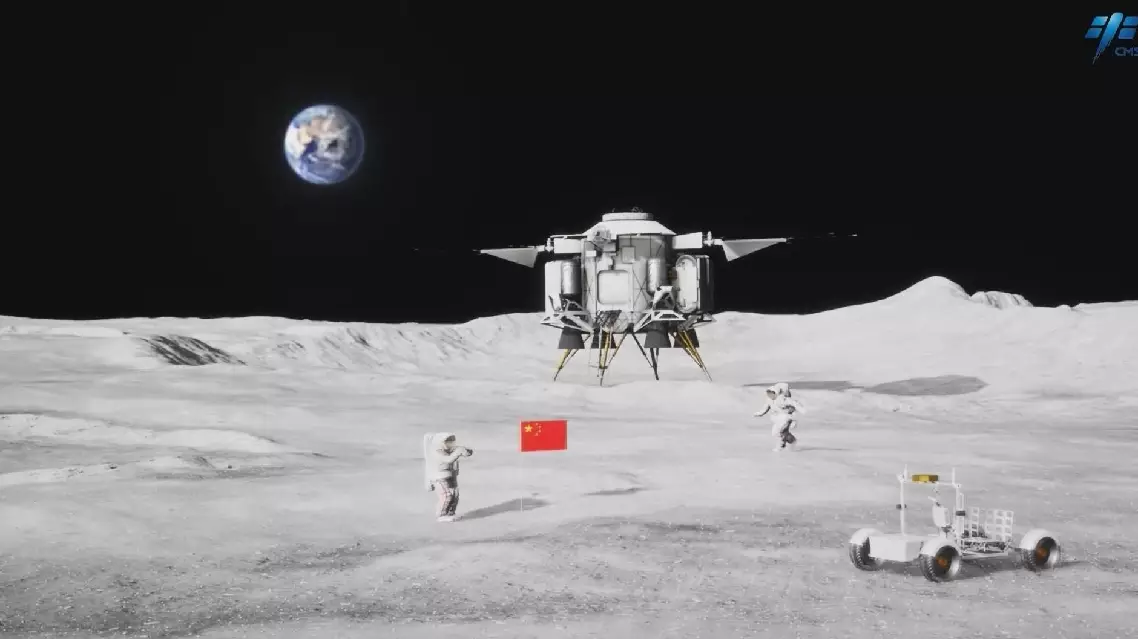
China has achieved a new milestone in its manned space program, with the country's first international standard project being officially registered by the International Organization for Standardization (ISO).
This represents China's first successful international standard in the field of manned spaceflight and a breakthrough in global space rule-making.
According to the China Manned Space Agency (CMSA), the project - ISO/NP 14620-5 "Space Systems - Safety Requirements - Part 5: Manned Spacecraft" - was proposed by China's National Technical Committee on Manned Spaceflight Standardization.
Based on extensive research and by drawing on advanced international safety technologies and methodologies, the standard incorporates more than 30 years of safety experience from China's manned space program, according to the CMSA.
It provides unified technical guidance and models for manned spacecraft safety applicable to all countries, setting out safety access conditions for participation in manned space activities.
Serving as the safety baseline and threshold for ensuring safety in manned space missions and developing related systems and payloads, the standard is also expected to facilitate international cooperation on China's space station.
China's first int'l standard in manned spaceflight marks breakthrough in global rule-making
The International Energy Agency (IEA) said on Wednesday that oil reserves in members of the Organisation for Economic Co-operation and Development (OECD) had fallen by a cumulative 163 million barrels since the outbreak of the Middle East conflict, reaching their lowest level since December 1990.
According to the IEA's latest Monthly Oil Report, global observed oil stocks have fallen by an average of 3.8 million barrels per day (mb/d) since the start of the Middle East conflict, including a draw of 143 million barrels in May, mainly due to accelerated releases of emergency stocks.
The report said the memorandum of understanding due to be signed by the United States and Iran this week was an important step toward easing regional tensions and could pave the way for reopening the Strait of Hormuz and lifting the U.S. blockade on Iranian oil traffic.
The IEA forecast global oil supply to fall by an average of 3.9 mb/d in 2026 to 102.4 mb/d, before rising by 8 mb/d in 2027 to 110.3 mb/d. However, unresolved issues, including mine clearance in the Strait of Hormuz and transit arrangements, mean operational and political risks could still weigh on the pace of supply recovery.
The agency said a significant supply overhang could emerge next year. Global oil demand is projected to rise by a relatively modest 2 mb/d to 105.3 mb/d, while supply is expected to increase by about 8 mb/d to 110.3 mb/d.
The surplus could ease market pressures and allow countries to replenish depleted inventories or build strategic reserves as they reassess energy policies in response to the crisis, the IEA said.
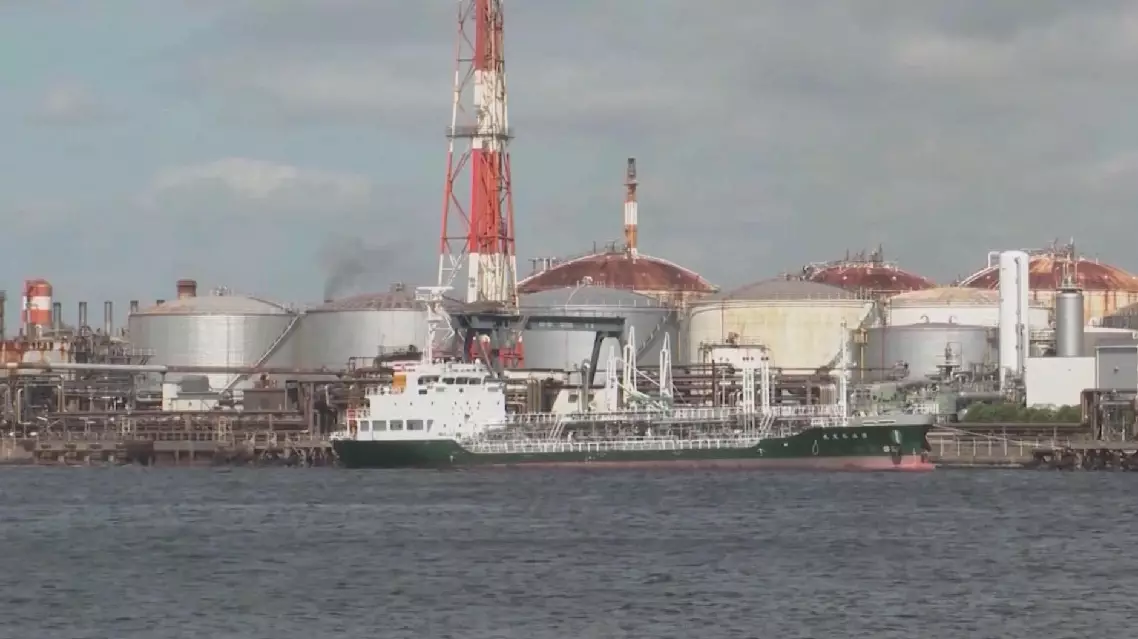
IEA says OECD oil stocks fall to lowest since 1990