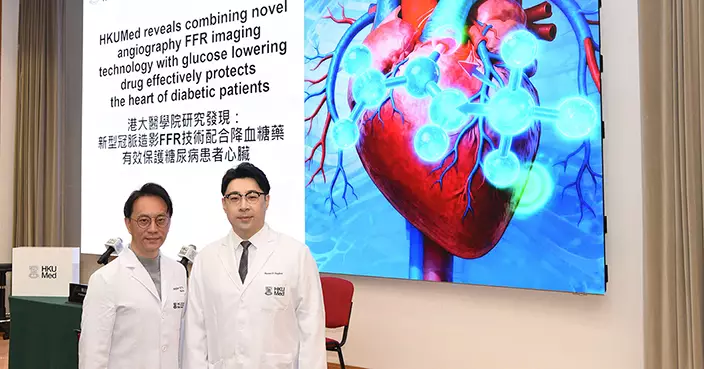
A world's most comprehensive meta-analysis in depression and mortality, led by the Department of Psychiatry at the School of Clinical Medicine, LKS Faculty of Medicine at the University of Hong Kong (HKUMed), has found that people with depression have twice the risk of death than those without depression, and a nearly 10-fold increased risk of suicide. However, timely and effective treatment can significantly reduce these risks and improve survival rates. This study analysed data from 268 cohort studies, covering over 10 million people living with depression and nearly 2.8 billion controls, making it the largest research of its kind to date. The findings were published in the international journal World Psychiatry link to the publication.
Increased mortality and a 10-fold higher suicide risk
The large-scale research examined data from over 10 million people living with depression across multiple regions, including the United States, the United Kingdom, China (including Hong Kong), Singapore and Korea. The results revealed that individuals with depression exhibit a significantly elevated mortality risk compared to non-depressed individuals, with a nearly 10-fold increase in the risk of suicide. Depression also raises the risk of death from various physical diseases, such as heart disease, diabetes, neurological disorders, endocrine diseases and cancer.
'Depression is associated with a wide range of natural causes of death, possibly due to common underlying factors such as unhealthy lifestyle habits, including smoking, physical inactivity, unhealthy diet, poor self-management of health conditions and non-adherence to treatments,' said Professor Chang Wing-chung, Chairperson and Clinical Professor of the Department of Psychiatry, School of Clinical Medicine, HKUMed. ‘These factors increase the risks of physical diseases and may also worsen depression management, further elevating mortality risk.'
Highest mortality rates within the first 180 days after diagnosis: early intervention is key
The research team found that mortality risk among people with depression fluctuates markedly in the five years after diagnosis. The mortality risk was the highest within the first 180 days after diagnosis, and the risk was 11 times higher for individuals with depression than for those without depression, highlighting the importance of early intervention. Among subtypes, individuals with psychotic depression had a 61% higher mortality risk than those with non-psychotic depression, and those with treatment-resistant depression had a 27% higher mortality risk. Age and gender also affect mortality risk. For example, among women under 25 with depression, the overall mortality risk was six times higher than that of their non-depressed peers. The suicide rates were increased for those under 25 and over 60, with the risk 10-fold and 13-fold higher, respectively.
Impact of treatment on mortality risk
The study found that appropriate treatment significantly reduces mortality among individuals with depression. For instance, the use of antidepressant medication lowered overall mortality risk by approximately 20%. Among those who received neurostimulation-based treatment (electroconvulsive therapy), mortality risk was reduced by nearly 30%. For patients with coexisting physical illnesses, antidepressant treatment appeared even more beneficial, lowering mortality risk by up to 30%.
'These findings show that depression is not merely a mental health issue, but a major public health concern closely linked to serious health risks,' added Professor Chang. 'While depression increases the risk of suicide and death from physical diseases, it is a treatable condition, and there are clear opportunities for prevention and intervention. Timely and appropriate treatment can save lives.'
Call to recognise depression and act early
Depression affects more than 332 million people globally (approximately 4% of the total population), with profound implications for both mental and physical health. The research team urges the public, healthcare professionals and policymakers to jointly address the seriousness of depression and strengthen efforts in early identification and intervention.
Professor Chang emphasised, ‘Regardless of the regional or development context, depression remains a heavy societal burden, affecting the quality of life of those suffering from the condition and their families and the broader economy. There is an urgent need for global collaboration to tackle this issue. We hope to remind all sectors that early identification, sustained treatment and integrated support are crucial for helping people with depression recover and live longer, healthier lives. With timely and appropriate support—whether through medication, psychotherapy or neurostimulation—patients can improve their quality of life and significantly reduce their overall mortality risk.'
About the research team
The study was led by Professor Chang Wing-chung, Chairperson and Clinical Professor, Department of Psychiatry, School of Clinical Medicine, HKUMed. The first author was Dr Joe Chan Kwun-nam, Postdoctoral Fellow in the same department. Other team members included Dr Heidi Lo Ka-ying and Dr Eric Lai Tsz-him, Clinical Assistant Professors from the same department; Dr Corine Wong Sau-man, Research Assistant Professor from the School of Public Health; and other leading international scholars.
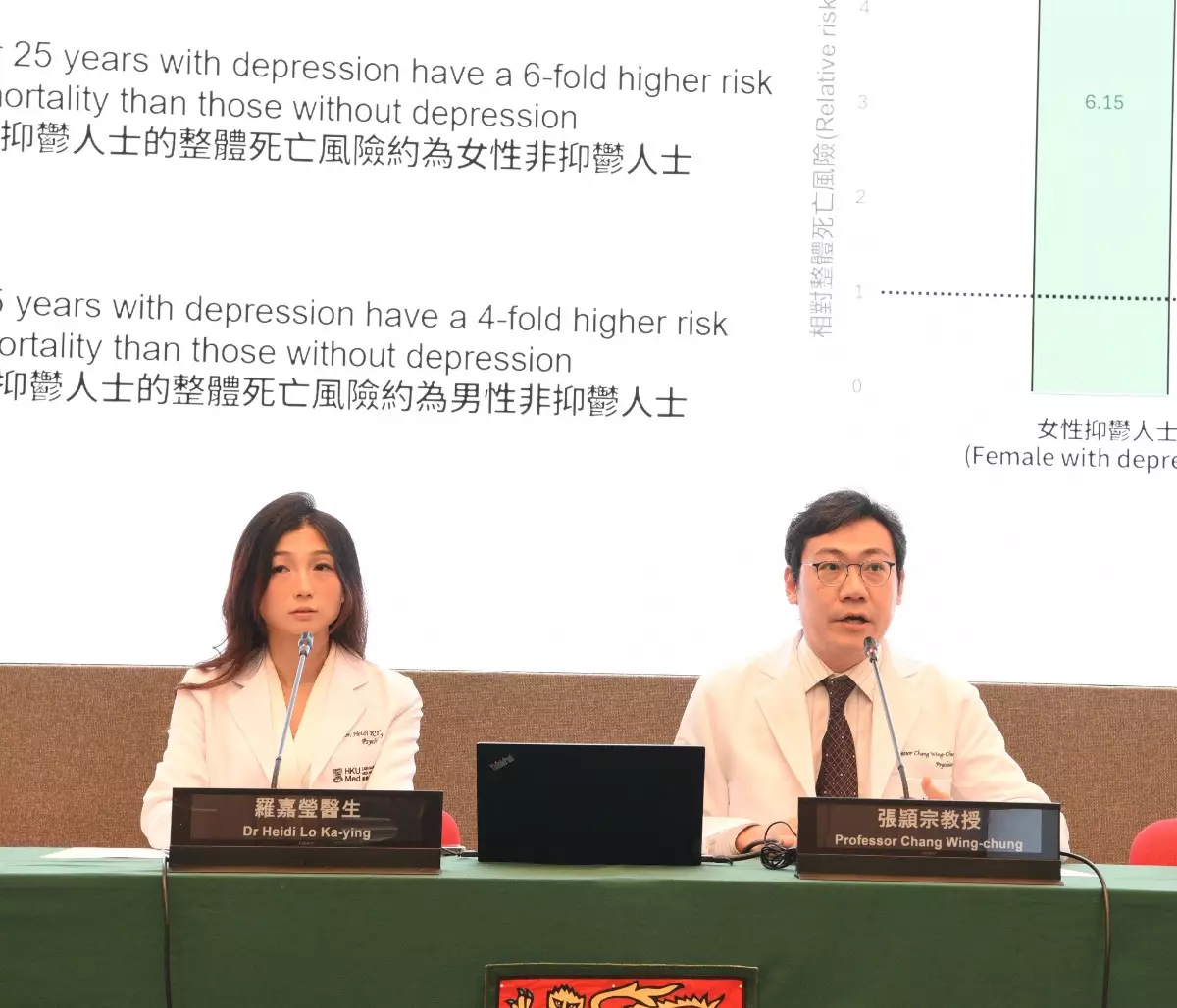
Professor Chang Wing-chung (right) remarks that depression is not just a mental health issue but a major public health concern closely linked to serious health risks. It is a treatable condition, and timely and appropriate treatment can save lives.
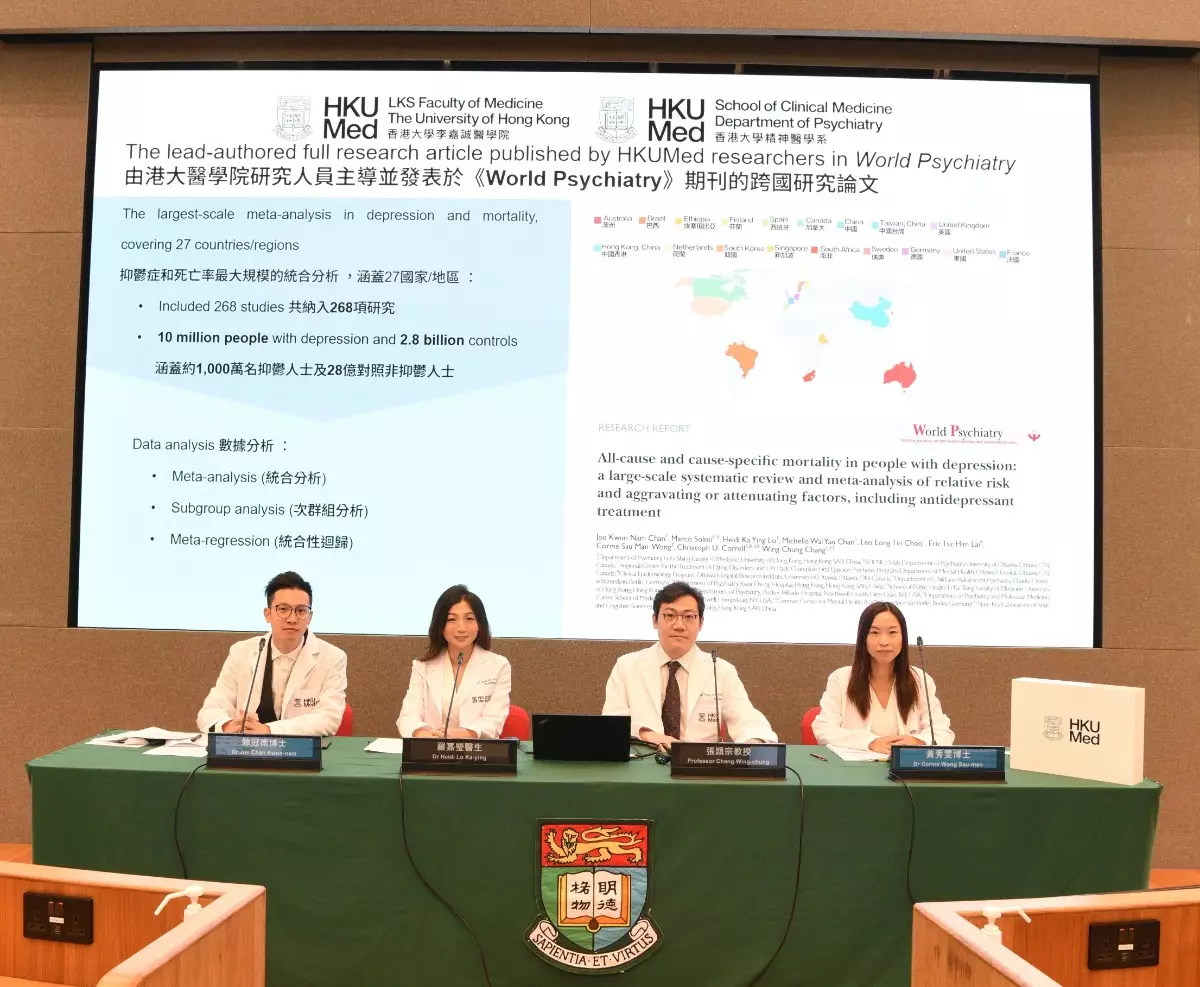
HKUMed has led the world’s largest meta-analysis on depression and mortality. The research team members include (from left) Dr Joe Chan Kwun-nam, Dr Heidi Lo Ka-ying, Professor Chang Wing-chung and Dr Corine Wong Sau-man.
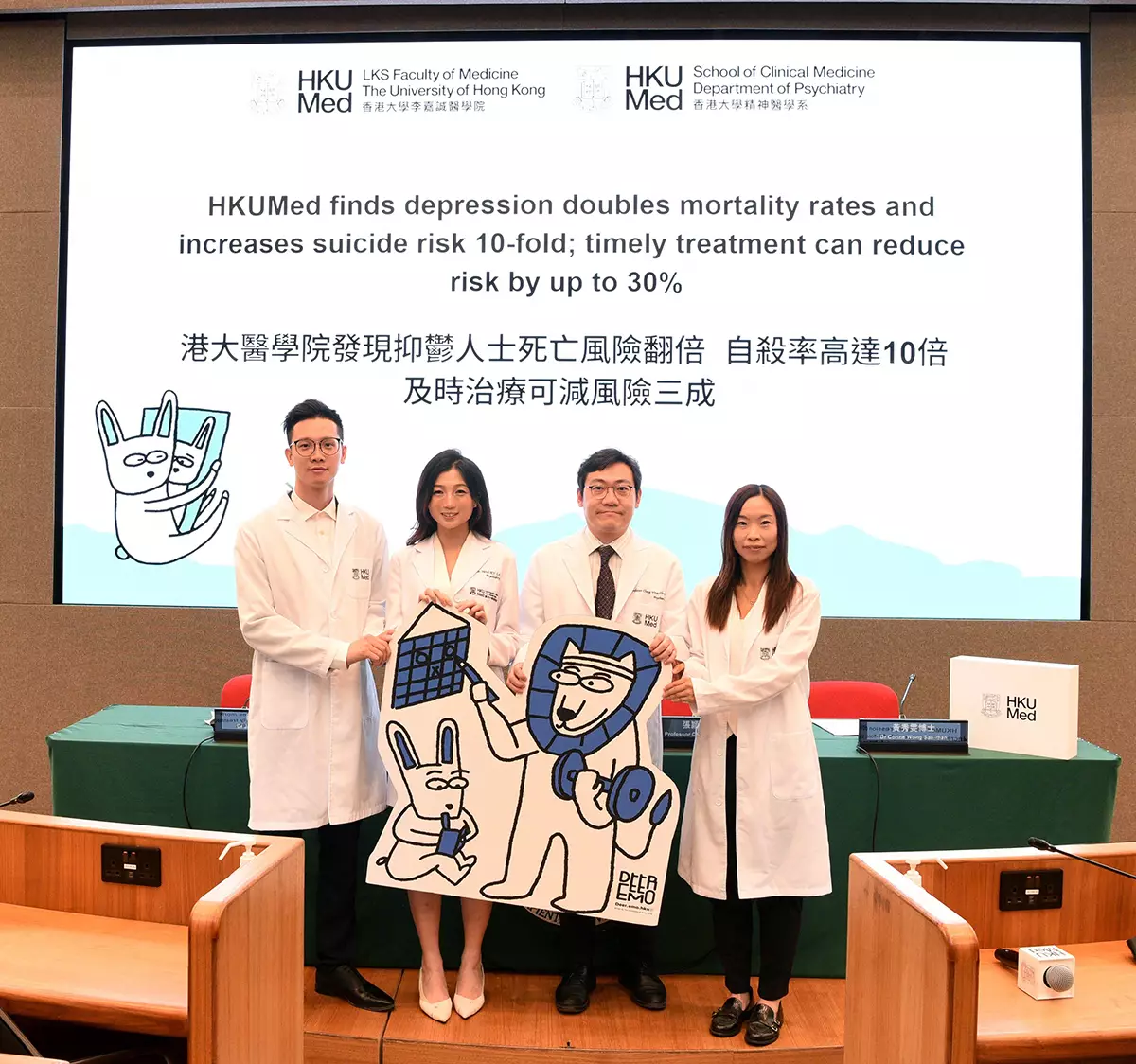
HKUMed has led the world’s largest meta-analysis on depression and mortality. The research team members include (from left) Dr Joe Chan Kwun-nam, Dr Heidi Lo Ka-ying, Professor Chang Wing-chung and Dr Corine Wong Sau-man.
Two headline-grabbing, deadly domestic violence cases, one in Louisiana and the other in Virginia targeting Black mothers, have sparked a national conversation about domestic violence prevention resources and mental health care available to Black communities.
Many advocates in the aftermath of the deadly shootings have said the tragedies pointedly highlight troubling underlying trends where Black women are more likely to experience domestic violence — and they see the killings as an opportunity to confront how disparities in access to care and resources make some women and children more vulnerable to violence in the home.
On Sunday morning, a man police identified as Shamar Elkins fatally shot seven of his children and another child in Shreveport, Louisiana. A relative has said Elkins was in the midst of separating from his wife who was wounded.
And last Thursday, police found the bodies of former Virginia Lt. Gov. Justin Fairfax and his estranged wife, Dr. Cerina Fairfax, in their suburban Washington, D.C., home. Justin Fairfax shot his estranged wife and then himself, and their two children in the home at the time were unhurt, police said. Like Elkins, Fairfax was in the process of separating from his wife and had faced a judge's upcoming deadline to move from the house.
While it's not clear what prompted the Shreveport killings or the apparent murder-suicide in Annandale, Virginia, experts say that the harrowing details of the killings echo familiar patterns that play out in homes across the country — and underscore the need for solutions that address the root causes of the disparate violence.
Sunday wasn’t the first time that Elkins’ family had suffered from gender-based gun violence: Shaneiqua Elkins and the other woman who was shot, Keosha Pugh, were sisters, and lost their mother to gun violence when they were under age 10, according to their uncle Lionel Pugh.
“It’s sad. It just breaks you down," Pugh said.
Shreveport Councilman Grayson Boucher said at a news conference Monday that the Louisiana killings were emblematic of “a true epidemic of domestic violence" across the small southern city of roughly 180,000 people.
Those trends go well beyond Shreveport as experts have pointed out how both race and gender make Black women in particular more vulnerable to domestic violence.
More than four in 10 Black women experience physical violence from an intimate partner during their lifetimes — a much higher rate than women who are white, Hispanic, Asian or Pacific Islander — according to a 2014 study by the Centers for Disease Control.
Paméla Tate is the executive director of Black Women Revolt, which runs programs to prevent abuse and offers survivors' resources. She said a logical skepticism about police and government child services agencies based on a history of institutionalized racism makes Black women reluctant to seek help — and especially vulnerable to domestic violence.
Additionally, Black women are two times more likely to be murdered by men than their white counterparts, according to a 2025 study published by the Violence Policy Center, based on federal government data from 2023. Those men are more often than not familiar to their victims, according to the study, which found that more than nine in 10 Black female victims knew their killers, with the majority of those killings being carried out with guns.
Ultimately, Tate said, “domestic violence doesn't see color," and is primarily driven by the prevalent belief among men — across racial demographics — that women are subjects or property.
“Domestic violence is about exerting power over someone that you profess to love and controlling their behavior,” Tate said.
There has been intense speculation about the role that mental health crises might have played in both shootings.
A relative of Elkins' wife told The Associated Press that Elkins had voluntarily checked into a Department of Veterans Affairs hospital in January for about a week and a half for mental health help.
In Virginia, Justin Fairfax was a rising star in the Democratic Party until two women accused him of sexual assault, casting doubt on his trustworthiness as a political leader. The former lieutenant governor's “mental and emotional health” suffered before he killed his wife and himself, according to court documents, which say he drank heavily and withdrew from his family after the allegations were made public in 2019.
Adult and child psychiatrist Christine Crawford hasn’t examined the killings in Shreveport or Annandale, but said financial troubles, marital issues and problems at work — in addition to underlying mental health vulnerabilities — can lead someone to “crack."
“It makes some think about the amount of pain, distress and hopelessness they found themselves in at that time,” said Crawford, who practices at the Webster Clinic in Boston and is interim chief medical officer at the National Alliance on Mental Illness.
She noted many Black people find themselves priced out of programs and care for mental health for such reasons as private care costs and a lack of insurance.
That level of desperation can make some people feel “completely out of options on how to deal with the pain he was in at that moment," Crawford said. T
Some have said that there are social dimensions to these economic trends, too.
“Mental health disparities in the Black community is not accidental,” said University of Michigan Social Work Professor Daphne C. Watkins. “They are the predictable result of structural racism” in schools, employment and other aspects of society.
Watkins, founder of the YBMen Project which provides young Black men with a safe place to discuss their mental health, manhood and social support, said studies show that 10% of Black adults experience moderate to severe depression, while 18% experience anxiety disorders.
But Black men tend to forego mental health treatment due to cultural expectations, in addition to costs, said Watkins. Without an outlet, stressors from family, work and relationships can pile up.
“For a long time, in the Black community, we didn’t talk about anxiety. Now, you have to talk about it hand in hand along with depression.”
Others have emphatically said that mental health is not an excuse for domestic violence.
“To say they’re mentally ill, that doesn’t cut it,” Tate said. “There are people who are depressed or people who have schizophrenia and don’t harm the their partners, much less kill them.”
Shaneiqua Elkins and Cerina Fairfax could have been struggling with mental health challenges too, Tate added, and they both “had the same access or ability to go and purchase a gun” but chose not to.
“The mental illness is not what we’re talking about here,” she said.
Associated Press writer Sophie Bates contributed in Shreveport, Louisiana.

Fairfax County coroners, with two bodies in the van, prepare to leave the home of former Virginia Lt. Gov. Justin Fairfax, in Annandale, Va., Thursday, April 16, 2026. (AP Photo/Cliff Owen)
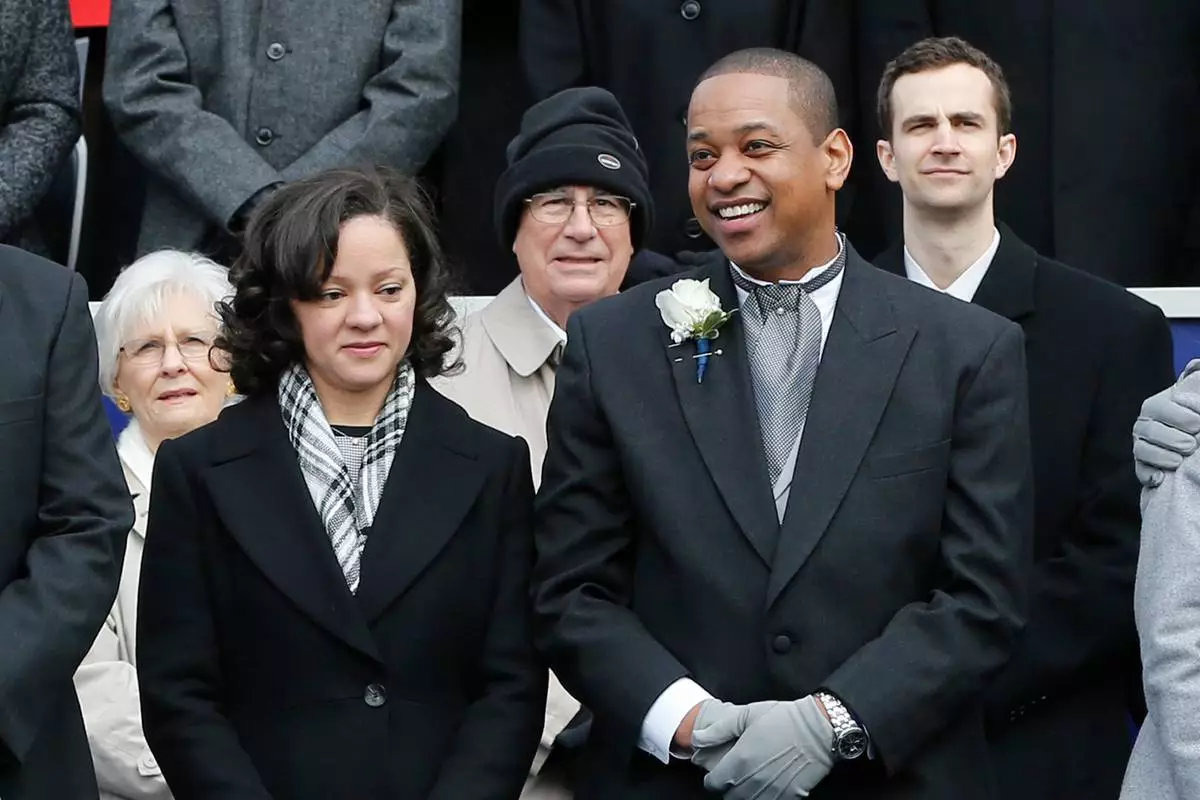
FILE - Lt. Gov. Justin Fairfax, right, and his wife, Cerina, at the inauguration of Gov. Ralph Northam at the Capitol in Richmond, Va., Saturday, Sept. 13, 2018. (AP Photo/Kevin Morley, File)
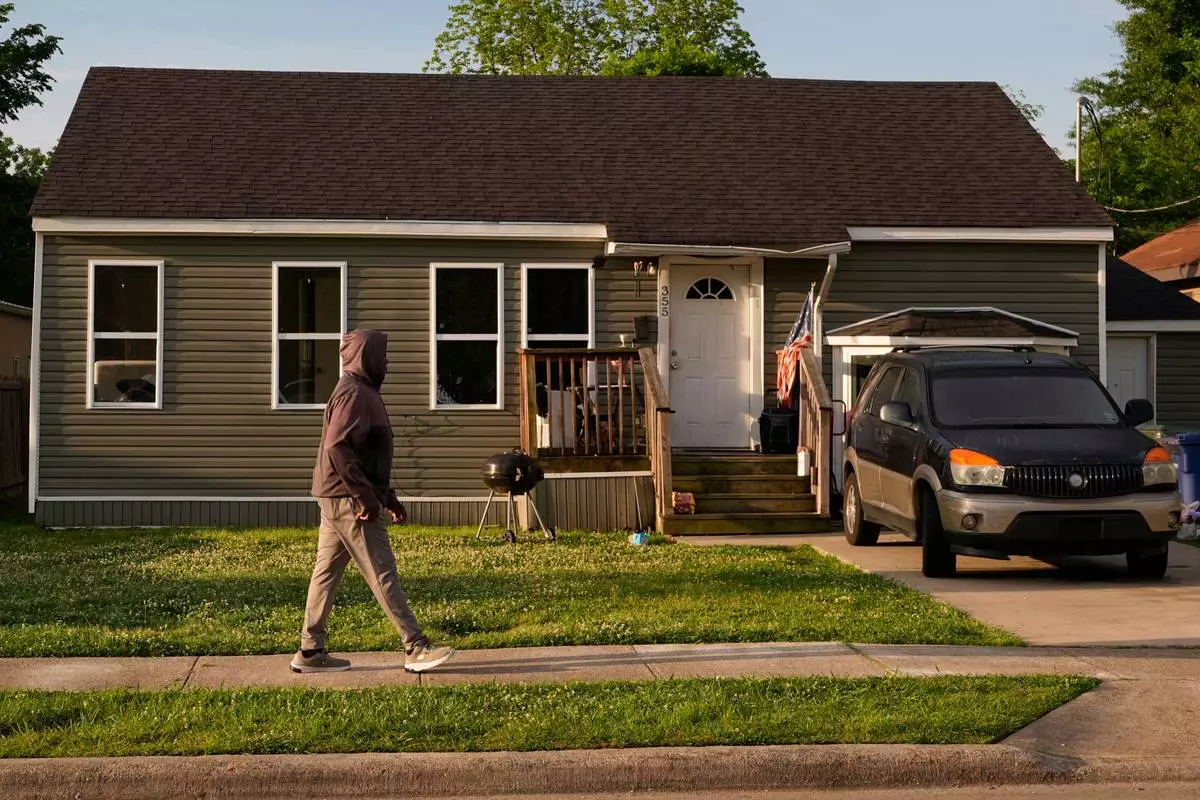
A person passes the home where a mass shooting occurred the day before in Shreveport, La., Monday, April 20, 2026. (AP Photo/Gerald Herbert)
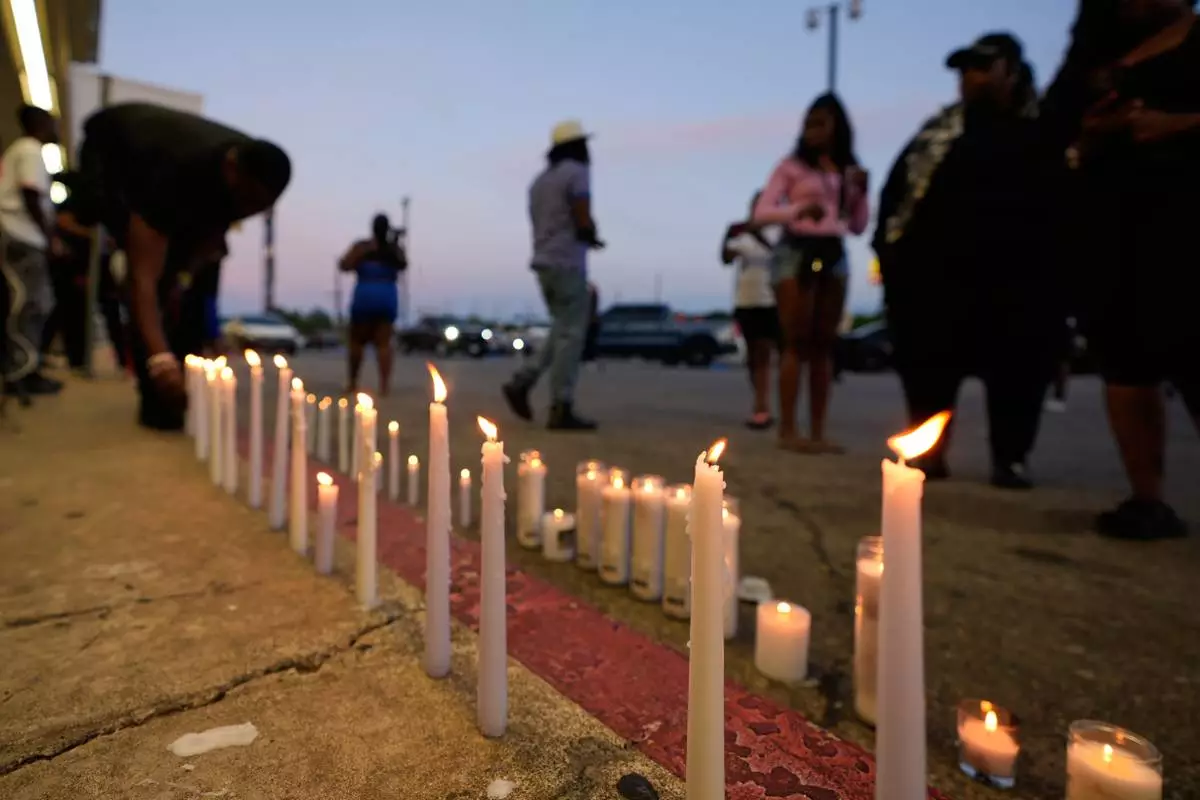
A man lights a candle during a prayer vigil for the victims of a mass shooting earlier in the day, Sunday, April 19, 2026, in Shreveport, La. (AP Photo/Gerald Herbert)