Guided by the goals of carbon peaking and carbon neutrality, China aims to intensify efforts to advance the green transformation of key industries and the low-carbon transition of its energy structure during the 15th Five-Year Plan (2026–2030), a senior official said on Friday.
Zheng Shanjie, head of the National Development and Reform Commission, made the remarks at a press conference in Beijing, stressing that measures will be taken in four areas.
"First, we will accelerate the establishment and implementation of a dual-control system for both the volume and intensity of carbon emissions. China previously had a dual-control system for energy consumption and is now shifting comprehensively to a dual-control system for carbon emissions. This serves as the guiding principle for a comprehensive green transition," said Zheng.
The recommendations of the Communist Party of China (CPC) for the 15th Five-Year Plan proposed the steady implementation of systems including local carbon assessments, industry carbon controls, corporate carbon management, project carbon evaluations, and product carbon footprints, while establishing a comprehensive system of incentives and constraints covering all relevant entities, Zheng added.
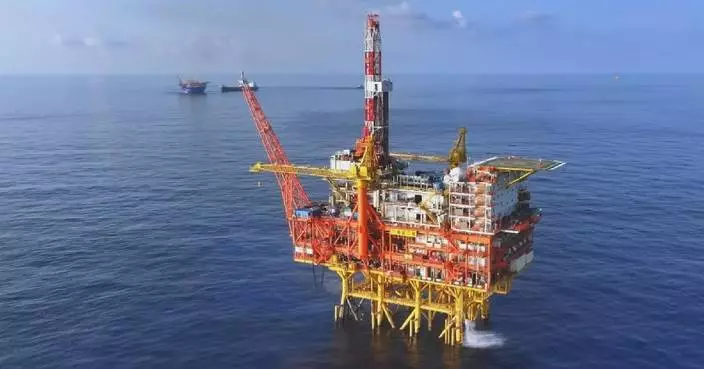
"Second, we will accelerate the green and low-carbon transformation of the energy sector. This is the key to a comprehensive green transition. We will expedite the development of a new energy system, ensuring that by the end of the 15th Five-Year Plan period, the vast majority of new electricity demand will be met by increased clean energy generation," said Zheng.
The official outlined three key tasks, including intensifying non-fossil energy development, advancing the clean and efficient use of fossil energy, and accelerating the development of a new power system.
"The third aspect is to accelerate the green and low-carbon transformation of industrial structures, which will essentially improve the quality of China's economy by making industries greener," said Zheng.
On the one hand, China will accelerate the development of green and low-carbon industries. According to estimates, the country's green and low-carbon industries currently have a scale of approximately 11 trillion yuan, with the potential to double or even grow more significantly over the next five years. China's goal of establishing around 100 national-level zero-carbon industrial parks will also create enormous development opportunities for green and low-carbon industries, he said.
On the other hand, efforts will be made to advance energy conservation and carbon reduction in key industries, implement targeted initiatives in sectors such as steel, nonferrous metals, and petrochemicals. China's goal is to save more than 150 million tons of standard coal equivalent, which will reduce carbon dioxide emissions by approximately 400 million tons, Zheng added.
"Fourth, we will accelerate the green and low-carbon transformation of production and lifestyles. This is closely related to each and every one of us and forms the foundation of comprehensive green transformation," he said.
In production, China will deepen clean production practices, implement large-scale equipment upgrades, and vigorously develop a circular economy. By 2030, the country aims to achieve an annual utilization rate of approximately 4.5 billion tons for bulk solid waste. It will also accelerate energy-efficient retrofits of buildings and municipal facilities, while increasing the proportion of bulk cargo transported by rail and waterways, said Zheng. In daily life, the country will carry out green and low-carbon campaigns to vigorously advocate for saving food, water, and electricity, and for implementing household waste sorting. Efforts will also be made to actively promote green and low-carbon lifestyles and products, so as to build a beautiful China through sustainable living, said the official.
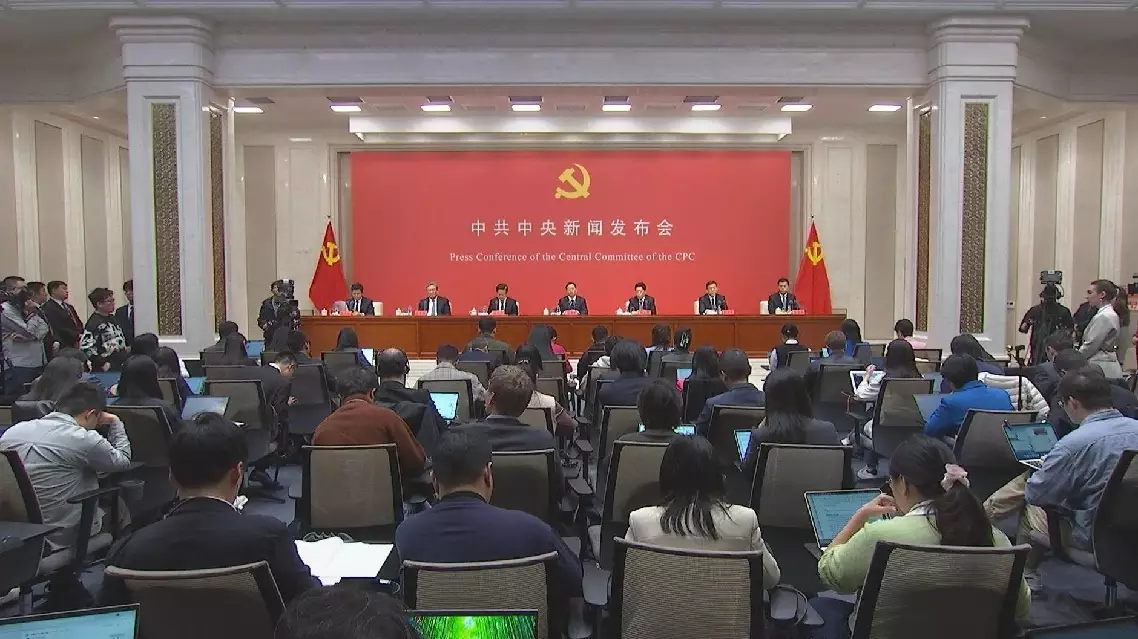
China to intensify green transformation, low-carbon energy transition from 2026 to 2030: senior official