China's capital market made outstanding contributions to channeling investment into real economy with initial public offerings (IPOs) on the A-share market heading for a rebound in the first three quarters of 2025, further nurturing the country's sci-tech advancement. In the first nine months, 78 new IPO companies went public on the A-share market, raising a total of over 77 billion yuan (about 10 billion U.S. dollars), up over 60 percent year on year. Over 90 percent of these newly listed companies are engaged in strategic emerging industries.
From January to August this year, listed companies disclosed a total of 152 transactions of major asset restructuring, 2.5 times that in the same period last year. The exchange market issued 601.9 billion yuan of sci-tech innovation bonds, a year-on-year increase of 57 percent.
By the end of August, national-level "little giant" enterprises accounted for 53 percent of listed companies on the Beijing Stock Exchange, and advanced manufacturing companies took up about 40 percent of those listed on the "new third board," a financing platform designed for small and medium-sized enterprises (SMEs).
"Little giants" refer to the novel elites of China's SMEs that are engaged in manufacturing, specialize in a niche market and boast cutting-edge technologies.
Financial regulators have been steering private equity and venture capital funds to early-stage, small-scale, long-term, and hard-tech investments to meet the financing needs of sci-tech companies at different stages of their lifecycle.
Private equity and venture capital funds invested in 90 percent of firms listed on the country's Nasdaq-style Science and Technology Innovation Board (STAR Market) and the Beijing Stock Exchange, and over half of those listed on the ChiNext board, China's Nasdaq-style board for growth enterprises, serving as an incubator and propeller.
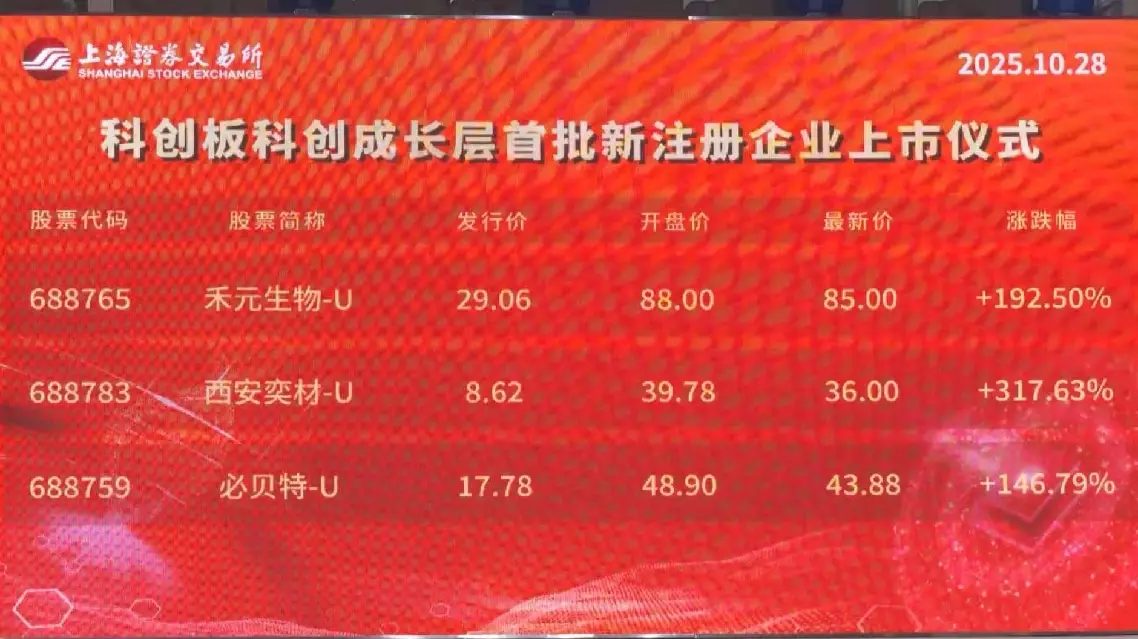
China's capital market bolsters real economy, sci-tech innovation