Skip to Content Facebook Feature Image

China unveils 10 new policies to improve entry-exit services

China

China

China

China unveils 10 new policies to improve entry-exit services

2025-11-03 16:47 Last Updated At:17:07

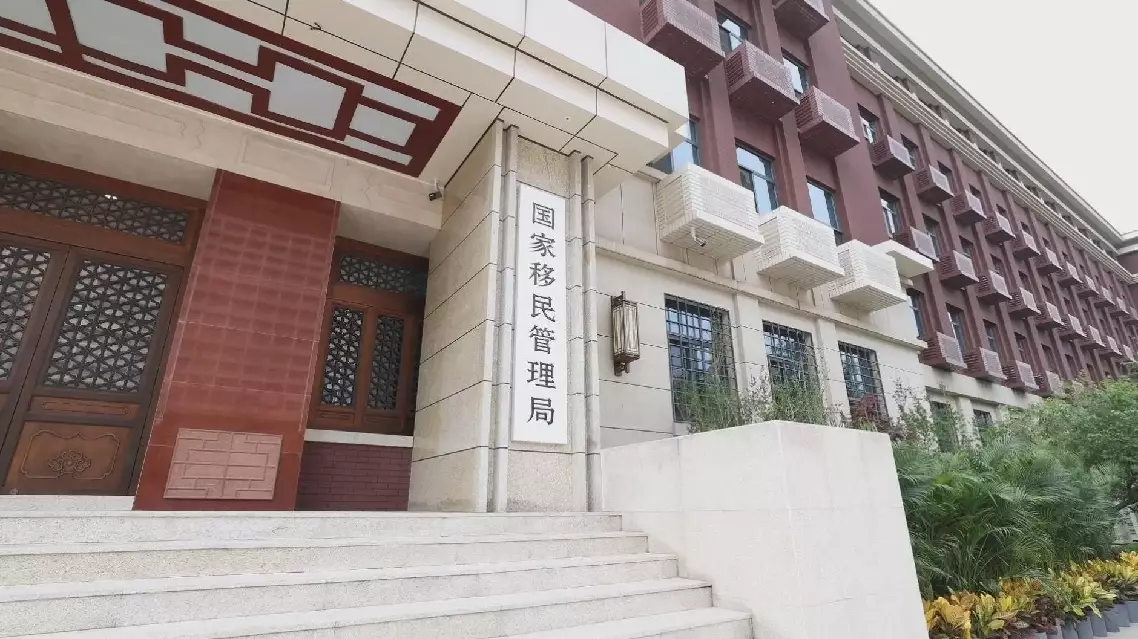
China's National Immigration Administration on Monday unveiled 10 new measures to improve exit and entry services.

The new policies include expanding the pilot travel endorsement program for talents to travel between the Chinese mainland and Hong Kong or Macao special administrative regions.

Starting Nov 5, the program, previously available to talents only in Beijing, Shanghai, and the Guangdong-Hong Kong-Macao Greater Bay Area, will be extended to the Yangtze River Delta region, the Beijing-Tianjin-Hebei region, and all pilot free trade zones nationwide.

Mainland professionals eligible for the policy can apply for a travel endorsement for multiple entries to Hong Kong and Macao, valid for one to five years, with each stay in the two SARs limited to no more than 30 days.

Another measure allows mainland residents to apply for family visit permits to the Taiwan region from anywhere in the country. Starting Nov 5, mainland residents planning to visit relatives in Taiwan can submit their application to any exit-entry administration office at or above the county level, following the same procedures as in their place of household registration.

The new policies also expand facial recognition-based clearance at ports connecting the mainland with Hong Kong, Macao, and Taiwan. Starting Nov 5, the system, which is already in use at the Shenzhen Bay and Gongbei ports in Guangdong, will be applicable to Shanghai Hongqiao International Airport, Xiamen Gaoqi international Airport, and other major ports.

Travelers aged 14 and above, including residents from the mainland, those (including non-Chinese nationals) from Hong Kong and Macao, and Taiwan residents holding a five-year mainland travel permit, will be able to clear customs using facial recognition for faster passage.
China unveils 10 new policies to improve entry-exit services

China unveils 10 new policies to improve entry-exit services

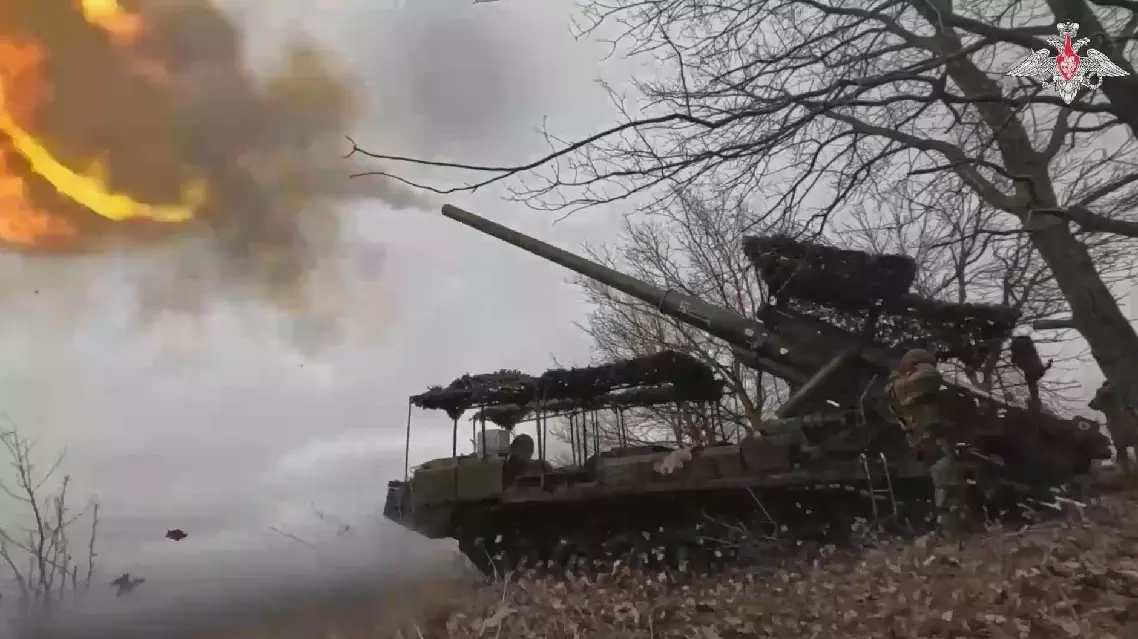
Russia's Ministry of Defense announced on Saturday that its forces conducted strikes against various Ukrainian military targets over the past day, while Ukraine's General Staff reported hitting Russian personnel and equipment concentrations, and an oil depot within Russia.

According to the Russian Ministry of Defense, Russian forces targeted industrial, energy, and transportation infrastructure used by Ukrainian troops, as well as storage facilities for unmanned boats and long-range drones. Strikes also hit temporary deployment points for Ukrainian armed forces and foreign mercenaries in 152 areas.

Russian air defense systems shot down 12 guided aerial bombs and 259 fixed-wing unmanned aerial vehicles.

Meanwhile, the General Staff of the Armed Forces of Ukraine stated on the same day that 173 combat engagements occurred along the front lines. Ukrainian forces attacked multiple Russian personnel and equipment concentration areas, drone control points, and shot down 2,014 Russian drones.

Additionally, Ukraine's National Security and Defense Council reported on Saturday that an oil depot and an oil pumping station within Russian territory were struck by Ukrainian forces in the early hours of the day.

The Orthodox Easter ceasefire with Ukraine announced by Russian President Vladimir Putin began on Saturday afternoon and will continue until Sunday midnight.

Russian President Vladimir Putin announced Thursday an Orthodox Easter ceasefire with Ukraine, set to run from 16:00 on April 11 till the end of the day on April 12, the Kremlin said in a statement on Thursday.

Ukrainian President Volodymyr Zelensky said Friday that Ukraine is ready for "symmetrical steps" if Russia adheres to an Orthodox Easter ceasefire.

Russia claims striking on Ukrainian targets, Ukraine reports hitting Russian oil depot

Russia claims striking on Ukrainian targets, Ukraine reports hitting Russian oil depot

Recommended Articles