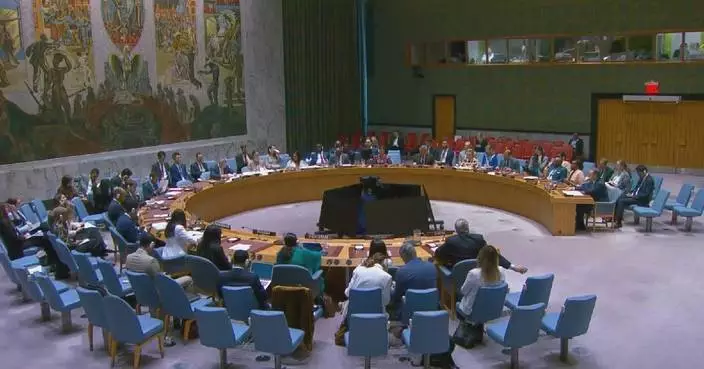
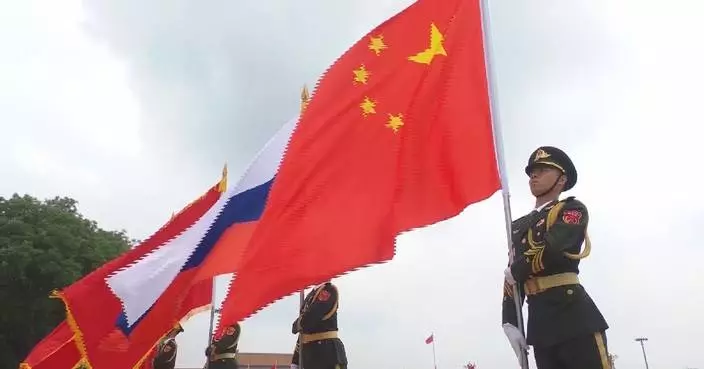
Japanese Prime Minister Sanae Takaichi was considering reviewing the country's long-standing Three Non-Nuclear Principles, which is certain to draw backlash, according to Kyodo News.
Japan, the only country to have suffered atomic bombings, has upheld three principles of not possessing, producing or permitting the introduction of nuclear arms.
Click to Gallery
Japan PM's attempts to alter non-nuclear principles to draw backlash: media
Japan PM's attempts to alter non-nuclear principles to draw backlash: media
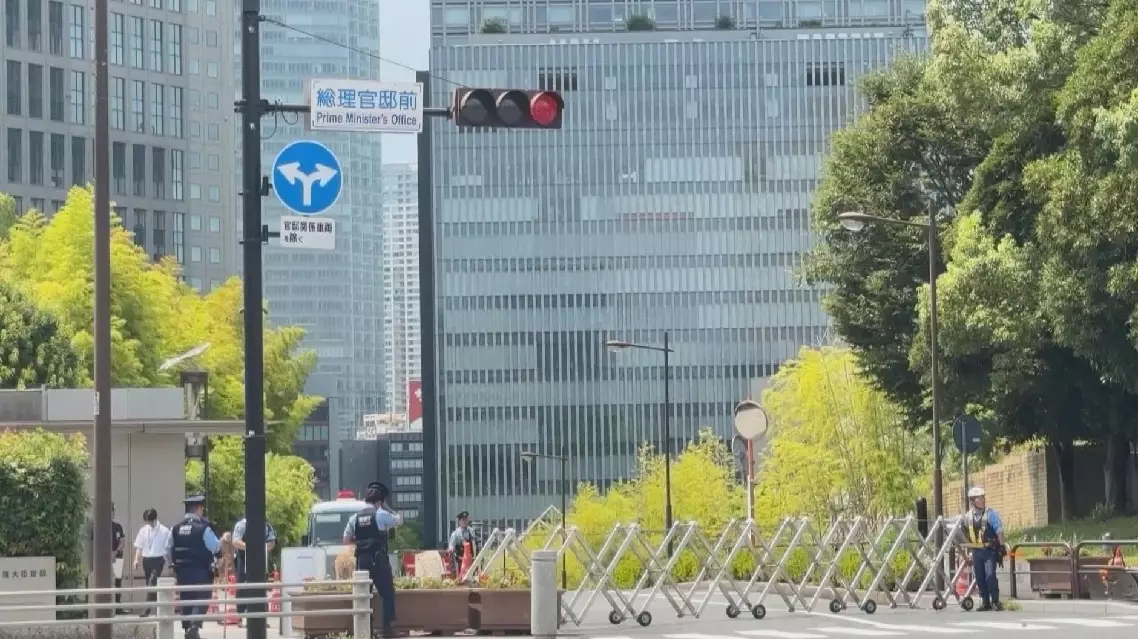
Japan PM's attempts to alter non-nuclear principles to draw backlash: media
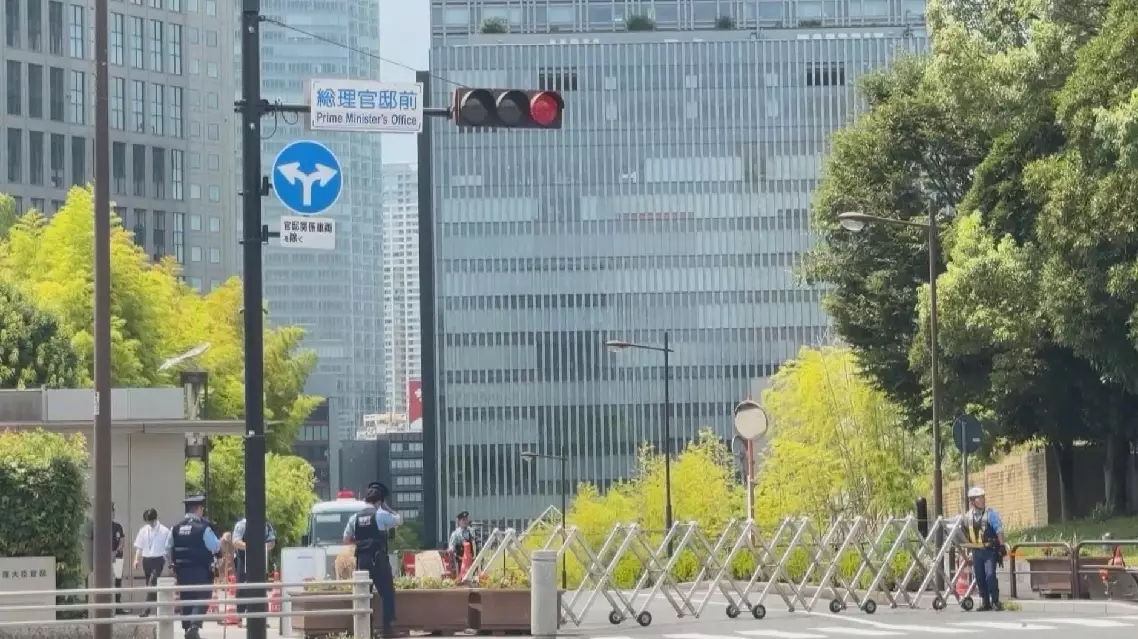
Japan PM's attempts to alter non-nuclear principles to draw backlash: media
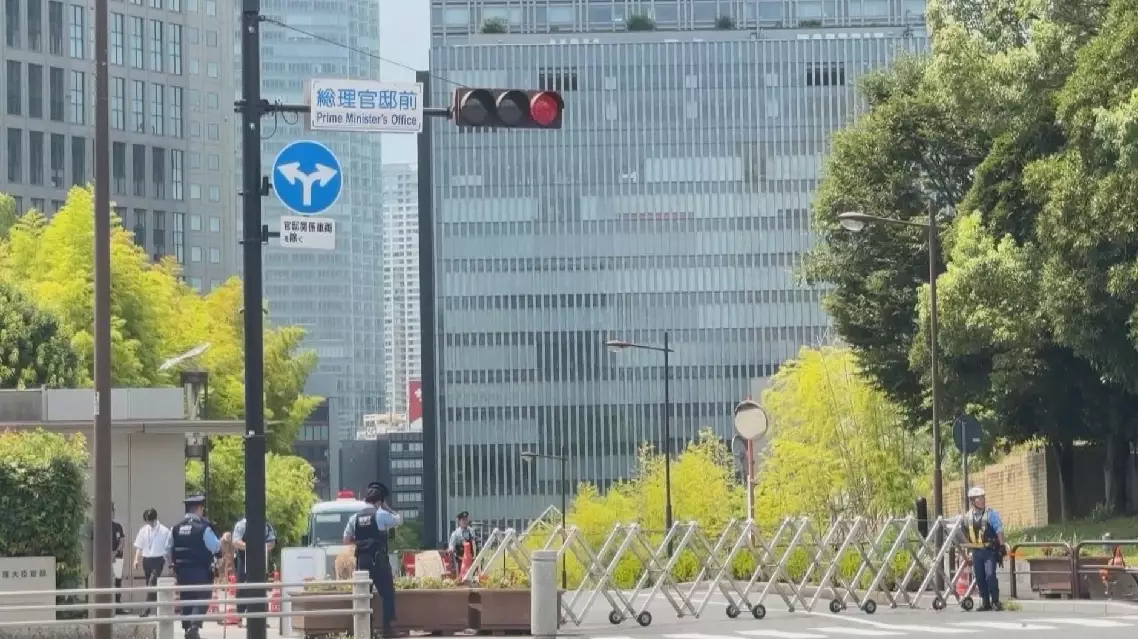
Japan PM's attempts to alter non-nuclear principles to draw backlash: media
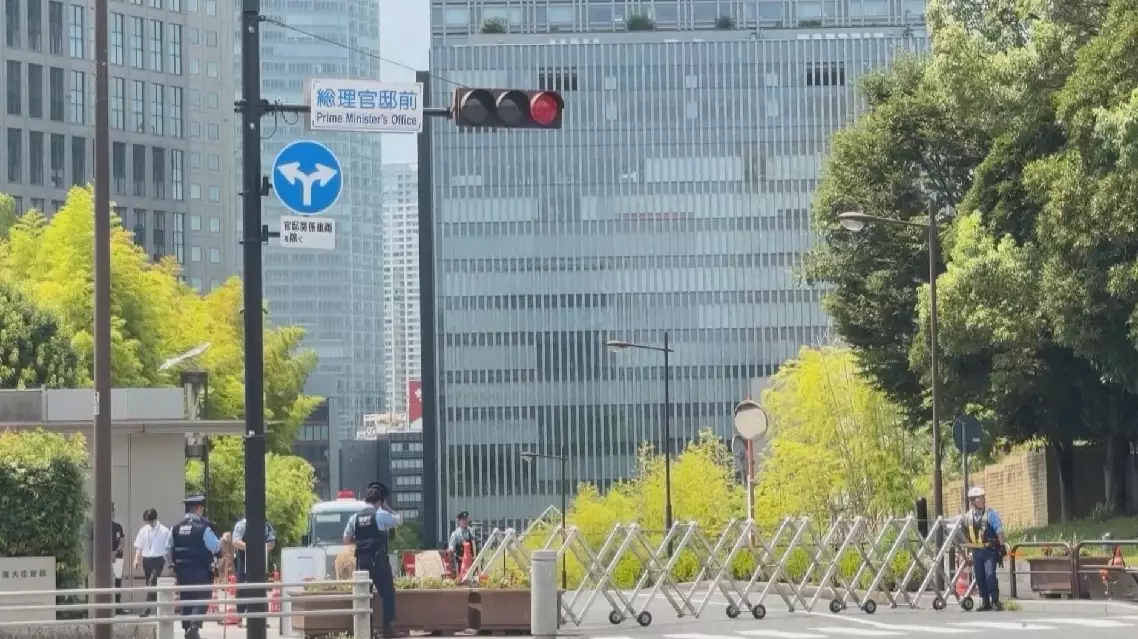
In updating Japan's National Security Strategy and two related documents, last revised in 2022, Takaichi was considering revising the third principle, which prohibits nuclear weapons from entering Japan's territory, Kyodo News reported, citing government sources.
If the principle is changed, it will represent a significant shift in the country's security policy and is certain to draw domestic and international backlash, the report said.
While Takaichi has no intention of revising Japan's stance on not possessing or producing nuclear weapons, she believes that not allowing nuclear weapons to be brought into Japan could hinder the entry of port calls by U.S. nuclear-armed vessels, therefore weakening U.S. nuclear deterrence, the report said.
During a recent Lower House Budget Committee hearing, Takaichi, who became prime minister on Oct. 21, avoided stating whether her defense and security policies would adhere to the Three Non-Nuclear Principles that Japanese administrations have followed for decades.
An editorial published in the Japanese newspaper Asahi Shimbun pointed out that as a country that suffered atomic bombings, Japan has positioned the Three Non-Nuclear Principles as a national policy, which has long received widespread support from the Japanese people.
Takaichi should understand that the policy of adhering to the Three Non-Nuclear Principles cannot be rashly changed by hasty judgment of the prime minister, the editorial said.
The Three Non-Nuclear Principles, not possessing, not producing and not allowing the introduction of nuclear weapons into Japanese territory, were first declared in the Diet, Japan's parliament, by then Japanese Prime Minister Eisaku Sato in 1967 and viewed as a national credo.
The national security strategy, one of the three documents approved by the Cabinet in 2022, states, "The basic policy of adhering to the Three Non-Nuclear Principles will remain unchanged in the future."
Japan PM's attempts to alter non-nuclear principles to draw backlash: media
Japan PM's attempts to alter non-nuclear principles to draw backlash: media
Japan PM's attempts to alter non-nuclear principles to draw backlash: media
Japan PM's attempts to alter non-nuclear principles to draw backlash: media
Japan PM's attempts to alter non-nuclear principles to draw backlash: media