A fire broke out on Thursday in a pavilion at the ongoing 30th UN Climate Change Conference (COP30) in the Brazilian city of Belem, prompting evacuations by the fire department, according to local authorities.
The incident occurred in the Blue Zone, an area that houses the international stands and the rooms set up for official negotiations, said the organizers.
Brazilian Minister of Tourism Celso Sabino said that the fire, which broke out shortly after 2 p.m. local time, was under control at around 2:30 p.m., with no injuries reported so far.
Helder Barbalho, governor of the Para state, where Belem is located, told local media that the emergency teams are currently probing into two possible causes of the incident -- a generator failure or a short circuit in one of the stands that were set up for the conference.
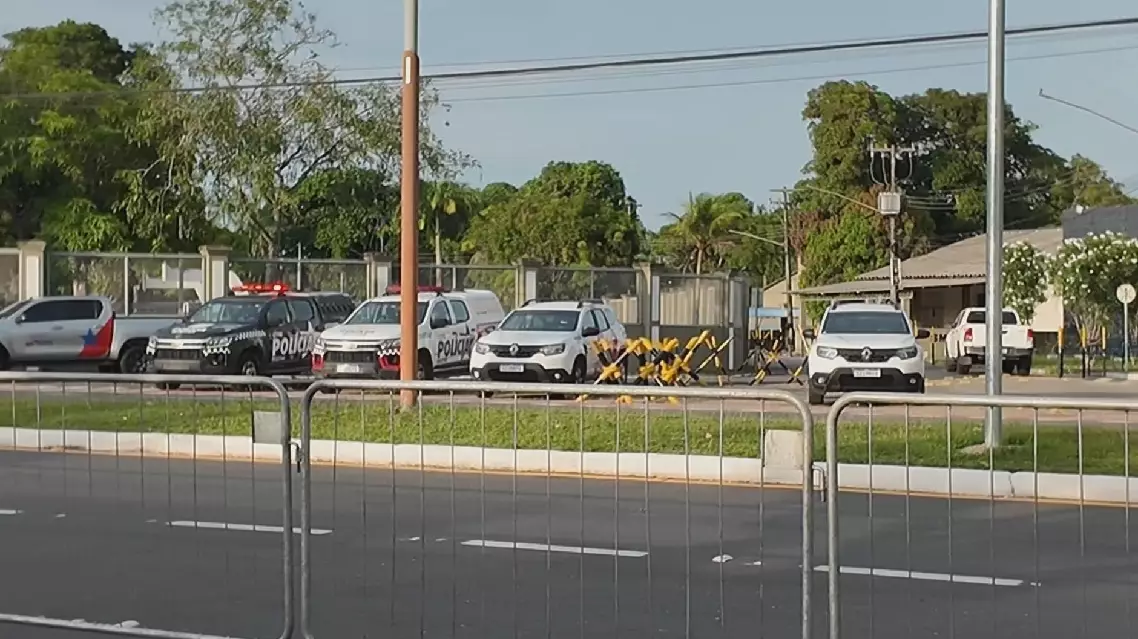
Fire causes evacuation in pavilion at COP30 in Brazil
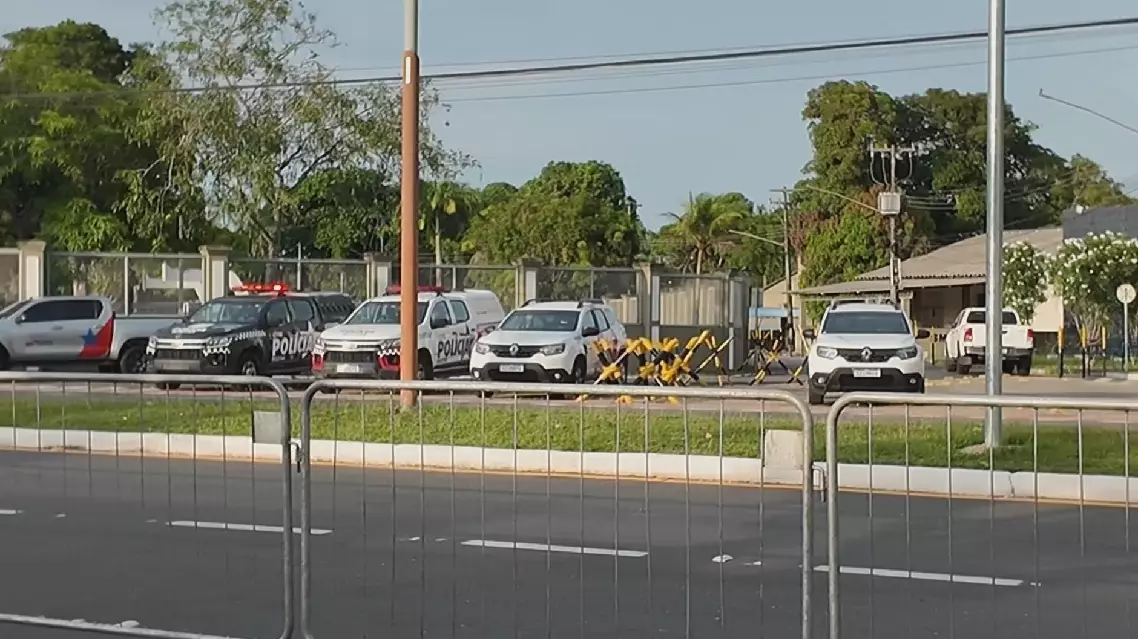
Fire causes evacuation in pavilion at COP30 in Brazil
Chinese Premier Li Qiang on Thursday presided over a State Council executive meeting that studied work on building a unified national market and reviewed and approved a plan for the development of a modern emergency response system during the 15th Five-Year Plan period (2026-2030).
Noting that building a unified national market is essential to advancing high-quality development, the meeting called for deepening institutional frameworks in areas such as property rights protection, market access, fair competition, social credit and market exit mechanisms.
The meeting also urged efforts to advance high-standard connectivity of market infrastructure to facilitate smooth economic circulation and effectively reduce logistics costs across society.
Emergency management is critical to protecting people's lives and property, the meeting said. It called for accelerating the development of a modern emergency response system, deepening reform and innovation in emergency management, and improving coordinated response mechanisms.
Efforts should be made to strengthen risk prevention at the source, enhance monitoring, forecasting and early warning, and accelerate a shift in governance toward proactive prevention, according to the meeting.
A draft revision of the Law on the People's Bank of China was also discussed and approved in principle at the meeting, which decided to submit the draft to the Standing Committee of the National People's Congress for deliberation.

Chinese premier chairs State Council executive meeting