MANHASSET, N.Y.--(BUSINESS WIRE)--Dec 5, 2025--
Scientists at Northwell Health’sFeinstein Institutes for Medical Research have uncovered a critical mechanism driving vascular cognitive impairment (VCI), the world’s second most common form of dementia after Alzheimer’s disease. Their findings, published this month in Alzheimer’s & Dementia, pinpoint the dysregulation of vasoactive neuropeptides, or key regulators of blood-vessel tone, as the root cause of microvascular dysfunction in VCI. This discovery opens an entirely new frontier for developing both pharmacological and non-pharmacological therapies.
This press release features multimedia. View the full release here: https://www.businesswire.com/news/home/20251205579564/en/
Led by Chunyan Li, PhD, associate professor in the Institute of Bioelectronic Medicine at the Feinstein Institutes, and PhD student Willians Tambo of the Elmezzi Graduate School of Molecular Medicine, the research team employed extensive molecular profiling and behavioral testing in an animal model of chronic cerebral hypoperfusion (CCH), which mirrors the sustained reductions in brain blood flow seen in VCI patients. The team then evaluated two complementary interventions: administration of calcitonin gene–related peptide (CGRP), a powerful vasodilator, and activation of the natural diving reflex (or oxygen‐conserving reflex). Both approaches successfully restored balanced neuropeptide signaling, prevented persistent narrowing of cerebral micro vessels and significantly improved memory and learning in their preclinical model.
“Vascular cognitive impairment is a widespread, devastating condition for which no effective treatments currently exist,” said Dr. Li, the study’s lead investigator. “By uncovering neuropeptide imbalance as the primary driver of microvascular damage, we’ve not only revealed VCI’s underlying cause but also demonstrated two clear paths toward reversing it.”
These findings recast long-held assumptions that oxidative stress and inflammation are the initial sparks of VCI. Instead, the research shows that impaired neuropeptide control and vessel constriction arise first, setting the stage for downstream amyloid deposition and tissue injury. This work repositions oxidative stress and inflammation as consequences, rather than catalysts, of impaired cerebral blood flow.
Building on these insights, Dr. Li’s team is now developing a novel bioelectronic therapy: noninvasive trigeminal nerve stimulation to elicit the diving reflex. Supported by the U.S. Department of Defense and prize funding from the 2023 Northwell Health Innovation Challenge, this approach is being tested in models of traumatic brain injury and ischemic stroke, two conditions that significantly increase the risk of VCI.
“There is an urgent need for deeper understanding and better treatment options for VCI and related neurological disorders,” said Kevin J. Tracey, MD, president and CEO of the Feinstein Institutes and Karches Family Distinguished Chair in Medical Research. “Dr. Li and her colleagues have taken the crucial first step by showing how VCI begins, laying the groundwork for the next generation of targeted therapies.”
These results not only challenge prevailing theories about the origins of vascular dementia but also chart a clear course toward the first interventions designed to directly alter disease trajectory by restoring microvascular function and preserving cognitive integrity.
About the Feinstein Institutes
The Feinstein Institutes for Medical Researchis the home of the research institutes of Northwell Health, the largest health care provider and private employer in New York State. Encompassing 50+ research labs, 3,000 clinical research studies and 5,000 researchers and staff, the Feinstein Institutes raises the standard of medical innovation through its six institutes of behavioral science, bioelectronic medicine, cancer, health system science, molecular medicine, and translational research. We are the global scientific leader in bioelectronic medicine – an innovative field of science that has the potential to revolutionize medicine. The Feinstein Institutes publishes two open-access, international peer-reviewed journalsMolecular MedicineandBioelectronic Medicine. Through theElmezzi Graduate School of Molecular Medicine, we offer an accelerated PhD program. For more information about how we produce knowledge to cure disease, visithttp://feinstein.northwell.eduand follow us onLinkedIn.
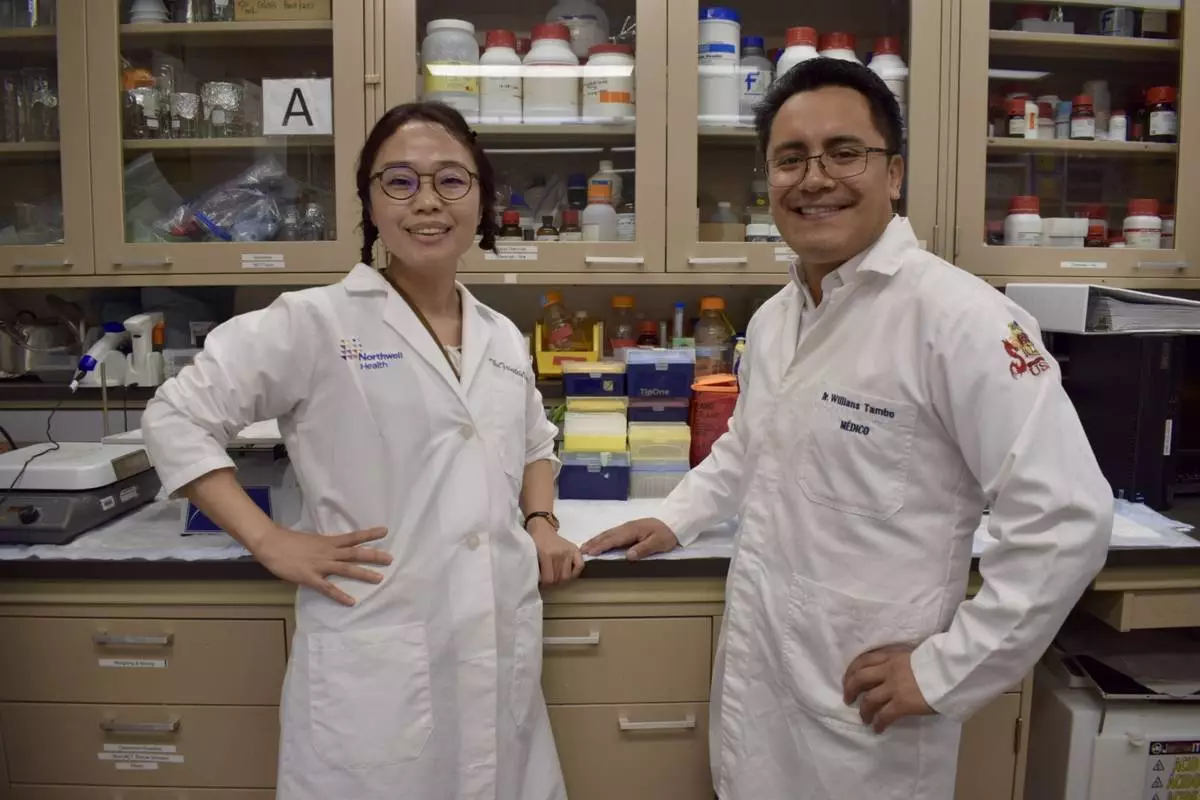
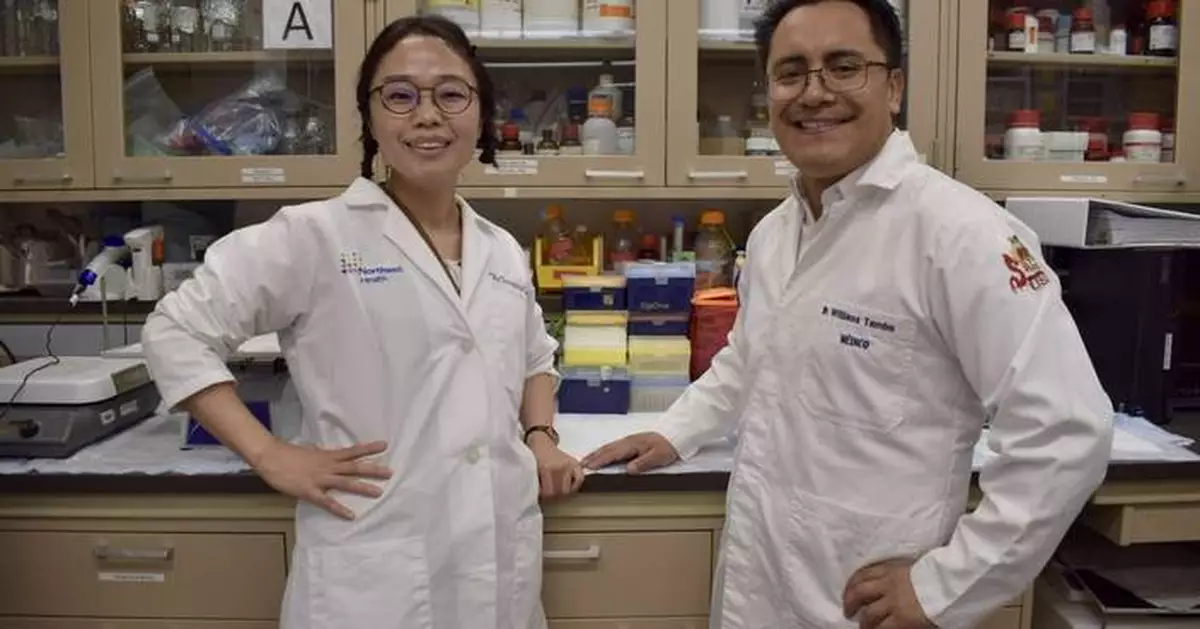
Drs. Chunyan Li and Willians Tambo led the study. (Credit: Feinstein Institutes)
KATHMANDU, Nepal (AP) — Nepal’s disaster agency said Saturday the country’s death toll from the flash floods had risen to 626, with 2,426 people missing, as search-and-rescue efforts along the Nepal-China border entered their fourth day.
The agency’s previous figures were 579 dead and 1,924 missing.
China has separately reported seven deaths and 554 people missing in Tibet.
THIS IS A BREAKING NEWS UPDATE. AP’s earlier story follows below.
KATHMANDU, Nepal (AP) — Poor weather hampered aerial rescue operations in Nepal on Saturday as the search for hundreds of missing people in areas devastated by catastrophic flash floods along the border with China entered its fourth day.
Rescue workers and military personnel have been working around the clock since Wednesday’s disaster, which killed nearly 600 people and left almost 2,500 missing. Some survivors have been pulled from the mud, while crews continue searching several locations for those still missing.
But Brig. Gen. Raja Ram Basnet, a Nepali Army spokesperson, said Saturday that helicopter operations were on hold until weather conditions improved.
Search and rescue efforts continued at several locations in Nepal and China’s Tibet, including the Upper Trishuli-1 Hydropower Project in Nepal’s Rasuwa district and the severely damaged Gyirong border crossing on the Chinese side.
Nepali Army spokesperson Brig. Gen. Raja Ram Basnet said rescue efforts would continue at the hydropower construction site, where authorities believe more than 100 people are trapped in a tunnel filled with thick mud.
Basnet said rescuers had used baskets and ropes to reach some people, but the operation remained difficult because of 4 to 5 feet (1.2 to 1.5 meters) of mud and the limited number of places where helicopters could land.
He said rescue teams had also been forced to relocate temporarily when authorities issued warnings about possible further flooding.
Rescuers have been on high alert for more flooding from a new lake that formed high up in the Himalayan mountains after the initial floods Wednesday. Experts warned that the lake, created after a glacier collapse that triggered the floods, was starting to overflow.
Monitoring data from the Chinese Ministry of Water Resources showed late Friday that the lake had dwindled in size. The water level dropped by 10 meters (32 feet) from the high point on Thursday morning, Chinese broadcaster CCTV said.
Aid trucks could be seen traveling from Kathmandu, Nepal’s capital, toward the affected areas.
In Nuwakot, one of the Nepali districts devastated by the floods, people waited anxiously Saturday for word about missing loved ones.
At a relief center, military personnel taped sheets of paper listing dozens of missing people to a wall, prompting families to crowd around and search for their relatives.
Some scanned the lists, took photos and wiped away tears as they looked through the names.
The broadcaster was showing Saturday images of rescuers getting to Gyirong Port, the hard-hit border crossing with Nepal. Some reached the area by foot and via rafts. Some were dropped down from drones flown to the area. “Anyone, anyone?” rescuers yelled, according to footage by the broadcaster.
It was not immediately known how many people were at the border checkpoint building when the floods hit.
The floods have killed 579 in Nepal, the country's disaster-management authority said Friday. Nepali police later put the number of deaths at 553. There was little information on survivors on the Chinese side, where the death toll rose to seven Friday as state media showed evacuations of villages and leaders’ efforts to direct the relief response.
More than 3,700 people have been rescued in Nepal so far. Meanwhile, the number of people who were unaccounted for in the country nearly doubled to 1,924 as more local residents were added to the tally. China's state media said 554 people were missing on the Chinese side. Hundreds of the missing are foreigners who were in the area to work, trek or make a pilgrimage to a sacred peak.
Milko reported from Nuwakot, Nepal. Associated Press journalists Eileen Ng in Kuala Lumpur, Malaysia; Sibi Arasu in Bengaluru, India; Upendra Mansingh in Nuwakot district, Nepal; Aijaz Hussain in Srinagar, India; and Didi Tang in Washington contributed to this report.
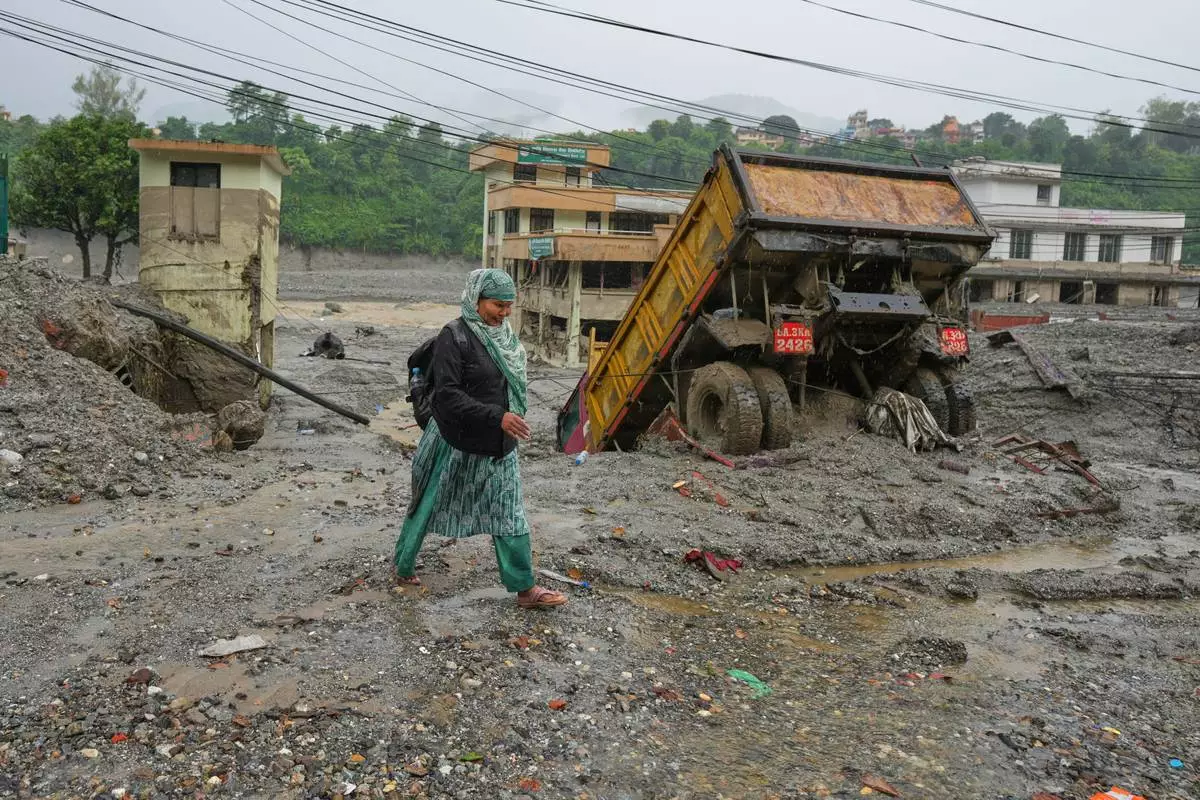
A woman walks through mud and debris left behind by flash flooding in Nepal's Nuwakot district, Saturday, Aug. 29, 2026. (AP Photo/Rajesh Kumar Singh)
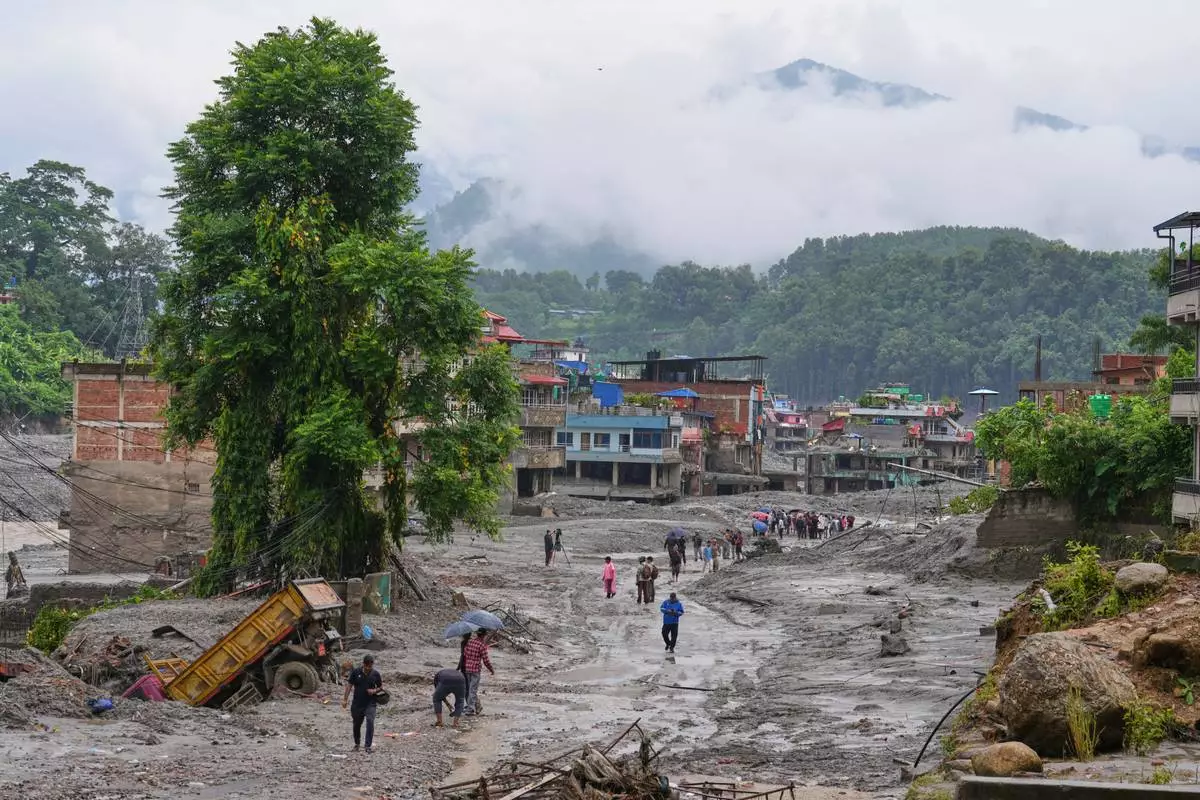
Residents return to their houses to assess the damage following flash flooding in Nuwakot district in Nepal, Saturday, Aug. 29, 2026. (AP Photo/Rajesh Kumar Singh)
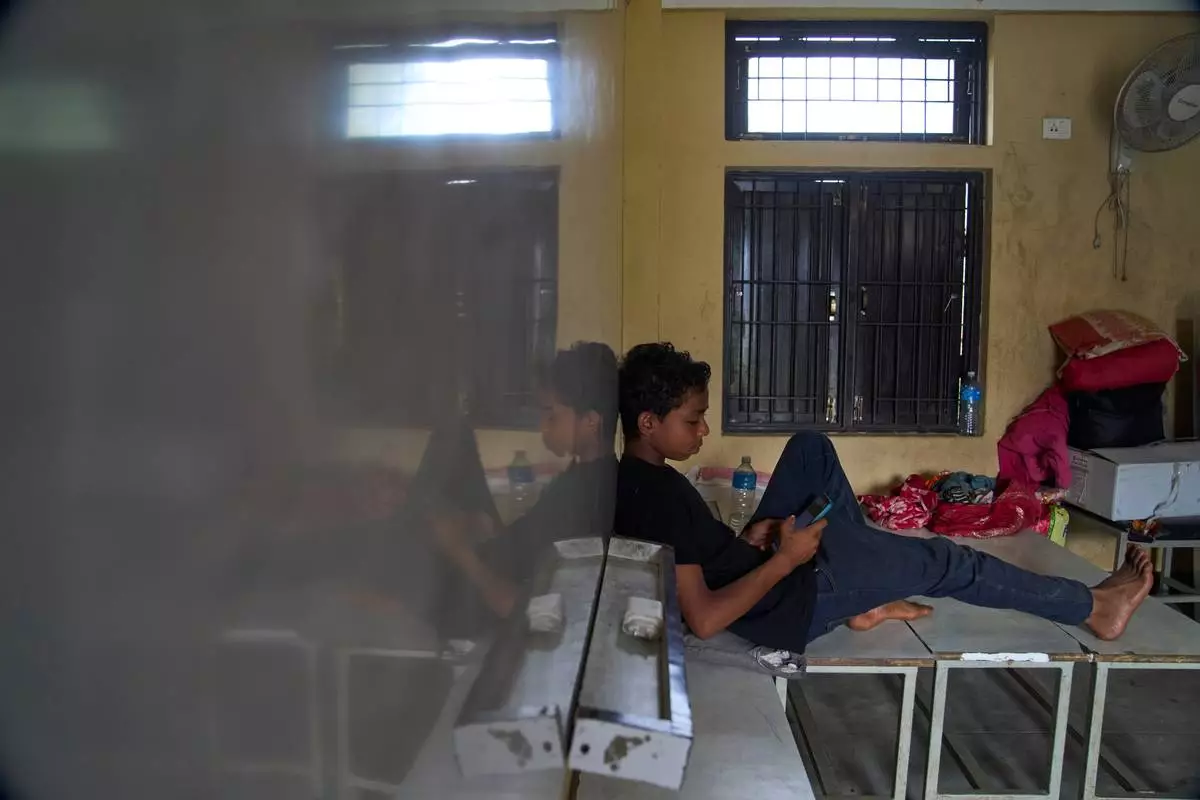
A flash flood survivor uses his phone at a school converted into a makeshift shelter in the Devighat area of Nuwakot district in Nepal, Friday, Aug. 28, 2026. (AP Photo/Niranjan Shrestha)
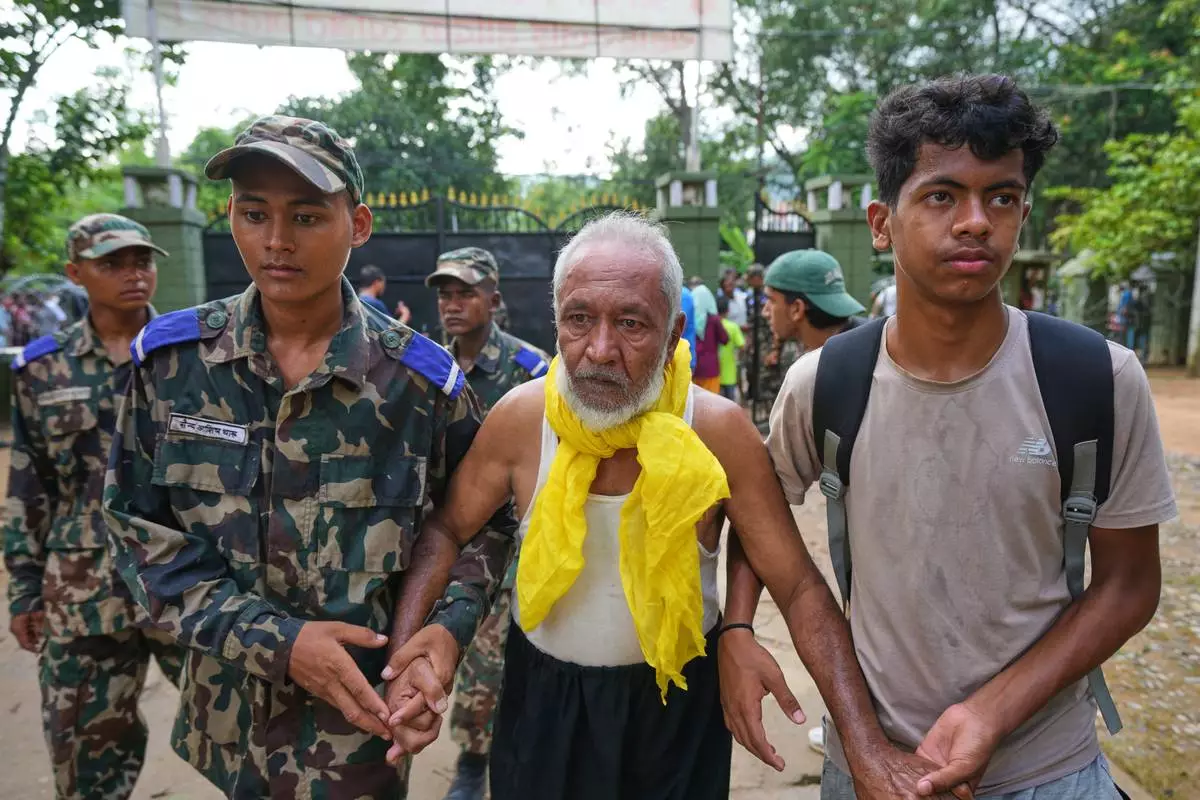
A flash flood survivor is taken to a medical camp in the Nuwakot district of Nepal, Friday, Aug. 28, 2026. (AP Photo/Rajesh Kumar Singh)
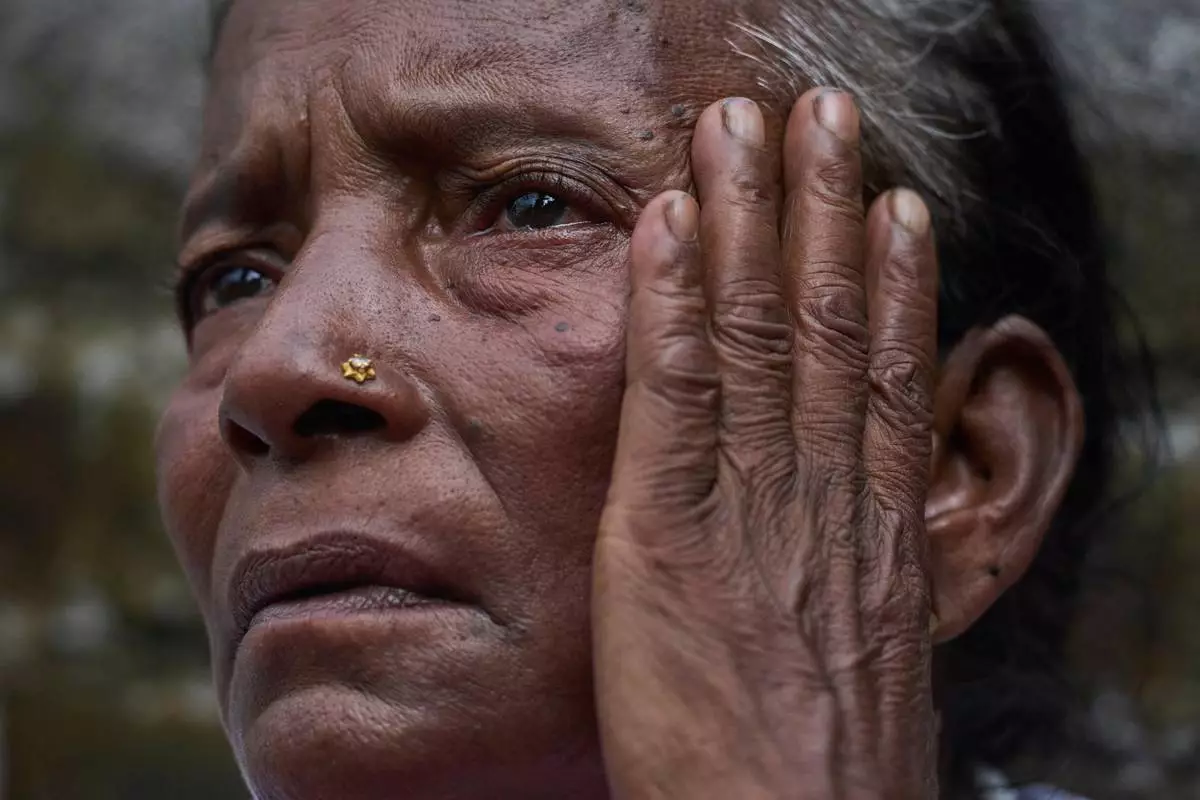
Kanchi Nepali, a flash flood survivor, waits to receive relief supplies in the Devighat area of Nuwakot district in Nepal, Friday, Aug. 28, 2026. (AP Photo/Niranjan Shrestha)
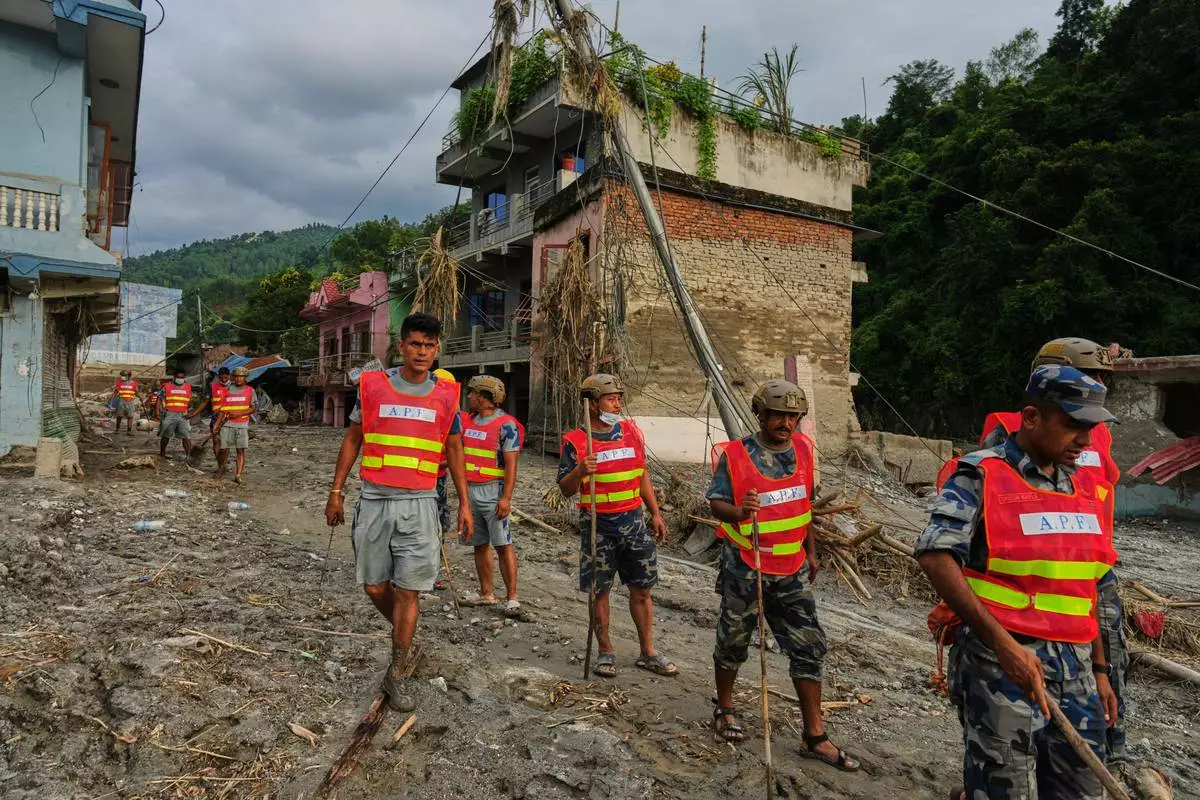
Workers clear debris in the aftermath of a flash flood in the Devighat area of Nuwakot district in Nepal, Friday, Aug. 28, 2026. (AP Photo/Rajesh Kumar Singh)
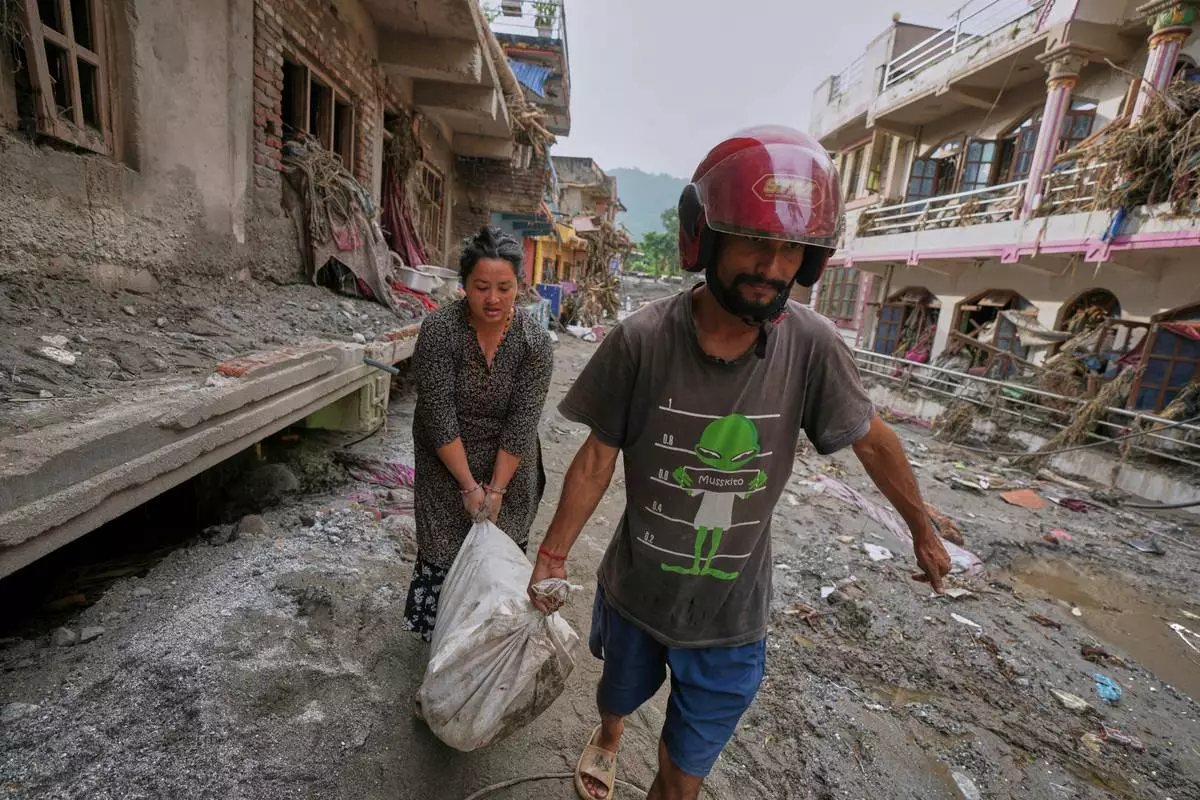
Residents salvage their belongings from damaged houses after flash flooding in the Devighat area of Nuwakot district in Nepal, Friday, Aug. 28, 2026. (AP Photo/Rajesh Kumar Singh)