Skip to Content Facebook Feature Image

Arab, Muslim countries oppose Israel's one-way Rafah reopening plan

HotTV

HotTV

HotTV

Arab, Muslim countries oppose Israel's one-way Rafah reopening plan

2025-12-06 09:45 Last Updated At:23:57

Foreign ministers from several Arab and Muslim countries on Friday expressed their concern over the recent Israeli remarks suggesting the Rafah Crossing be opened only in one direction to transfer Gaza residents into Egypt.

In a joint statement, the foreign ministers from the United Arab Emirates, Egypt, Jordan, Indonesia, Pakistan, Türkiye, Saudi Arabia and Qatar rejected any attempt to forcibly displace Palestinians, and called for adherence to the plan proposed by U.S. President Donald Trump, which they said requires the Rafah Crossing to remain open in both directions to ensure freedom of movement for Gaza's population.

The statement emphasized that the plan aims to allow Palestinians to remain on their land and participate in rebuilding their homeland, while restoring stability and improving humanitarian conditions.

The ministers stressed the importance of maintaining the ceasefire, easing civilian suffering, ensuring unrestricted humanitarian access, and launching early recovery and reconstruction efforts.

They also highlighted the need to create conditions for the Palestinian Authority to resume its responsibilities in Gaza, paving the way for greater security and stability.

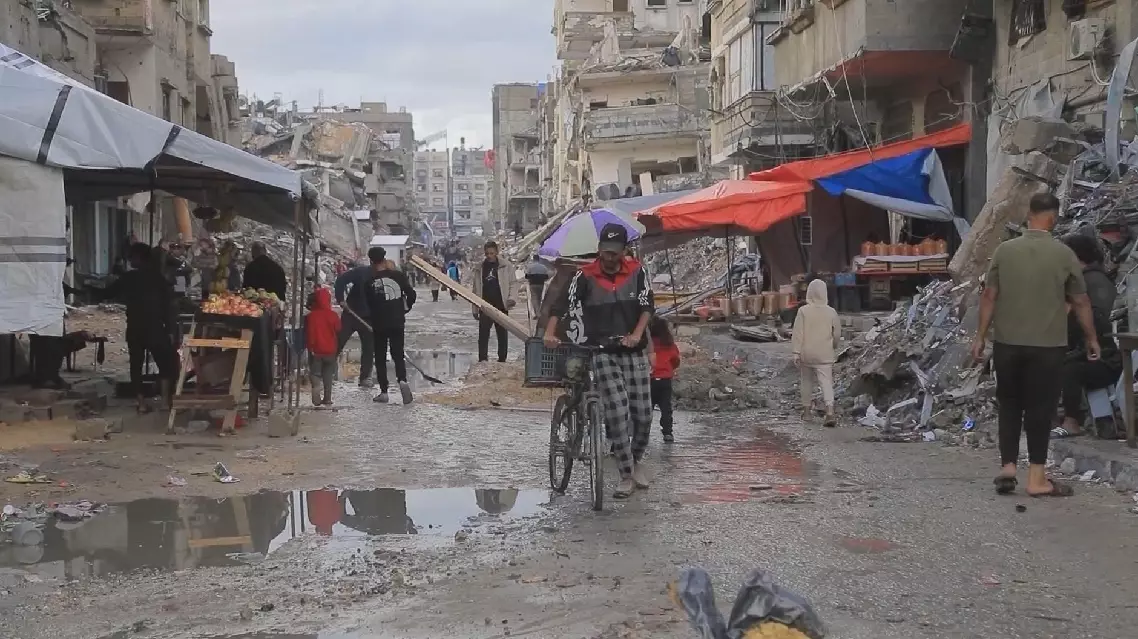
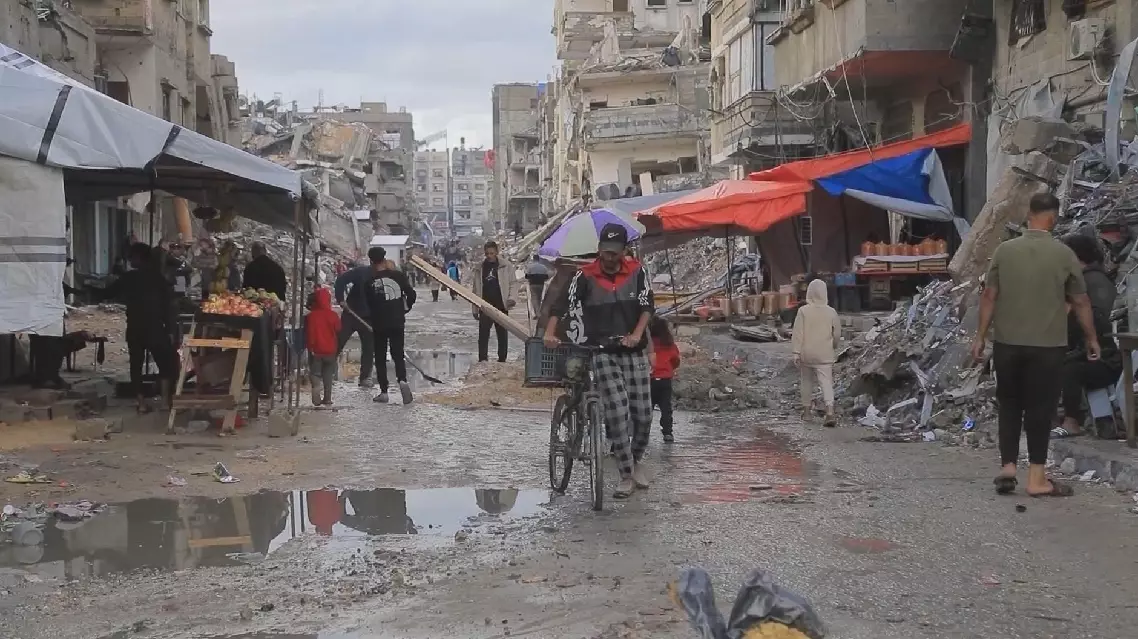
Israel announced on Wednesday that it would reopen the crossing in the coming days under the October ceasefire deal with Hamas, but said it would operate one way only, allowing Palestinians to leave Gaza but not return. The Egyptian government denied coordinating with Israel on the reopening.

The crossing has been mostly closed since May 2024, when Israeli forces took control of the Palestinian side. Before that, it was the main exit for Palestinians and a key entry point for humanitarian aid.
Arab, Muslim countries oppose Israel's one-way Rafah reopening plan
Arab, Muslim countries oppose Israel's one-way Rafah reopening plan

Arab, Muslim countries oppose Israel's one-way Rafah reopening plan
Arab, Muslim countries oppose Israel's one-way Rafah reopening plan

Medical supplies have rapidly dwindled in the Gaza Strip after Israel closed all crossings amid escalating tensions with Iran, leaving hospitals and patients struggling to obtain essential medicines.

Israel announced on Feb. 28 the closure of all crossings into the Gaza Strip, including the Rafah land crossing, until further notice, citing security concerns. The move halted the delivery of humanitarian aid into Gaza.

The disruption of supply routes has rapidly depleted medicine stocks across the enclave, with many commonly used drugs beginning to run out, placing mounting pressure on hospitals and patients.

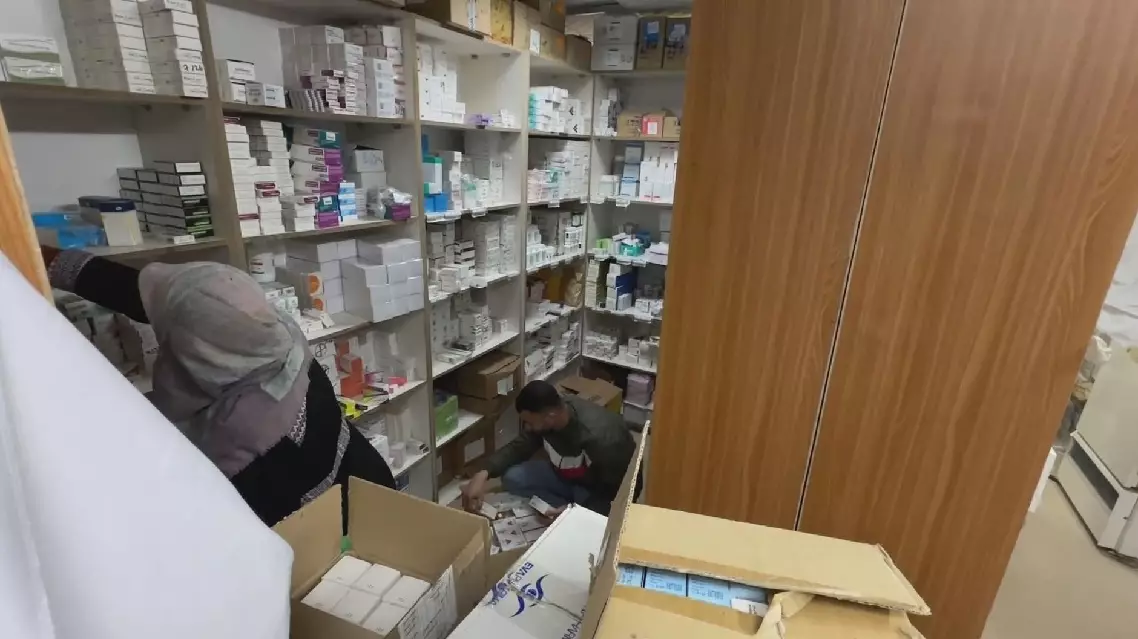
Some widely used drugs have already run out at Al-Awda Hospital in central Gaza as the staff there are checking remaining supplies.

"This is your medicine, but now it's out of stock," a staff member at the hospital's pharmacy told a patient.

"This type of medicine isn't available at the hospital. I will try to find it elsewhere," said the patient.

The hospital said that more than 85 percent of medical consumables is now out of stock. Painkillers, antibiotics, surgical and anesthetic drugs, as well as diagnostic reagents, are all in severe shortage. Some commonly used medications for chronic diseases such as hypertension and diabetes have also become difficult to obtain.

"Every day the warehouse informs us that a certain medicine has run out, so we keep searching for alternatives. Patients are also looking everywhere for medicines, but often they still cannot find them," said the head of the medicine warehouse at Al-Awda Hospital.

Crossing closures leave hospitals in Gaza Strip facing shortage of essential medicines

Crossing closures leave hospitals in Gaza Strip facing shortage of essential medicines

Recommended Articles