China's domestically produced large passenger aircraft, the C919, has begun flying a new route linking Guangzhou, the capital of south China's Guangdong Province, with Wenzhou, a major economic city in east China's Zhejiang Province, according to the route's operator, China Southern Airlines. Monday's launch of the Guangzhou–Wenzhou service marks the regular deployment of the C919 on passenger flights between the two cities. China Southern Airlines plans to operate two round-trip flights daily on the route.
The C919 is a narrow-body passenger jet with a maximum capacity of 192 seats. It is China's first self-developed trunk jetliner, built to international airworthiness standards and featuring independently registered intellectual property rights.
China Southern Airlines, the country's largest carrier, has taken delivery of 10 C919 aircraft. As of Monday, its C919 fleet had operated more than 8,300 flights, carrying over 1.13 million passengers and serving 21 destinations.
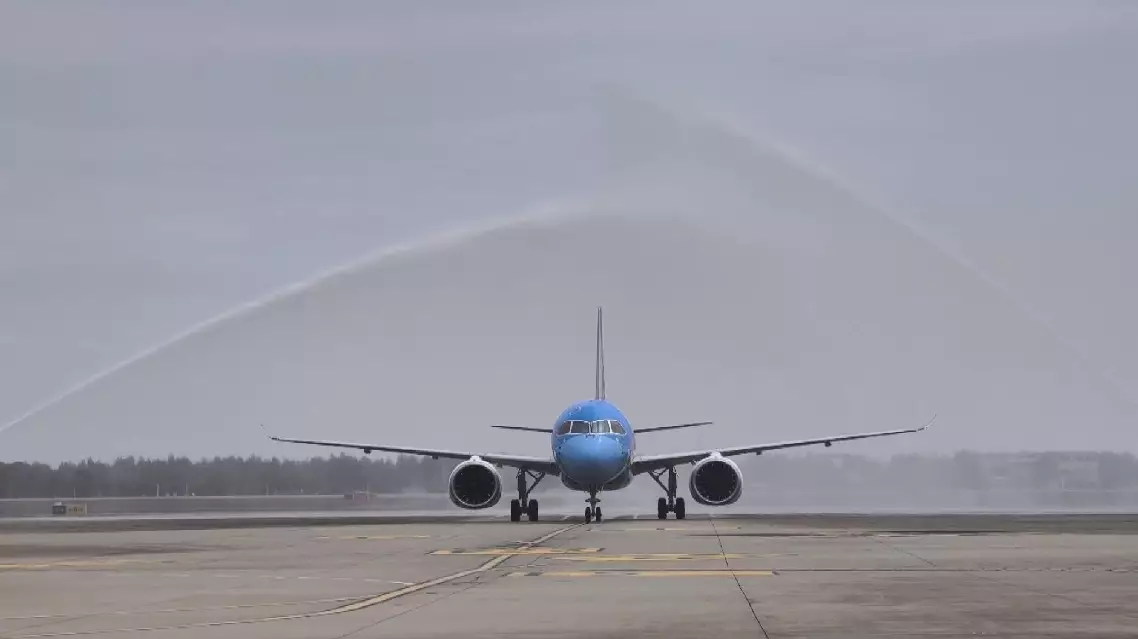
China's homegrown C919 aircraft launches new domestic air route
Iran's Foreign Minister Seyed Abbas Araghchi said Monday that the country has not sought a ceasefire with the United States, adding that any end to the conflict must ensure that attacks on Iran are not repeated.
"Let me reiterate that Iran has not signaled or requested a ceasefire. This conflict must end on the condition that it will never be repeated. When we say we do not want a ceasefire, it is not because we seek to continue the war. It is because this time the war must end in a way that the enemies never think of repeating the attacks. I believe they have learned a profound lesson and realized what kind of country they are facing -- a country that will not hesitate to defend its own security and is prepared to continue the war at any cost," Araghchi said at a weekly news conference in Tehran.
Araghchi accused Iran's adversaries of attempting to force the country into "unconditional surrender" after mobilizing their full capabilities. He added that Iran's opponents, more than two weeks into the conflict, were now seeking help from countries they once considered hostile and calling for international assistance to secure shipping in the Strait of Hormuz. Iran, he said, restricts passage only for enemies and their allies involved in the conflict.
Also on Monday, Iranian Foreign Ministry Spokesperson Esmaeil Baghaei said at a press conference that the U.S. people need to understand that the U.S. government showed no sincerity in previous negotiations with Iran, and that the current situation was caused by the joint military operations launched by the U.S. and Israel against Iran.
Baghaei reiterated that Iran is willing to maintain friendly relations with countries in the region, but these countries must understand that their territories should not be used by other nations to attack Iran.
On Feb. 28, Israel and the United States launched joint strikes on Tehran and other Iranian cities, killing former Supreme Leader Ali Khamenei, senior military commanders, and civilians. Iran responded with waves of missile and drone attacks on Israel and U.S. bases and assets across the Middle East.
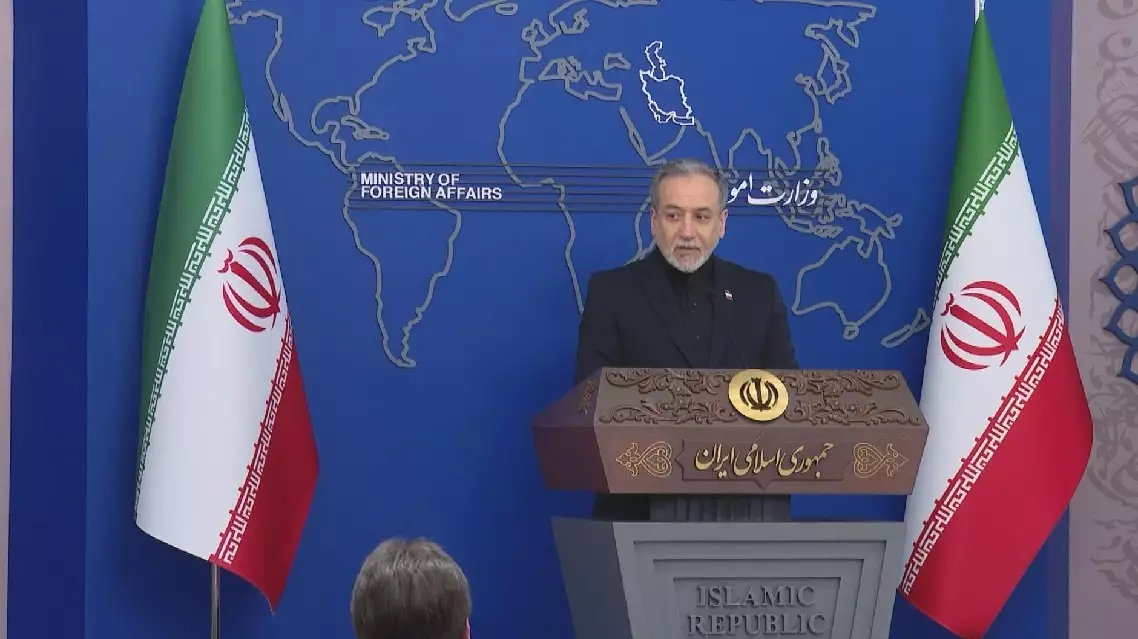
Iran denies seeking ceasefire, says war must end without repeat attacks