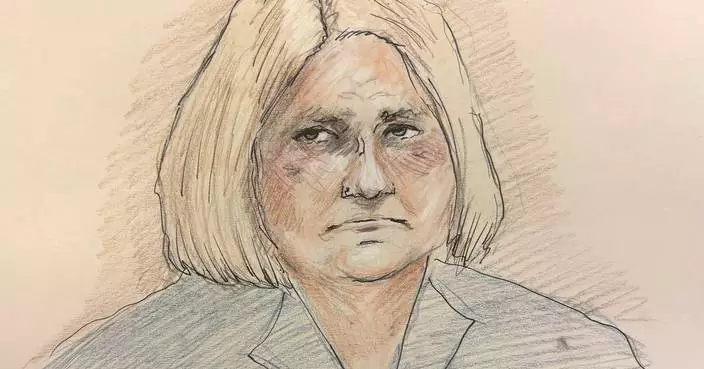
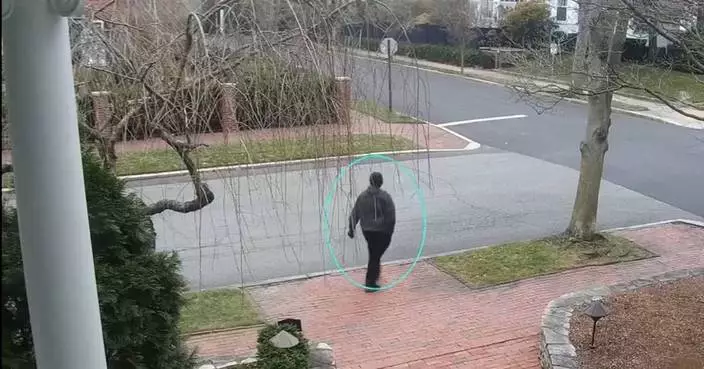
BANGKOK (AP) — Myanmar's military government has charged more than 200 people with violating the Southeast Asian country’s voting law ahead of a general election at the end of the month, keeping up pressure on opponents of the polls.
Critics of the election — which starts on Dec. 28 — claim it will be neither free nor fair and that it is designed to add the facade of legitimacy to military rule that began after the army in February 2021 ousted the elected government of Aung San Suu Kyi.
The takeover triggered widespread popular opposition that has grown into a civil war, which has complicated holding the polls in many contested areas. This is one of the reasons voting will be held in three phases, with the second on Jan. 11 and the third on Jan. 25.
There are punishments as severe as the death penalty for opposing or disrupting the polls under an election law enacted under military rule.
Home Affairs Minister Lt.-Gen. Tun Tun Naung told a meeting on Tuesday that authorities had identified and taken action against 229 people — 201 men and 28 women — in 140 cases of attempting to sabotage election process, according to the state-run Myanma Alinn newspaper.
The report did not provide details on those charged or say how many had been arrested.
The new law, enacted in July, says anyone who speaks, organizes, incites, protests or distributes letters to disrupt any part of the electoral process shall be punished with between three and 10 years' imprisonment, as well as a fine. Other offenses carry sentences up to the death penalty.
State media has recently released the names of some of those charged, including well-known activists Tayzar San, Nan Lin and Htet Myat Aung, who led a bold Dec. 3 protest in the country’s second-largest city of Mandalay, calling on the public to reject elections, abolish the military conscription law and release political prisoners.
The General Strike Coordination Body, the leading non-violent organization opposing army rule, said in a statement Wednesday that Htet Myat Aung, one of its members, was arrested by security forces in Mandalay and was allegedly abused during the arrest.
The statement said the life of the 24-year-old is in imminent danger. The Associated Press could not verify his condition.
State media reports say that among those charged are filmmakers, an actor and comedian, children, members of People’s Defense Forces — pro-democracy militias formed after the army takeover — and members of ethnic armed groups fighting the army.
Most were reportedly accused of actions such as destroying campaign posters, threatening or arresting election workers and posting comments on social media. According to local media repots, including the online news site Myanmar Now, some of them have received sentences of up to 49 years in prison.
Maj. Gen. Zaw Min Tun, a spokesperson for the military government, told a briefing on Sunday that it does not matter whether the international community is satisfied or dissatisfied with the election because it is being held for Myanmar, not for the international community.
“Those who want to criticize can do so,” Zaw Min Tun said. “We will continue to pursue our original objective of returning to a multi-party democratic system."
A major reason the election is being seen as unfair is because Aung San Suu Kyi's National League for Democracy, or NLD, party cannot compete because it was forced to disband in 2023. It won a landslide victory in the 2015 election that brought it to power for the first time, and increased its margin of victory in the 2020 polls.
The army staged its takeover in 2021, keeping the NLD from taking a second term, with the excuse that there were irregularities that invalidated the process. Independent election observers disagreed, and said there were no substantive problems.
Suu Kyi, 80, is serving prison sentences totaling 27 years after being convicted in a series of politically tainted prosecutions brought by the military on what many believe are spurious grounds. Reports that have recently emerged raising concerns about her health, but the military denied them Tuesday, saying she is in good health.
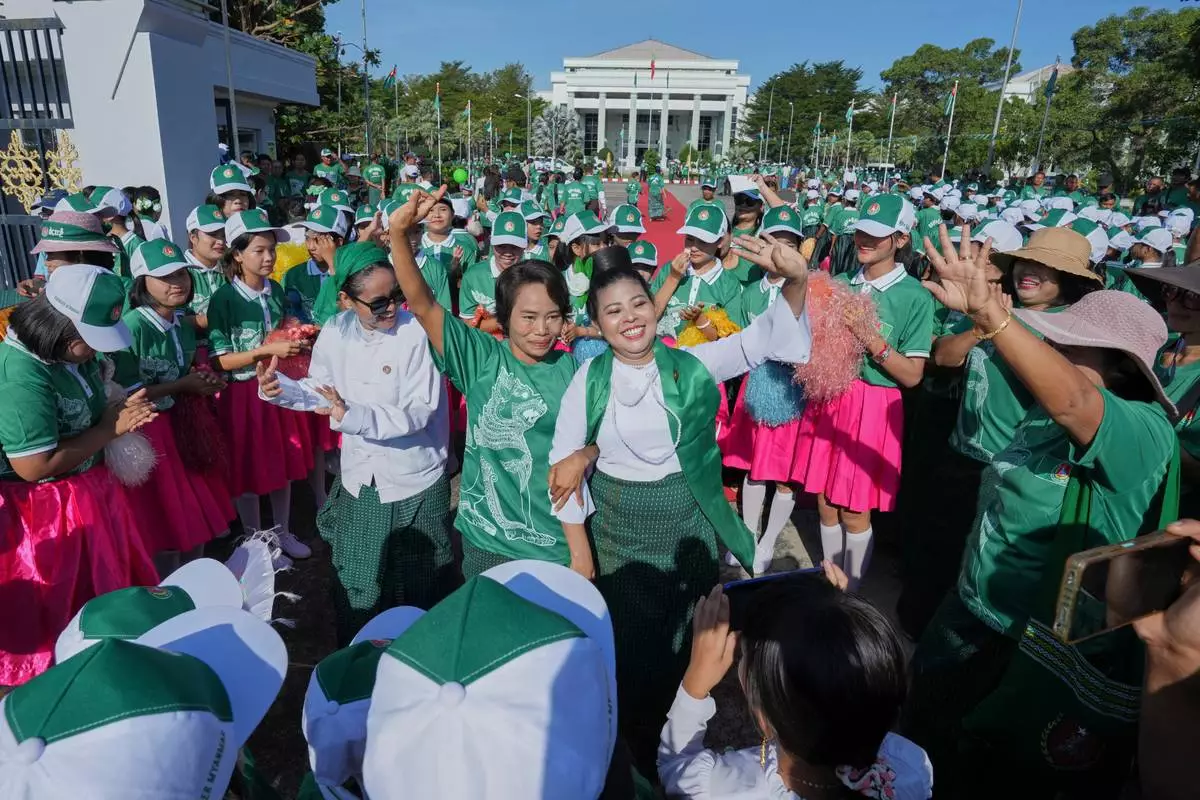
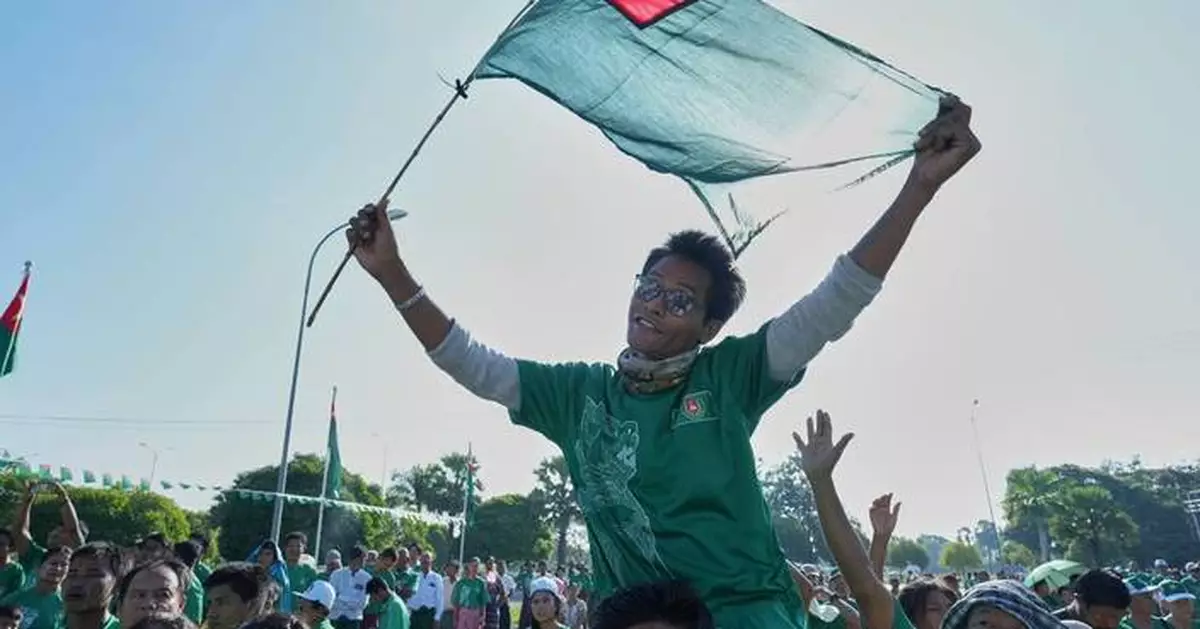
FILE - Supporters of Myanmar's military backed Union Solidarity and Development Party (USDP), dance on the first day of campaign for the upcoming general election, in Naypyitaw, Myanmar, Tuesday, Oct. 28, 2025.(AP Photo/Aung Shine Oo, File)
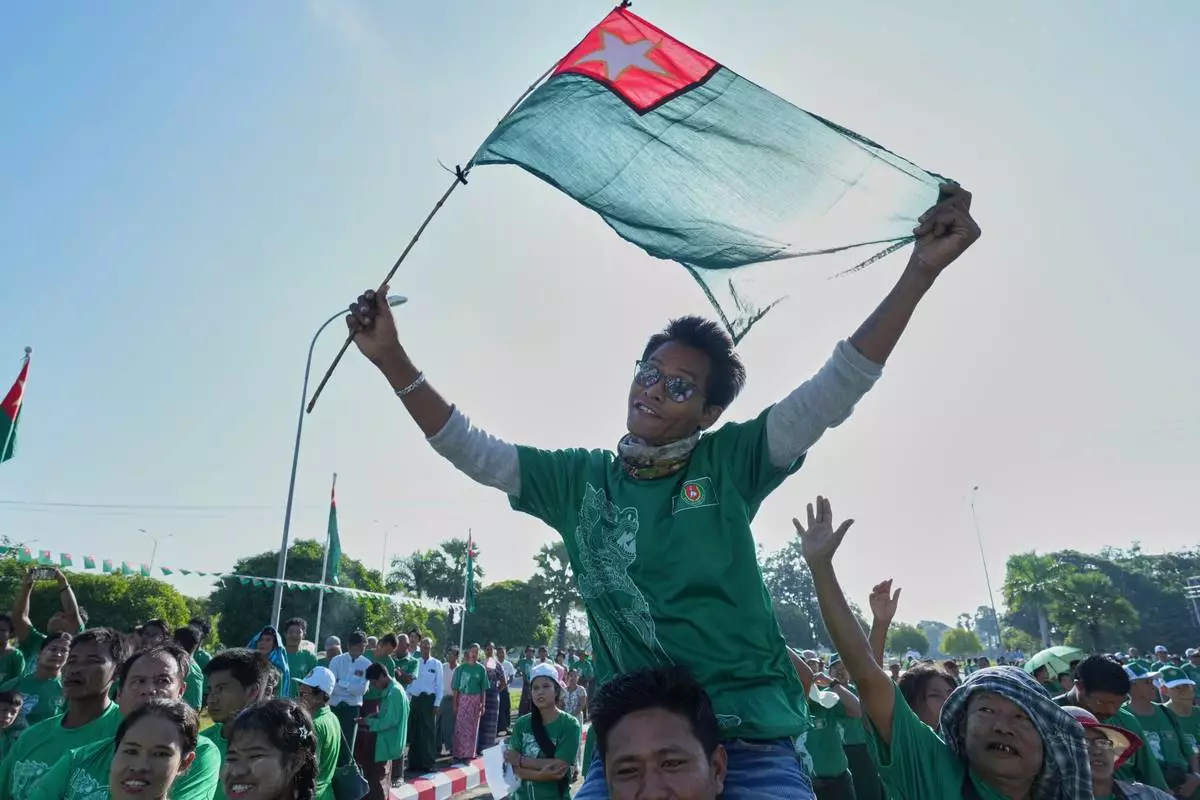
FILE - Supporters of the military-backed Union Solidarity and Development Party (USDP) wave the party flags during the first day of campaign for the upcoming general election, in Naypyitaw, Myanmar, Tuesday, Oct. 28, 2025.(AP Photo/Aung Shine Oo, File)
MBERA, Mauritania (AP) — The men move in rhythm, swaying in line and beating the ground with spindly tree branches as the sun sets over the barren and hostile Mauritanian desert. The crack of the wood against dry grass lands in unison, a technique perfected by more than a decade of fighting bushfires.
There is no fire today but the men — volunteer firefighters backed by the U.N. refugee agency — keep on training.
In this region of West Africa, bushfires are deadly. They can break out in the blink of an eye and last for days. The impoverished, vast territory is shared by Mauritanians and more than 250,000 refugees from neighboring Mali, who rely on the scarce vegetation to feed their livestock.
For the refugee firefighters, battling the blazes is a way of giving back to the community that took them in when they fled violence and instability at home in Mali.
Hantam Ag Ahmedou was 11 years old when his family left Mali in 2012 to settle in the Mbera refugee camp in Mauritania, 48 kilometers (30 miles) from the Malian border. Like most refugees and locals, his family are herders and once in Mbera, they saw how quickly bushfires spread and how devastating they can be.
“We said to ourselves: There is this amazing generosity of the host community. These people share with us everything they have," he told The Associated Press. "We needed to do something to lessen the burden."
His father started organizing volunteer firefighters, at the time around 200 refugees. The Mauritanians had been fighting bushfires for decades, Ag Ahmedou said, but the Malian refugees brought know-how that gave them an advantage.
“You cannot stop bushfires with water,” Ag Ahmedou said. “That’s impossible, fires sometimes break out a hundred kilometers from the nearest water source."
Instead they use tree branches, he said, to smother the fire.
"That’s the only way to do it,” he said.
Since 2018, the firefighters have been under the patronage of the UNHCR. The European Union finances their training and equipment, as well as the clearing of firebreak strips to stop the fires from spreading. The volunteers today count over 360 refugees who work with the region's authorities and firefighters.
When a bushfire breaks out and the alert comes in, the firefighters jump into their pickup trucks and drive out. Once at the site of a fire, a 20-member team spreads out and starts pounding the ground at the edge of the blaze with acacia branches — a rare tree that has a high resistance to heat.
Usually, three other teams stand by in case the first team needs replacing.
Ag Ahmedou started going out with the firefighters when he was 13, carrying water and food supplies for the men. He helped put out his first fire when he was 18, and has since beaten hundreds of blazes.
He knows how dangerous the task is but he doesn't let the fear control him.
“Someone has to do it,” he said. "If the fire is not stopped, it can penetrate the refugee camp and the villages, kill animals, kill humans, and devastate the economy of the whole region.”
About 90% of Mauritania is covered by the Sahara Desert. Climate change has accelerated desertification and increased the pressure on natural resources, especially water, experts say. The United Nations says tensions between locals and refugees over grazing areas is a key threat to peace.
Tayyar Sukru Cansizoglu, the UNHCR chief in Mauritania, said that with the effects of climate change, even Mauritanians in the area cannot find enough grazing land for their own cows and goats — so a “single bushfire” becomes life-threatening for everyone.
When the first refugees arrived in 2012, authorities cleared a large chunk of land for the Mbera camp, which today has more than 150,000 Malian refugees. Another 150,000 live in villages scattered across the vast territory, sometimes outnumbering the locals 10 to one.
Chejna Abdallah, the mayor of the border town of Fassala, said because of “high pressure on natural resources, especially access to water,” tensions are rising between the locals and the Malians.
Abderrahmane Maiga, a 52-year-old member of the “Mbera Fire Brigade,” as the firefighters call themselves, presses soil around a young seedling and carefully pours water at its base.
To make up for the vegetation losses, the firefighters have started setting up tree and plant nurseries across the desert — including acacias. This year, they also planted the first lemon and mango trees.
“It’s only right that we stand up to help people,” Maiga said.
He recalls one of the worst fires he faced in 2014, which dozens of men — both refugees and host community members — spent 48 hours battling. By the time it was over, some of the volunteers had collapsed from exhaustion.
Ag Ahmedou said he was aware of the tensions, especially as violence in Mali intensifies and going back is not an option for most of the refugees.
He said this was the life he was born into — a life in the desert, a life of food scarcity and "degraded land" — and that there is nowhere else for him to go. Fighting for survival is the only option.
“We cannot go to Europe and abandon our home," he said. "So we have to resist. We have to fight.”
For more on Africa and development: https://apnews.com/hub/africa-pulse
The Associated Press receives financial support for global health and development coverage in Africa from the Gates Foundation. The AP is solely responsible for all content. Find AP’s standards for working with philanthropies, a list of supporters and funded coverage areas at AP.org.
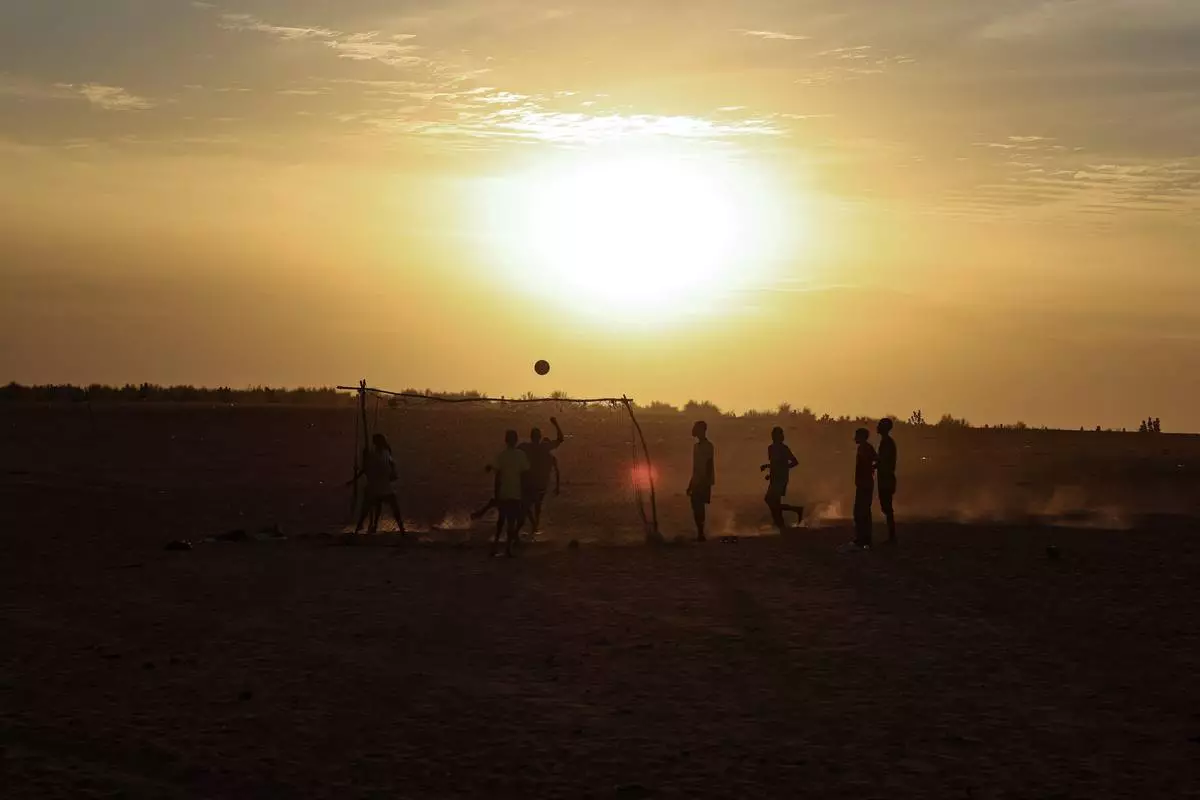
Boys play football as the sun sets in the Mbera Refugee Camp, near Bassikounou, Hodh El Chargui Region, Mauritania, Saturday Nov. 8, 2025. (AP Photo/Caitlin Kelly)
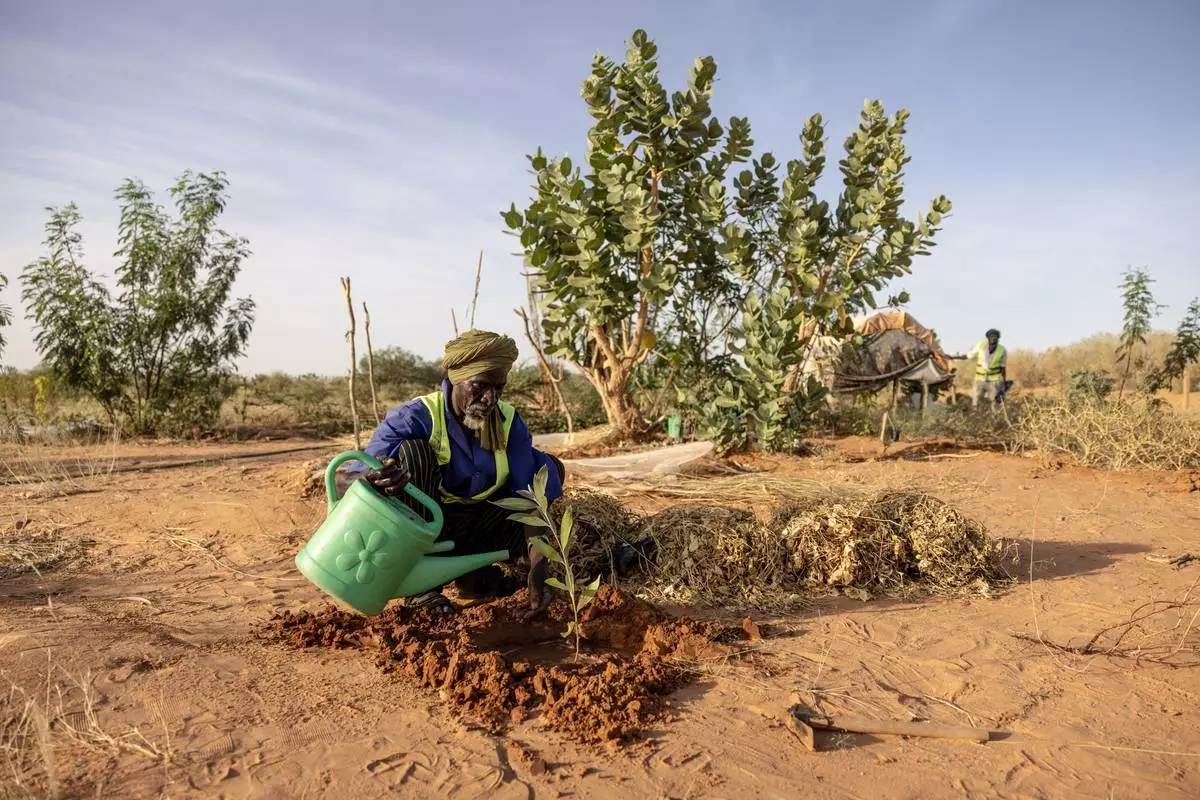
Members of the NGO SOS desert plant trees in Mbera Refugee Camp, near Bassikounou, Hodh El Chargui Region, Mauritania, Saturday Nov. 8, 2025. (AP Photo/Caitlin Kelly)
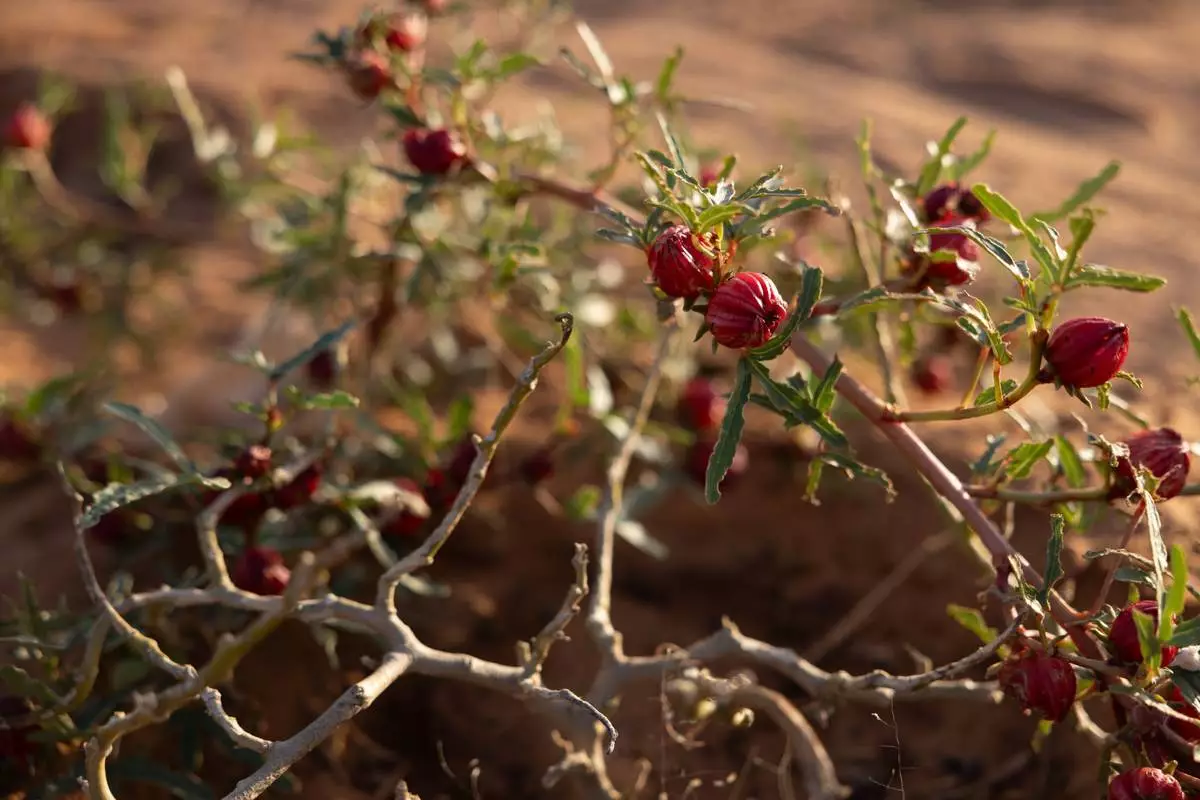
Plants flower in the dry desert plains of the Sahel bloom in Mbera Refugee Camp, near Bassikounou, Hodh El Chargui Region, Mauritania, Saturday Nov. 8, 2025. (AP Photo/Caitlin Kelly)
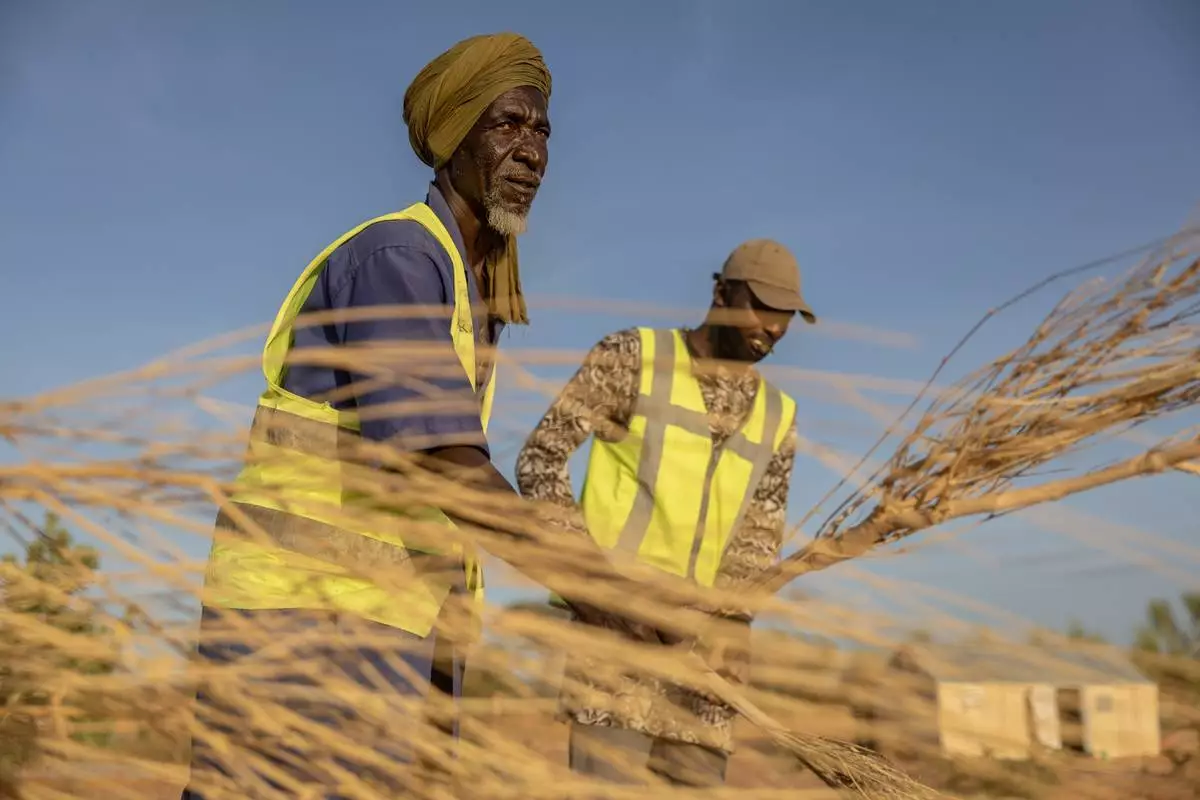
Mbera fire brigade members from the NGO SOS desert demonstrate the brushing technique used to extinguish fires in Mbera Refugee Camp, near Bassikounou, Hodh El Chargui Region, Mauritania, Saturday Nov. 8, 2025. (AP Photo/Caitlin Kelly)
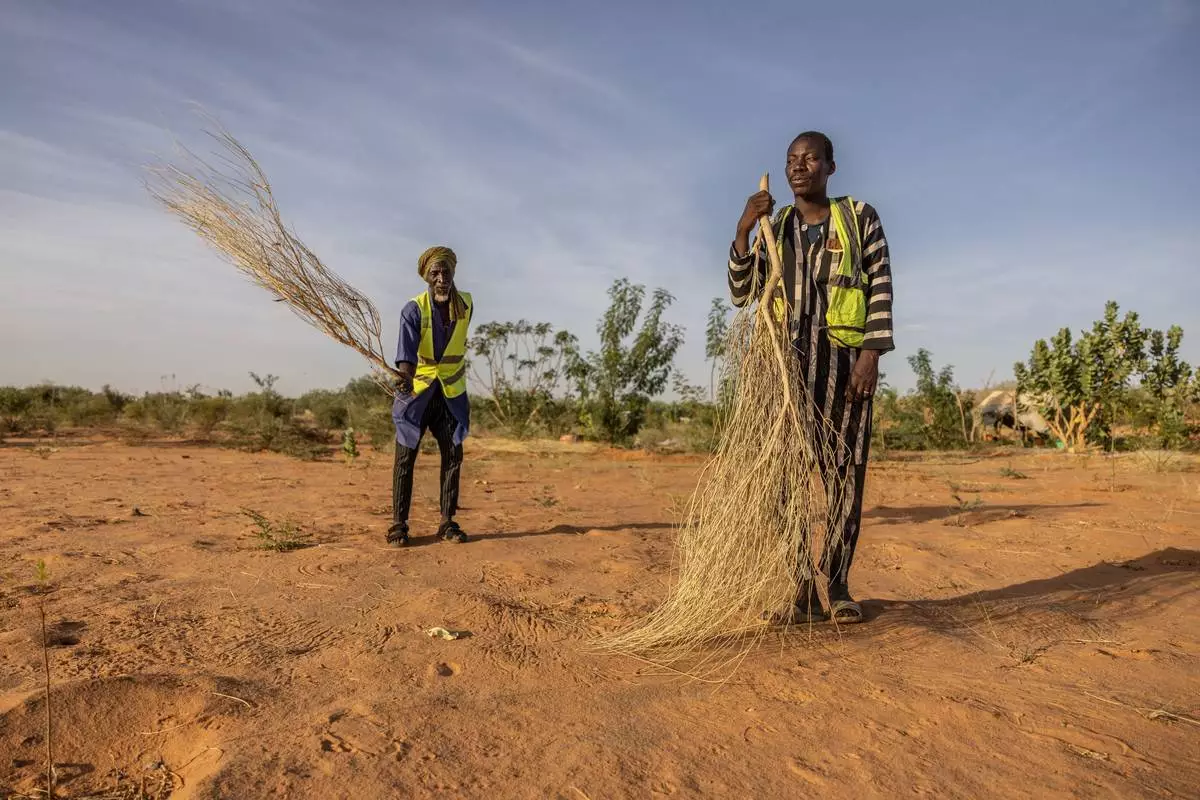
Mbera fire brigade members from the NGO SOS desert demonstrate the brushing technique used to extinguish fires in Mbera Refugee Camp, near Bassikounou, Hodh El Chargui Region, Mauritania, Saturday Nov. 8, 2025. (AP Photo/Caitlin Kelly)