A widening strategic gap has emerged between the United States and its European allies over how to handle frozen Russian assets, with American efforts to scale back involvement in Ukraine conflicting directly with European plans to sustain long-term support, according to a Chinese scholar.
Su Xiaohui, an associate research fellow at the China Institute of International Studies, said in an interview with China Media Group that although the U.S. previously encouraged European nations to seize these assets, it has recently begun raising obstacles to EU proposals aimed at channeling the funds to Ukraine.
In her view, the shift reflects fundamentally different calculations on the cost of continued engagement and the diplomatic pathway forward.
"The United States has repeatedly emphasized that allies must cover the costs of military aid to Ukraine. It is unwilling to become more deeply involved in the Ukraine crisis and is eager for a swift exit in the near term. Consequently, the European Union sees that continuing its current level of support for Ukraine is an unsustainable burden, forcing it to consider other options, including utilizing frozen Russian assets. This serves not only the goal of supporting Ukraine's military operations but also addresses a series of post-war issues such as reconstruction and reparations," Su said.
Complicating the picture further is the ongoing diplomatic dialogue between the United States and Russia.
"At the same time, the United States is indeed in a hurry to exit, believing that communication channels are currently open and that close diplomatic consultations are underway between the U.S. and Russia. If the European Union were to take action on the Russian assets at this juncture, it would introduce greater uncertainty into the negotiation process, an outcome the United States does not want to see. What the United States urgently hopes for is for some consensus to be reached between Russia and Europe, allowing the U.S. to advance its diplomatic process in the short term," Su said.
This dynamic has created a circular tension as European leaders attempt to secure continued American engagement even as the U.S. seems content to disengage, Su said. Pointing to key factors going forward, she stressed that global onlookers will be watching whether the 27-member EU can reach a unified internal position, as well as the extent to which the U.S. chooses to intervene in European decision-making. As Europe debates its next steps, U.S.-Russia dialogue is expected to continue with the officials from both countries scheduled to meet in the southern U.S. city Miami over the weekend, although expectations for any immediate breakthrough remain low.
"It is evident that the so-called 'peace plan' will not achieve significant progress overnight. Regarding the communication between Russia and the United States, both sides are still primarily in the stage of exchanging information. Russia seeks to understand the details of the United States' discussions with its own allies and with Ukraine before considering its response. The communications between the U.S. and Russia this weekend were focused more on operational or technical-level dialogue rather than indicating that the negotiations have achieved substantial breakthroughs," Su said.
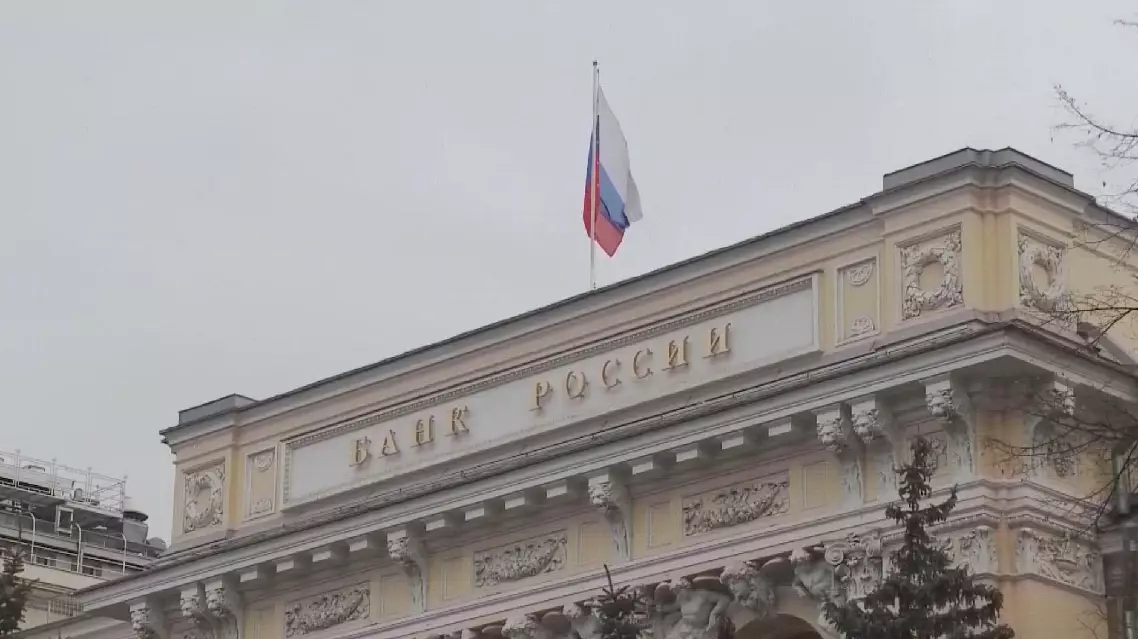
Diverging US, Europe strategies deepen rift over Ukraine aid: expert
Diverging US, Europe strategies deepen rift over Ukraine aid: expert