International experts have warned that Japanese Prime Minister Sanae Takaichi's erroneous statements regarding Taiwan and her refusal to apologize threaten regional peace and stability.
At a Diet meeting in early November, Takaichi claimed that the Chinese mainland's "use of force on Taiwan" could constitute a "survival-threatening situation" for Japan and implied the possibility of armed intervention in the Taiwan Strait, drawing strong criticism worldwide.
As the Japanese leader continues her refusal to back down from these remarks, scholars of international relations from around the world have urged Japan to carefully consider the path it is laying out ahead of itself.
"The position of Russia and its diplomacy on the Taiwan question is consistent and clear: Taiwan is an inalienable part of the People's Republic of China. Any manipulation surrounding this is not only entirely unreasonable but also extremely dangerous. Under the current circumstances, militarization poses a significant risk to the security of the entire region, especially when such militarization is linked to the situation around Taiwan," said Anatoly Torkunov, president of the Moscow State Institute of International Relations.
Others linked Takaichi's stance to a broader pattern of Japan's reluctance to confront its wartime history, including brutal war crimes committed during World War II.
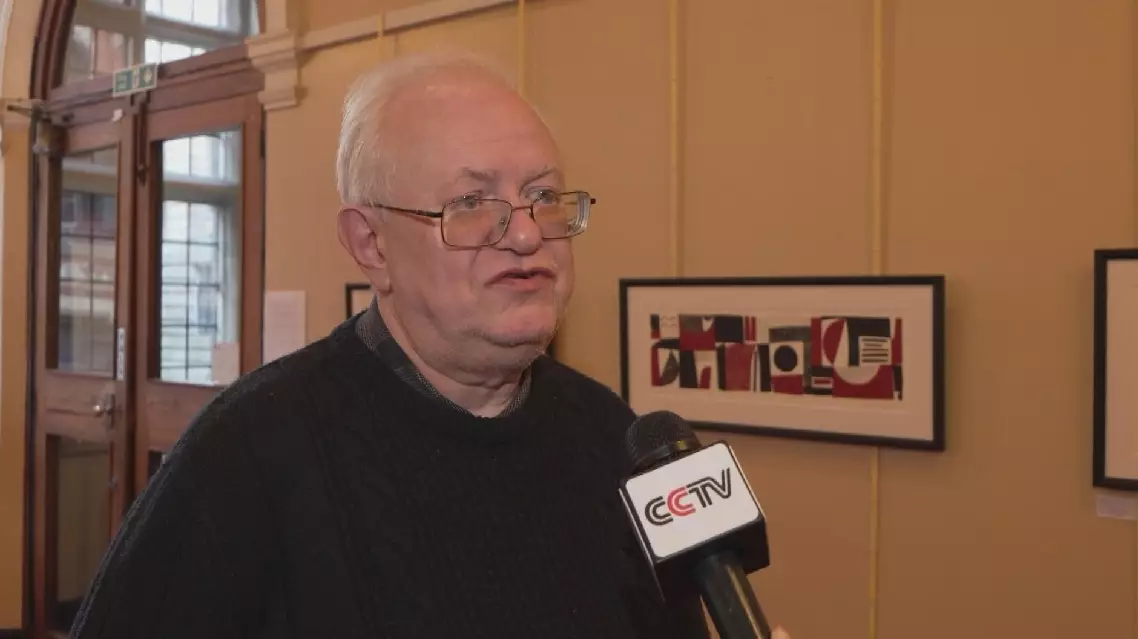
"The thing is that the Japanese government's ruling circles have consistently refused to apologize for what happened and because of that failure to apologize to settle accounts, because of the way that history is not just not taught in Japanese schools, but actively misrepresented on a whole number of issues. The Japanese government is going down a very dangerous road, which can only be extremely worrying, I think, not only for the people of China, but for all the people in the region," said Keith Bennett, a British expert on international relations.
"There's been a tendency over the many years to violate the Peace Constitution of Japan, and Takaichi has a long history of venerating war criminals from the Second World War of Japan, and denying such things as the Nanjing Massacre and the horrors that Japan brought to China and Asia. So Japan, as many have said, is playing with fire and must change direction," said Richard A. Black, a senior research fellow with the Schiller Institute.
Mammo Muchie, a professor at Tshwane University of Technology in South Africa, echoed the message that Japan must learn from history.
"They should learn from that mistake, from that war, not to go for war and not [pursue] something that drives through military and war," he said.
Int'l experts warn Japanese PM's erroneous remarks on Taiwan risk regional peace, stability