A Chinese political observer said on Sunday that the prospects for a ceasefire for the Ukraine crisis are cautiously improving, even as divisions persist within the European Union over financing support for Kiev.
U.S. and Russian special envoys are holding talks this weekend in Miami aimed at ending the conflict, which Russian officials have described as "constructive".
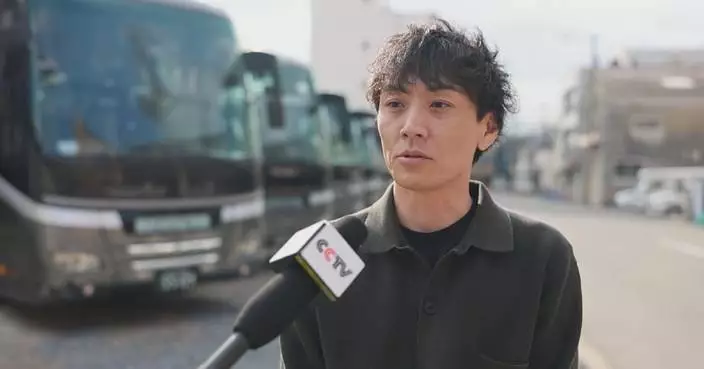
Speaking to China Global Television Network, Zhang Xin, an associate professor at the School of Politics and International Relations at East China Normal University, shared his views on the ceasefire outlook and the EU’s internal debate over frozen Russian assets.
In light of reports that EU leaders agreed on Friday to provide a 90-billion-euro loan to Ukraine without utilizing frozen Russian assets, Zhang outlined several key factors influencing this choice, highlighting that this approach was not only technically and legally complicated but also politically contentious, facing considerable opposition from some EU member states.
"There are a couple of reasons. One is that the earlier proposed approach of directly using the frozen Russian assets by Europe is technically too complicated, legally too complicated, and politically too challenging. And also for domestic, internal reasons, the earlier proposed direct use of frozen Russian assets is not welcomed by all members of the EU. There is some significant opposition to this proposed approach by European countries such as Belgium, Czech, and Slovakia. So I think for these reasons, the EU hasn't decided to take that approach directly. Instead, an alternative approach has now been agreed upon, which would reduce, at least for the time being, the potential political confrontation with Russia, in terms of the use of these assets. But it adds a significant cost to European countries directly, and the EU has also made it clear that it still reserves the right to use these assets in the future. So I think some possible legal, international law, or political disputes involving the use of frozen Russian assets in Europe are not completely resolved. We will see these legal and political disputes probably in the next few months in a different format," he said.
When asked about the prospects for a near-term ceasefire, Zhang expressed cautious optimism, noting that while a deal is not imminent, the parties appear closer to a political agreement than in recent years.
"In the larger picture, I still believe that we are in a situation that (where), relative to the previous three and a half years, we're probably getting closest to a possible political deal in terms of a ceasefire, although to reach that ceasefire will still take some time. Over the past weeks, we have seen some quite important steps made in terms of providing details to (about) each party's major standing, major position in the negotiations. For example, very importantly, in the recent discussion, including the ongoing one in Miami, the United States essentially made further detailed progress in its domestic political scene to discuss what specific domestic legal procedure any future U.S.-provided security guarantee to Ukraine needs to follow. We do see quite concrete progress among almost all parties to (regarding) how to realize a possible political deal with very specific details for implementation. So I think there can be some hope that we are getting closer to a possible political deal," he said.
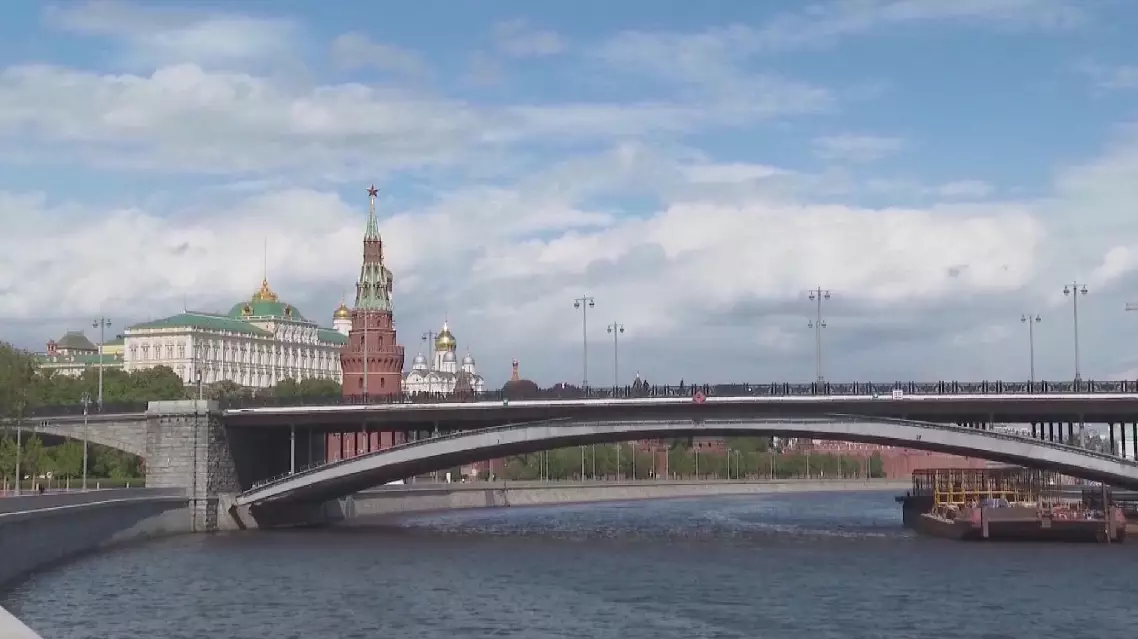
Chinese political observer highlights complex dynamics in Ukraine ceasefire talks