The island-wide special customs operations in the Hainan Free Trade Port (FTP), the world's largest FTP by area, have been smoothly implemented since the official launch on Dec 18, 2025, delivering remarkable results in zero-tariff imports and duty-free sales.
From Dec 18 to 31, the value of zero-tariff goods imported through customs supervision of the Hainan FTP hit 420 million yuan (about 60 million U.S. dollars), and that of zero-tariff goods processed in Hainan and sold to the mainland duty-free exceeded 47.23 million yuan (about 6.75 million U.S. dollars), according to data from the local customs authority.
Meanwhile, 3,265 new foreign trade companies were registered, marking a more than twofold year-on-year increase. Throughout 2025, over 30,000 new foreign trade companies were registered, up more than 40 percent over the previous year.
The island-wide special customs operations have also sparked a wave of duty-free consumption on the resort island of Hainan. Since Dec 18, it has recorded more than 2 billion yuan (about 285.86 million U.S. dollars) in duty-free sales and welcomed over 300,000 trips of shoppers.
Hainan customs authorities have optimized clearance and supervision methods, significantly enhancing the efficiency of the entire duty-free supply chain. This has enabled faster product turnover in duty-free stores, thereby improving visitors' shopping experience.
The move to designate China's southernmost island province of Hainan, which covers more than 30,000 square kilometers, as a special customs supervision zone is widely seen as a landmark in China's efforts to promote free trade and expand high-standard opening-up.
The launch of island-wide special customs operations marks a new stage in the development of the Hainan FTP, which enables freer flows of goods, capital, personnel, and data, supported by zero tariffs, low tax rates, and a simplified tax system.
Under the new policies, the share of zero-tariff products in the Hainan FTP has been raised from 21 to 74 percent, and the list of related items has been expanded from 1,900 to over 6,600.
Zero-tariff goods processed in Hainan may be sold to the mainland duty-free if their local processing added 30 percent or more in value.
Meanwhile, the value of certified locally produced goods in Hainan can be deducted from the cost of domestically sourced materials. This deduction counts toward the value-added portion, making it easier to meet the 30 percent threshold.
Companies said that this policy is conducive to maintaining closer cooperation between local material suppliers and manufacturers.
"Our company has been included in the first batch of certified companies supplying locally produced goods. Currently, we have partnership with four enterprises. Our second salt field is expected to have an annual output of approximately 9,000 tons, providing high-quality sea salt products for Hainan enterprises," said Wang Wensheng, manager of a local salt company.
The policy has not only unlocked sizable consumption opportunities for Hainan but also triggered a notable surge in tourism demand.
As the New Year holiday arrived, vacationers have flocked to the yacht marina in Sanya, a renowned tourist destination in Hainan, to explore the tropical coastal city's unique winter offerings.
Last year, the Hainan Bureau of Maritime Affairs implemented new regulations, raising the passenger limit per yacht from 12 to 26. This move has comprehensively promoted the upgrading of the entire yacht design, manufacturing, and service chain, significantly enhancing the international competitiveness of Hainan's yacht industry and attracting more well-known domestic and foreign yacht brands to the province.
Local industry insiders say that the development of Hainan FTP is bringing new impetus to the yacht industry.
"Since the official launch of Hainan's island-wide special customs operations, we have witnessed significant growth in the number of tourists. We also hope to take advantage of the favorable policies and gradually introduce more major international brands in the future to further promote the high-quality development of the yacht industry in Sanya," said Dong Jinhai, head of a yacht club.
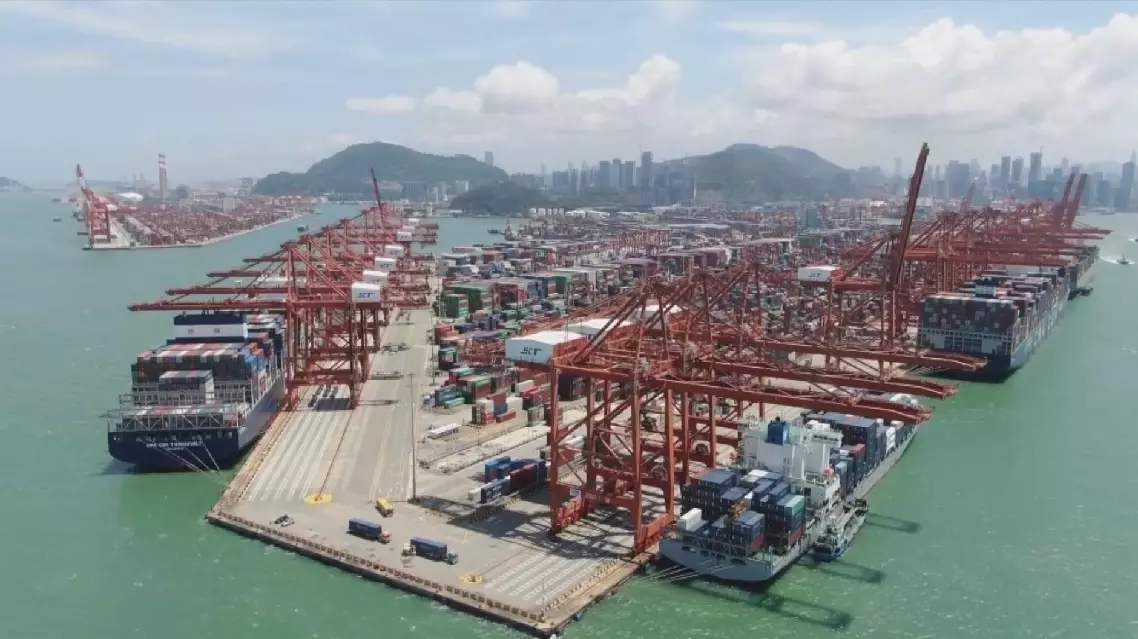
Hainan FTP's special customs operations implemented effectively with remarkable achievements