China's newly unveiled trade-in subsidy for 2026 is driving consumption nationwide, with digital and smart-tech products flying off the shelves.
In Guangzhou, the capital city of south China's Guangdong Province, flocks of consumers head to home appliance and smartphone stores during the ongoing New Year holiday.
"I decided to buy [a new phone] as there's new subsidy policy. I got a discount of 650 yuan (about 92.90 U.S. dollars), and with the government subsidy, I saved more than 1,000 yuan," said Wu, the first consumer to redeem the 2026 national trade-in subsidy.
"Consumer engagement is very high now. For example, customer number today has increased by 300 percent compared to last weekend. Take this tablet as an example. This model with 12+516GB memory capacity costs 3,199 yuan, but the price drops to only 2,699 yuan after the subsidy. Devices at this price are currently the most popular among consumers," said Jin Long, a staff member at the offline store of Chinese e-commerce giant JD.com.
China on Wednesday released detailed policies for the 2026 home appliance trade-in subsidy program, along with incentives for the purchase of digital and smart products.
According to a notice jointly issued by the Ministry of Commerce and other government departments, individual consumers purchasing energy- and water-efficient household appliances will be eligible for subsidies of up to 1,500 yuan per item.
Eligible products include refrigerators, washing machines, televisions, air conditioners, water heaters, and computers, with the subsidy set at 15 percent of the final purchase price after discounts.
In addition, subsidies will cover certain digital and smart products, including mobile phones, tablet computers, smartwatches and smart bands, priced at no more than 6,000 yuan each. For these products, the subsidy will be capped at 500 yuan per item.
According to China's e-commerce giant Suning.com, its home appliance sales on Thursday increased by 175 percent compared to its average daily sales in December 2025.
China began rolling out subsidies for consumer goods trade-ins in 2024 to boost market confidence and stimulate domestic demand.
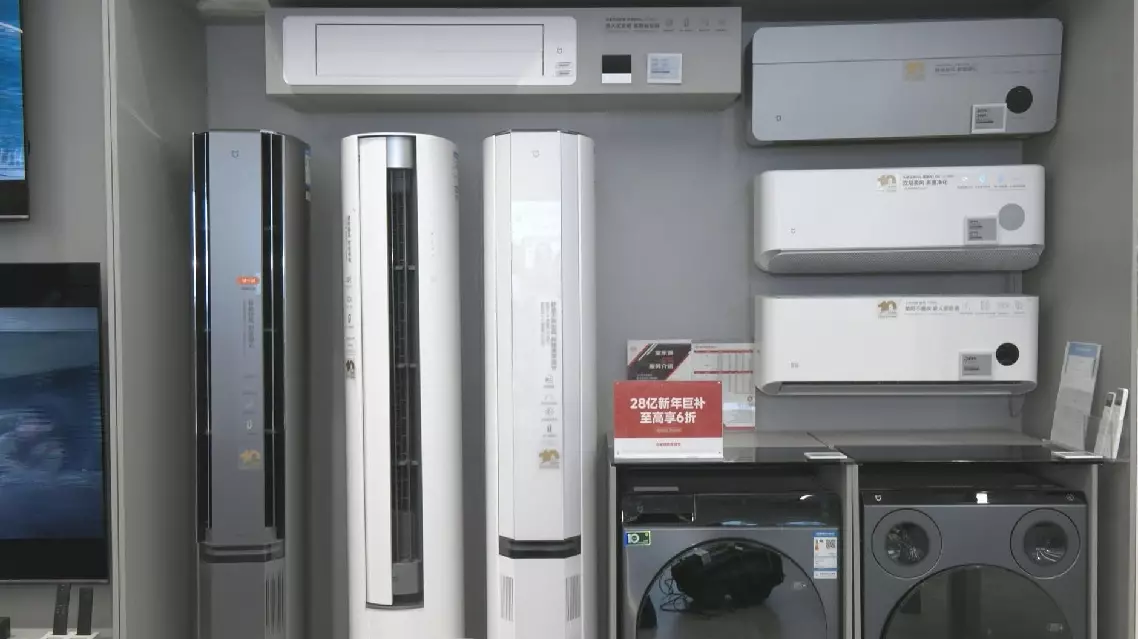
China's 2026 subsidy policies driving digital, smart product sales in New Year Holiday
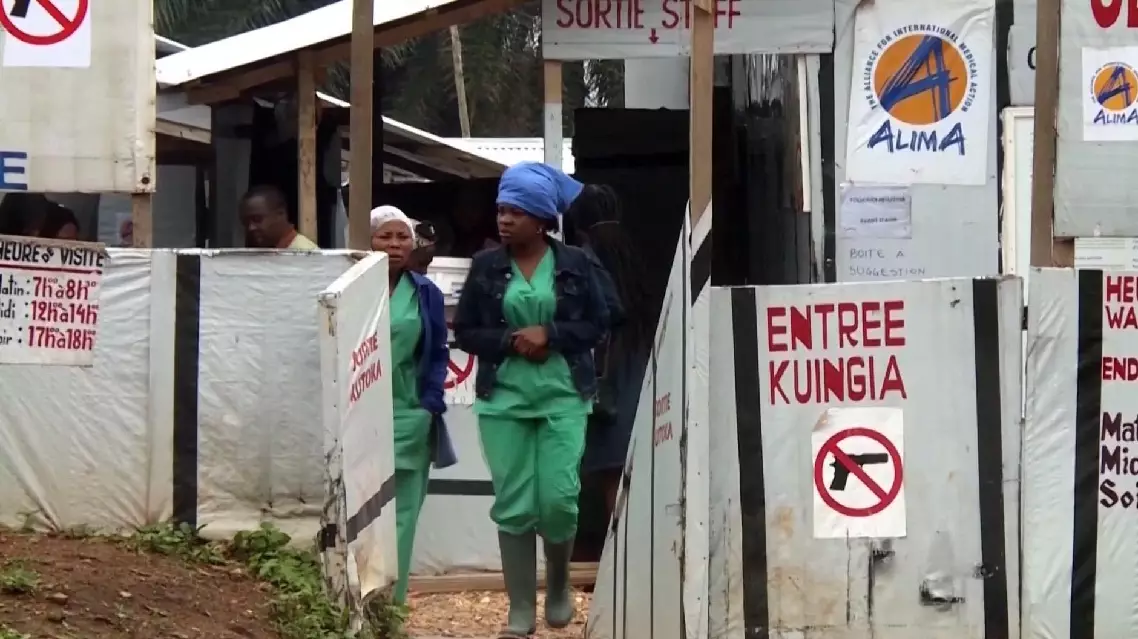
Yemen's transport ministry on Thursday rejected new Saudi-imposed flight restrictions, calling a requirement for planes to stop in Saudi Arabia for security inspections an "air blockade" that undermines national sovereignty.
Officials loyal to the secessionist Southern Transitional Council (STC) have refused to comply with the new protocols ordered by Yemen's Saudi-backed central government, and have partially halted operations in Aden International Airport, the country's primary gateway, a source within the Yemeni government told China's Xinhua News Agency.
The standoff is the latest sign of a deepening fracture within the coalition fighting the Houthi group. While the STC is technically part of Yemen's ruling Presidential Leadership Council (PLC), the group seeks independence for southern Yemen and is frequently at odds with the internationally recognized government.
Saudi Arabia recently ordered all international flights departing and entering Yemen to undergo security screenings at Jeddah Airport before continuing to their final destinations. While some of those restrictions were later eased, they remain in place for all flights traveling to and from the United Arab Emirates (UAE), which is allegedly the main backer of STC.
Government officials said the measures are intended to curb the movement of STC leaders between Yemen and the UAE, effectively cutting off external support for the secessionist movement.
Tensions between the factions escalated this week after the STC seized large swathes of the oil-rich Hadramout province and the eastern province of Al-Mahrah. Riyadh considers these areas a "red line" due to their proximity to the Saudi border and their concentration of Yemen's remaining energy reserves.
On Tuesday, a Saudi-led coalition airstrike targeted vehicles at the port of Mukalla in Hadramout. Saudi officials said the vehicles were intended for STC forces. Following the strike, PLC Chairman Rashad al-Alimi canceled a joint defense agreement with the UAE and ordered all Emirati forces to leave the country within 24 hours. The UAE confirmed Thursday it has begun withdrawing its remaining troops from Hadramout, citing safety concerns.
The STC commands significant control over Aden and other southern cities. Several cabinet members, including Transport Minister Abdulsalam Saleh Humaid, are loyal to the STC rather than the central leadership.
Aden's pro-separatist officials reject Saudi flight restrictions, partially halt airport operations