
Skip to Content Facebook Feature Image

Gen X vs. Millennial Parents: New USAA Data Reveals Differences in Early Financial Behaviors for Gen Alpha

News

Gen X vs. Millennial Parents: New USAA Data Reveals Differences in Early Financial Behaviors for Gen Alpha
News

News

Gen X vs. Millennial Parents: New USAA Data Reveals Differences in Early Financial Behaviors for Gen Alpha

2026-01-13 22:04 Last Updated At:22:11

SAN ANTONIO--(BUSINESS WIRE)--Jan 13, 2026--

While Gen Z (born between 1997 and 2009) is under a constant microscope as the next generation to shape the economy, Gen Alpha – those born in 2010 or later - is rapidly forming their spending and saving habits, according to new data from USAA Federal Savings Bank.

This press release features multimedia. View the full release here: https://www.businesswire.com/news/home/20260113947016/en/

In examining Gen Alpha’s money habits, this analysis of aggregated data from over 579,000 USAA Bank Youth Checking and Savings accounts also revealed the generational influence that parents may have. Particularly, kids with Gen X parents had 30% higher average savings account balances and dipped into savings a third less often than Millennial-parented peers. This 30% difference is despite the typical deposit at account opening being nearly identical for both sets of children.

Conversely, the digital familiarity of Millennials may trickle down into their kids’ app usage. The analysis showed that CashApp, Zelle® and other P2P payment app usage among kids with Millennial parents was twice as high as those with Gen X parents, both in terms of percentage of overall spend and volume. With kids having access to spending – and even earning – money via mobile devices at a younger age, Gen Alpha stands to shape economic trends and their own financial well-being earlier than any previous generation.

“Helping children start on a strong financial footing is impactful for the long-term wellbeing of our members and their families,” said Michael Moran, President, USAA Federal Savings Bank. “Our data shows that Gen Alpha is forming their financial habits from an earlier age, with digital commerce available to them like no previous generation. While each parental generation will impart their own wisdom and nuance, instilling the basics of spending and saving at a younger age becomes even more important.”

GenAlpha Savings Trends: A Head Start

In examining Gen Alpha account balances by birth year, the data showed that younger children – especially those born in or around 2020 – have balances that are 6-9% above the Gen Alpha average, higher than generational peers. Some of this may be due to parents having funneled pandemic-era stimulus into their kids’ savings, mirroring a trend among adult savings accounts in 2020-21. That said, younger children tend to be in the ‘savings’ phase of the youth financial lifecycle, with fewer opportunities to spend and activity directed primarily by parents.

While the teen/pre-teen Gen Alphas have savings balances that are 2-5% below the generational average, they are also entering a more active spending phase of the lifecycle. The savings difference between older and younger Gen Alphas is marginal, highlighting some saving alongside spending.

How Is Gen Alpha Spending Their Money?

Some trends, such as spending more on eating out, shopping and games, were timeless. Looking at purchases and payments, Gen Alpha children are spending their money on retail, dining and gaming platforms. Where the money goes – and how much of it goes where – differs only slightly between children with Gen X and Millennial parents. Shopping is king, with three major online and brick-and-mortar retailers accounting for 10% or more of all spend.

Given that the oldest Gen Alphas are now reaching the age where part-time work is possible, it comes as no surprise that the Bank of Mom and Dad are still the biggest funders. About 70% of incoming transactions, by value, into youth checking accounts were from a USAA or other bank account. That said, 15% came from payroll deposits.

Building a Solid Foundation

Helping kids learn to save and spend wisely sets the stage for lifelong financial success. Parents play a critical role by modeling good habits and providing tools that make money management simple and engaging.

USAA provides extensive advice on youth saving, spending and banking for success. Here are some tips for parents and kids:

Notes to Editors

Methodology

This analysis was derived from aggregated and anonymized account and transaction data from over 579,000 USAA Bank Youth Checking and Savings accounts belonging to USAA members born between August 31, 2010 and August 31, 2025. Account balances were as of August 31, 2025. Annual transaction and payment data reflects the period of September 1, 2024 through August 31, 2025.

About USAA

Founded in 1922 by a group of military officers, USAA is among the leading providers of insurance, banking and retirement solutions and serves more than 14 million members of the U.S. military, veterans who have honorably served and their families. Headquartered in San Antonio, USAA has offices in eight U.S. cities and three overseas locations and employs more than 38,000 people worldwide. Each year, the company contributes to national and local nonprofits in support of military families and communities where employees live and work. For more information about USAA, follow us on Facebook or X (@usaa), or visit usaa.com.
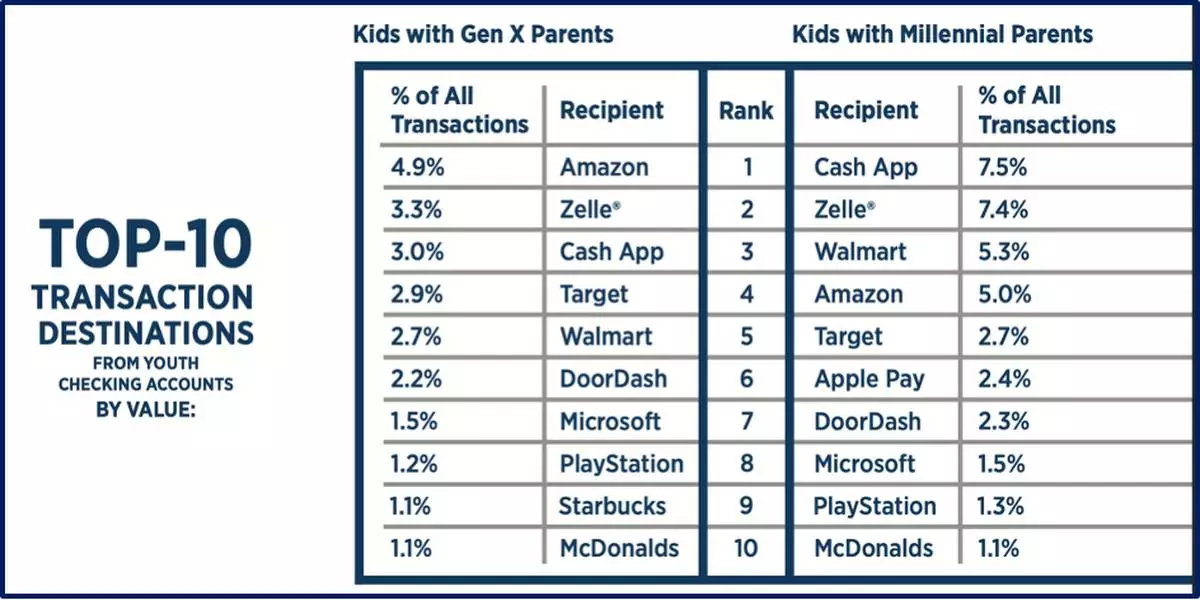
Gen X vs. Millennial Parents: New USAA Data Reveals Differences in Early Financial Behaviors for Gen Alpha
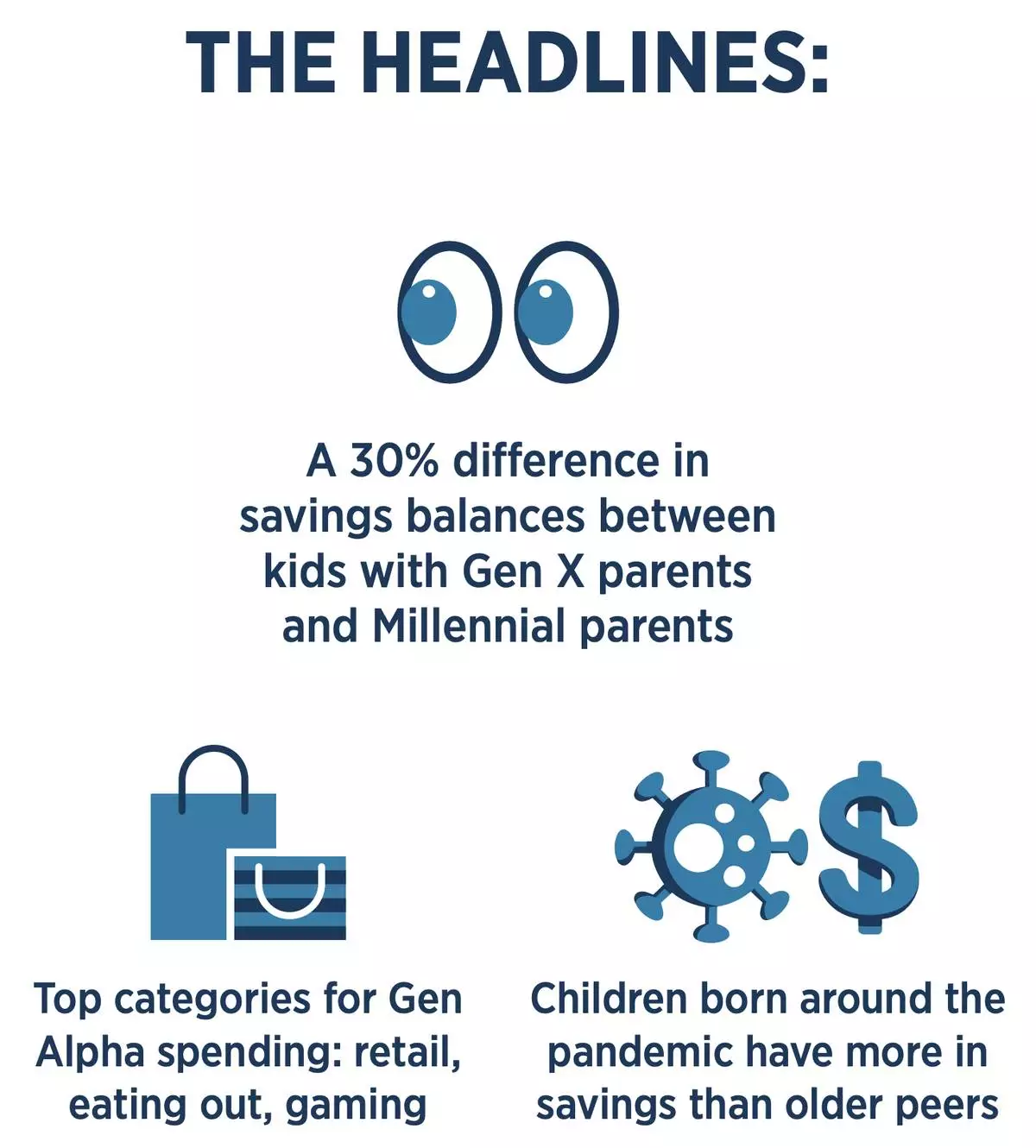
Gen X vs. Millennial Parents: New USAA Data Reveals Differences in Early Financial Behaviors for Gen Alpha


Gen X vs. Millennial Parents: New USAA Data Reveals Differences in Early Financial Behaviors for Gen Alpha

Gen X vs. Millennial Parents: New USAA Data Reveals Differences in Early Financial Behaviors for Gen Alpha

DEIR AL-BALAH, Gaza Strip (AP) — At least four people died overnight in Gaza from walls collapsing onto their tents as strong winds lashed the Palestinian coastal territory, hospital authorities said Tuesday.

Dangerous living conditions persist in Gaza after more than two years of devastating Israeli bombardment and aid shortfalls. A ceasefire has been in effect since Oct. 10. But aid groups say that Palestinians broadly lack the shelter necessary to withstand frequent winter storms.

The dead include two women, a girl and a man, according to Shifa hospital, Gaza City’s largest hospital, which received the bodies.

Meanwhile, the child death toll in Gaza ticked up. The Gaza Health Ministry said Tuesday a 1-year-old boy died of hypothermia overnight, while the spokesman for the U.N.’s children agency said over 100 children and teenagers have been killed in the territory by “military means" since the ceasefire began.

Three members of the same family — 72-year-old Mohamed Hamouda, his 15-year-old granddaughter and his daughter-in-law — were killed when an 8-meter-high (26-foot-high) wall collapsed onto their tent in a coastal area along the Mediterranean shore of Gaza City, Shifa hospital said. At least five others were injured in that collapse.

Their relatives on Tuesday began removing the rubble that had buried their loved ones and rebuilding the tent shelters for survivors.

“The world has allowed us to witness death in all its forms,” Bassel Hamouda said after the funeral. “It’s true the bombing may have temporarily stopped, but we have witnessed every conceivable cause of death in the world in the Gaza Strip.”

A second woman was killed when a wall fell on her tent in the western part of the city, Shifa hospital said.

The majority of Palestinians live in makeshift tents since their homes were reduced to rubble during the war. When storms now strike the territory, Palestinian rescue workers warn people against seeking shelter inside damaged buildings, saying they could fall down on top of them. Aid groups say not enough shelter materials are entering Gaza during the truce.

In the central town of Zawaida, Associated Press footage showed inundated tents Tuesday morning, with people trying to rebuild their shelters.

Yasmin Shalha, a displaced woman from the northern town of Beit Lahiya, stood against winds that lifted the tarps of tents around her as she stitched hers back together with needle and thread. She said it had fallen on top of her family the night before, as they slept.

“The winds were very, very strong. The tent collapsed over us,” the mother of five told the AP. “As you can see, our situation is dire.”

Mohamed al-Sawalha, a 72-year-old man from the northern refugee camp of Jabaliya, criticized the conditions that most Palestinians in Gaza endure.

“It doesn’t work neither in summer nor in winter,” he said of the tent. “We left behind houses and buildings (with) doors that could be opened and closed. Now we live in a tent. Even sheep don’t live like we do.”

Israel’s bombing campaign has reduced entire neighborhoods to rubble and half-standing structures. Residents aren’t able to return to their homes in Israeli-controlled areas of the Gaza Strip.

Gaza Health Ministry said Tuesday a 1-year-old boy died of hypothermia in the central town of Deir al-Balah, the seventh fatality due to the cold conditions since winter started, including a baby just seven days old and a 4-year-old girl whose deaths were announced the day before.

The ministry, part of the Hamas-run government, says more than 440 people were killed by Israeli fire and their bodies brought to hospitals since the ceasefire went into effect just over three months ago. The ministry maintains detailed casualty records that are seen as generally reliable by U.N. agencies and independent experts.

Meanwhile, UNICEF spokesman James Elder said Tuesday at least 100 children under the age of 18 — 60 boys and 40 girls — have been killed in Gaza since the truce began due to military operations, including drone strikes, airstrikes, tank shelling and use of live ammunition. Those figures, he said, reflect incidents where enough details have been compiled to warrant recording, but the total toll is expected to be higher. He also said hundreds of children have been wounded.

While “bombings and shootings have slowed” during the ceasefire, they have not stopped, Elder told reporters at a U.N. briefing in Geneva by video from Gaza City.

“So what the world now calls calm would be considered a crisis anywhere else,” he told

The Palestinian territory's population of more than 2 million people has been struggling to keep the cold weather and storms at bay, amid shortages of humanitarian aid and a lack of more substantial temporary housing, which is badly needed during the winter months. It's the third winter since the war between Israel and Hamas started on Oct. 7, 2023, when militants stormed into southern Israel and killed around 1,200 people and abducted 251 others into Gaza.

Gaza’s Health Ministry says more than 71,400 Palestinians have been killed since Israel's retaliatory offensive began in the territory.

Samy Magdy reported from Cairo. Associated Press writers Toqa Ezzidin in Cairo, Jamey Keaten in Geneva and Julia Frankel in Jerusalem contributed to this report.

Palestinians repair their tents after they were damaged by a storm at a displacement camp in Gaza City, Tuesday, Jan. 13, 2026. (AP Photo/Jehad Alshrafi)

Palestinians repair their tents after they were damaged by a storm at a displacement camp in Gaza City, Tuesday, Jan. 13, 2026. (AP Photo/Jehad Alshrafi)

A view of a displacement camp sheltering Palestinians on a beach amid stormy weather in Gaza City, Tuesday, Jan. 13, 2026. (AP Photo/Jehad Alshrafi)

A view of a displacement camp sheltering Palestinians on a beach amid stormy weather in Gaza City, Tuesday, Jan. 13, 2026. (AP Photo/Jehad Alshrafi)

A man carries a piece of wood at a displacement camp sheltering Palestinians on a beach amid stormy weather in Gaza City, Tuesday, Jan. 13, 2026. (AP Photo/Jehad Alshrafi)

A man carries a piece of wood at a displacement camp sheltering Palestinians on a beach amid stormy weather in Gaza City, Tuesday, Jan. 13, 2026. (AP Photo/Jehad Alshrafi)

Members of the Hamouda family bid farewell to relatives who died when a damaged building collapsed onto their tents during a storm of wind and rain, at Al-Shifa Hospital in Gaza City, Tuesday, Jan. 13, 2026. (AP Photo/Jehad Alshrafi)

Members of the Hamouda family bid farewell to relatives who died when a damaged building collapsed onto their tents during a storm of wind and rain, at Al-Shifa Hospital in Gaza City, Tuesday, Jan. 13, 2026. (AP Photo/Jehad Alshrafi)

People inspect the site where at least four Palestinians died following the collapse of walls onto tents sheltering displaced people in Gaza City amid rainfall and strong winds, Tuesday, Jan. 13, 2026. (AP Photo/Jehad Alshrafi)

People inspect the site where at least four Palestinians died following the collapse of walls onto tents sheltering displaced people in Gaza City amid rainfall and strong winds, Tuesday, Jan. 13, 2026. (AP Photo/Jehad Alshrafi)

Recommended Articles