MINNEAPOLIS--(BUSINESS WIRE)--Jan 15, 2026--
Insert at the end of fourth full paragraph, fourth sentence of release: with free shipping for Walmart+ members or on all orders from Walmart.com over $35.
This press release features multimedia. View the full release here: https://www.businesswire.com/news/home/20260115213382/en/
The updated release reads:
PROGRESSO ™ SOUP DROPS — THE SOUP YOU CAN SUCK ON — RETURN IN NEW VARIETY CAN FEATURING CHICKEN NOODLE, TOMATO BASIL AND BEEF POT ROAST FLAVORS
This year the fan-favorite Soup Drops deliver added warmth, to make every drop taste even more like a bowl of Progresso Soup.
Progresso Soup Drops are back just in time for cold and flu season — and for any day that just sucks. After selling out in just minutes last January, the soup you can suck on now debuts the first-ever Progresso Soup Drops Variety Can featuring three of Progresso’s most iconic soup flavors.
Returning for year two and perfectly timed to National Soup Month, there's a Progresso Soup, and now a Soup Drop, to help turn any moment from "ugh" to "ahh":
Each Soup Drop hits on the flavors fans know and love from Progresso, and this year, they're bringing the heat — literally. The new Progresso Soup Drops deliver a feeling of warmth in your mouth, making every drop taste even more like a bowl of Progresso Soup.
The limited-edition Progresso Soup Drops Variety Cans go on sale Thursday, Jan. 15 at 9 a.m. ET — and every Thursday for the remainder of January at 9 a.m. ET (while supplies last). Visit ProgressoSoupDrops.com to learn more, including how to get your hands on the exclusive Variety Cans available only at Walmart.com. Each order includes one Progresso Soup Drops Variety Can containing individually wrapped Soup Drops in all three flavors, plus a can of Progresso Chicken Noodle Soup. This year’s bundle retails for $2.97, about the price of a can of Progresso Soup, with free shipping for Walmart+ members or on all orders from Walmart.com over $35.
“Cold and flu season sucks, and the only way to combat this time of year is with the flavors of Progresso — whether that’s in a comforting bowl or through the joy of soup you can suck on,” said María Carolina Comings, VP, Business Unit Director for Progresso at General Mills. “This year, Progresso Soup Drops deliver more fun, more flavor and more comfort when you need it most.”
Get your own Progresso Soup Drops online and stock up on your favorite Progresso Soups at retailers and grocery stores nationwide. For more information, visit Progresso.com or follow @Progresso on Instagram and TikTok.
About General Mills
General Mills makes food the world loves. The company is guided by its Accelerate strategy to boldly build its brands, relentlessly innovate, unleash its scale and stand for good. Its portfolio of beloved brands includes household names like Cheerios, Nature Valley, Blue Buffalo, Häagen-Dazs, Old El Paso, Pillsbury, Betty Crocker, Totino’s, Annie’s, Wanchai Ferry, Yoki and more. General Mills generated fiscal 2025 net sales of U.S. $19 billion. In addition, the company’s share of non-consolidated joint venture net sales totaled U.S. $1 billion.

Progresso Soup Drops return with more flavors, more comfort — crafted to warm up in your mouth for sick days, cold days and more.
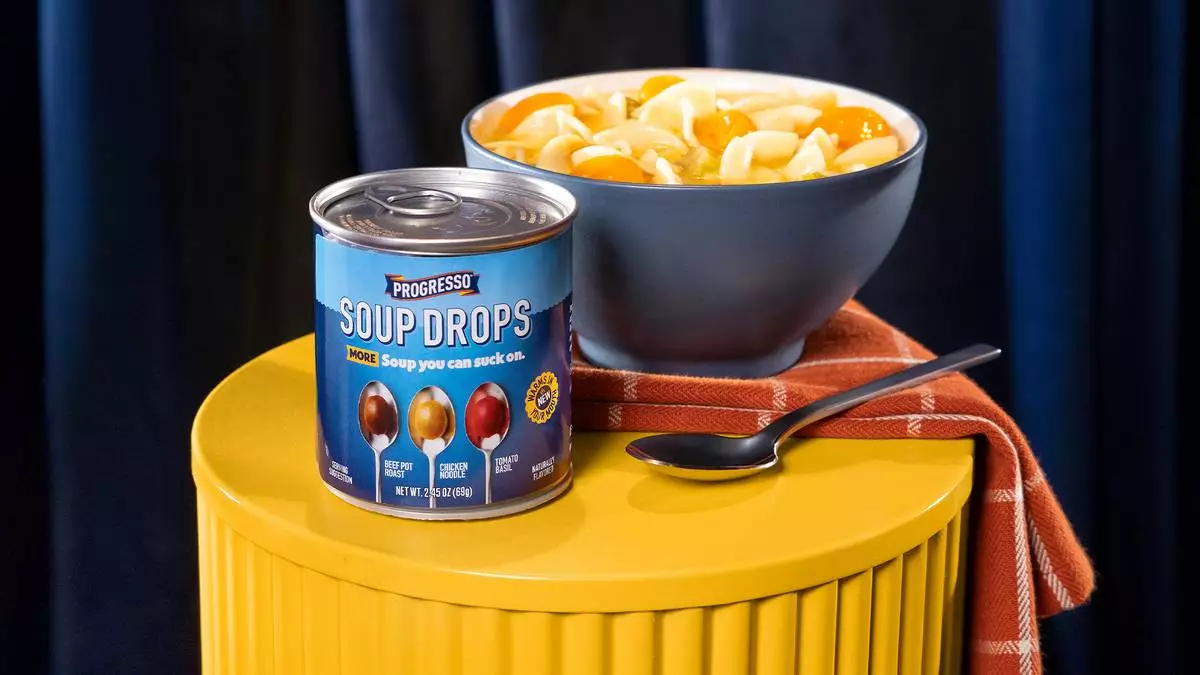
Progresso Soup Drops return with more flavors, more comfort — crafted to warm up in your mouth for sick days, cold days and more.
SIOUX FALLS, S.D. (AP) — Easter is around the corner, and it's time to start thinking about how to decorate your eggs.
Whether you're dying eggs for your table spread or planning to hide them for an egg hunt, it's important to follow food safety guidelines to minimize germs and maximize your egg quality.
Eggs are remarkably long lasting, so there needn't be a giant rush to eat them.
“Stores usually do turn over eggs pretty quickly, so the recommendations is you should consume eggs three to five weeks after you purchase them,” said Kara Lynch, food safety educator with Michigan State University Extension.
There is also a benefit in letting eggs age just a bit, as older eggs can be easier to peel. That's because eggs shrink over time within the shell, creating an air pocket between the egg and the shell.
Egg processors clean eggs before they reach store shelves, but it also is important to thoroughly cook eggs to reduce the risk of foodborne illness, especially salmonella. That bacteria lives naturally in the gastrointestinal and reproductive tracts of chickens, said Kimberly Baker, associate extension specialist at Clemson University.
To cook your eggs, place them in a saucepan, fill it with water and bring it to a boil. After that, put the lid on, turn the heat off and let it sit for about 12 minutes. Some also favor turning down the heat and simmering eggs.
You can vary the time in the hot water depending on a desire for harder boiled or slightly creamier eggs, but the yolk should be pretty solid to be safe. Boiling them for too long can risk creating green sulfur development on the outside of the yolk.
After that, Don Schaffner, food science department chair at Rutgers University, said there are two options.
You can run your eggs under cold water to reduce the temperature. From there, you can color them right away or place them back in the fridge until you're ready. Or, after you've boiled them, you can let them air dry until they've cooled.
The boiling process sanitizes the eggs, and as long as they are kept out of water, Schaffner said, they will remain safe to eat.
“You’ve boiled the egg, you’ve gotten rid of any bacteria that might be in the egg. And now you’ve air-cooled it, right? So it’s going to cool more slowly, it’s probably going to cook more,” he said. “But most importantly, you don’t have to worry about any bacteria from the water getting internalized into the egg.”
Either artificial or natural food dye is OK as long as the dye label says it's food grade. For those keeping track, the U.S. Food and Drug Administration has been updating its guidance and regulations regarding certain dyes.
And no, it's not a problem if the dye seeps through the shell.
“Eggs kind of naturally have their own abilities to absorb only so much,” Baker said.
As you're decorating the eggs and have the eggs outside, she suggested keeping your eggs in an ice bath, so they can stay at a cooler temperature while you're decorating.
Eggs should generally be kept at or below 40 degrees (4.4 degrees Celsius) to minimize the risk of contaminants.
Cooked eggs that weren't air-cooled should spend no more than two hours at room temperature. And that's cumulative, including the time spent decorating and the time spent hiding during the Easter egg hunt.
But if it's particularly warm, then that two-hour rule may be shortened to one hour, Lynch said.
Hard boiled eggs are generally good for about a week in the fridge.
Be careful with your eggs as you handle them.
One of the biggest concerns is making sure your eggs haven't cracked during an Easter egg hunt, making them vulnerable to contaminants. And once the egg has been hard boiled, there's no way to kill bacteria that get inside, Baker said.
“We don’t want to be putting them in the soil or in lawns where pets have gone to the bathroom,” she said.
Whether the eggs are hidden outdoors or in a corner of your home, you should rinse them in cool water before you peel them. And wash your hands, too, just in case the eggs have picked up something.
If the Easter egg hunt means your eggs will be at room temperature for longer than two hours, experts recommended using plastic eggs for the hunt instead of real ones to minimize food safety risk.
“If it’s an outdoor Easter egg hunt at any time, I would say go with the plastic eggs and be safe,” Baker said. “And use your dyed Easter eggs as your centerpiece on your table or your buffet, and enjoy them that way.”

FILE - Painted Easter eggs hang from an Easter Tree in Saalfeld, central Germany, March 30, 2018. (AP Photo/Jens Meyer, File)