The latest U.S. National Security Strategy has redrawn priorities closer to home and pushed pressure outward. From Latin America to Greenland, the "America First" approach has influenced how the United States defines security interests, prompting debate over sovereignty, regional stability, and international rules.
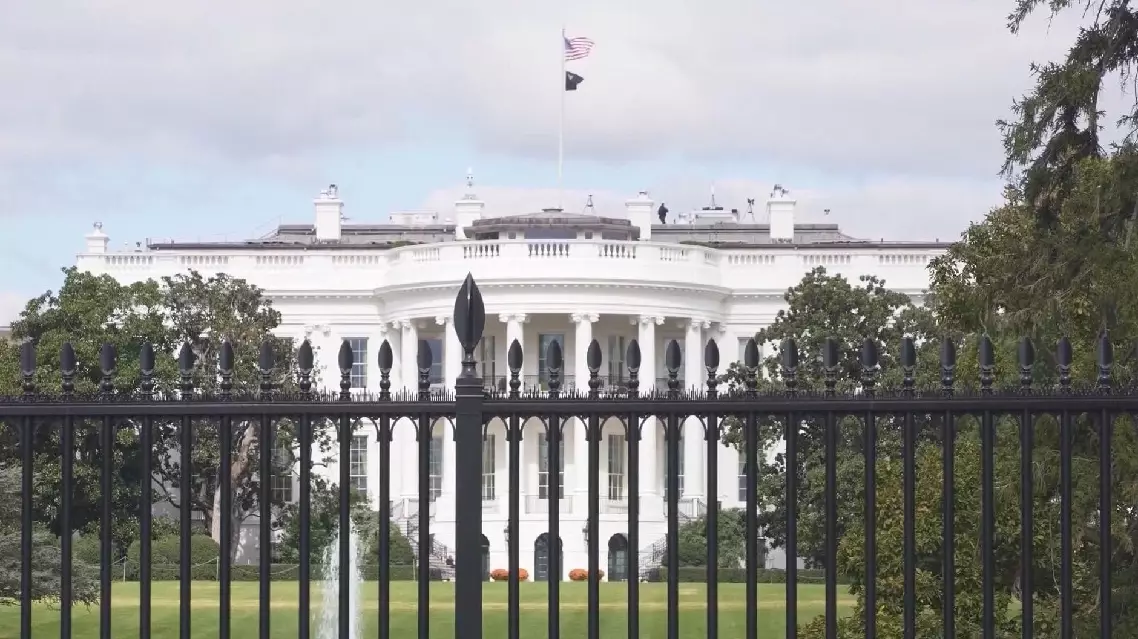
In December 2025, Washington released its latest National Security Strategy.
The document outlines a shift toward prioritizing what it describes as urgent threats in the Western Hemisphere, alongside adjustments to restore what it calls "American preeminence in the region".
In the weeks following the strategy's release, its impact began to draw international attention.
The U.S. carried out a military operation that resulted in the detention of Venezuelan President Nicolas Maduro.
At the same time, Washington's rhetoric toward other countries in the Latin America intensified.
In Cuba, Washington tightened restrictions linked to Venezuelan oil shipments, contributing to further strain on energy supplies.
In Mexico, U.S. officials framed drug trafficking as a national security issue, designating drug cartels as terrorist organizations.
In Colombia, the U.S. combined tariff threats with personal attacks directed at President Gustavo Petro.
"The basic nature is carrot and stick. Well, sometimes the U.S. would offer economic aid. But on the other hand, there will be more sticks," said Jiang Shixue, director of Center for Latin American Studies at Shanghai University.
The strategy also emphasizes limiting the influence of external powers in the Hemisphere.
It commits the United States to preventing non-Hemispheric countries from positioning military forces or controlling what Washington defines as strategically important assets within the region.
This logic extends beyond Latin America.
Greenland has been cited by U.S. leaders as strategically important for Arctic security, renewing debate over sovereignty despite Denmark's administration of the territory.
"The United States needs Greenland for the purpose of National Security. It is vital for the Golden Dome that we are building," Trump said on his Truth Social.
Washington has also increased military pressure on Iran, citing security concerns amid ongoing domestic unrest there.
"When you do the tough talking, he says look what happened in Venezuela, you want that happen to you? The negotiation tactic will make the other governments a little bit more supportive of Trump," said Thomas Pauken II, a geopolitical consultant.
Beyond individual cases, critics point to a broader concern: the strain on international rules and norms.
All options are always on the table for President Trump, as he examines what is in the best interests of the United States, said White House Press Secretary Karoline Leavitt.
When "national security" is no longer defined solely as defense, it is increasingly used as a tool of leverage. And under "America First", that leverage has become a central feature of U.S. foreign policy.
US abusing concept of national security to oppress other countries