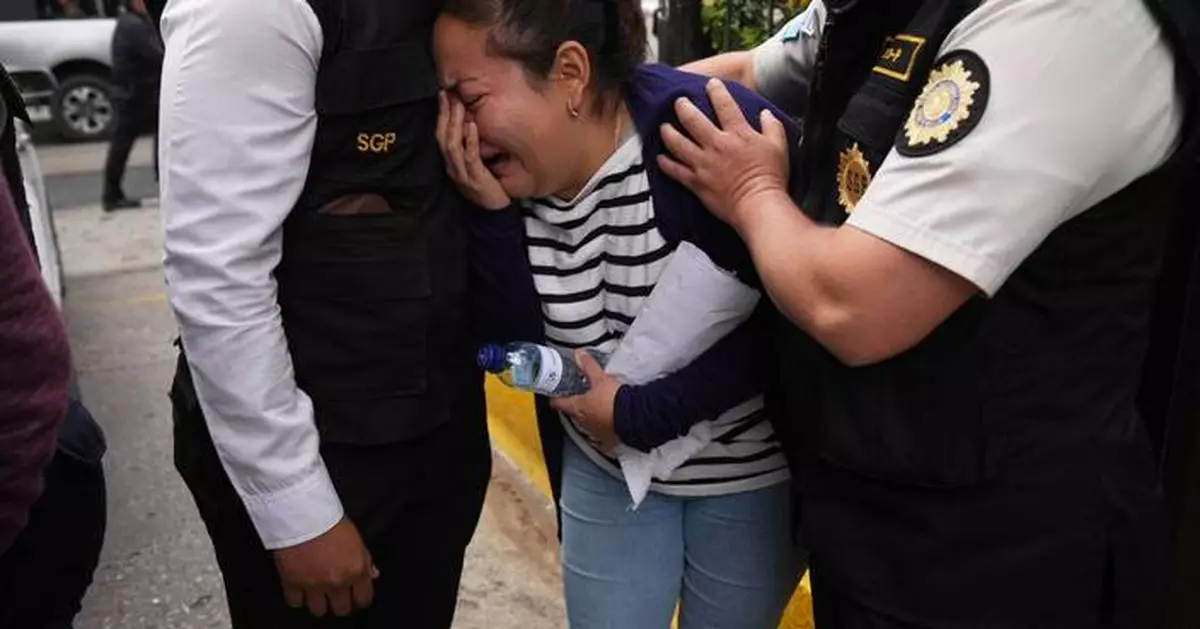
Guatemala President Bernardo Arévalo declared a state of emergency following a surge of gang-related violence that included prison riots and the killing of several police officers over the weekend.
This is a photo gallery curated by AP photo editors.
Click to Gallery
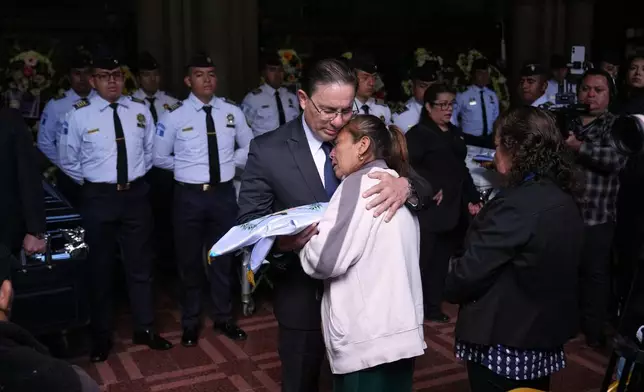
Interior Minister Marco Antonio Villeda gives a Guatemalan flag to the mother of police officer Luis Zetino, one of many officers killed while retaking control of three prisons, during a wake for the fallen officers at the Interior Ministry in Guatemala City, Monday, Jan. 19, 2026. (AP Photo/Moises Castillo)
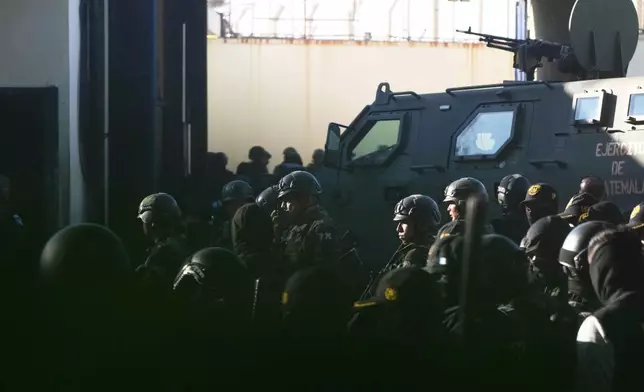
Security forces enter the Renovation maximum-security prison to free guards taken hostage and retake control of the facility, which houses gang leaders, in Escuintla, Guatemala, Sunday, Jan. 18, 2026. (AP Photo/Moises Castillo)
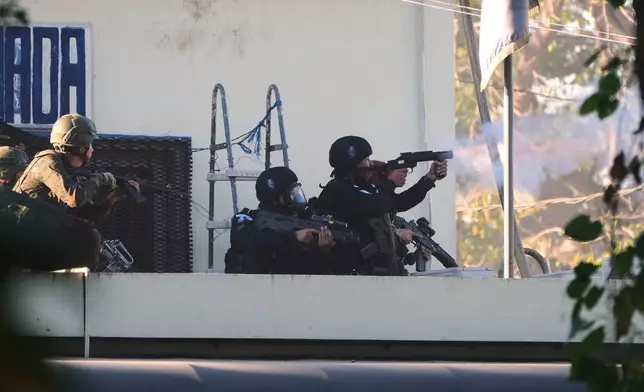
Security forces enter the Renovation maximum-security prison to free guards taken hostage and retake control of the facility, which houses gang leaders, in Escuintla, Guatemala, Sunday, Jan. 18, 2026. (AP Photo/Moises Castillo)
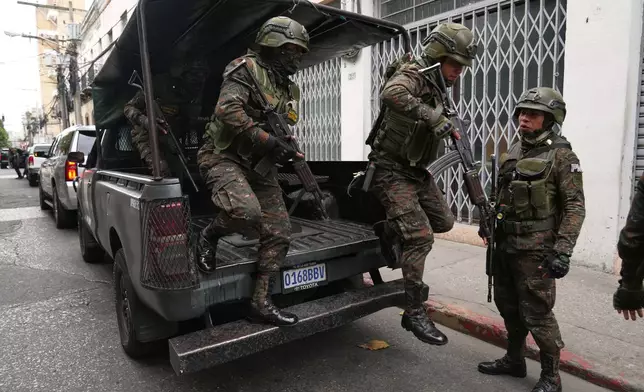
Deployed soldiers exit a vehicle around Congress in Guatemala City, Monday, Jan. 19, 2026, after President Bernardo Arévalo declared a state of emergency. (AP Photo/Moises Castillo)
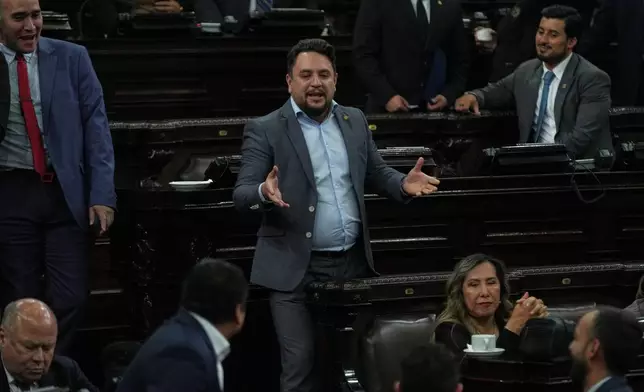
Opposition lawmaker Ronald Portillo speaks during a debate on whether to ratify the state of emergency decreed by Guatemalan President Bernardo Arévalo following an escalation of gang-related violence, in Guatemala City, Monday, Jan. 19, 2026. (AP Photo/Moises Castillo)

Lawmakers debate whether to ratify the state of emergency decreed by President Bernardo Arévalo following an escalation of gang-related violence, in Guatemala City, Monday, Jan. 19, 2026. (AP Photo/Moises Castillo)

A medic checks on freed prison guards outside the Renovation maximum-security prison after security forces entered the facility to retake control in Escuintla, Guatemala, Sunday, Jan. 18, 2026. (AP Photo/Moises Castillo)
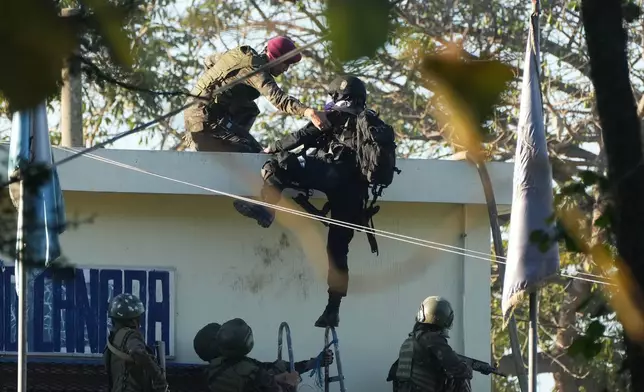
Security forces enter the Renovation maximum-security prison to free guards taken hostage and retake control of the facility, which houses gang leaders, in Escuintla, Guatemala, Sunday, Jan. 18, 2026. (AP Photo/Moises Castillo)
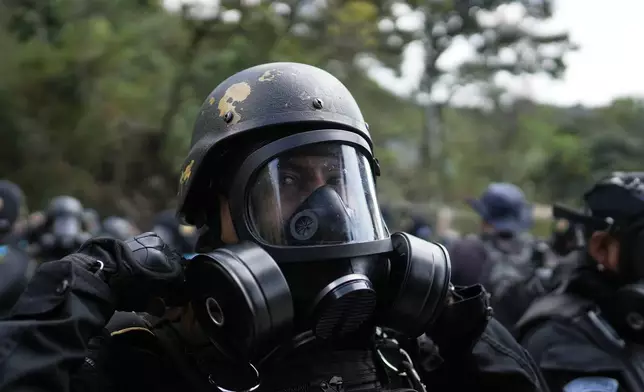
An anti-riot policeman adjusts his gas mask outside the Preventivo Zona 18 prison during a operation to free guards taken hostage and retake control of the facility in Guatemala City, Sunday, Jan. 18, 2026. (AP Photo/Emmanuel Andres)
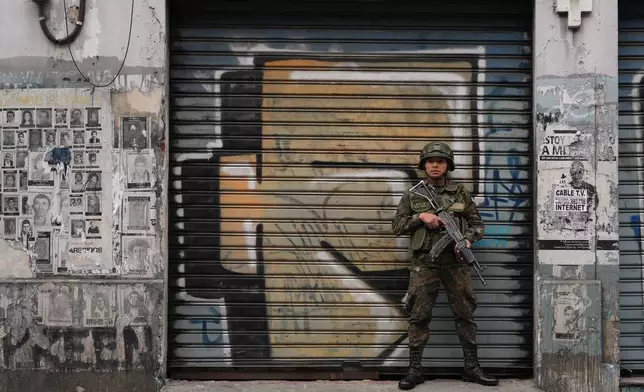
A deployed soldier stands guard near Congress in Guatemala City, Monday, Jan. 19, 2026, after President Bernardo Arévalo declared a state of emergency. (AP Photo/Moises Castillo)
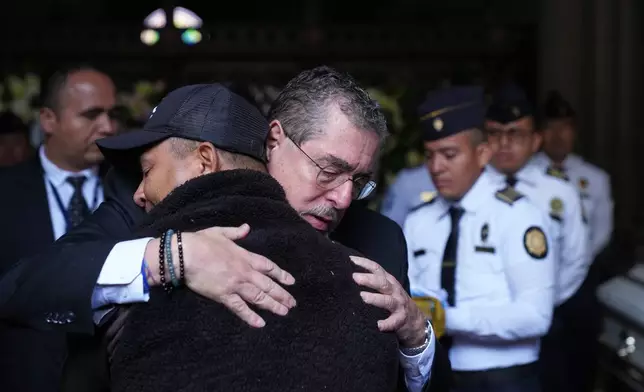
Guatemalan President Bernardo Arevalo comforts the relative of one of the police officers killed while retaking control of three prisons, during the wake for the officers at the Interior Ministry in Guatemala City, Monday, Jan. 19, 2026. (AP Photo/Moises Castillo)
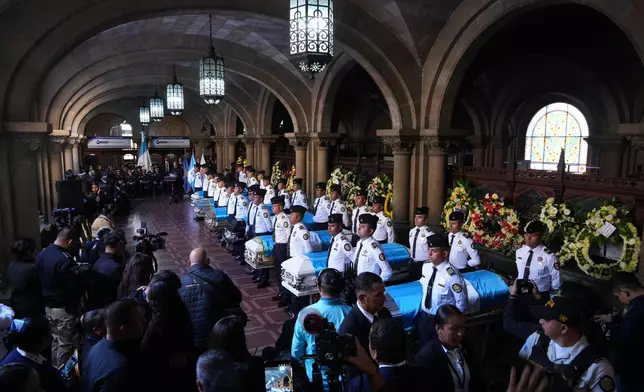
The wake for police officers killed while retaking control of three prisons is held at the Interior Ministry in Guatemala City, Monday, Jan. 19, 2026. (AP Photo/Moises Castillo)
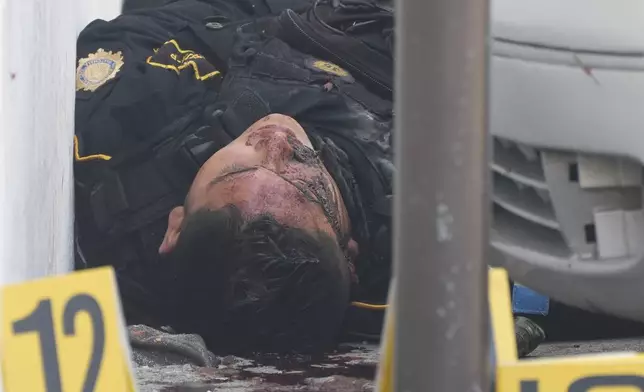
EDS NOTE: GRAPHIC CONTENT - A police officer lies dead after being shot in attacks reported after security forces retook control of a prison that houses gang leaders in Villanueva, on the outskirts of Guatemala City, Sunday, Jan. 18, 2026. (AP Photo/Moises Castillo)
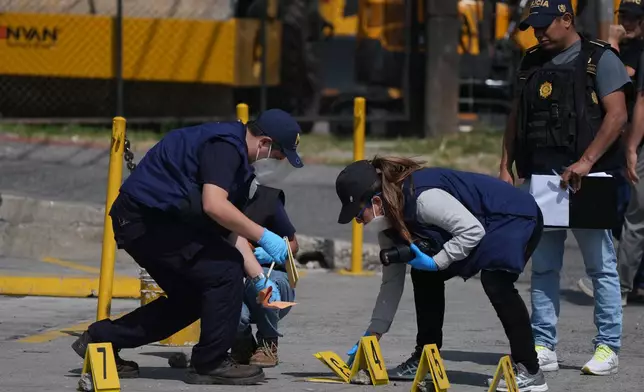
Forensic investigators place evidence markers at the scene where police officers were killed in attacks reported after security forces retook control of a prison that houses gang leaders, in Villanueva, outskirts of Guatemala City, Sunday, Jan. 18, 2026. (AP Photo/Moises Castillo)
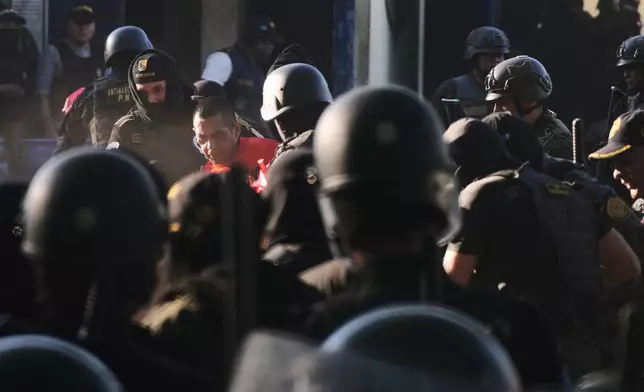
Security forces escort an inmate after entering the Renovation maximum-security prison to free guards taken hostage and retake control of the facility, which houses gang leaders, in Escuintla, Guatemala, Sunday, Jan. 18, 2026. (AP Photo/Moises Castillo)
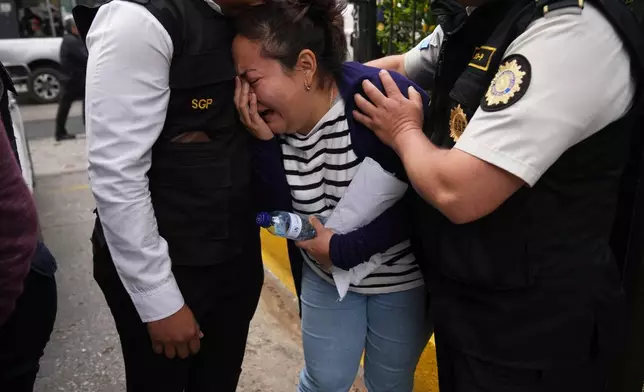
Police officers comfort a relative of one of the police officers killed while retaking control of three prisons, during the wake for the officers at the Interior Ministry in Guatemala City, Monday, Jan. 19, 2026. (AP Photo/Moises Castillo)
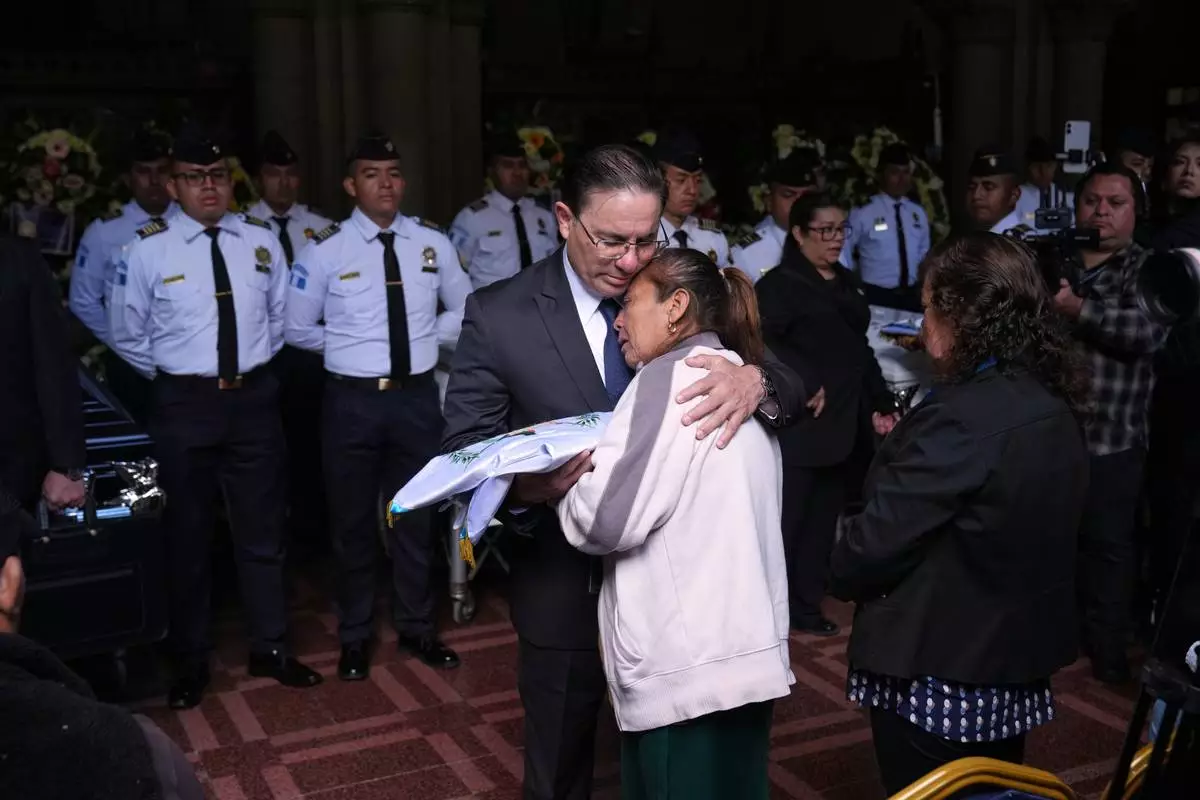
Interior Minister Marco Antonio Villeda gives a Guatemalan flag to the mother of police officer Luis Zetino, one of many officers killed while retaking control of three prisons, during a wake for the fallen officers at the Interior Ministry in Guatemala City, Monday, Jan. 19, 2026. (AP Photo/Moises Castillo)
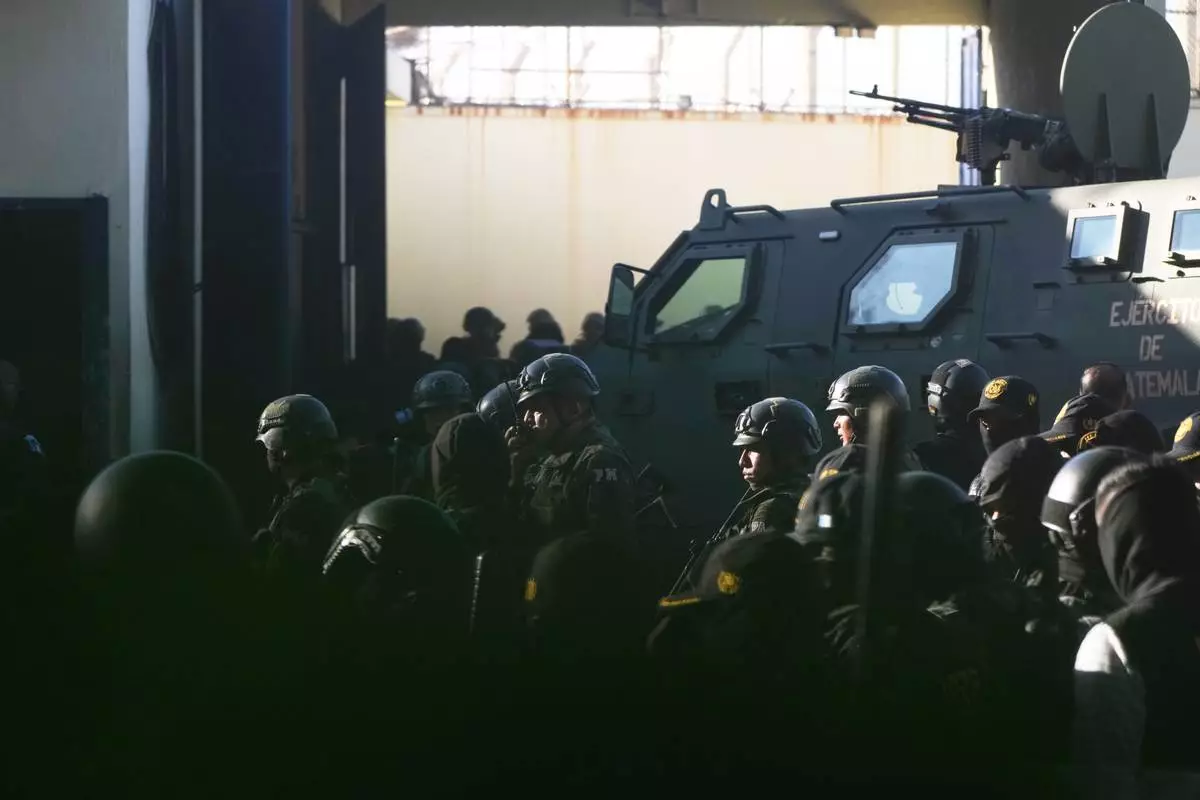
Security forces enter the Renovation maximum-security prison to free guards taken hostage and retake control of the facility, which houses gang leaders, in Escuintla, Guatemala, Sunday, Jan. 18, 2026. (AP Photo/Moises Castillo)
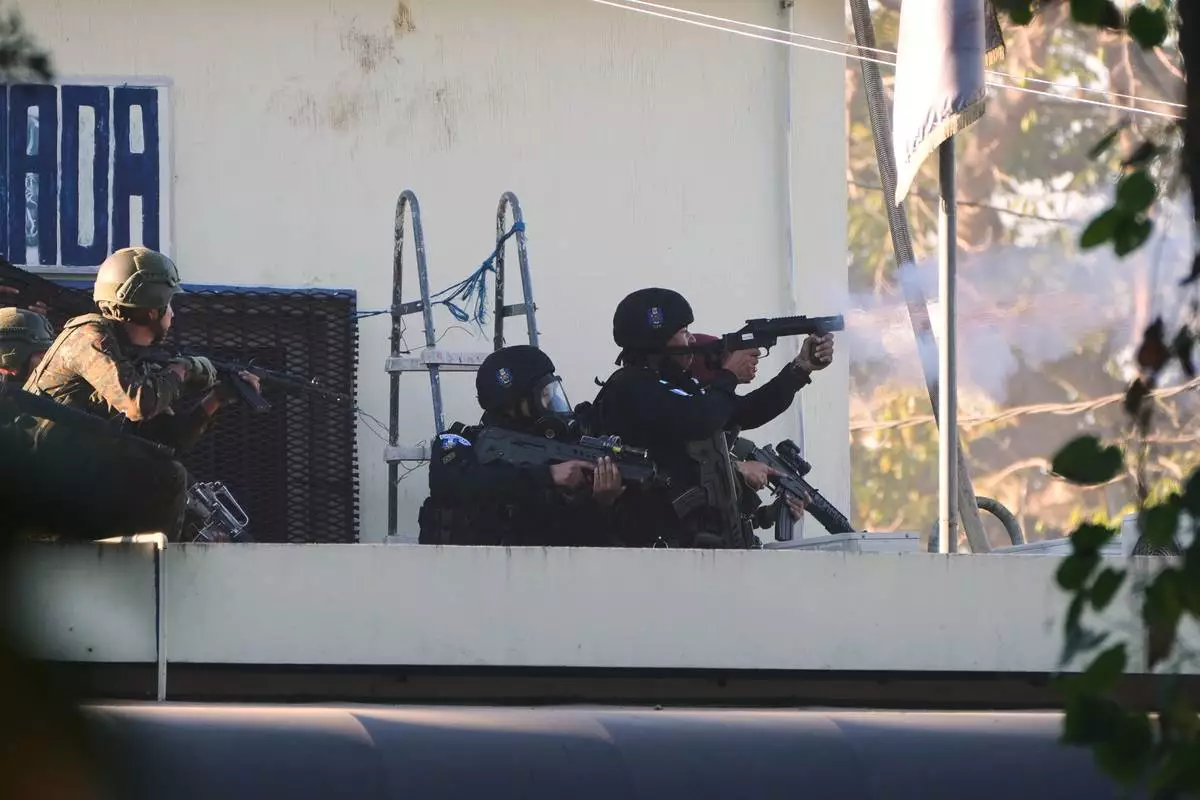
Security forces enter the Renovation maximum-security prison to free guards taken hostage and retake control of the facility, which houses gang leaders, in Escuintla, Guatemala, Sunday, Jan. 18, 2026. (AP Photo/Moises Castillo)
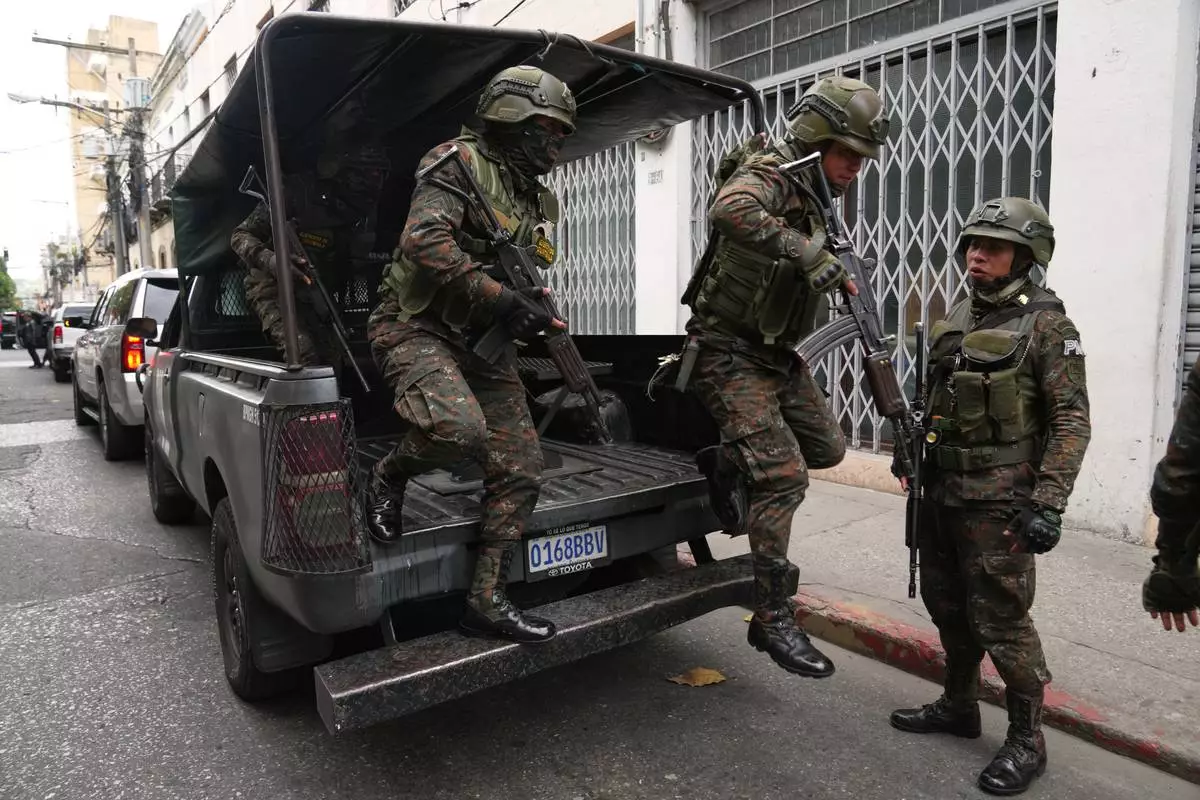
Deployed soldiers exit a vehicle around Congress in Guatemala City, Monday, Jan. 19, 2026, after President Bernardo Arévalo declared a state of emergency. (AP Photo/Moises Castillo)
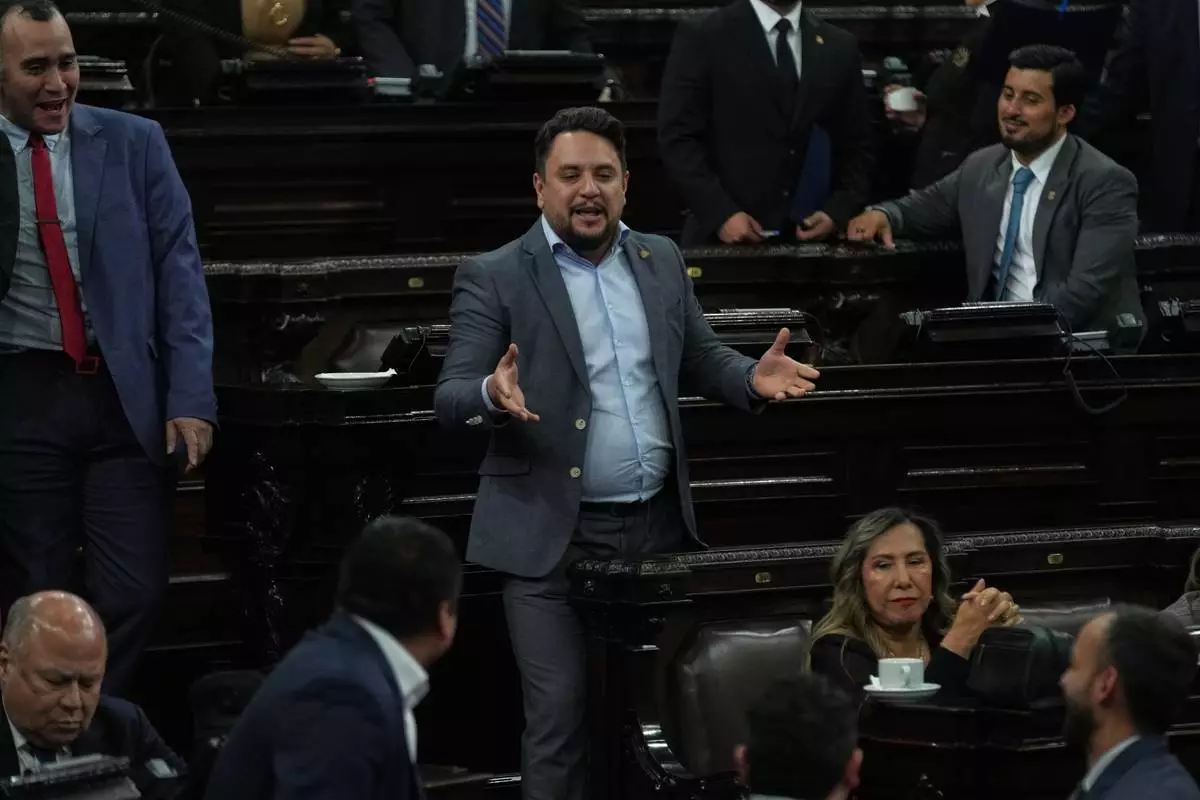
Opposition lawmaker Ronald Portillo speaks during a debate on whether to ratify the state of emergency decreed by Guatemalan President Bernardo Arévalo following an escalation of gang-related violence, in Guatemala City, Monday, Jan. 19, 2026. (AP Photo/Moises Castillo)
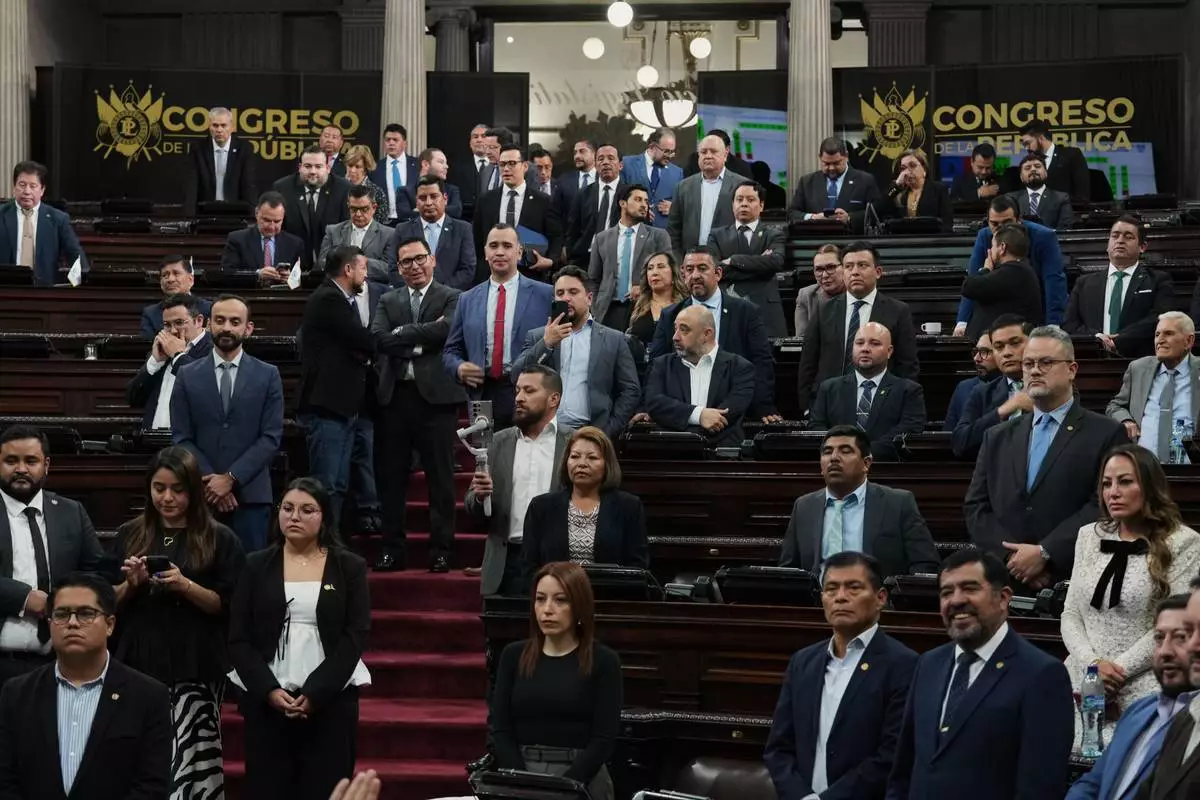
Lawmakers debate whether to ratify the state of emergency decreed by President Bernardo Arévalo following an escalation of gang-related violence, in Guatemala City, Monday, Jan. 19, 2026. (AP Photo/Moises Castillo)
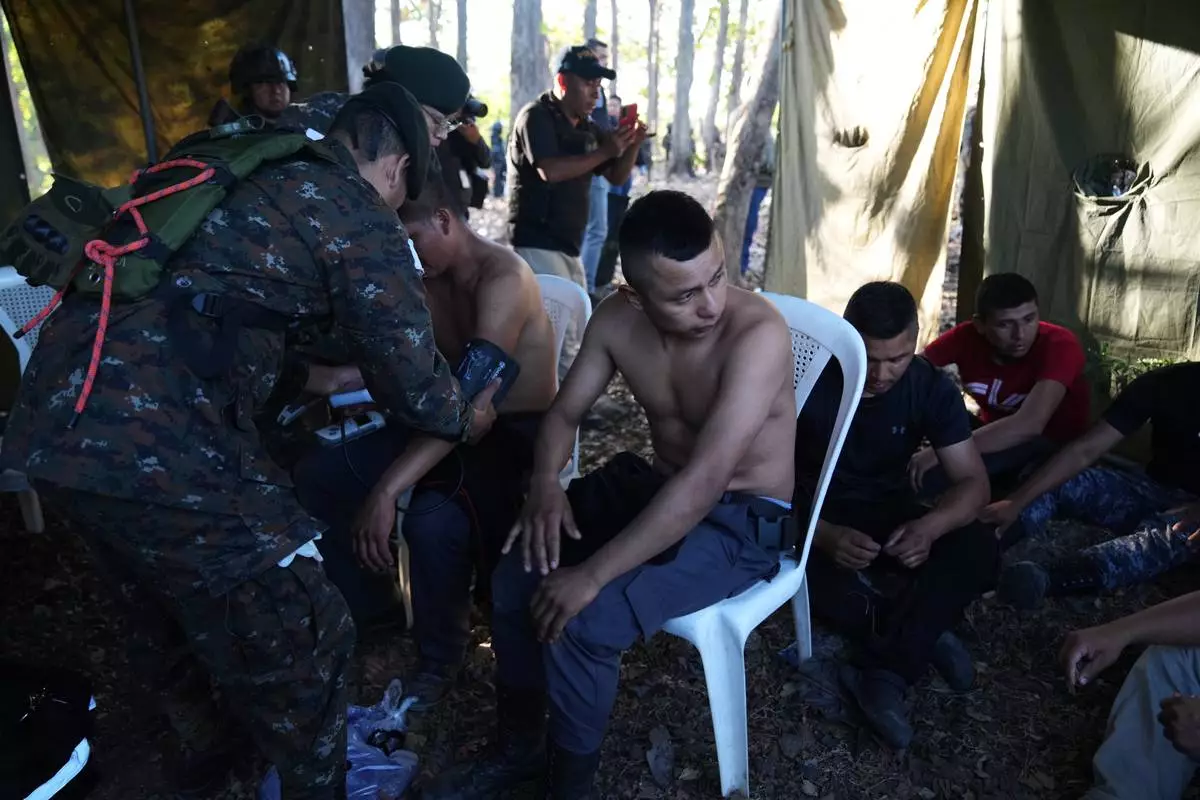
A medic checks on freed prison guards outside the Renovation maximum-security prison after security forces entered the facility to retake control in Escuintla, Guatemala, Sunday, Jan. 18, 2026. (AP Photo/Moises Castillo)
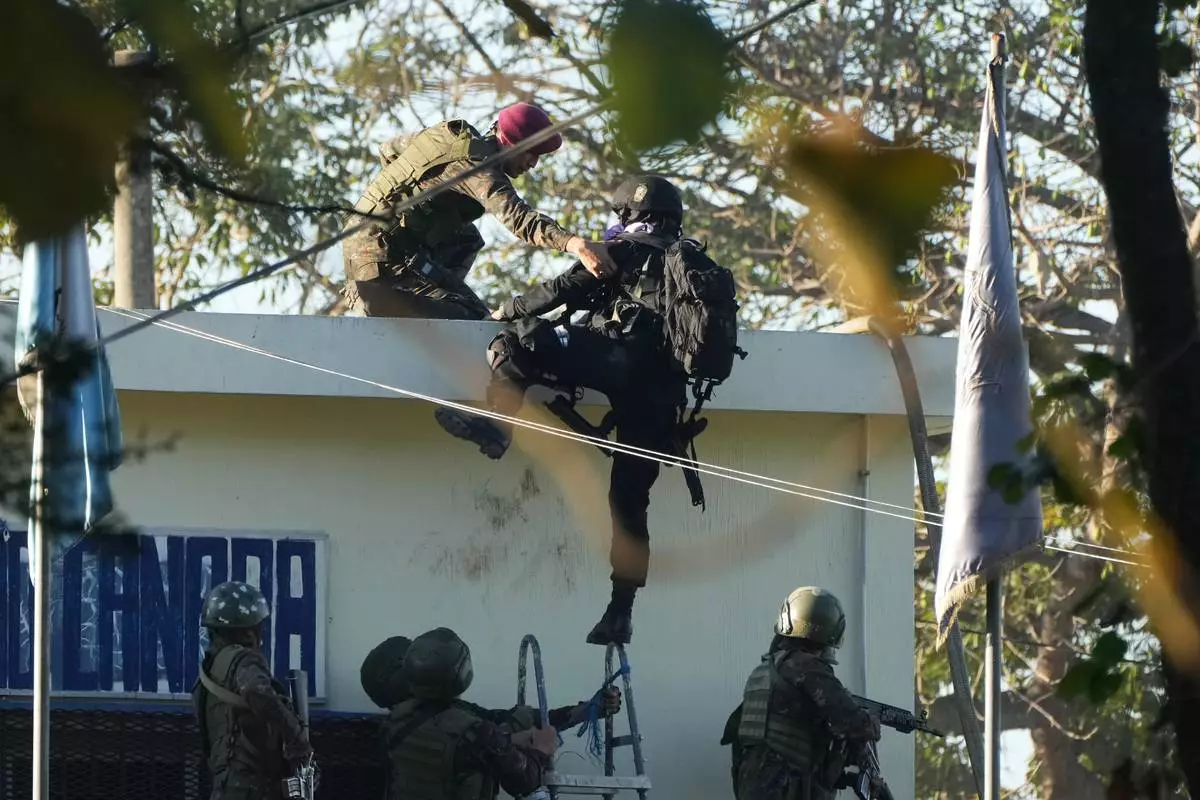
Security forces enter the Renovation maximum-security prison to free guards taken hostage and retake control of the facility, which houses gang leaders, in Escuintla, Guatemala, Sunday, Jan. 18, 2026. (AP Photo/Moises Castillo)
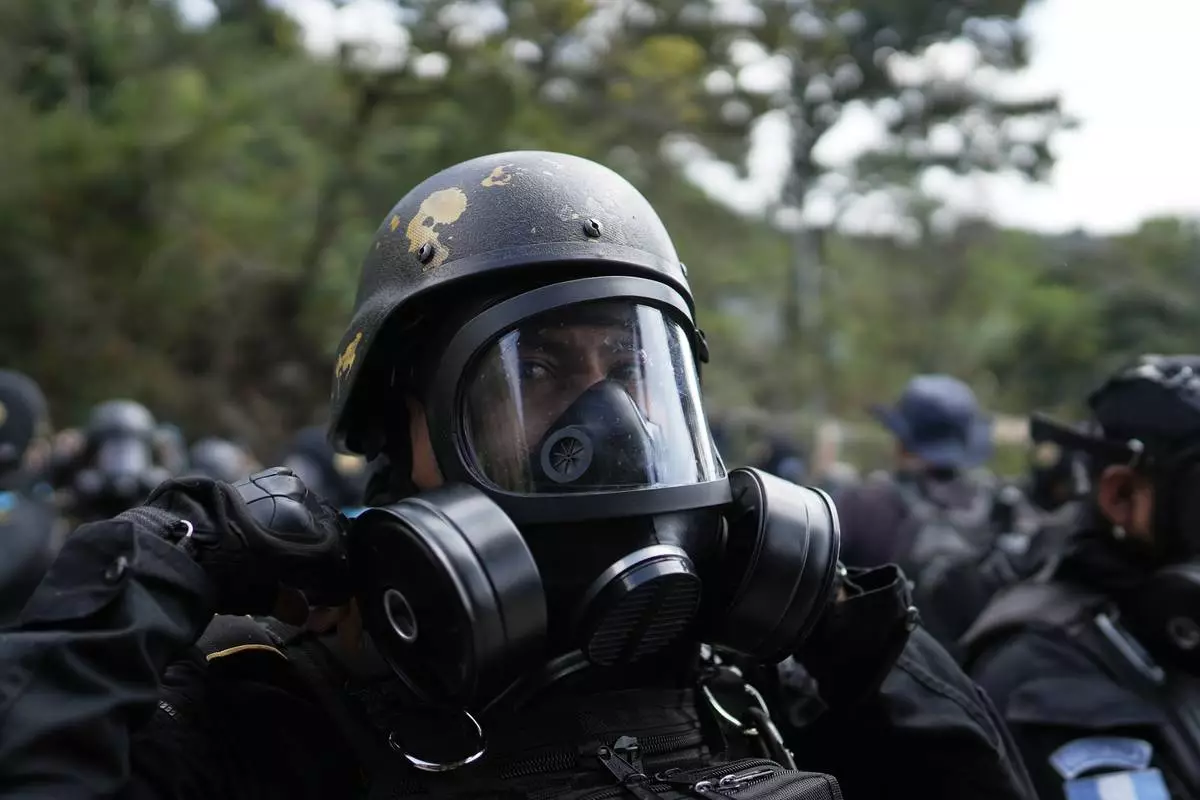
An anti-riot policeman adjusts his gas mask outside the Preventivo Zona 18 prison during a operation to free guards taken hostage and retake control of the facility in Guatemala City, Sunday, Jan. 18, 2026. (AP Photo/Emmanuel Andres)
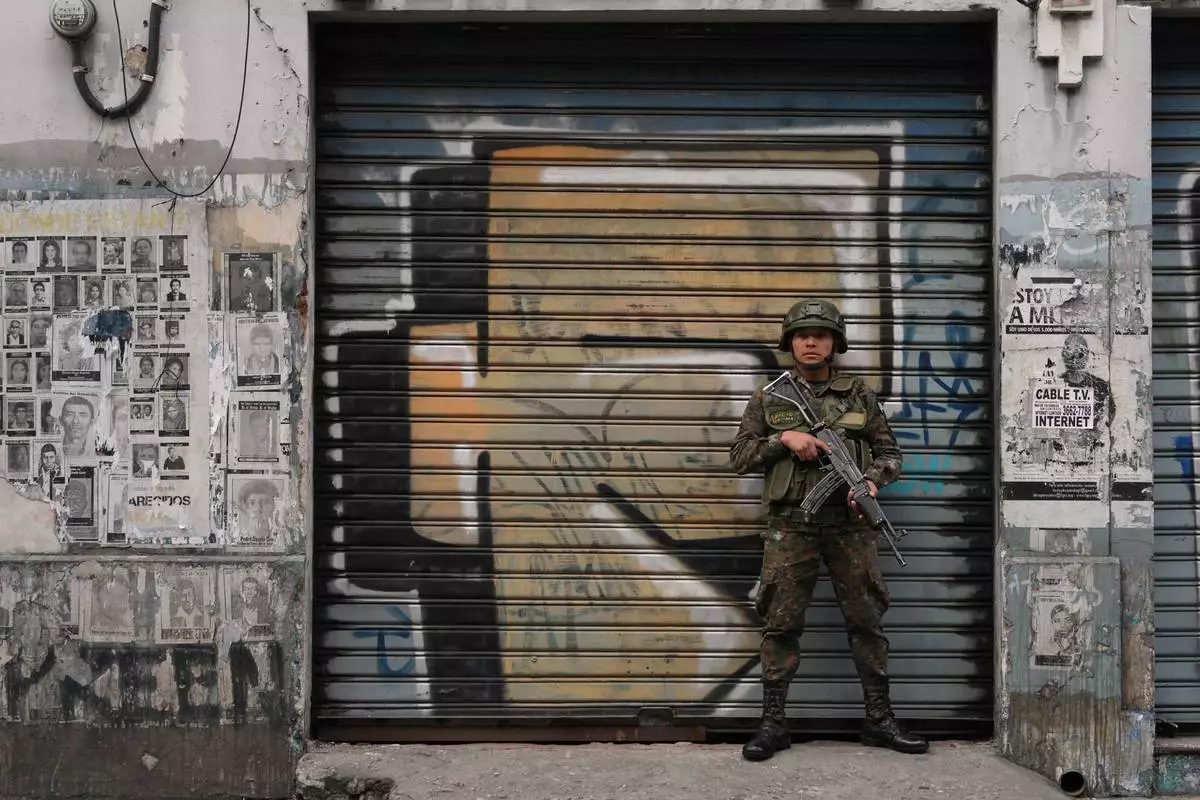
A deployed soldier stands guard near Congress in Guatemala City, Monday, Jan. 19, 2026, after President Bernardo Arévalo declared a state of emergency. (AP Photo/Moises Castillo)
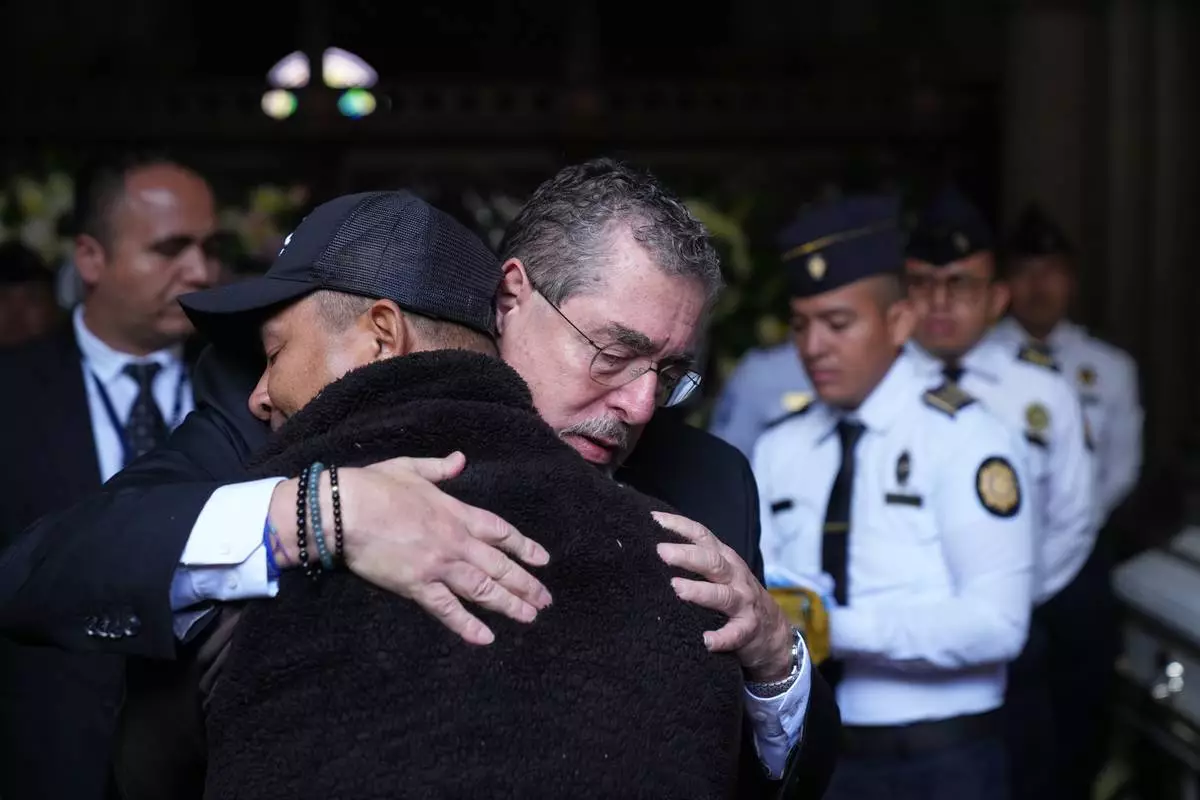
Guatemalan President Bernardo Arevalo comforts the relative of one of the police officers killed while retaking control of three prisons, during the wake for the officers at the Interior Ministry in Guatemala City, Monday, Jan. 19, 2026. (AP Photo/Moises Castillo)
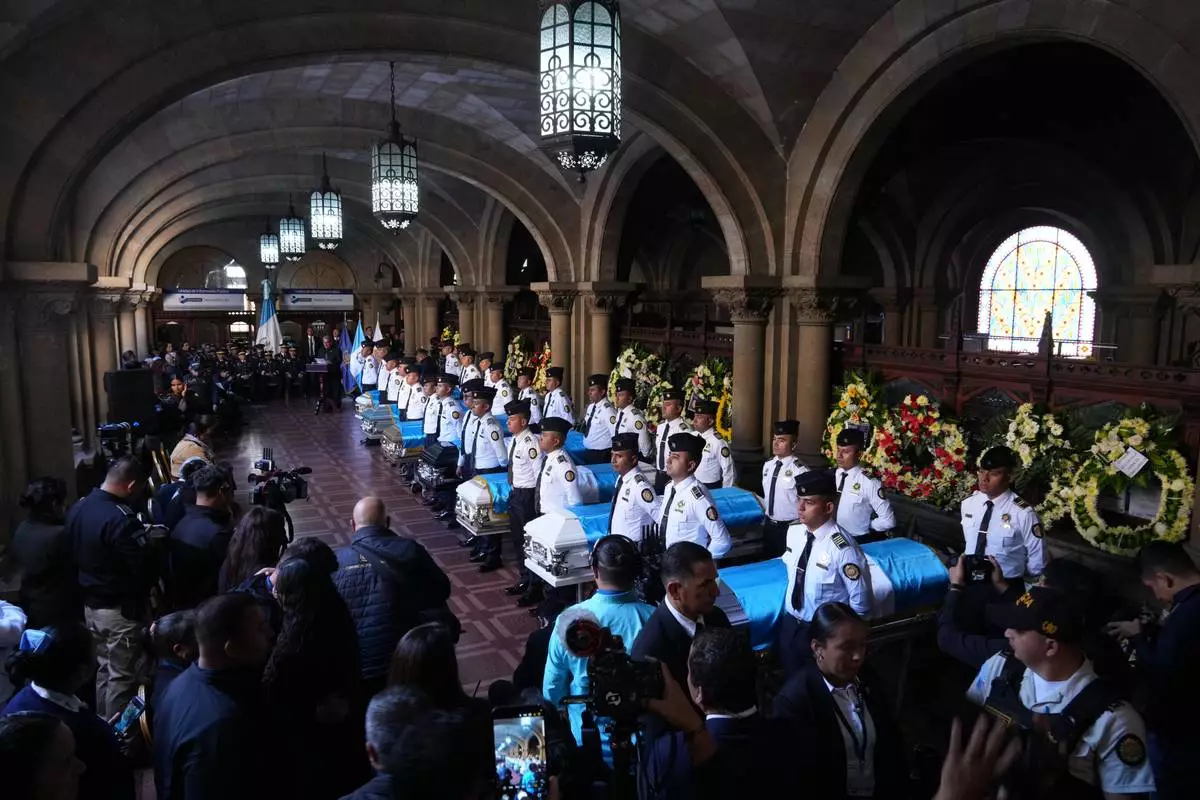
The wake for police officers killed while retaking control of three prisons is held at the Interior Ministry in Guatemala City, Monday, Jan. 19, 2026. (AP Photo/Moises Castillo)
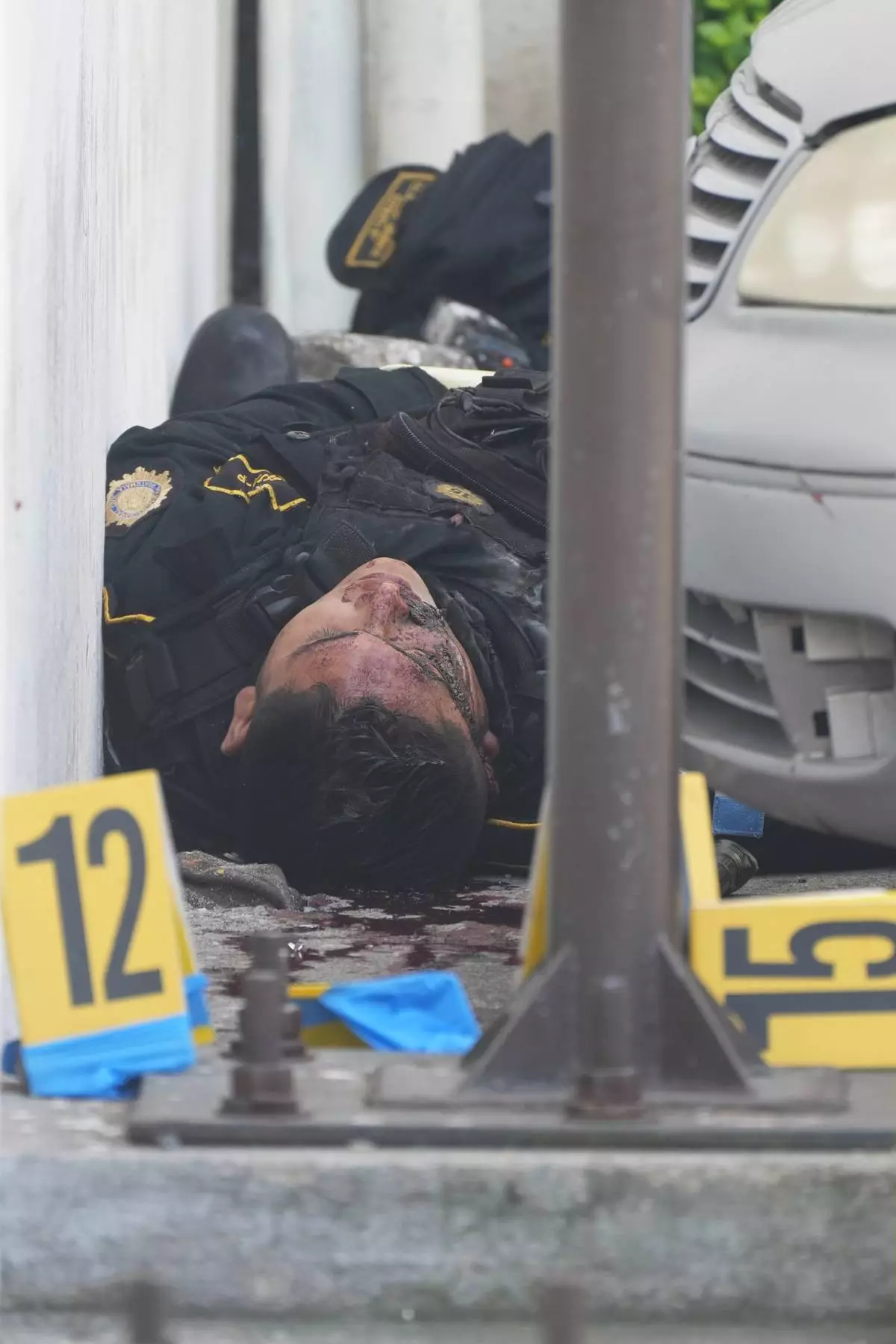
EDS NOTE: GRAPHIC CONTENT - A police officer lies dead after being shot in attacks reported after security forces retook control of a prison that houses gang leaders in Villanueva, on the outskirts of Guatemala City, Sunday, Jan. 18, 2026. (AP Photo/Moises Castillo)
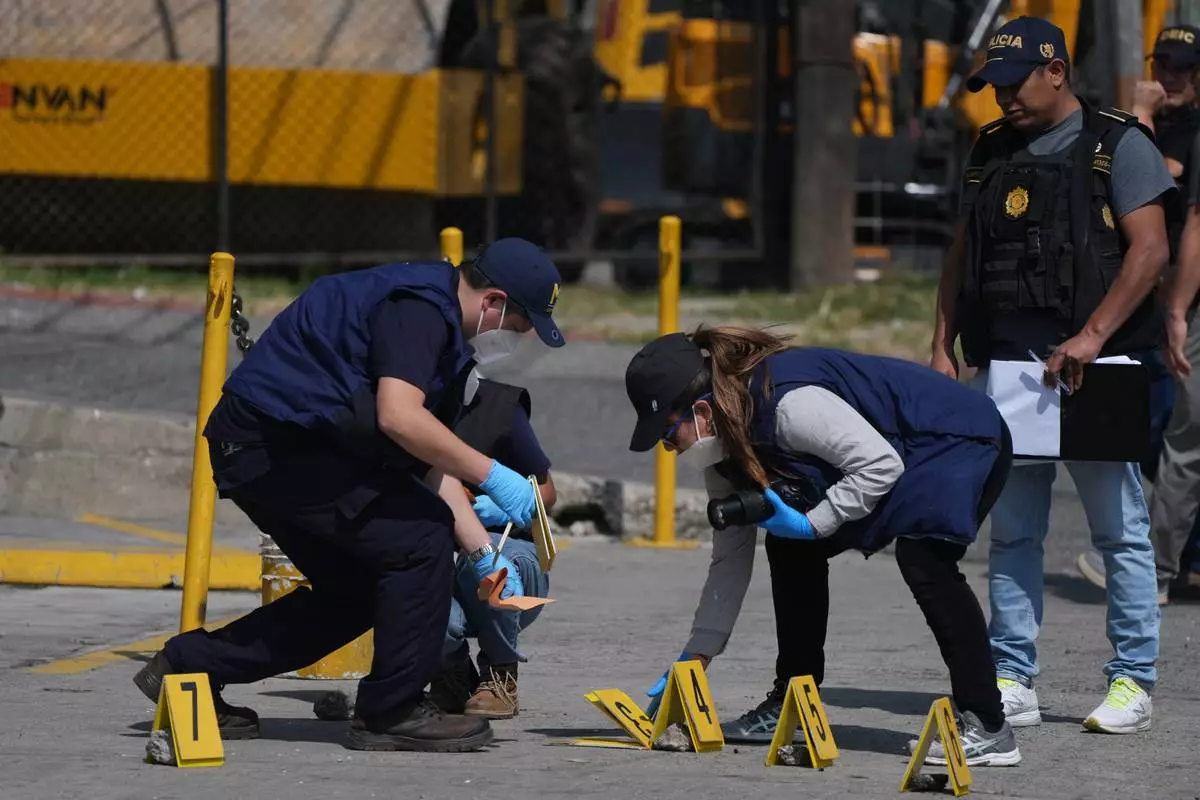
Forensic investigators place evidence markers at the scene where police officers were killed in attacks reported after security forces retook control of a prison that houses gang leaders, in Villanueva, outskirts of Guatemala City, Sunday, Jan. 18, 2026. (AP Photo/Moises Castillo)
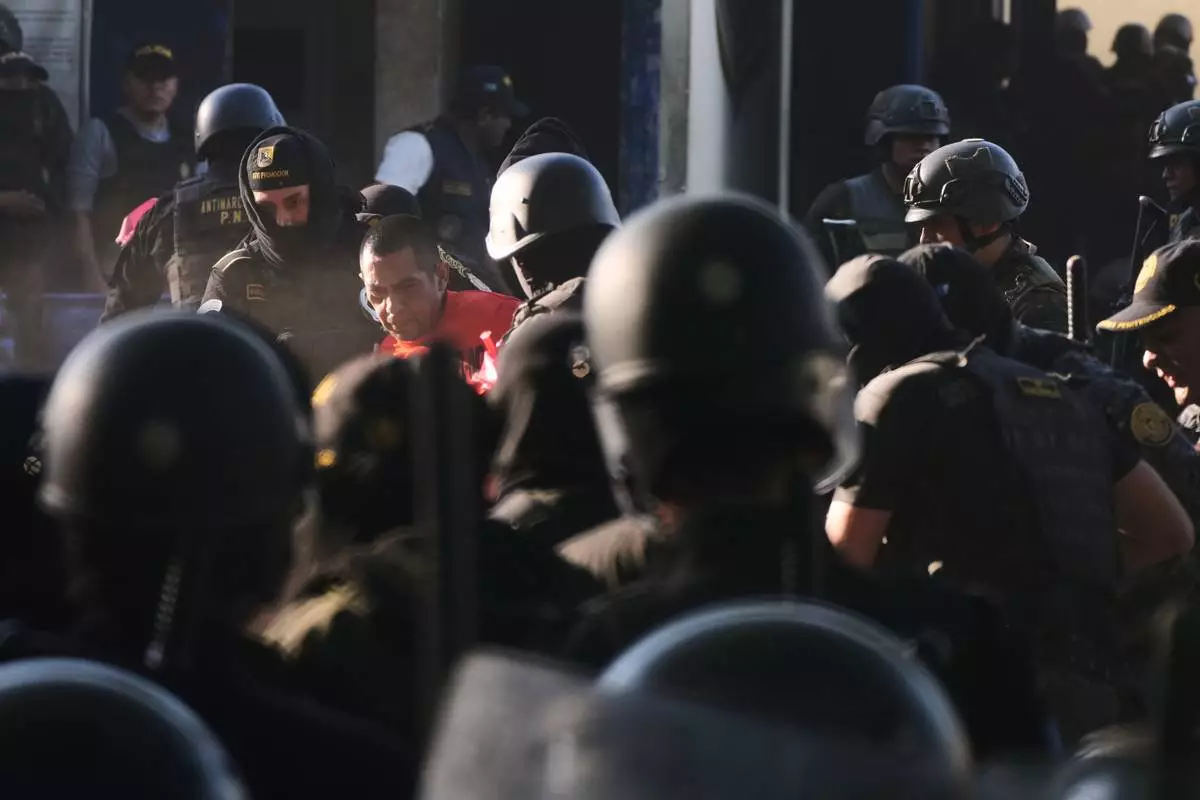
Security forces escort an inmate after entering the Renovation maximum-security prison to free guards taken hostage and retake control of the facility, which houses gang leaders, in Escuintla, Guatemala, Sunday, Jan. 18, 2026. (AP Photo/Moises Castillo)
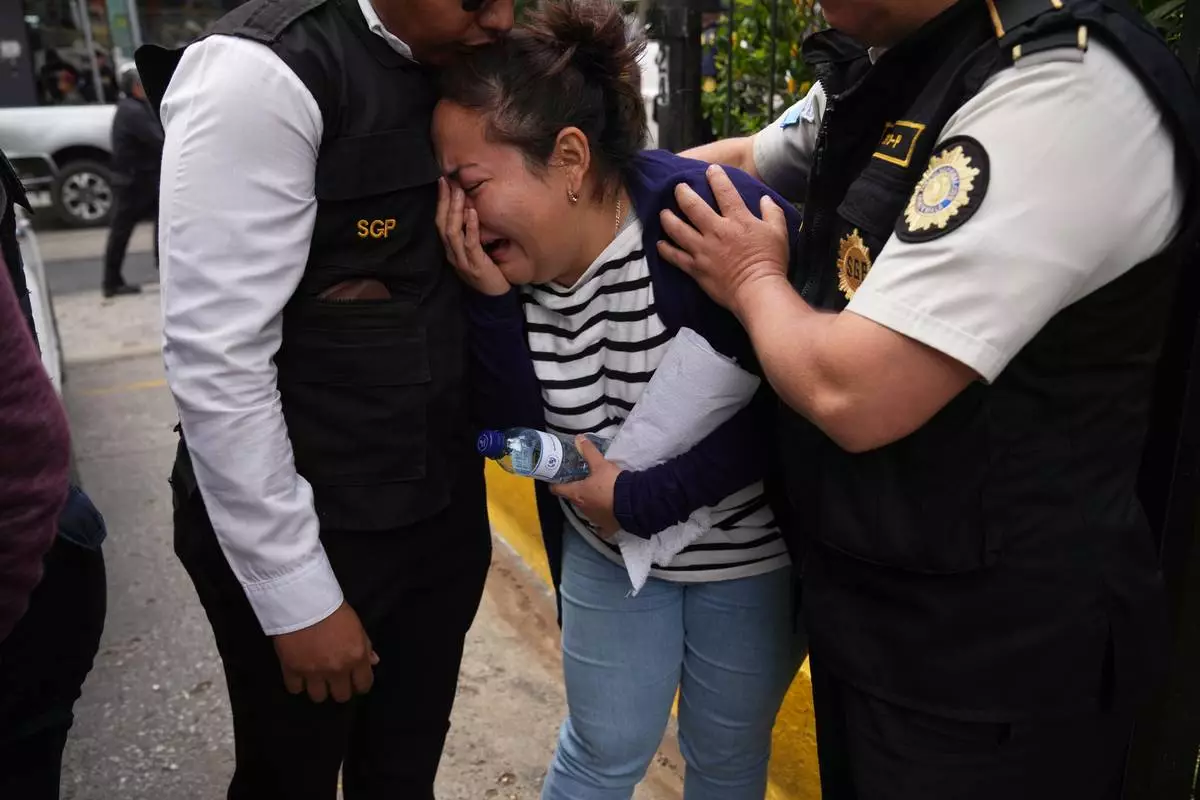
Police officers comfort a relative of one of the police officers killed while retaking control of three prisons, during the wake for the officers at the Interior Ministry in Guatemala City, Monday, Jan. 19, 2026. (AP Photo/Moises Castillo)