Skip to Content Facebook Feature Image

IoP Launches LEAP Fellowship to Strengthen Asia’s Philanthropy Leadership Talent Development

HK

IoP Launches LEAP Fellowship to Strengthen Asia’s Philanthropy Leadership Talent Development
HK

HK

IoP Launches LEAP Fellowship to Strengthen Asia’s Philanthropy Leadership Talent Development

2026-01-20 15:10 Last Updated At:15:19

The Institute of Philanthropy (IoP) has announced the launch of the Leadership Excellence in Asian Philanthropy (LEAP) Fellowship, a pioneering fellowship programme designed to address one of the region’s most pressing needs: developing the next generation of visionary leaders for Asia’s rapidly evolving philanthropic sector, with a curriculum and design tailored specifically to the cultural, economic, and social realities of the region.

As Asia emerges as a global hub of wealth creation and social investment, philanthropic resources are also growing. Yet analysis by The Bridgespan Group shows that while Asia’s philanthropic organisations now steward tens of billions of dollars a significant gap remains between these resources and the expertise required to utilise them effectively.

More Images
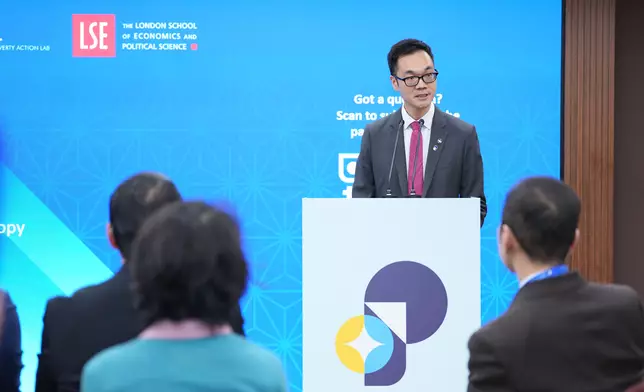
Brian San, Secretary-General, Institute of Philanthropy, delivers a speech on stage.
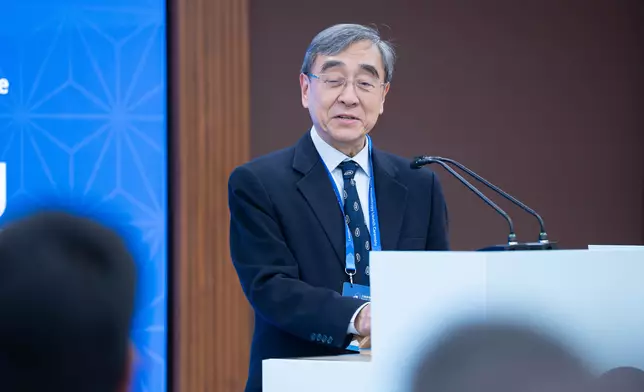
Brian San, Secretary-General, Institute of Philanthropy, delivers a speech on stage.

Professor Richard Wong, Provost and Deputy Vice Chancellor, The University of Hong Kong, delivers a speech on stage.
Professor Richard Wong, Provost and Deputy Vice Chancellor, The University of Hong Kong, delivers a speech on stage.

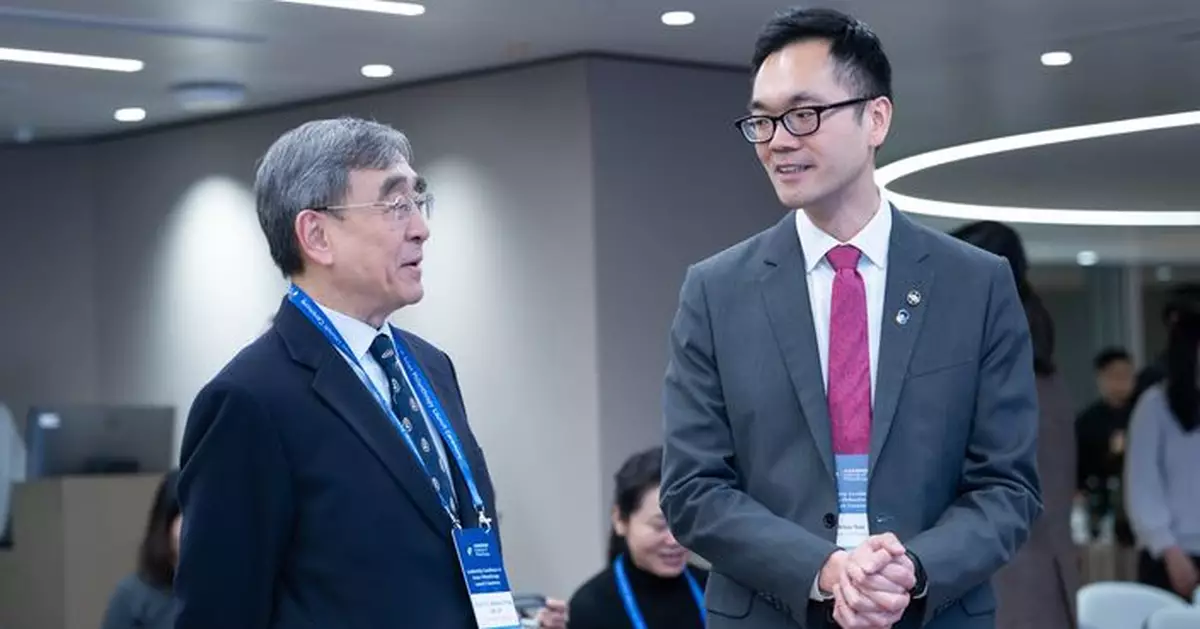
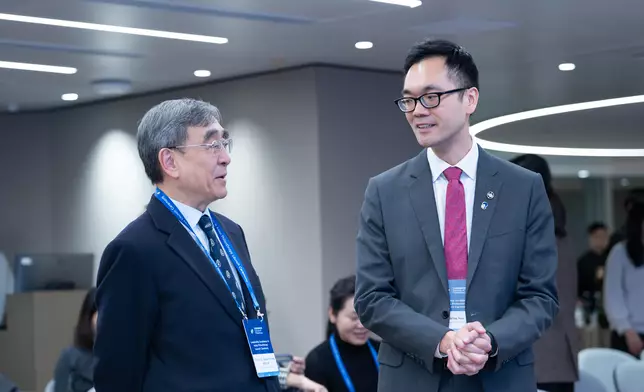
Brian San, Secretary-General, Institute of Philanthropy (right) and Professor Richard Wong, Provost and Deputy Vice Chancellor, The University of Hong Kong (left).
Brian San, Secretary-General, Institute of Philanthropy (right) and Professor Richard Wong, Provost and Deputy Vice Chancellor, The University of Hong Kong (left).

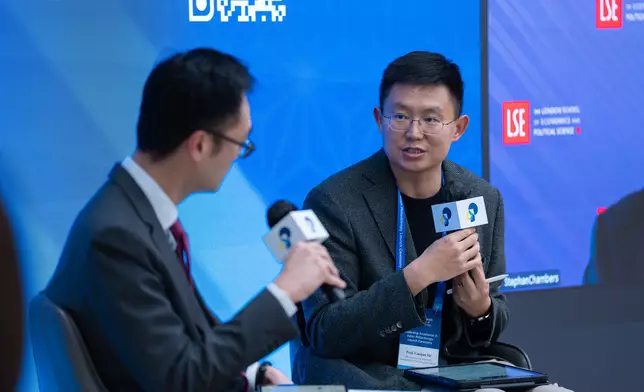
Brian San, Secretary-General, Institute of Philanthropy (left) and Guojun HE, Director of HKU Jockey Club Enterprise Sustainability Global Research Institute (right).
Brian San, Secretary-General, Institute of Philanthropy (left) and Guojun HE, Director of HKU Jockey Club Enterprise Sustainability Global Research Institute (right).

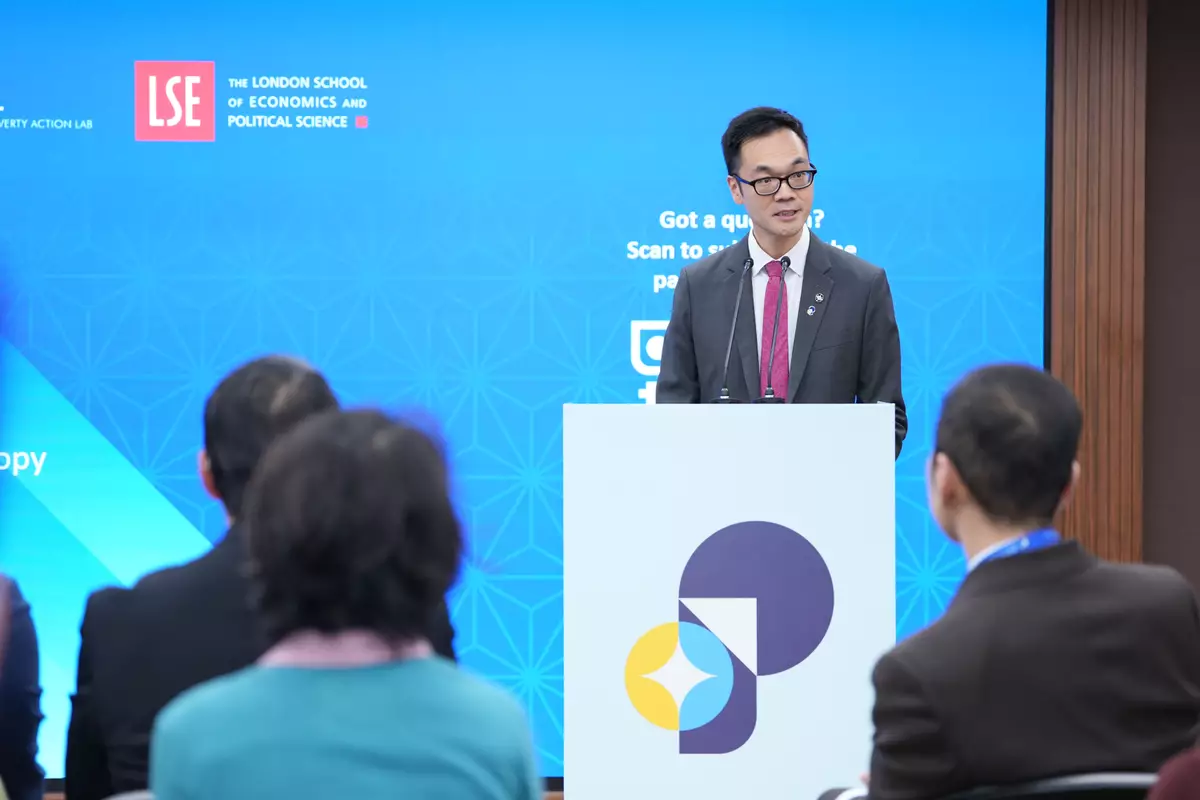
Brian San, Secretary-General, Institute of Philanthropy, delivers a speech on stage.

Brian San, Secretary-General, Institute of Philanthropy, delivers a speech on stage.

The study identified Asia-specific needs for upskilling in areas such as impact measurement, adaptive leadership and cross-sector collaboration. Funders across the region consistently seek programmes rooted in Asian realities, with local case studies, culturally relevant frameworks and content that can be applied directly in their operating environments.

The Leadership Excellence in Asian Philanthropy (LEAP) Fellowship was created to bridge this gap through a structured, practitioner-led curriculum focused on strategy, impact and policy.The aim is to cultivate leaders who can build adaptive strategies, design interventions with embedded metrics, and form effective platforms that transform communities across Asia.
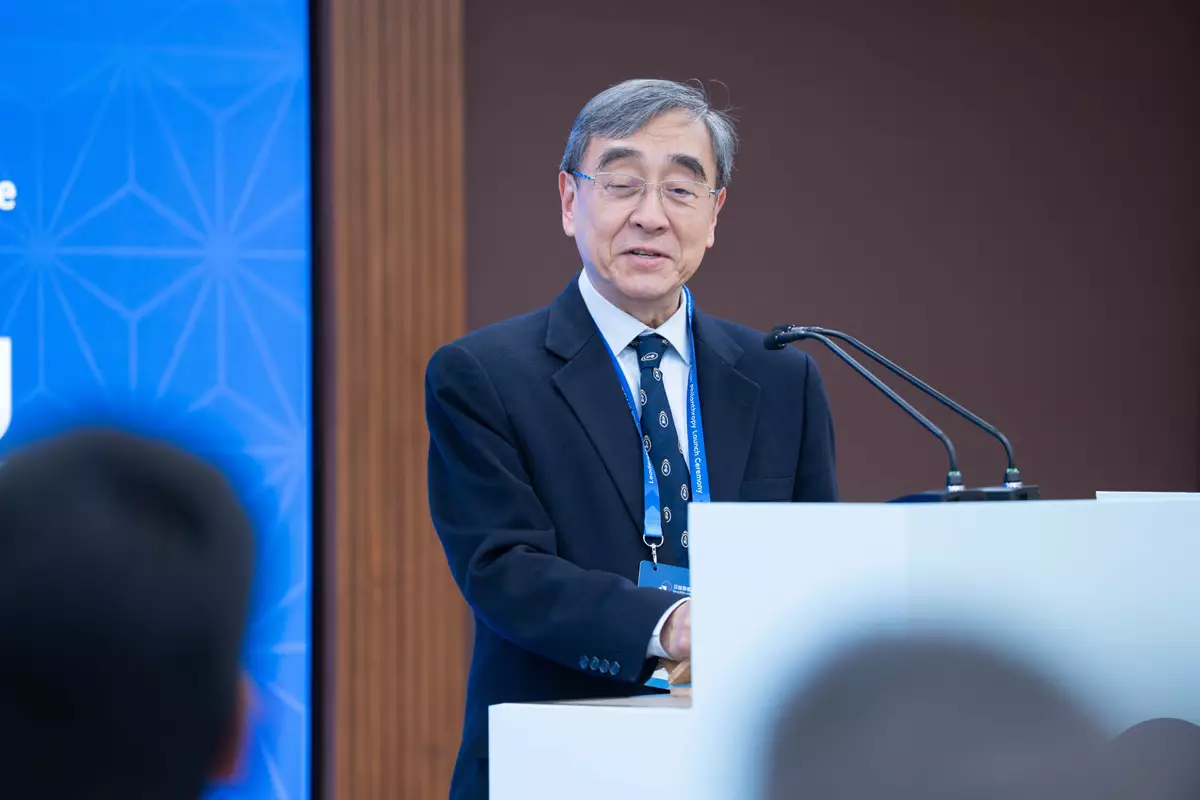
Professor Richard Wong, Provost and Deputy Vice Chancellor, The University of Hong Kong, delivers a speech on stage.

Professor Richard Wong, Provost and Deputy Vice Chancellor, The University of Hong Kong, delivers a speech on stage.

“Asia’s philanthropic sector stands at a pivotal moment, with the opportunity to maximise impact and accelerate change through visionary leadership and regionally grounded collaboration. The LEAP Fellowship was created to meet this need — equipping leaders with the skills, networks and tools to drive systemic change and shape the future of philanthropy in Asia,” said Lester Huang, Chairman of the IoP.

LEAP combines academic excellence with practice-based learning and peer collaboration by faculty members from The University of Hong Kong (HKU), the Abdul Latif Jameel Poverty Action Lab (J-PAL) based at the Massachusetts Institute of Technology (MIT), and the London School of Economics and Political Science (LSE).
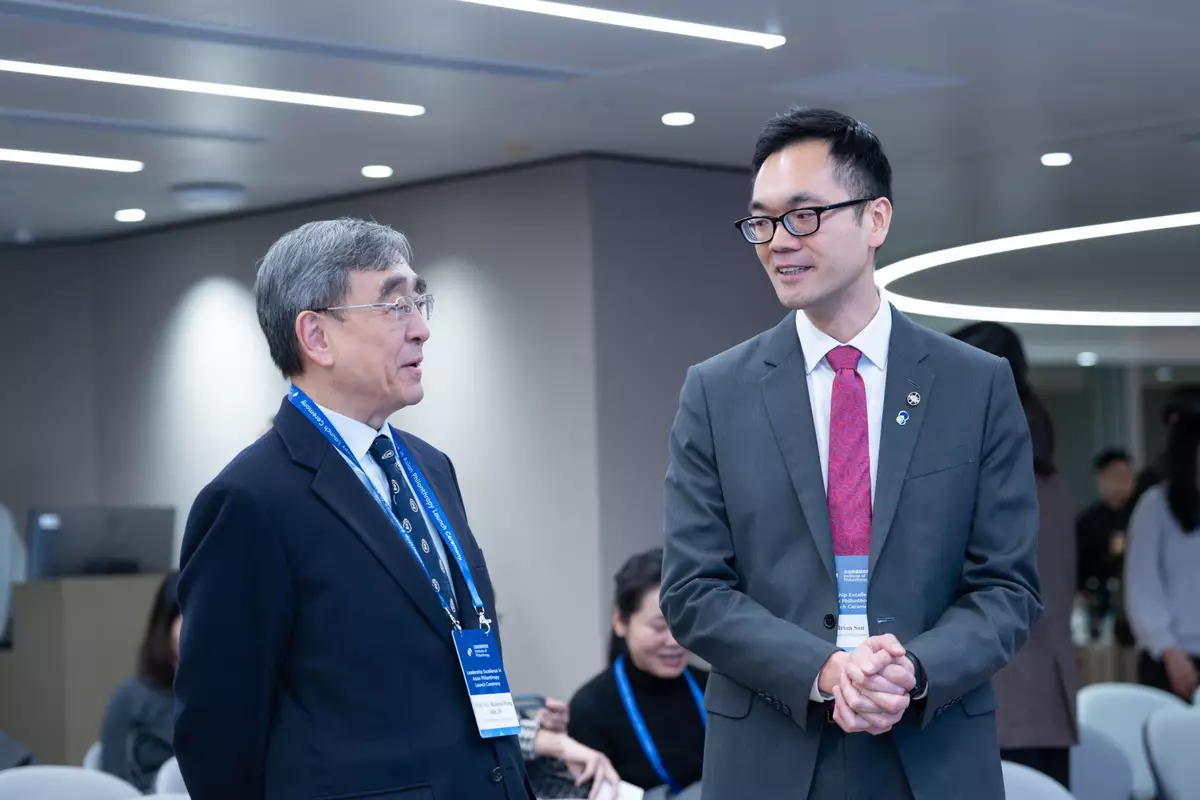
Brian San, Secretary-General, Institute of Philanthropy (right) and Professor Richard Wong, Provost and Deputy Vice Chancellor, The University of Hong Kong (left).

Brian San, Secretary-General, Institute of Philanthropy (right) and Professor Richard Wong, Provost and Deputy Vice Chancellor, The University of Hong Kong (left).

“As Asia’s leading university, HKU is proud to have helped develop the LEAP Fellowship,” said Professor Xiang Zhang, President and Vice-Chancellor of The University of Hong Kong. “The programme is built around experiential learning that draws from real philanthropic challenges in the region. By combining these insights with Asia’s unique cultural and social context, LEAP equips senior professionals with the confidence and practical tools to lead with impact. This is how we will nurture leaders who can translate vision into action and strengthen
philanthropy across Asia.”

Iqbal Dhaliwal, Global Executive Director of J-PAL and Scientific Director of J-PAL South Asia, commented: “If philanthropy is to rise to the scale of today’s social challenges, it is critical that we empower emerging leaders, those already managing programmes, budgets and teams, with the tools to effectively leverage evidence in their decision-making. Through LEAP, J-PAL brings practical frameworks and Asia-focused case studies that equip these leaders to measure and amplify their impact using rigorous data. This is how we will build the resilience and innovation capacity the sector will need in the next decade.”
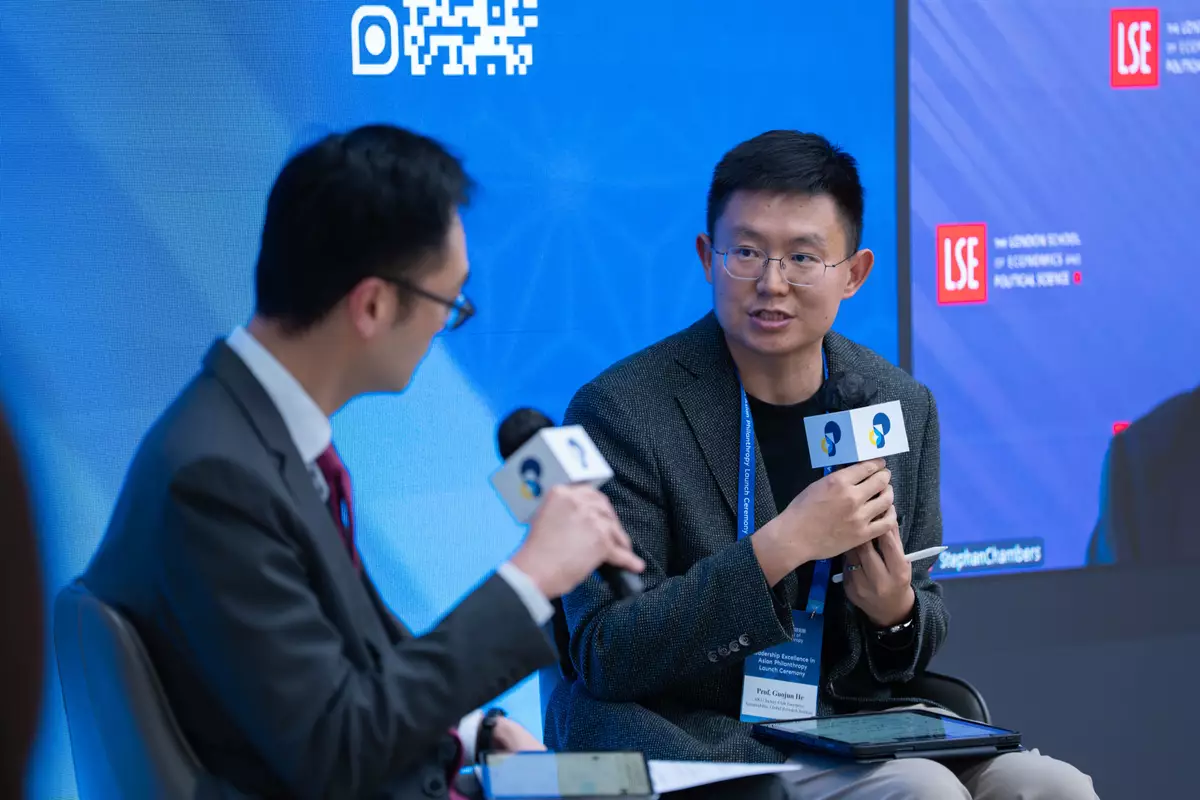
Brian San, Secretary-General, Institute of Philanthropy (left) and Guojun HE, Director of HKU Jockey Club Enterprise Sustainability Global Research Institute (right).

Brian San, Secretary-General, Institute of Philanthropy (left) and Guojun HE, Director of HKU Jockey Club Enterprise Sustainability Global Research Institute (right).

"Philanthropy in Asia is growing rapidly in scale and importance. LSE is delighted to bring world-class faculty and a trusted peer network together with the region’s emerging leaders through the LEAP Fellowship. The most transformative philanthropy emerges at the intersection of rigorous thinking and practical expertise. With LEAP we will strengthen leadership capacity, foster collaboration and inspire innovation. We are excited to help catalyse a professional community that can drive systemic change and shape Asian philanthropy for the better for decades to come,” added Professor Larry Kramer, President and Vice Chancellor of the London School of Economics and Political Science.

The programme was formally introduced at a launch event streamed globally and attended by leading Asia-based foundations and charities as well as members of the international social impact community. Panellists from philanthropic organisations, including The Rockefeller Foundation and the Kasikornthai Foundation, underscored the importance of investing in the next generation of philanthropic leadership. Faculty members who designed the curriculum also highlighted how LEAP’s pedagogy translates theory into practice.

LEAP is the only fellowship in Asia to unite three world-renowned institutions and with a curriculum rooted in regional realities. Fellows will tackle their own “LEAP Challenge” — a pressing issue in their organisation — applying theory to practice with guidance from faculty and peers.
The Global Fund to Fight AIDS, Tuberculosis and Malaria (the Global Fund) and the Institute of Philanthropy (IoP), a “think-fund-do” tank established by The Hong Kong Jockey Club and its Charities Trust, today announced a US$4.68 million (HK$36.49 million) partnership to accelerate the adoption of next-generation, near point-of-care tuberculosis (TB) diagnostics in high-burden countries.

TB remains the world’s leading infectious disease killer, claiming more than one million lives every year despite being preventable and curable. Recent advances in TB vaccine and counter-measure development offer initial promise, whereas closing the diagnostic gap remains a critical missing link for controlling TB: current diagnostic methods do not only take time but also require multiple visits which delay diagnoses and hence sustain community transmission.

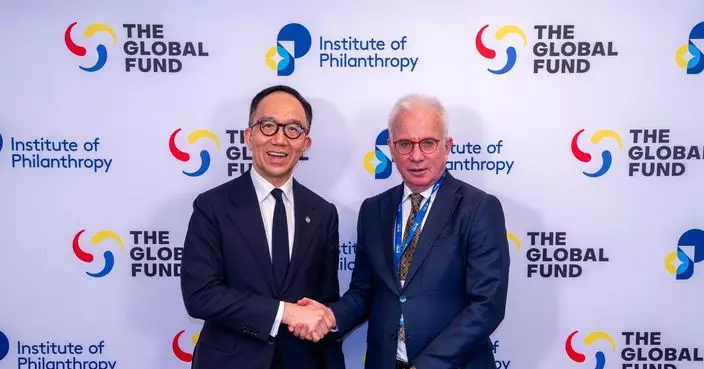
Dr. Gabriel Leung, Director of the Institute of Philanthropy (left), and Peter Sands, Executive Director of the Global Fund (right), formalised a US$4.68 million (HK$36 million)

Dr. Gabriel Leung, Director of the Institute of Philanthropy (left), and Peter Sands, Executive Director of the Global Fund (right), formalised a US$4.68 million (HK$36 million)

To address this gap, the announced initiative focuses on capacity building to accelerate the uptake of a major diagnostic breakthrough: near point-of-care molecular tests recommended by the World Health Organization (WHO) for TB in March 2026. These tests utilise easy-to-collect swab samples, deliver results in under an hour, and provide a highly cost-effective tool designed for deployment in primary healthcare settings such as frontline clinics.

“Transformative health innovations only deliver their full potential when countries can access them and have the support they need to put them into practice,” said Peter Sands, Executive Director of the Global Fund. “This partnership with the Institute of Philanthropy will help countries accelerate the adoption of new TB diagnostic technologies and bring high-quality testing closer to the communities that need it most.”

By bringing rapid testing closer to where people live, the technology enables patients to receive an accurate diagnosis and potentially begin treatment during a single clinic visit—thereby reducing diagnostic delays, preventing patients from being lost to follow-up, and curbing further transmission. This marks a significant shift in TB diagnosis: moving away from reliance on century-old sputum smear microscopy toward rapid molecular testing designed around the needs of patients rather than distant laboratories.

“Philanthropy can play a catalytic role in helping proven health innovations reach people faster. Particularly when Asia stands at a pivotal moment in the fight against TB, with a significant opportunity to accelerate access to life-saving diagnosis through innovation,” said Dr. Gabriel Leung, Director of the Institute of Philanthropy. “Through this partnership, we also see significant potential for innovative diagnostic technologies to strengthen epidemic preparedness across Asia by helping health systems detect and respond to infectious disease threats more effectively.”

Building upon the Global Fund’s existing implementation efforts in 13 early adopter countries, this initiative will provide complementary technical assistance and operational support to enable effective, sustainable deployment across at least four Asian priority countries. Specifically, the initiative will:

1. Provide nationally embedded technical assistance in Indonesia, the Philippines, Bangladesh, and Vietnam. This will focus on strengthening day-to-day planning and implementation of near point-of-care diagnostics, enhancing data collection and logistics systems, facilitating the integration into national diagnostic algorithms and laboratory networks, as well as delivering structured training for implementing partners and local health facilities.

2. Develop evidence and generate demand in early adopter countries. The initiative will systematically document implementation experiences across early adopter countries, including identifying key barriers related to procurement planning, human resources, operational workflows, and service delivery models.

3. Facilitate regional peer-to-peer learning and provide ad-hoc, demand-driven support. In close collaboration with WHO country and regional offices, the initiative will facilitate regional learning among early adopters and other interested countries through convening annual regional workshops and disseminating best practices and guidance.

Anchored in the East for the world, IoP was established in 2023 in Hong Kong, a city with a distinguished history in the fight against TB which pioneered an effective short-course treatment regimen back in the 1960s. This initiative reflects IoP’s aligned vision with its partners to accelerate the uptake of health innovation in Asia while addressing last-mile adoption challenges in strengthening preparedness for future health emergencies.

Recommended Articles