Indonesian experts have warned that the United States' exit from the World Health Organization (WHO) could reshape global health cooperation, saying that developing nations like Indonesia, which felt the impact of vaccine inequality during the COVID-19 pandemic years ago, could face similar challenges without strong WHO support.
On Tuesday, U.S. President Donald Trump signed an executive order on the country's withdrawal from the WHO. The United Nations received the formal notice two days later.
This U.S. move is a major shake-up for global health, and there are real consequences for developing countries like Indonesia, experts said.
"The middle income country is usually majority. They face the classic problem. It's about nutrition, about stunting, poor nutrition, and also about the sanitation. And also the biggest problem for middle income countries is about communicable disease, TB, malaria, HIV, etc. So in terms of health system strengthening, they need support," said Dicky Budiman, an Indonesian public health expert working at YARSI University.
The WHO was created with a mission to protect global health. The United States is the agency's biggest donor, covering roughly 20 percent of the WHO budget. That funding supports programs in more than 150 countries, many of them developing nations that depend on the organization for vaccines, lab support and emergency responses.
Fewer resources and slower global response could put Indonesia at risk. It could affect vaccine supply chains and emergency funding. In Indonesia, where health resources are limited, the WHO provides technical expertise and lab support during crises.
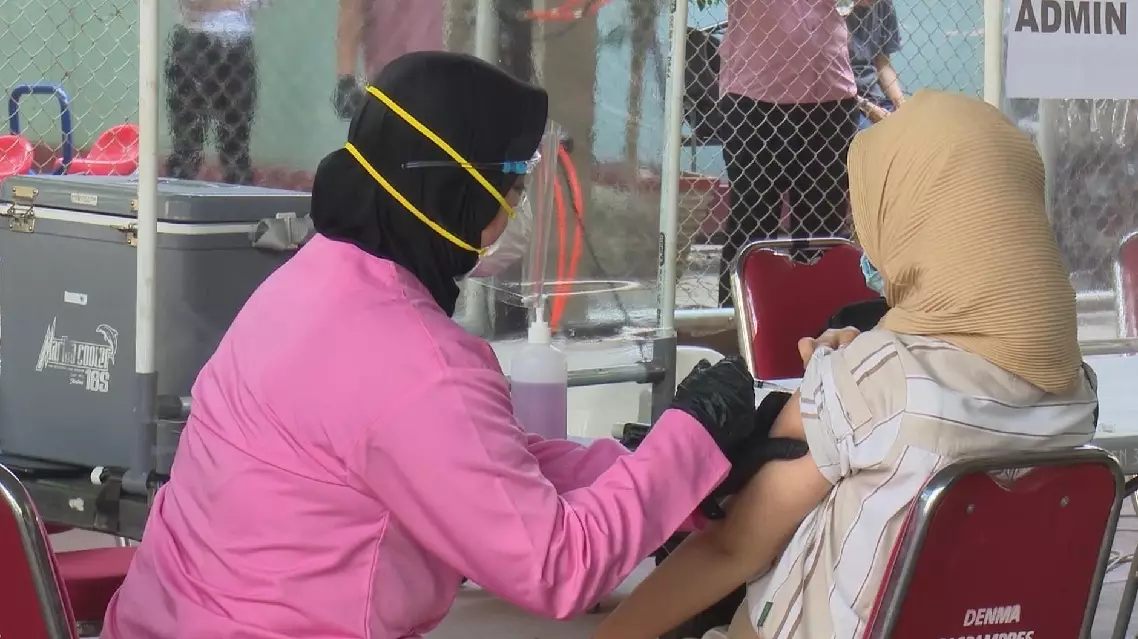
During COVID-19, wealthier countries had access to supplies first, while developing nations were left waiting. Now, with the U.S. withdrawal, experts are concerned that shortages of medical resources could happen again.
"Of course, the current situation is impacting us, but we have also implemented anticipatory policies to address these issues. We can still conduct most testing activities, but some samples are still pending. However, we can still receive support from this at a national level. There will certainly be an impact, but we are always preparing for it and finding solutions to ensure activities are not interrupted," said Nida Rohmawati, head of the Public Health Laboratory of the Indonesian Ministry of Health.
The U.S. left the WHO with about 278 million U.S. dollars in unpaid dues and hundreds of millions more in undelivered pledges, according to a recent report by the National Public Radio (NPR). During COVID-19, the WHO helped negotiate fairer vaccine access for low- and middle-income countries. Without U.S. funding, that kind of coordination could become far more difficult, potentially delaying vaccine distribution and weakening outbreak response.
As new health threats emerge each year, experts warn that developing countries, including Indonesia, may be increasingly unprepared.
U.S. exit from WHO raises health cooperation concerns in Indonesia