A senior Iranian military commander said on Saturday the country's armed forces are ready to give a "regret-inducing" response to any adventurism by the "enemies," the official news agency IRNA said on Saturday.
Deputy Commander of Iran's Islamic Revolution Guards Corps Ahmad Vahidi made the remarks at a national congress in the northwestern Iranian province of West Azarbaijan as tensions remain high between Iran and the U.S. over the latter's threats of intervention.
"Today, we are more prepared than the 12-day war ... We are ready to respond to any adventurism by the enemies in a regret-inducing manner," Vahidi said.
Pointing to the recent unrests in the country, he added, "The enemies, who had received a hard slap from Iran during the 12-day war, sought to compensate for their defeat through inciting sedition, but faced another heavy defeat thanks to the Iranian people's unity and solidarity."
Last June, Israel launched a 12-day war against Iran, during which Israeli warplanes carried out strikes on Iranian military targets and the United States openly bombed Iranian nuclear facilities.
His remarks came as U.S. President Donald Trump said Thursday that the United States had a "massive" naval force heading towards Iran, while suggesting it may not be used.
"We have a lot of ships going that direction just in case. We have a big flotilla going in that direction. And we'll see what happens," Trump told reporters on Air Force One as he returned from the World Economic Forum in Davos, Switzerland.
The U.S. president reiterated that he preferred to avoid conflict, saying, "I'd rather not see anything happen, but we're watching them very closely."
Protests erupted late December in several Iranian cities over the sharp depreciation of the rial. Initially held peacefully, the protests gradually became violent, leading to casualties and damage to public property, mosques, government buildings, and banks, for which Iran has blamed the United States and Israel.
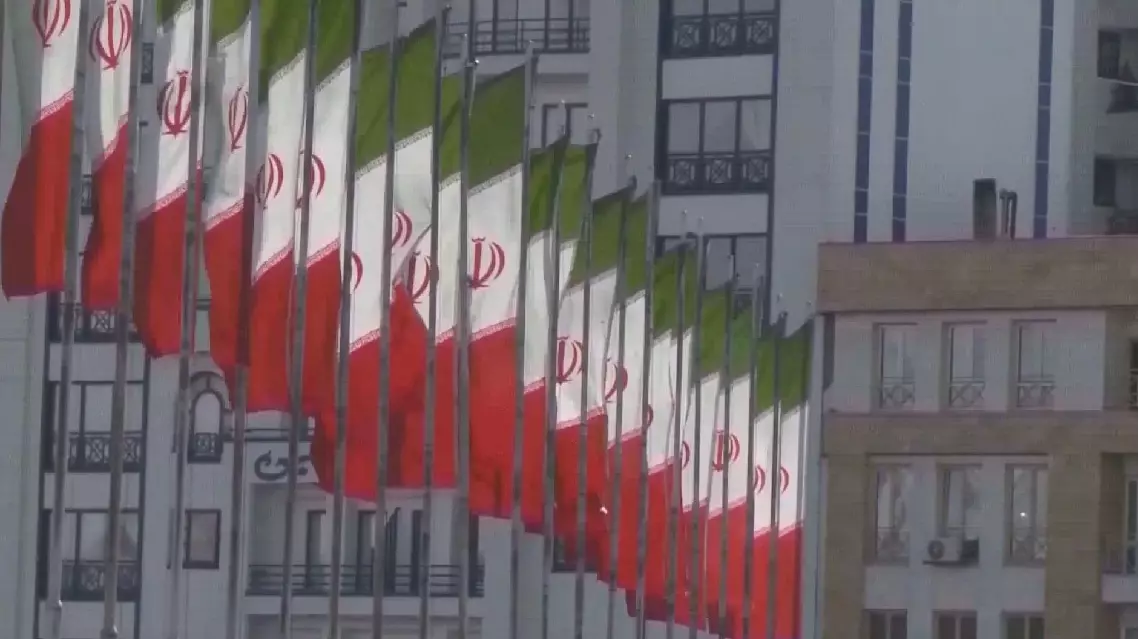
Iran to give 'regret-inducing' response to adventurism by 'enemies': commander
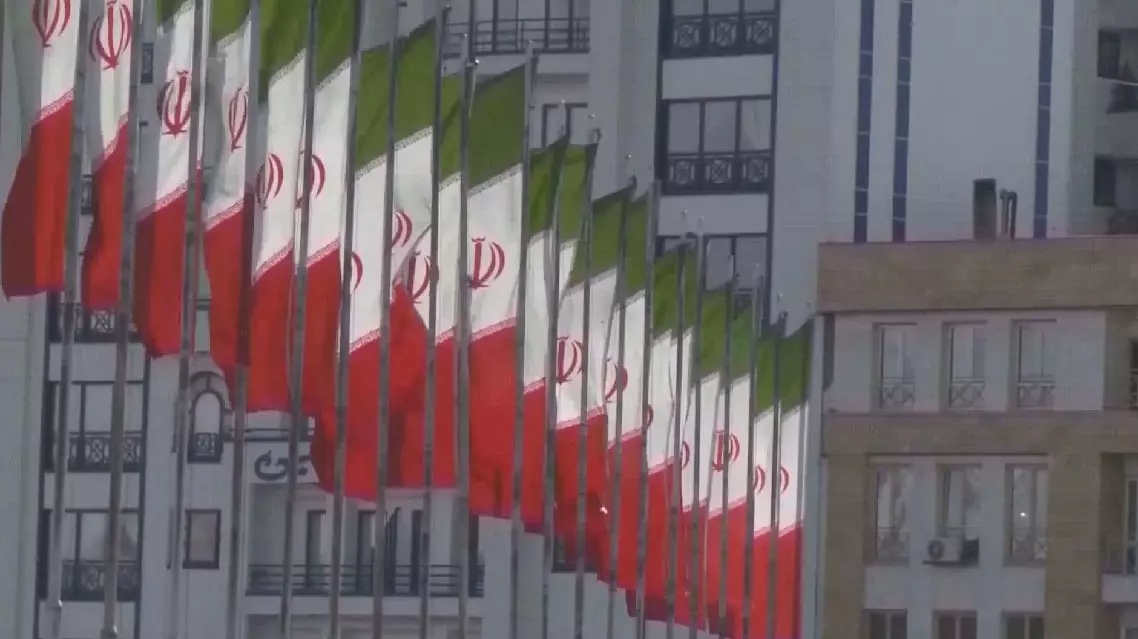
Iran to give 'regret-inducing' response to adventurism by 'enemies': commander
In South Sudan, education is being championed as a foundation for peace, but ongoing conflict and poverty continue to deprive millions of children of the opportunity to learn.
The South Sudanese government said education is crucial to building peace, promoting social cohesion, and equipping young people with skills to resolve conflict.
Some schools, including one in the capital Juba, have even established "peace centers" where students are trained in leadership and peacebuilding. Schools are also playing a role in tackling harmful practices like early and forced marriage.
"We normally inform them that in case they encounter such challenges, you come directly to school, we will be able to support you. Whatever support that is required, is always availed to them," said Chol Reuben Maken, school principal.
Despite these initiatives, the education sector is in crisis. According to UNICEF, South Sudan has one of the highest rates of out-of-school children in the world, with girls making up 75 percent. Over 2.2 million children, more than half of the country's youth population, are not attending school.
The key barriers are poverty and ongoing violence.
"General poverty is a real challenge to many families and therefore access to education becomes less of a priority if you need to feed yourself and cover other basic needs. There are also climate-related events that affect access to education. South Sudan is prone to flooding and it's also prone to heat waves," said Emilie Roy, education chief of UNICEF South Sudan.
The government said it is investing in education as a long-term tool for positive change, stressing that the impact of education goes far beyond academic achievement.
Educated children, officials said, become advocates and peacebuilders who push for equality and challenge harmful practices within their communities, planting the seeds for a more peaceful future.
Still, the challenges are enormous. Many children simply have no schools to attend due to a lack of infrastructure, and where schools do operate, chronic staff shortages and unpaid salaries have left the system struggling.
"My biggest thank you is to my colleagues, the teachers, the teachers of this country that have persevered through all the challenges to make sure that education is progressing and that our kids are taught," said Kuyok Abol Kuyok, minister of General Education.
While UNICEF maintains that education is a primary tool for promoting long-term stability, they also warn that without immediate peace in the country, the opportunity for an education will remain a far off dream for many.
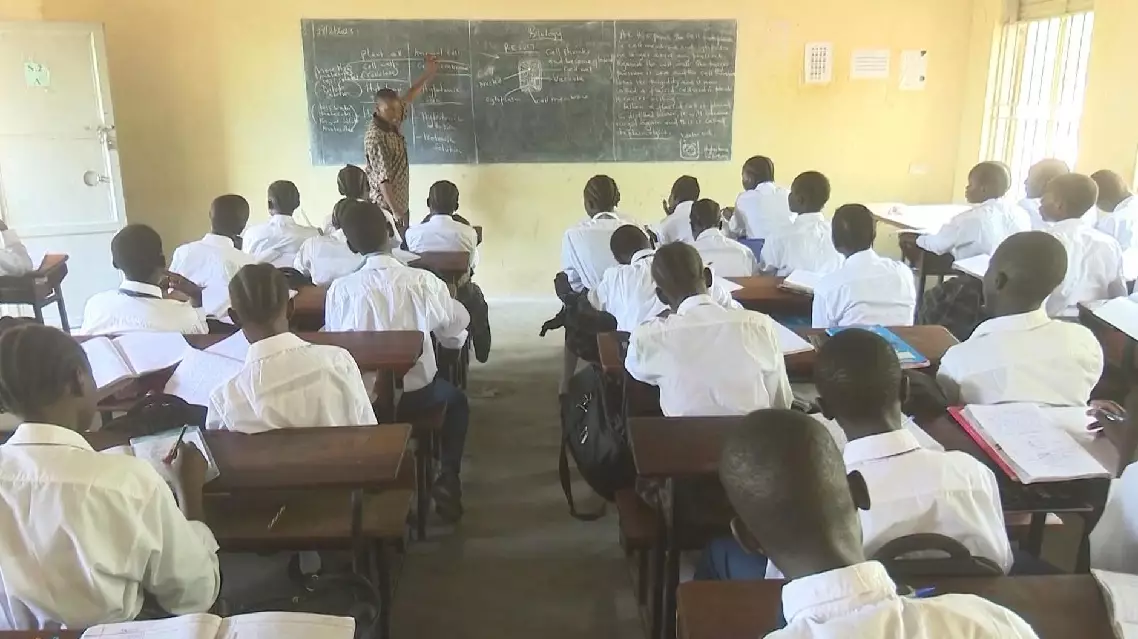
Education seen as peace tool in South Sudan