Nearly 800 competitors from across China gathered on Saturday to compete in a thrilling ice dragon boat race on the frozen surface of Yuehai Wetland Park in Jinfeng District, Yinchuan, capital of northwest China's Ningxia Hui Autonomous Region.
With a sharp whistle from the referee, the race kicked off on the ice as teams raced in dragon boats - each 7.4 meters long and 1.2 meters wide. Twelve racers per boat worked in sync, thrusting ice awls into the surface as they glided forward, turning the frozen area into a fiercely competitive arena.
"We came from Wuhai (Inner Mongolia) to take part in the ice dragon boat race in Yinchuan. I think it's a fantastic event. It feels completely different gliding on ice, very exciting. The teamwork feels especially great," said Mou Huanran, a contestant.
Ice dragon boating blends the intense competition of traditional water-based dragon boat racing with the distinct charm of northern China's winter culture. Inspired by the classic winter pastime of ice sledding, the sport has been adapted for frozen conditions while keeping its competitive spirit alive.
This year's race drew 29 teams from Tianjin, Inner Mongolia, Shaanxi, Gansu, and Ningxia. Events were held across men, women, and mixed team categories.
"It's our first time participating, and we even made it to the semifinals. We are thrilled. It already feels like a full success. We'll keep working hard and hope to take part in the event every year," said Wang Jingjing, another contestant.
To further enhance the event's impact, local authorities rolled out a "ticket stub" promotion campaign, involving more than 50 local businesses and shopping centers, who offer discounts, deals for race participants, and half-price tickets to the city's lantern festival. The initiative aims to turn the energy of the competition into a boost for local consumption and tourism.
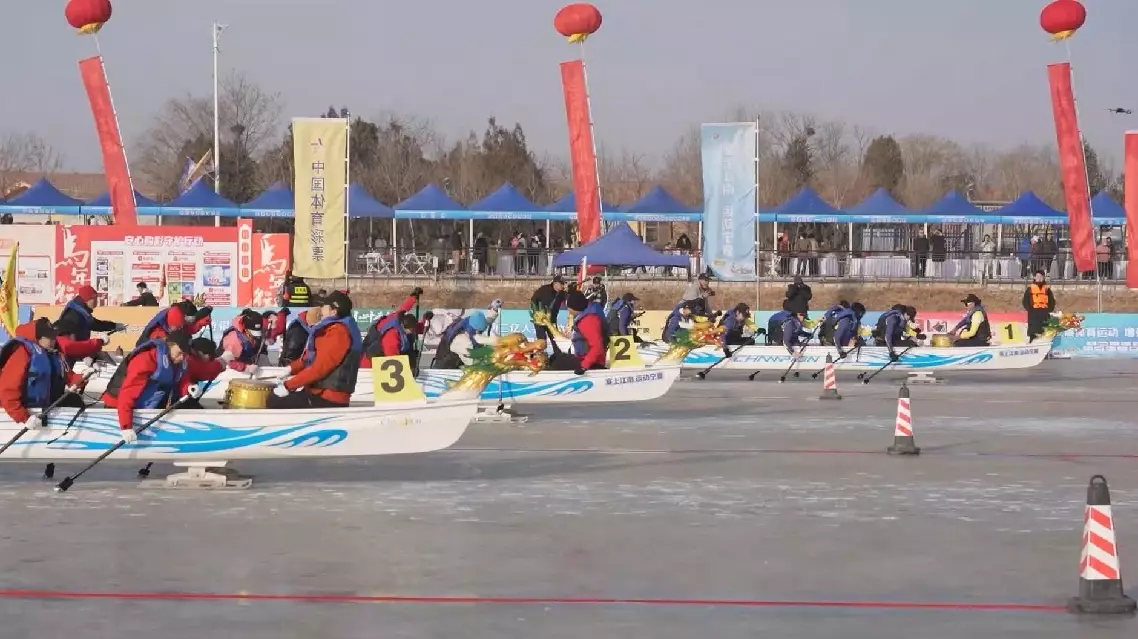
Ice dragon boat race held in Ningxia
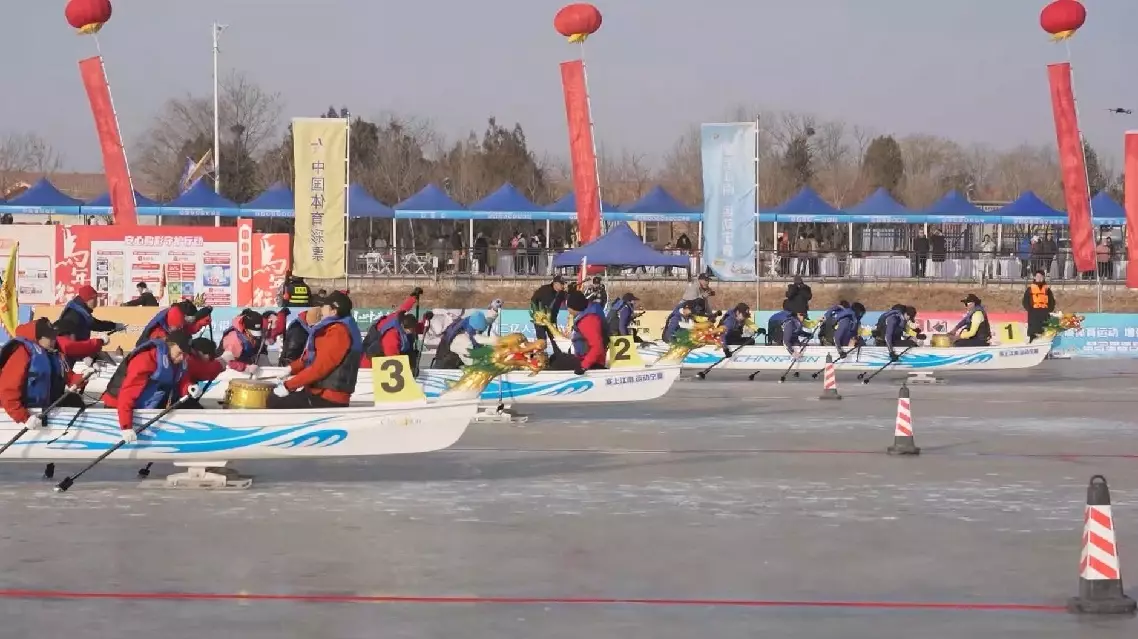

In South Sudan, education is being championed as a foundation for peace, but ongoing conflict and poverty continue to deprive millions of children of the opportunity to learn.
The South Sudanese government said education is crucial to building peace, promoting social cohesion, and equipping young people with skills to resolve conflict.
Some schools, including one in the capital Juba, have even established "peace centers" where students are trained in leadership and peacebuilding. Schools are also playing a role in tackling harmful practices like early and forced marriage.
"We normally inform them that in case they encounter such challenges, you come directly to school, we will be able to support you. Whatever support that is required, is always availed to them," said Chol Reuben Maken, school principal.
Despite these initiatives, the education sector is in crisis. According to UNICEF, South Sudan has one of the highest rates of out-of-school children in the world, with girls making up 75 percent. Over 2.2 million children, more than half of the country's youth population, are not attending school.
The key barriers are poverty and ongoing violence.
"General poverty is a real challenge to many families and therefore access to education becomes less of a priority if you need to feed yourself and cover other basic needs. There are also climate-related events that affect access to education. South Sudan is prone to flooding and it's also prone to heat waves," said Emilie Roy, education chief of UNICEF South Sudan.
The government said it is investing in education as a long-term tool for positive change, stressing that the impact of education goes far beyond academic achievement.
Educated children, officials said, become advocates and peacebuilders who push for equality and challenge harmful practices within their communities, planting the seeds for a more peaceful future.
Still, the challenges are enormous. Many children simply have no schools to attend due to a lack of infrastructure, and where schools do operate, chronic staff shortages and unpaid salaries have left the system struggling.
"My biggest thank you is to my colleagues, the teachers, the teachers of this country that have persevered through all the challenges to make sure that education is progressing and that our kids are taught," said Kuyok Abol Kuyok, minister of General Education.
While UNICEF maintains that education is a primary tool for promoting long-term stability, they also warn that without immediate peace in the country, the opportunity for an education will remain a far off dream for many.
Education seen as peace tool in South Sudan