The Bayi Aerobatic Team of the Chinese People's Liberation Army (PLA) Air Force has been training with J-10 fighters for the Singapore Airshow from late January to early February, marking the team's return to the biennial event after last performance there in 2020.
At a northern China airbase, pilots flew in tight formations in the clear sky, practicing signature maneuvers including six-plane flypast in the spear-shaped formation. All routines were completed successfully.
"This time in Singapore, the maneuvers will be somewhat different from before. We have added a six-aircraft formation roll, a five-aircraft flypast, and a solo axial roll by aircraft No. 6, all of which will be performed in Singapore for the first time. The participation this time is also different from the transfer method of last visit. Last time we basically landed step by step without aerial refueling. This time, we will rely on aerial refueling to get there," said Zhang Chunlei, a pilot.
For the Singapore airshow, the Bayi team conducted site surveys at Changi Airport in the country to familiarize themselves with local airspace, regulations and customs.
"Based on the performance area of the Singapore Airshow, we mapped it into our training field. This allowed us to study the flight rules and restrictions that will apply during the show. We've arranged our maneuvers according to those limitations and also developed contingency measures, so that we can complete the airshow mission safely, smoothly, and successfully," said Gong Xiaohua, a pilot.
The biennial airshow will run from Feb 3 to 8.
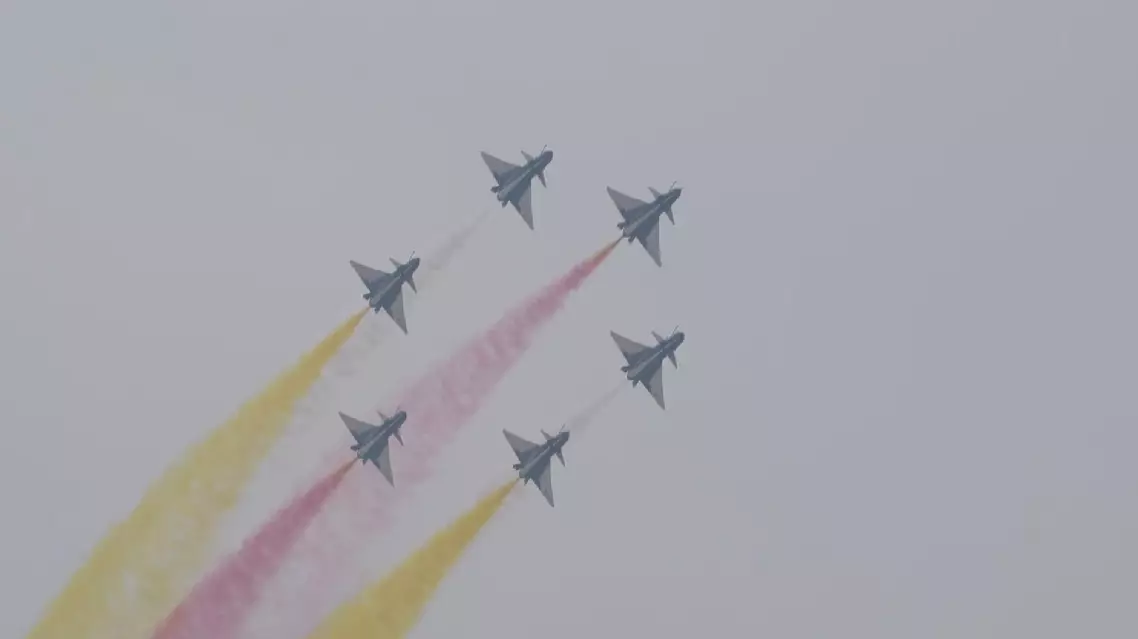
Bayi aerobatic team training for Singapore airshow
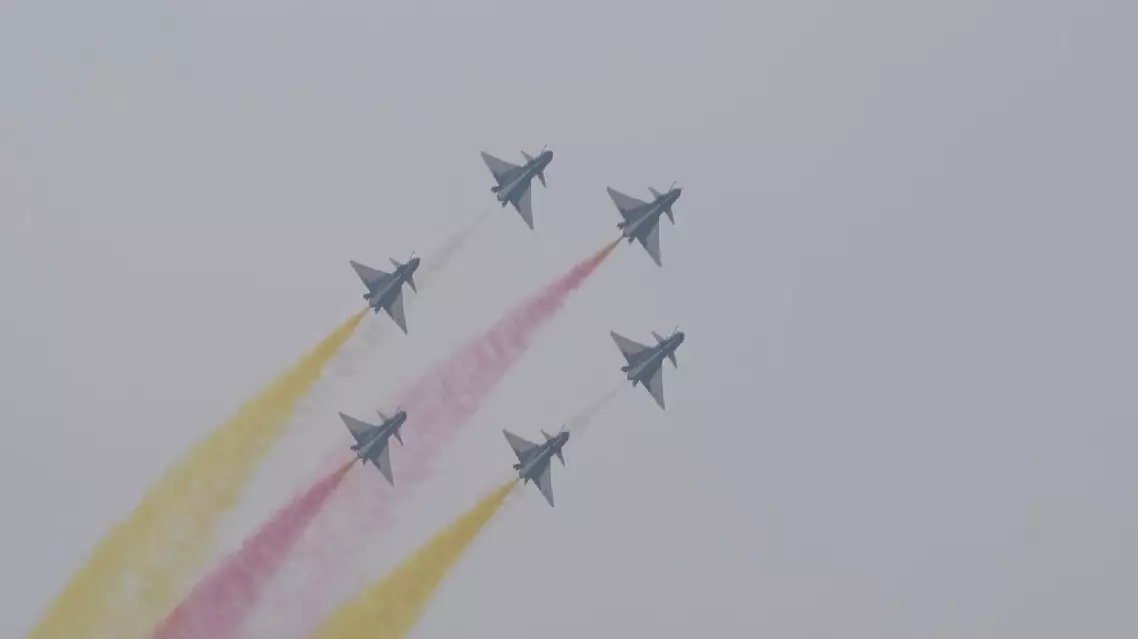
Bayi aerobatic team training for Singapore airshow
Spain is seeing a surge in European tourists as conflict in the Middle East prompts travelers to opt for closer and safer destinations.
With Easter holiday underway, Palma de Mallorca airport has been packed with visitors who abandoned plans for trips eastward. Hostilities triggered by Israeli‑U.S. strikes on Iran have forced major airports across the Middle East to cancel or delay flights, severely disrupting aviation and tourism in the region.
"We were thinking about going to Dubai, but because of the war, there was no option, so we came here to Mallorca," said a traveler named Michelle, who works as a kindergarten teacher.
"We thought about going to Thailand, but I see the flights were disrupted and they said there were drones and things like that, so we thought Spain may be a safer option," another traveler Ross McGrego said.
"The situation in the Middle East is a little bit too unstable for my holiday plans," said traveler Rose Danaher, a rabies specialist nurse with the UK Health Services Agency.
The influx has brought new opportunities for local businesses. Local restaurant owner in Mallorca Victoria Amoros opened her second restaurant just days ago.
"50,000 people extra are flying to Mallorca. These people were supposed to fly to the Middle East and they are rerouted to Mallorca. I don't know how we are going to handle that, but we will receive them with love," said Amoros, owner of La Malvasia Restaurant Chain.
Chris Pomeroy, the global head of tourism of international communications group Hopscotch said people all over the world are choosing to holiday closer to home.
"So, 14 percent of international travel goes through the Middle East, it's a connectivity issue. So, when these bridges are down, the logical effect is that people will stay in their hemisphere. We say in tourism that when in times of conflict, investors turn to gold, and in times of conflict, tour operators turn to Spain," he said.
Spain welcomed a record 97 million foreign tourists in 2025, and industry experts say the figure could surpass 100 million this year. With Middle East routes disrupted, Spain's role as Europe's fallback destination is set to grow even further.
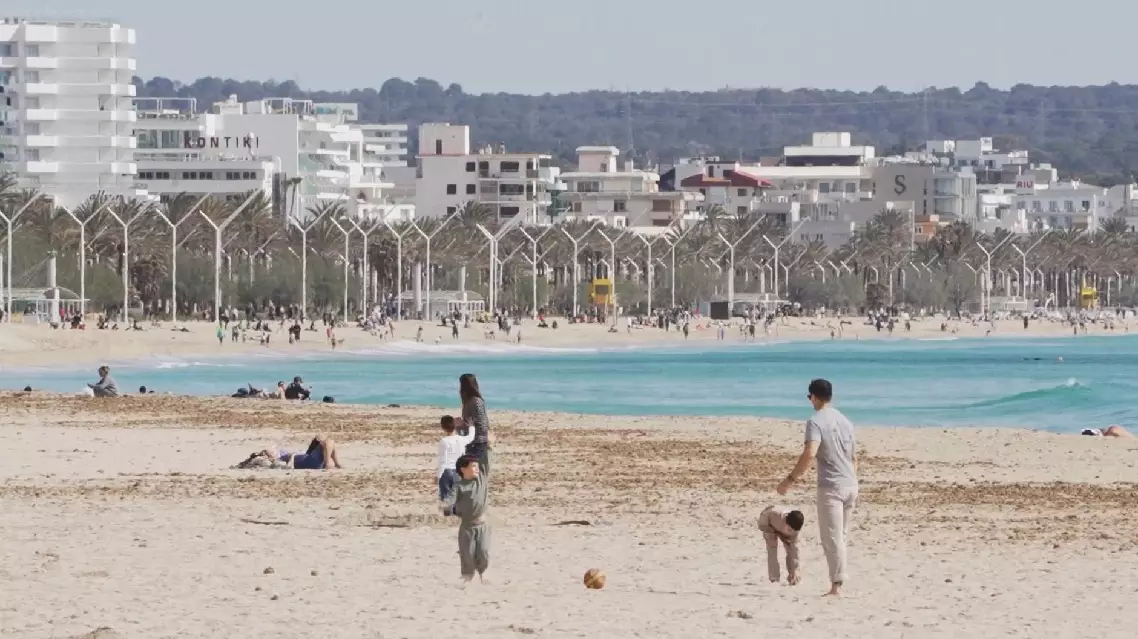
Spain tourism surges as Europeans opt for safer holidays amid Middle East conflict