At least 18 bodies were recovered, and 24 people remained missing after an inter-island ferry sank early Monday morning in waters off Basilan province in the southern Philippines, authorities said.
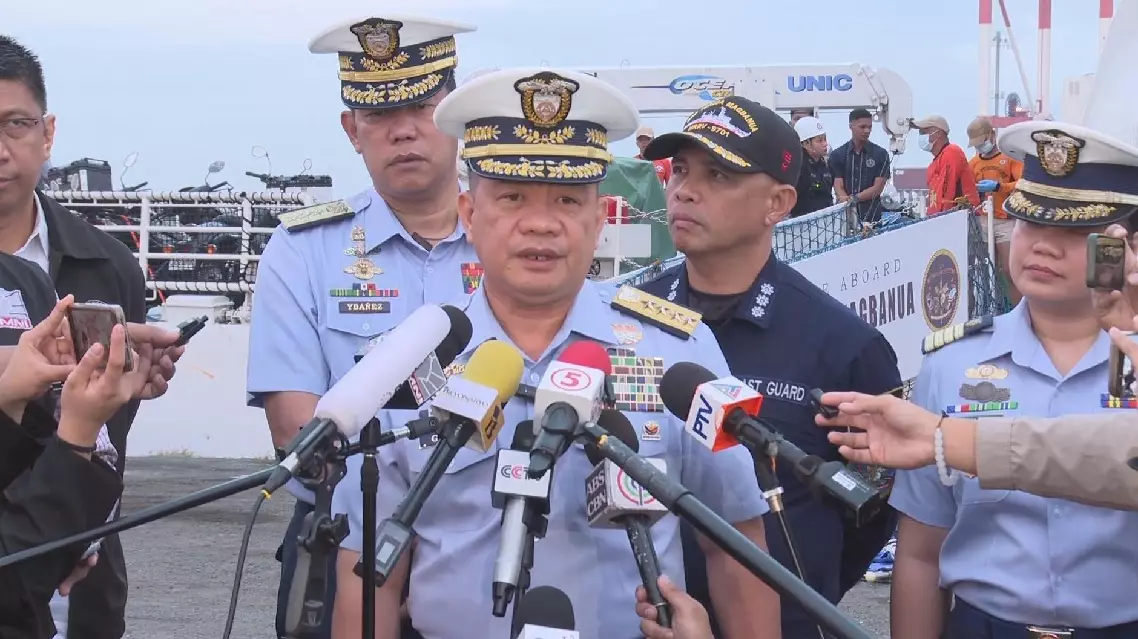
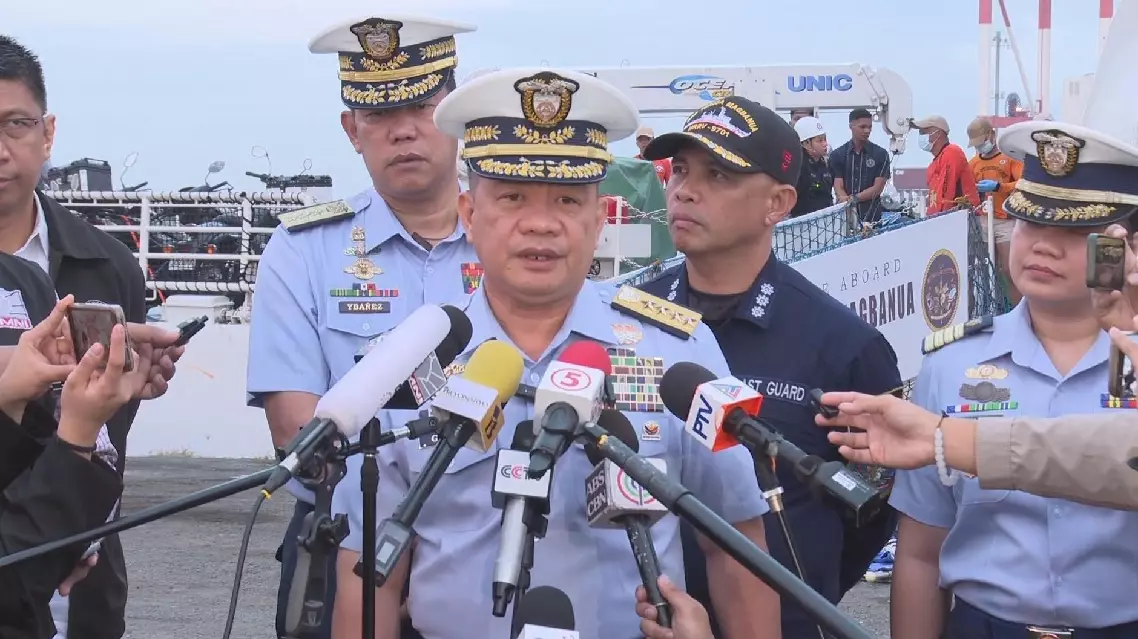
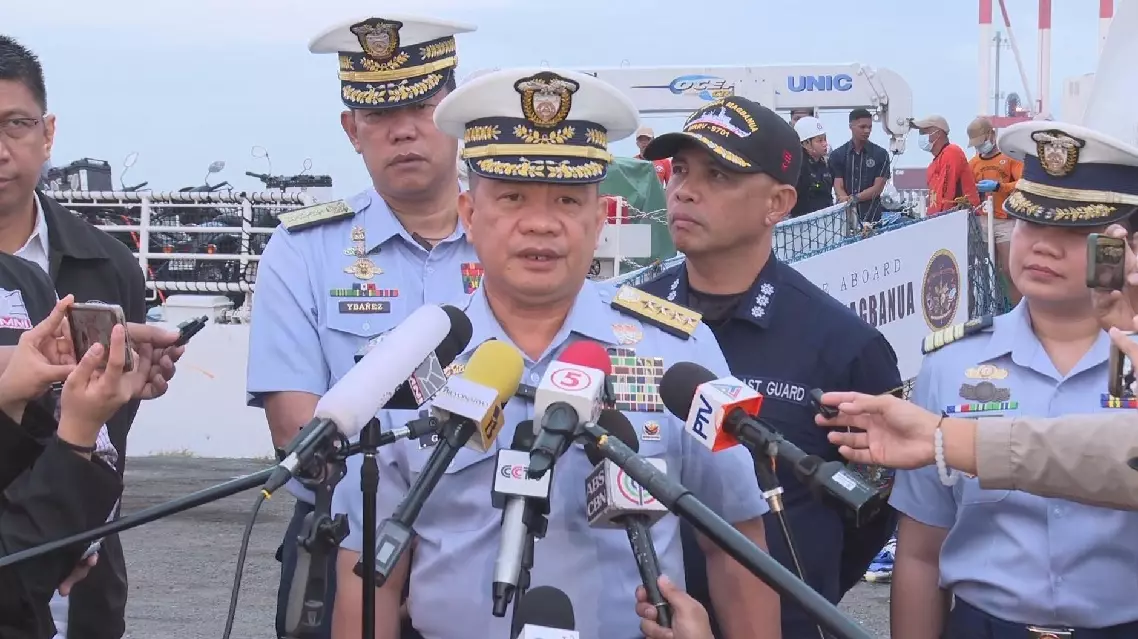
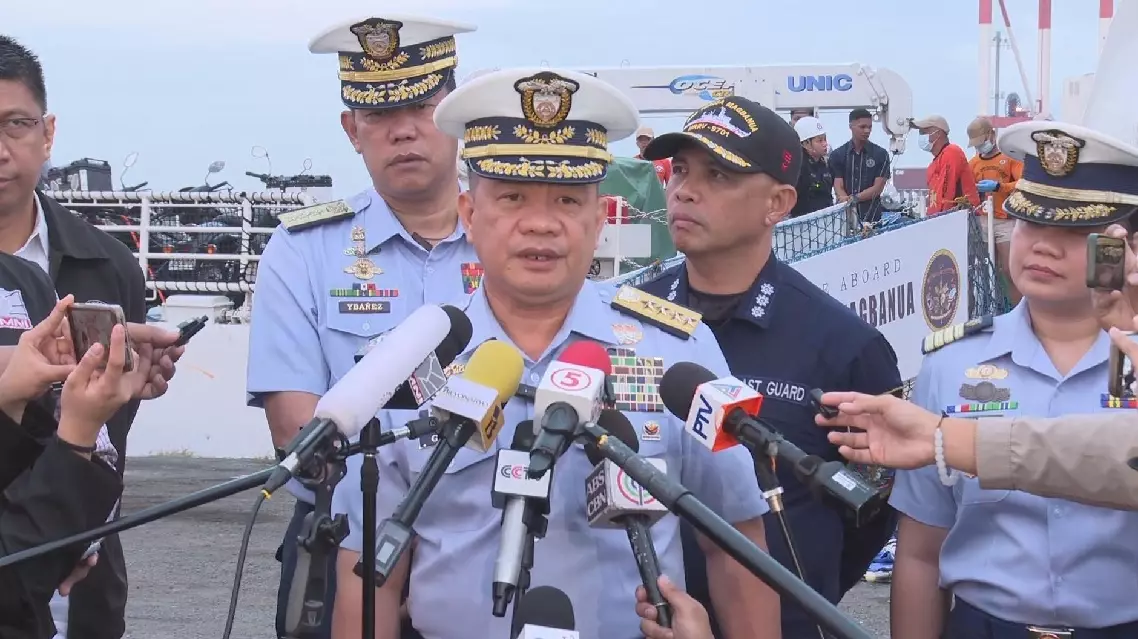
There were 332 passengers and 27 crew members onboard when the accident happened, according to the Chief Admiral Ronnie Gil Gavan of the Philippine Coast Guard (PCG).
Click to Gallery
18 dead after ferry sinks off Basilan province in southern Philippines
18 dead after ferry sinks off Basilan province in southern Philippines
18 dead after ferry sinks off Basilan province in southern Philippines
18 dead after ferry sinks off Basilan province in southern Philippines
"The search and rescue operation is ongoing, but what I can say is that the ship is not overloaded. It has a maximum passenger capacity of 350, and the actual passengers on board, as declared by the master, are 332. The Coast Guard has immediately acted on it as soon as it received, or we've received, the distress call from the Sea Marshal on board. It has two Coast Guard personnel on board acting as Sea Marshals," Gavan told reporters in Manila.
"There are initial reports, but the details are not yet final," he said.
Gavan said the cause of the sinking was still under investigation.
The PCG Commander Romel Dua of the Southern Mindanao District told reporters that 317 people were rescued.
The PCG said the M/V Trisha Kerstin 3 was en route to Jolo Island in Sulu province from Zamboanga City when it sank before 2:00 local time on Monday off the Balukbaluk Island in Hadji Muhtamad, a municipality in the Sulu Sea.
18 dead after ferry sinks off Basilan province in southern Philippines
18 dead after ferry sinks off Basilan province in southern Philippines
18 dead after ferry sinks off Basilan province in southern Philippines
18 dead after ferry sinks off Basilan province in southern Philippines