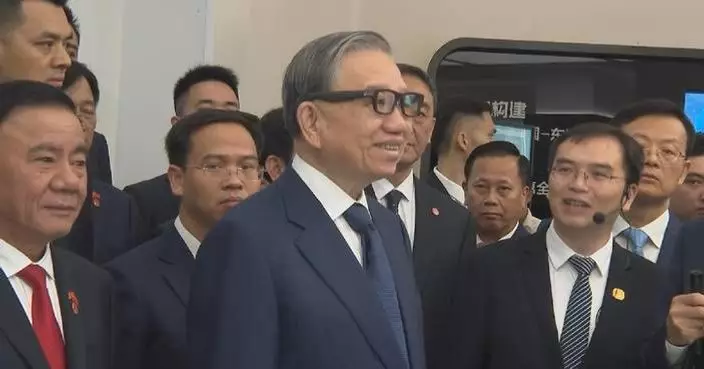
Chinese President Xi Jinping met with visiting British Prime Minister Keir Starmer in Beijing on Thursday, during which the two sides agreed to develop a long-term and stable comprehensive strategic partnership.
Starmer arrived in the Chinese capital on Wednesday to begin a four-day official visit to China, the first by a British prime minister in eight years.
During their meeting in the Great Hall of the People, Xi pointed out that as the current international landscape is full of changes and instability, China and the United Kingdom, as permanent members of the United Nations Security Council and major global economies, need to strengthen dialogue and cooperation to safeguard world peace and stability and advance the economic development and people’s livelihood of both nations.
China is willing to work with the UK to embrace a broad historical perspective, transcend differences, and respect each other, so as to transform the great potential of China-UK cooperation into great achievements, and open a new chapter in bilateral ties and cooperation that benefits both peoples and the world.
Xi also emphasized that mutual trust is the foundation for stable and sustained relations between nations.
China has always adhered to the path of peaceful development, never initiated a war or conflict, and never occupied an inch of another country's territory, he said, stressing that China will never pose a threat to other countries no matter how it grows and develops.
China's cultural tradition values harmony, and pursues harmony without uniformity, Xi added.
Noting that the essence of economic and trade cooperation between China and the UK is mutual benefit and win-win results, Xi urged extending frontiers in mutually beneficial cooperation in the fields of education, medicare, finance and the service industry, and called on the two sides to carry out joint research and industrial transformation in artificial intelligence, bioscience, new energy and low-carbon technologies, among other areas, to achieve common development and prosperity.
Xi expressed the hope that the UK will provide Chinese enterprises with a fair, equitable, and non-discriminatory business environment.
Noting that China and the UK are both cultural powers that have made significant contributions to human development and progress, Xi said the two sides should strengthen people-to-people and cultural exchanges, and take steps to further facilitate travel.
China welcomes visits by the members of the British government, parliament, and representatives of local communities across various sectors to deepen their comprehensive, objective, and accurate understanding of the country, Xi said, adding that China is willing to actively consider granting a unilateral visa waiver to UK citizens.
For some time now, unilateralism, protectionism, and power politics have been on the rise, severely undermining the international order, Xi said.
Pointing out that international law can only be truly effective when all countries abide by it, he said major countries should take the lead in this regard, otherwise, the world would risk regressing into the law of jungle.
China and the UK, as supporters for multilateralism and free trade, should jointly advocate and practice true multilateralism, promote the establishment of a more just and equitable global governance system, and achieve an equal and orderly multipolar world and inclusive globalization, Xi said.
Starmer conveyed King Charles III's greetings to Xi, and said he was pleased to be the first British Prime Minister to visit China in eight years.
Bringing a delegation of over 60 prominent representatives from the British business, industry, and cultural sectors fully demonstrates the breadth of UK-China cooperation and the UK's commitment to deepening and expanding its collaboration with China, the prime minister added.
The UK and China are major global economies and permanent members of the UN Security Council, Starmer said, stressing that it is crucial for the UK to establish a long-term and stable comprehensive strategic partnership with China based on mutual respect and trust in the current turbulent and fragile international landscape.
The UK's long-standing policy on the Taiwan question remains unchanged and will not change, he added.
Starmer also said the UK is committed to maintaining high-level exchanges with China, enhancing close dialogue and communication, and strengthening cooperation across various fields including trade, investment, finance, and environmental protection, so as to bolster mutual economic growth and bring benefits to the people of both nations.
The closer the people-to-people exchanges, the more conducive they are to fostering mutual understanding, he said, adding that the UK stands ready to work with China to promote enhanced interactions between their legislative bodies and other sectors.
Pointing out that Hong Kong's prosperity and stability serve the shared interests of both nations, Starmer said the UK welcomes Hong Kong's role as a unique and vital bridge between the UK and China.
China plays a pivotal role in international affairs, and the UK stands ready to strengthen cooperation with China on addressing global challenges such as climate change, and to jointly safeguard world peace and stability, said Starmer.
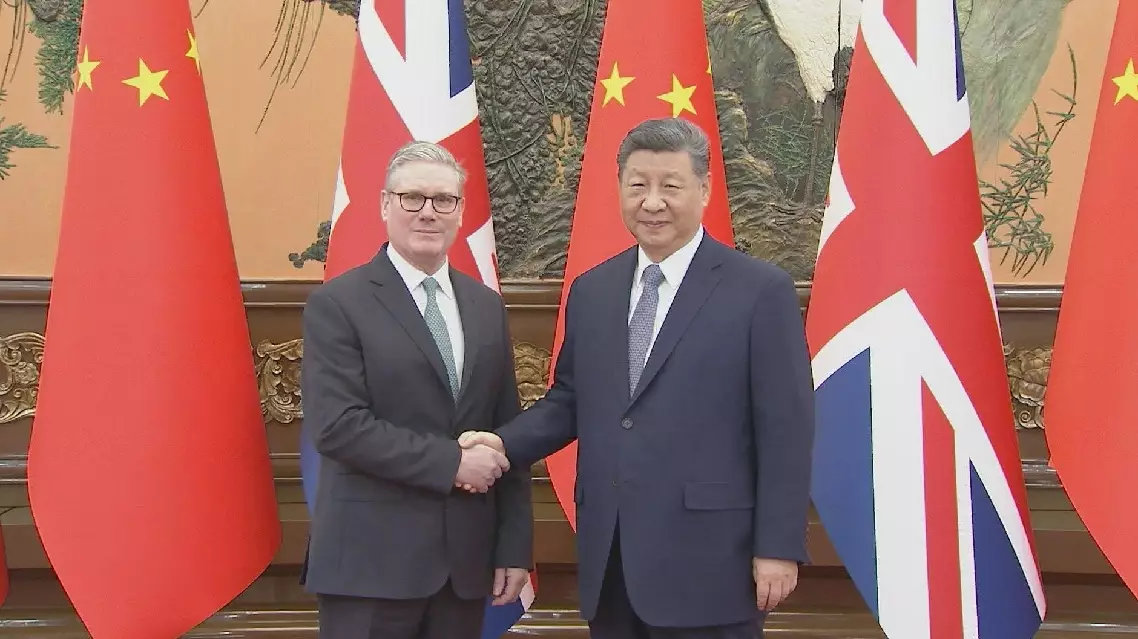
China, Britain agree to develop long-term, stable comprehensive strategic partnership
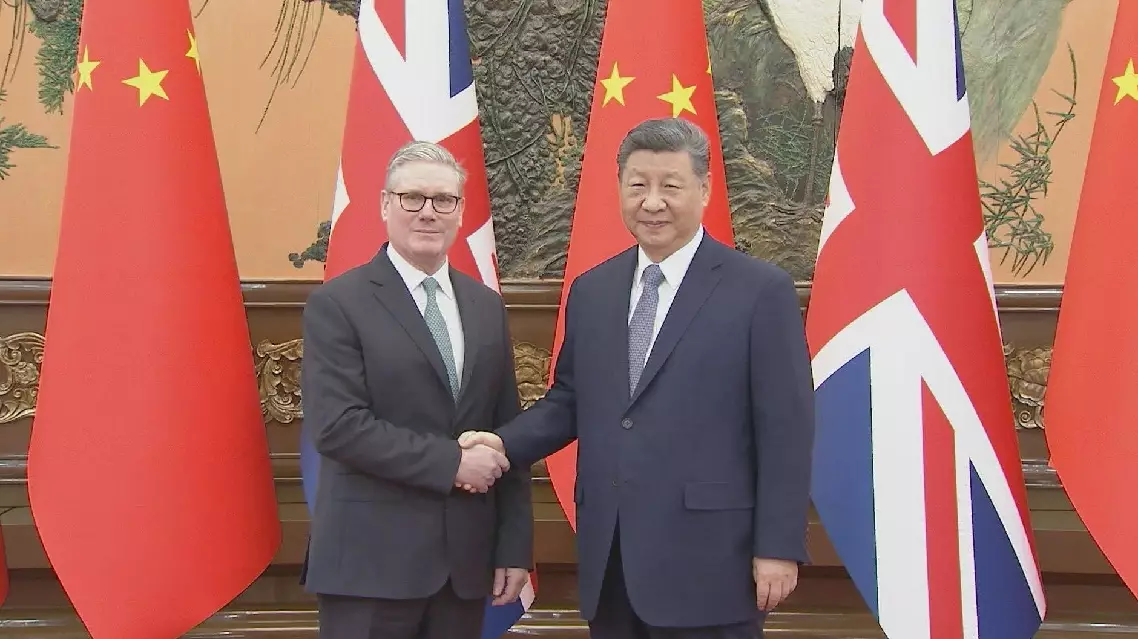
China, Britain agree to develop long-term, stable comprehensive strategic partnership
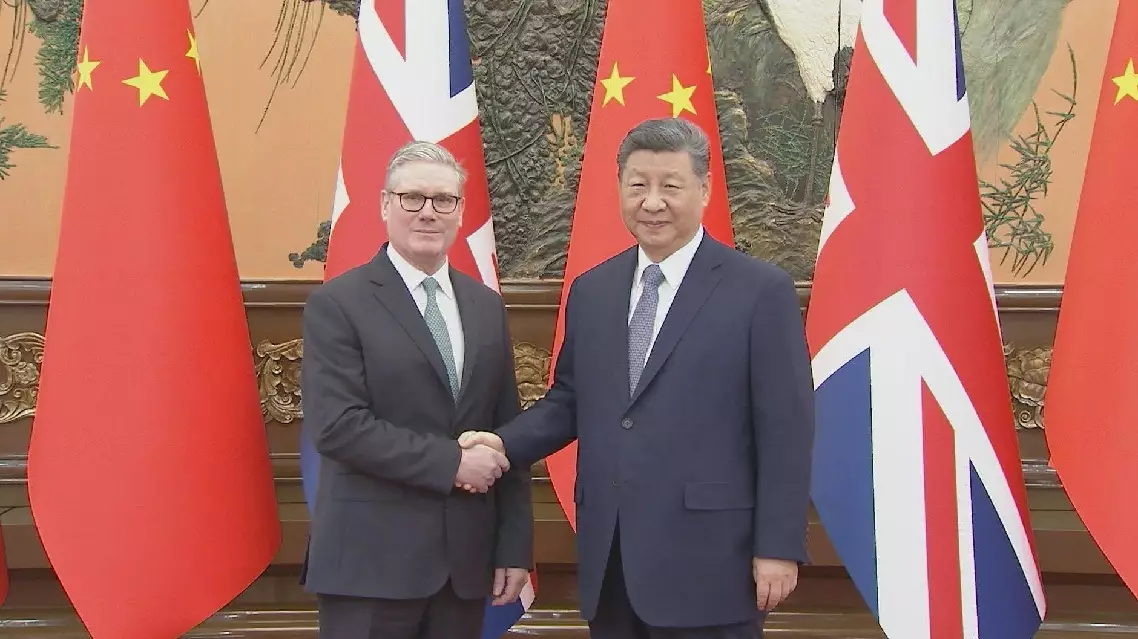
China, Britain agree to develop long-term, stable comprehensive strategic partnership