ST. LOUIS--(BUSINESS WIRE)--Jan 29, 2026--
Safety National Casualty Corporation announced changes to the company’s executive management structure today to support organizational growth. The following realignment of responsibilities will become effective on April 1, 2026.
Click to Gallery
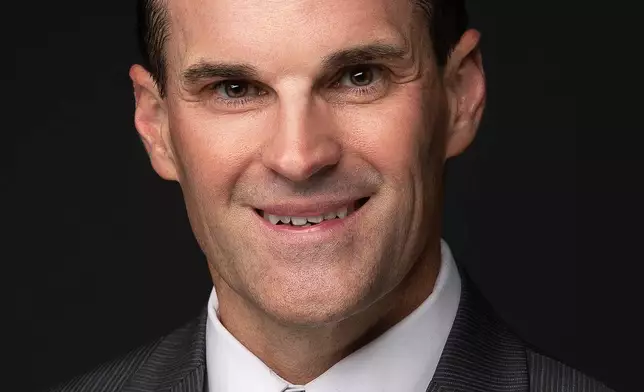
Nick Kriegel, Chief Operating Officer, will take on the additional responsibility of providing executive management oversight to the Claims and Business Intelligence and Planning Departments.
Cyndee Morton, President, will take on the additional responsibility of providing executive management oversight to the Safety National Re Treaty Reinsurance Department.
Katie Flynn, currently Corporate Senior Vice President, Chief Accounting Officer, and Assistant Treasurer, will assume the role of Chief Financial Officer and Treasurer at Safety National.
Rob Leitner, currently Executive Vice President of Business Development, will assume the role of Chief Client Officer at Safety National.
Tom Grove will retire as Chief Client Officer and as a member of executive management. He will assume a new role as Executive Advisor for Safety National.
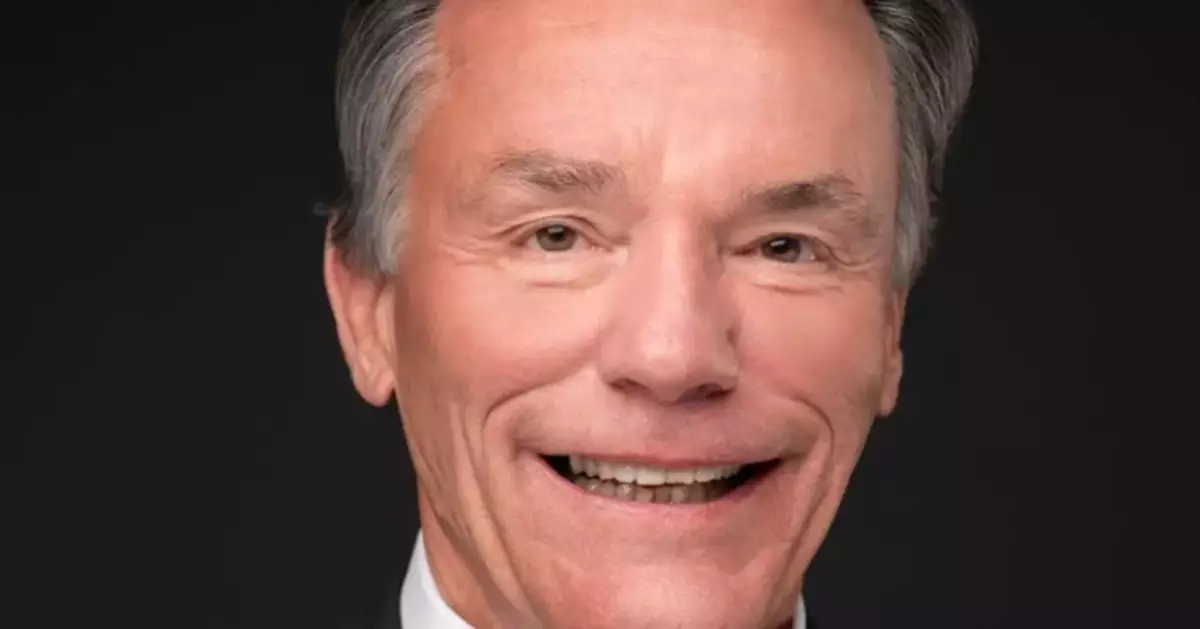
Mark Wilhelm, currently Executive Chairman, will continue as Chairman of the Board at Safety National with a heavier focus on his expanded role as International Broker Relationships Leader for the Tokio Marine Group.
This press release features multimedia. View the full release here: https://www.businesswire.com/news/home/20260129723366/en/
Mark Wilhelm, Executive Chairman, will continue as Chairman of the Board at Safety National. The adjustment to his responsibilities will allow him to focus on his expanded role as International Broker Relationships Leader for the Tokio Marine Group, working with brokerage executive leadership to raise awareness of the Tokio Marine Group’s collective strength and expertise to help facilitate domestic and global solutions.
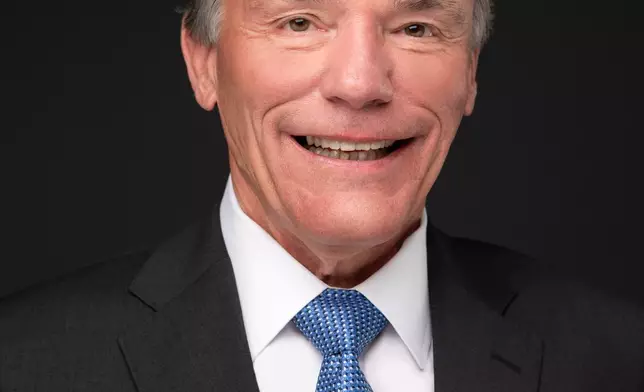
Tom Grove will retire as Chief Client Officer and as a member of executive management after over 30 years with Safety National. He will assume a new role as Executive Advisor, providing strategic guidance and working on special projects with the executive management team.
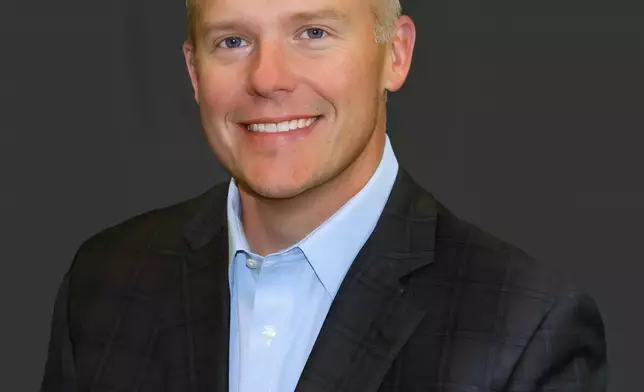
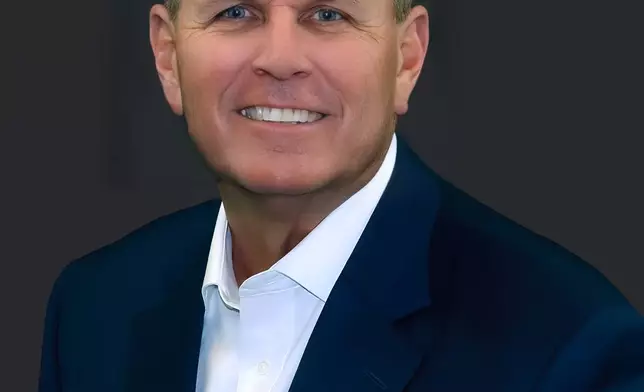
Rob Leitner, Executive Vice President of Business Development, will assume the role of Chief Client Officer. In this position, he will provide executive management oversight to the Business Development, Client Engagement, Marketing and Communications, and Risk Control Departments.
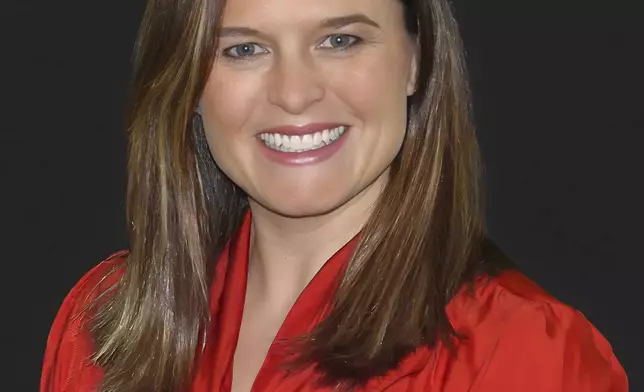
Katie Flynn, Corporate Senior Vice President, Chief Accounting Officer, and Assistant Treasurer, will assume the role of Chief Financial Officer and Treasurer. In this position, she will provide executive management oversight to the Actuarial, Finance, and Ceded Reinsurance Departments.
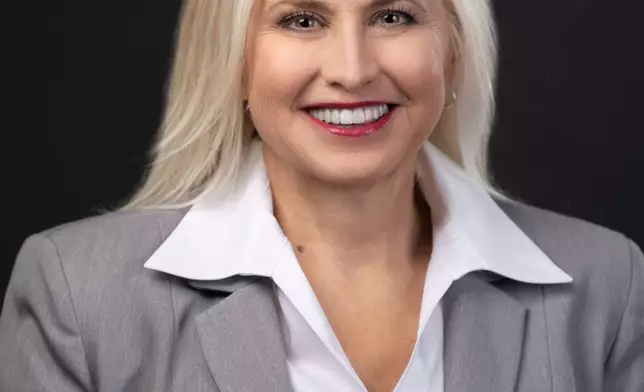
Cyndee Morton, President, will take on the additional responsibility of providing executive management oversight to the Safety National Re Treaty Reinsurance Department along with continuing in her current executive management role.
Nick Kriegel, Chief Operating Officer, will take on the additional responsibility of providing executive management oversight to the Claims and Business Intelligence and Planning Departments along with continuing in his current executive management role.
Duane Hercules, Chief Executive Officer, and Gus Aivaliotis, Deputy Chief Executive Officer, will continue in their current executive management roles.
In response to Tom Grove’s pending retirement, Safety National’s Chief Executive Officer Duane Hercules said, “Tom Grove has played an important role in helping to shape Safety National’s growth and long-term success. We are grateful that he will continue supporting our succession efforts in an executive advisory role. When he ultimately retires, he will leave a legacy defined by commitment and achievement.”
Safety National is a leading specialty insurance and reinsurance provider.With a rich history spanning over 80 years, Safety National offers specialized expertise, flexible program and placement design, and unique claims proficiency. Safety National is a member of the Tokio Marine Group and is rated A++ (Superior), FSC XV by A.M. Best. Learn more atwww.safetynational.com.
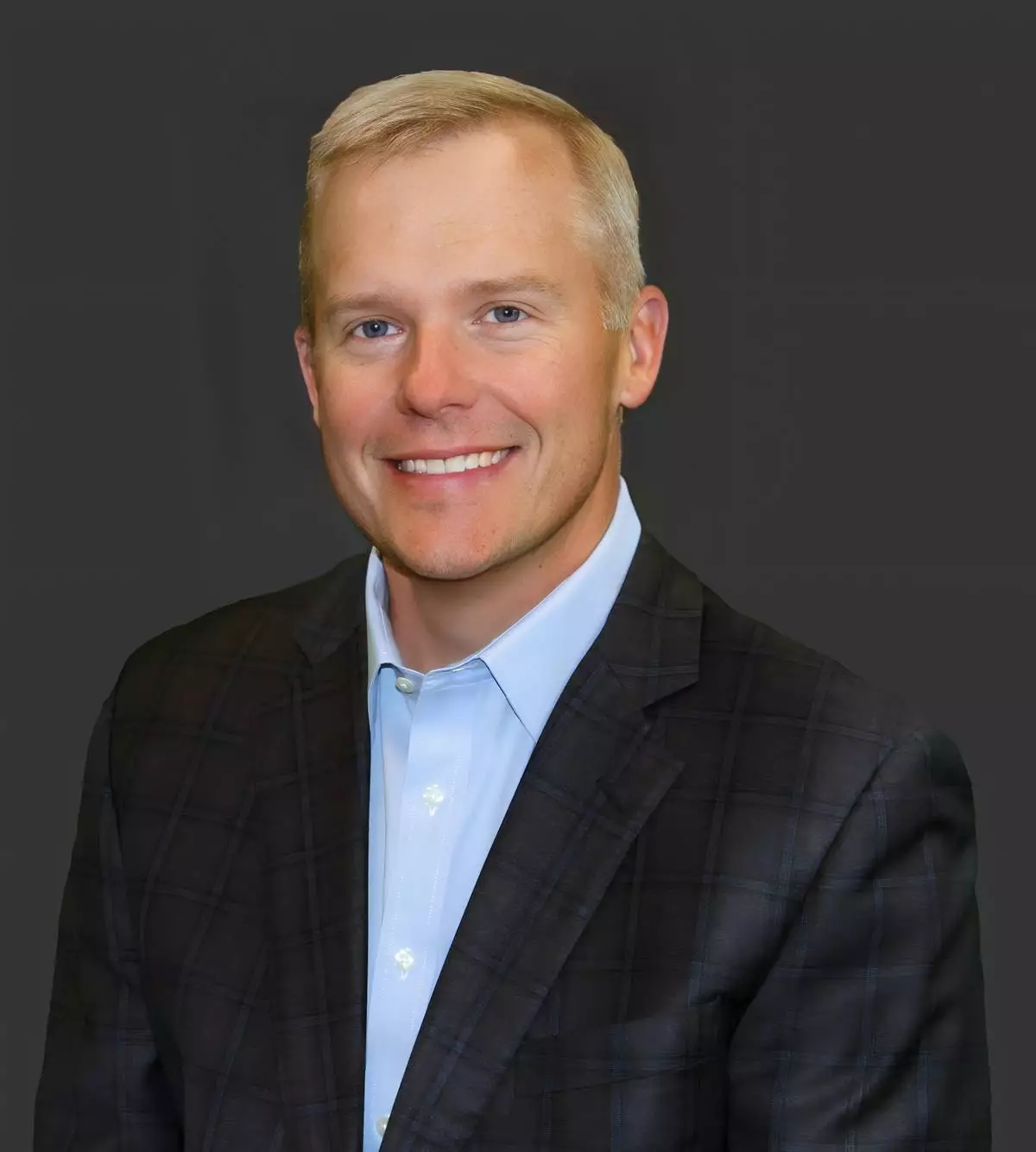
Nick Kriegel, Chief Operating Officer, will take on the additional responsibility of providing executive management oversight to the Claims and Business Intelligence and Planning Departments.
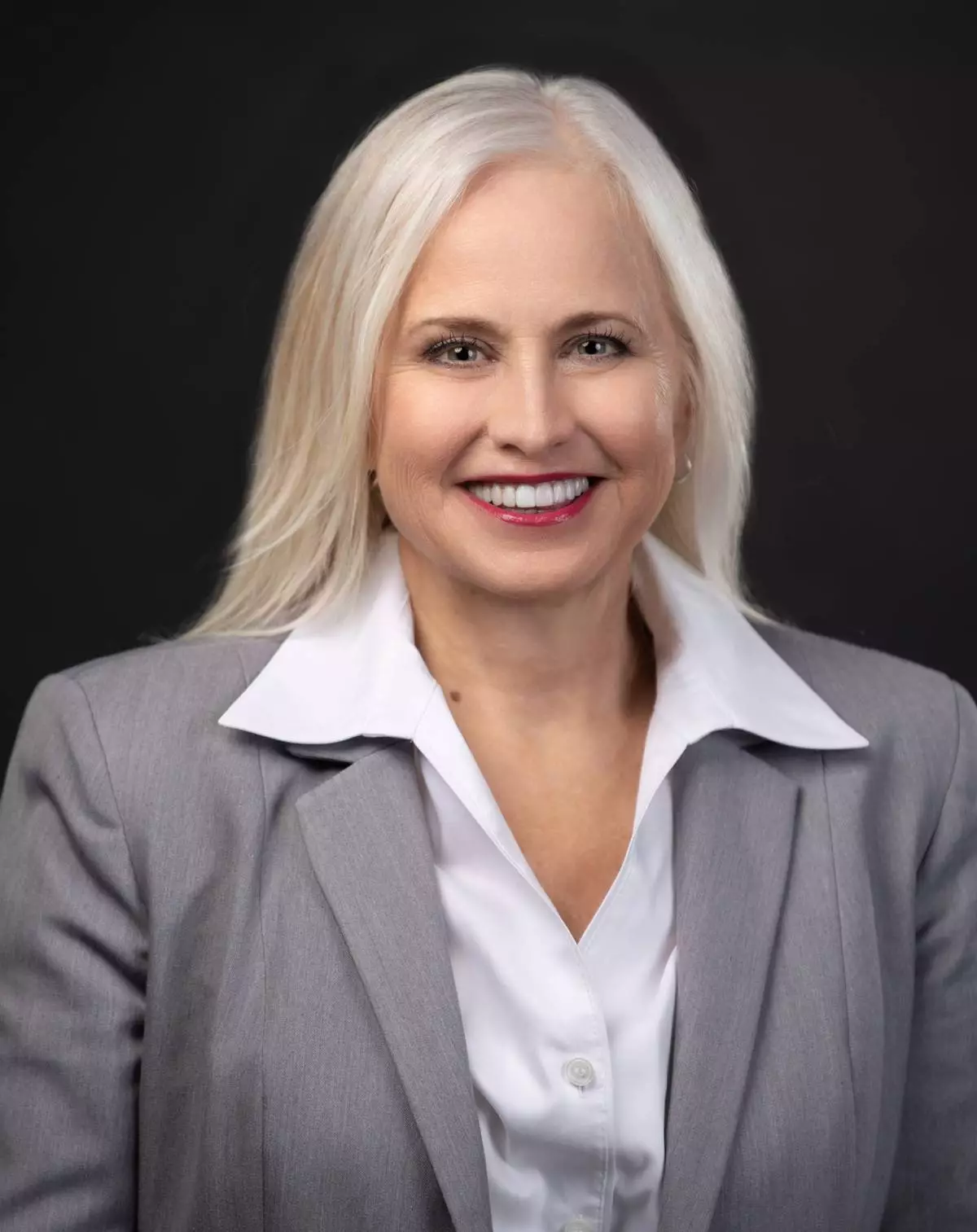
Cyndee Morton, President, will take on the additional responsibility of providing executive management oversight to the Safety National Re Treaty Reinsurance Department.
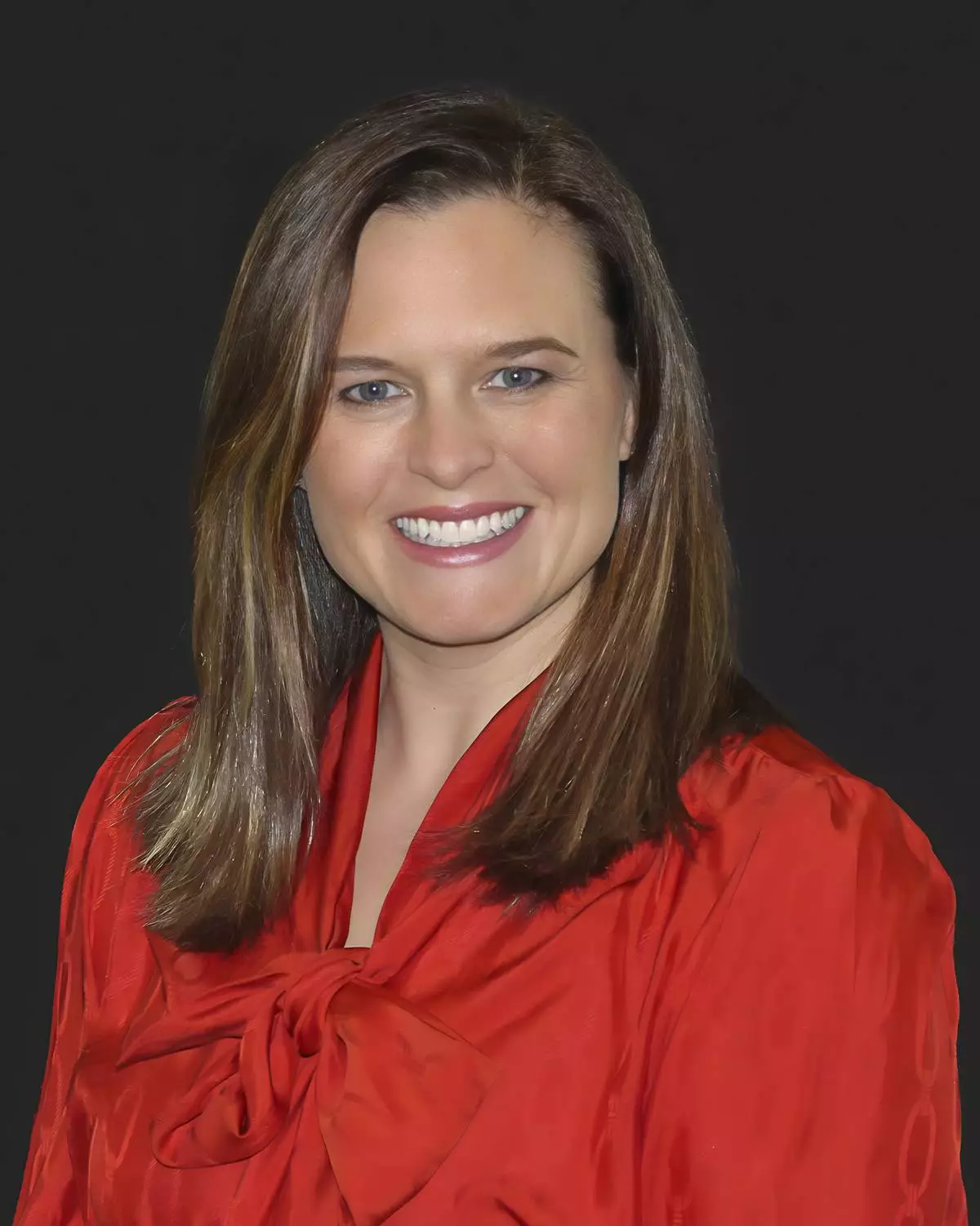
Katie Flynn, currently Corporate Senior Vice President, Chief Accounting Officer, and Assistant Treasurer, will assume the role of Chief Financial Officer and Treasurer at Safety National.
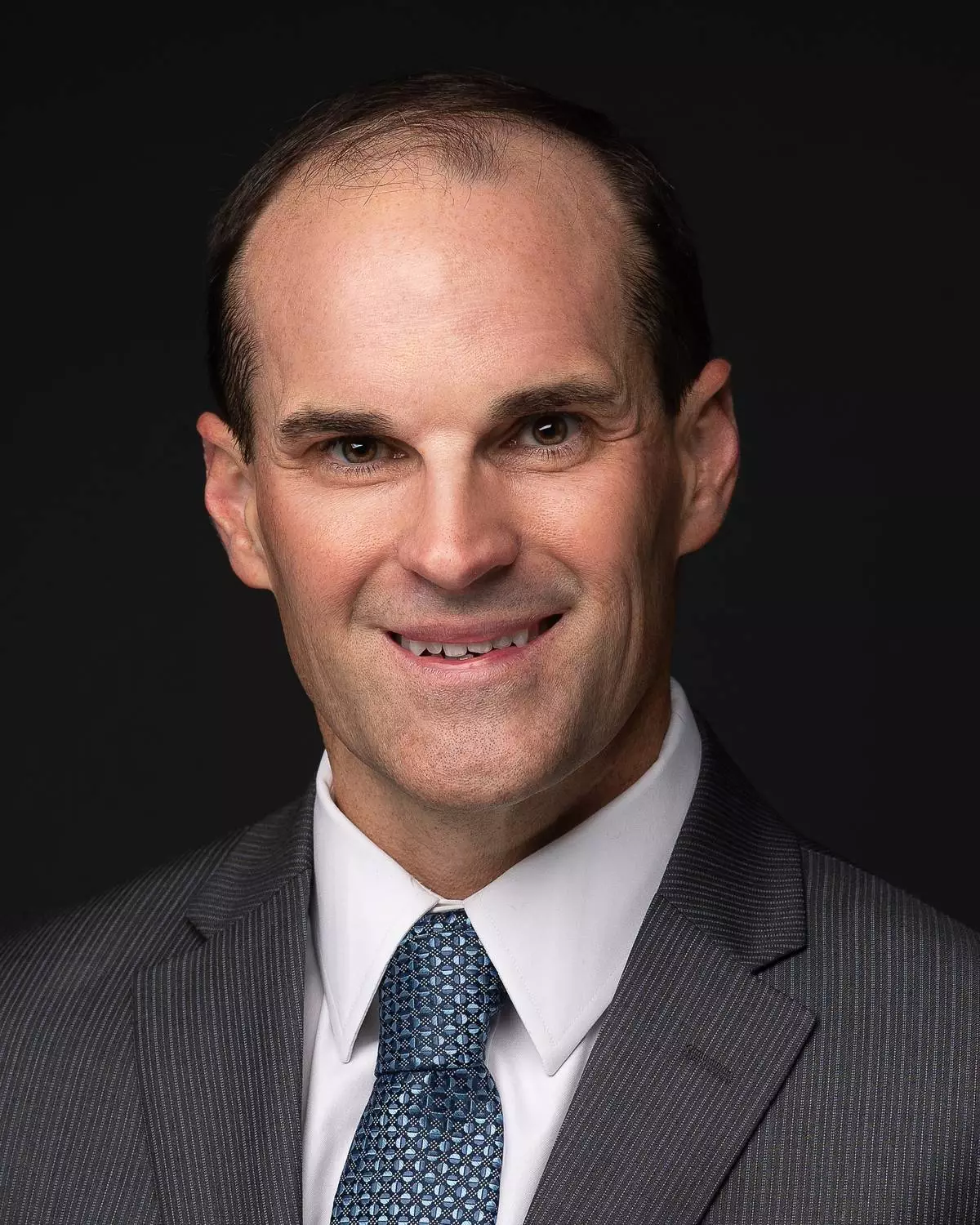
Rob Leitner, currently Executive Vice President of Business Development, will assume the role of Chief Client Officer at Safety National.
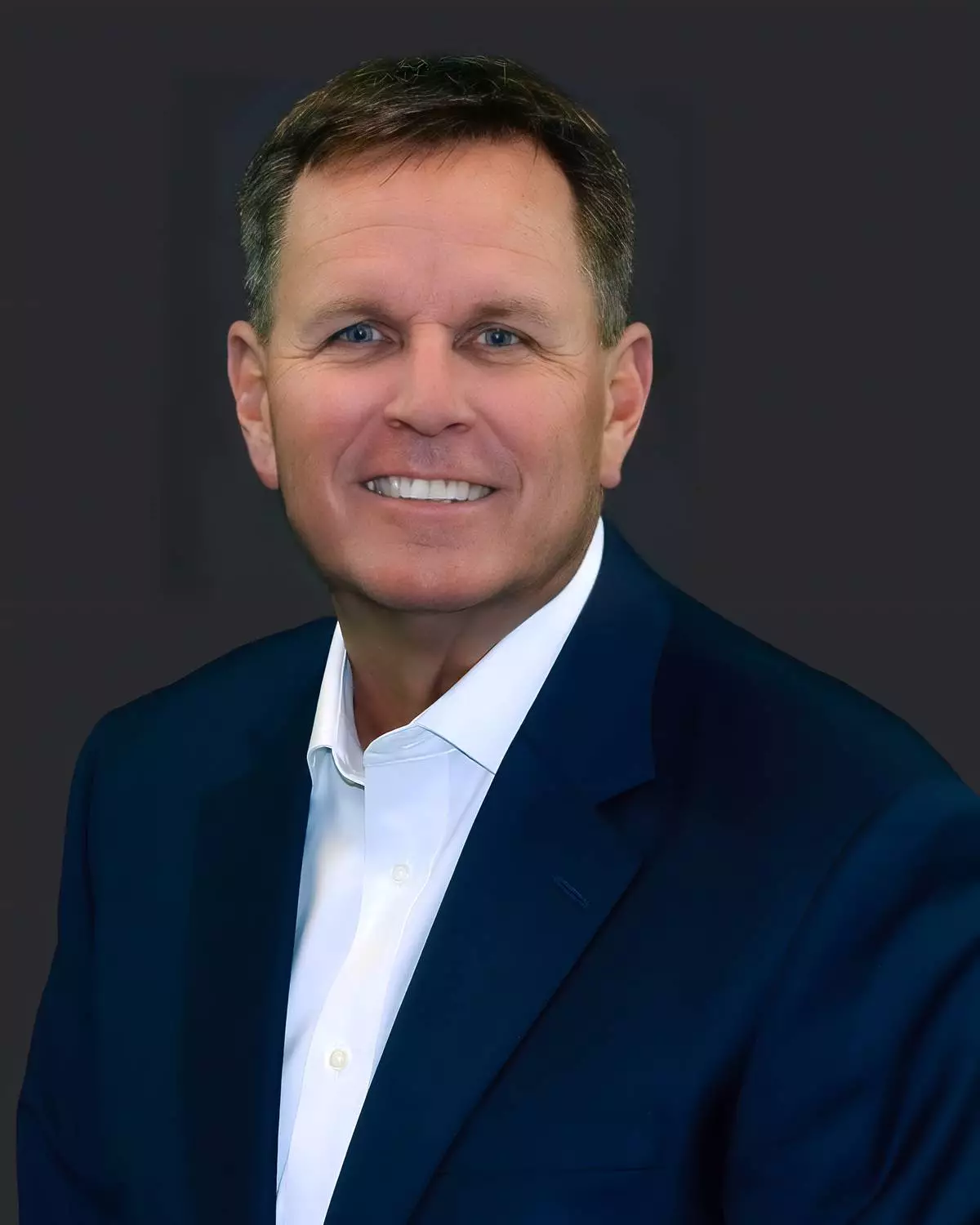
Tom Grove will retire as Chief Client Officer and as a member of executive management. He will assume a new role as Executive Advisor for Safety National.
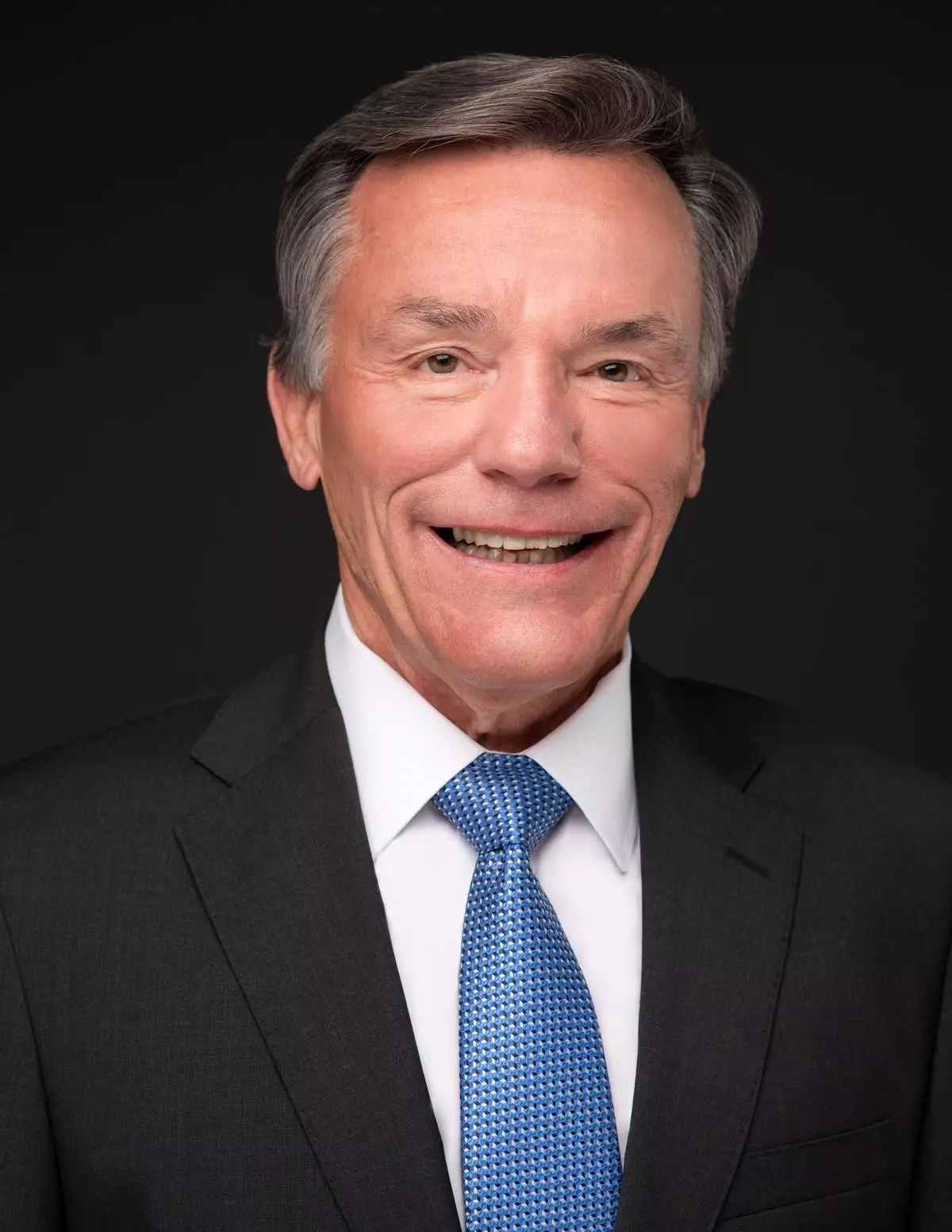
Mark Wilhelm, currently Executive Chairman, will continue as Chairman of the Board at Safety National with a heavier focus on his expanded role as International Broker Relationships Leader for the Tokio Marine Group.
JUNEAU, Alaska (AP) — Alaska U.S. Senate candidate Dan Sullivan acknowledges that sharing a name and party affiliation with the incumbent Republican gives him “an instant megaphone" in the crowded primary race. But Sullivan said his campaign isn't a sham or something Democrats put him up to doing.
He said friends for years have jokingly referred to him as senator and asked if he has ever thought about running. He said he’s been considering it for more than a decade.
“This is my choice,” Sullivan, who lives in the small fishing community of Petersburg, said in a telephone interview Monday.
Last week, Sen. Dan Sullivan accused the challenger Sullivan of “trying to trick” voters to help his main rival in the race, Democratic former U.S. Rep. Mary Peltola. The senator suggested the other Sullivan's entrance in the August primary was part of a coordinated effort by Democrats and Peltola's campaign to confuse voters, an accusation they deny. He threatened litigation to get to the bottom of it.
The issue is of national concern to Republicans because they are seeking to hold onto their majority in the U.S. Senate in what is expected to be a difficult midterm election year for the party in power. Sullivan, the challenger, dismissed claims that his candidacy is a merely a ruse to undermine the senator's reelection chances.
He said he has had no contact with Peltola's campaign — “zero, none, zilch” — and said “no” when asked if anyone from the state Democratic Party or any national Democratic operatives had contacted him to run.
A Peltola spokesperson, Harry Child, has said the campaign “has no involvement with either Sullivan campaign.” The executive director of the Alaska Democratic Party, Jenny-Marie Stryker, said her organization “is in no way affiliated with either Dan Sullivan.” A Democratic Senatorial Campaign Committee spokesperson, Monica Robinson, replied “no” when asked if the group had been involved in urging the challenger Sullivan to run.
Sullivan called sharing a name with the Alaska's incumbent U.S. senator “a matter of fate” and said he had done nothing wrong.
“I have every right to run for whatever office I'm qualified for, and I’m qualified for this office,” the challenger said, adding: “I think I’m doing what most Americans would think would be a patriotic thing to do when you’re unsatisfied with the status quo. You stand up and say, I’m going to fight for things I believe that are going to make my community better.”
Ballots in prior years in Alaska have not identified the incumbent, but the Alaska Division of Elections’ current candidate list online does. It also distinguishes the candidates using a middle initial — Dan S. Sullivan for the senator and Dan J. Sullivan for the challenger.
Alaska has open primaries in which the top four vote-getters, regardless of party, advance to the ranked choice general election in November. Sen. Sullivan's campaign worries having two Dan Sullivans on the ballot could confuse voters.
Sen. Sullivan's campaign, in a statement Monday, said, “Alaskans deserve a fair and honest election — not political games meant to manipulate the ballot and benefit Democrats.”
The challenger said he was registered with the limited government-leaning Alaskan Independence Party for decades, until the party's dissolution late last year. Election officials had said voters registered with the party could change their affiliation but if they did not, they'd be shown as “undeclared.” Sullivan said he then was listed as undeclared until filing to run for office, when he registered as Republican.
He said he was motivated in part by his late father, whom he described as a “true, compassionate, conservative Republican.” He said if he had to label himself, it would be “a pragmatic Republican centrist” — similar to Alaska's senior U.S. senator, Lisa Murkowski, but “with touches of a Rand Paul Republican in there.”
He said he grew up in the Chicago area but was drawn to Alaska and put down roots nearly 50 years ago in Petersburg. The fishing community of about 3,400 in southeast Alaska's Tongass National Forest is known as “Little Norway” for its many residents with Scandinavian roots. He worked for the U.S. Forest Service before changing careers and becoming a teacher. He has since retired.
Like most communities in Alaska, Petersburg isn't connected to the state's main road system and is accessible only by air or water. Juneau, the nearest city, is about 45 minutes away by plane.
Petersburg sits on Mitkof Island, which is distinguished by mountains, thick stands of forest and boggy areas called muskeg. Sea lions hauled up on buoys and humpback whales and orcas are common sights off its shores.
Sullivan, who will turn 69 this weekend, passed on an interview request last Friday, he said, because the king salmon were running and he wanted to fish.
As far as his run for office, the challenger said he plans to do some fundraising and hopes to campaign in the state's larger cities, including Anchorage and Juneau, but he so far has no firm plans to do so and is working on the details.
He finds the current dustup over his Senate run — and the incumbent's reaction — a bit surprising.
“I guess my thought would be, ‘Dude, why don’t you just run your campaign?’ If you’ve got a strong record, run on your record. People will love you for it and you’ll be swept back into office,” he said Monday. “Why would he be concerned that a guy out of Petersburg is this huge threat?”
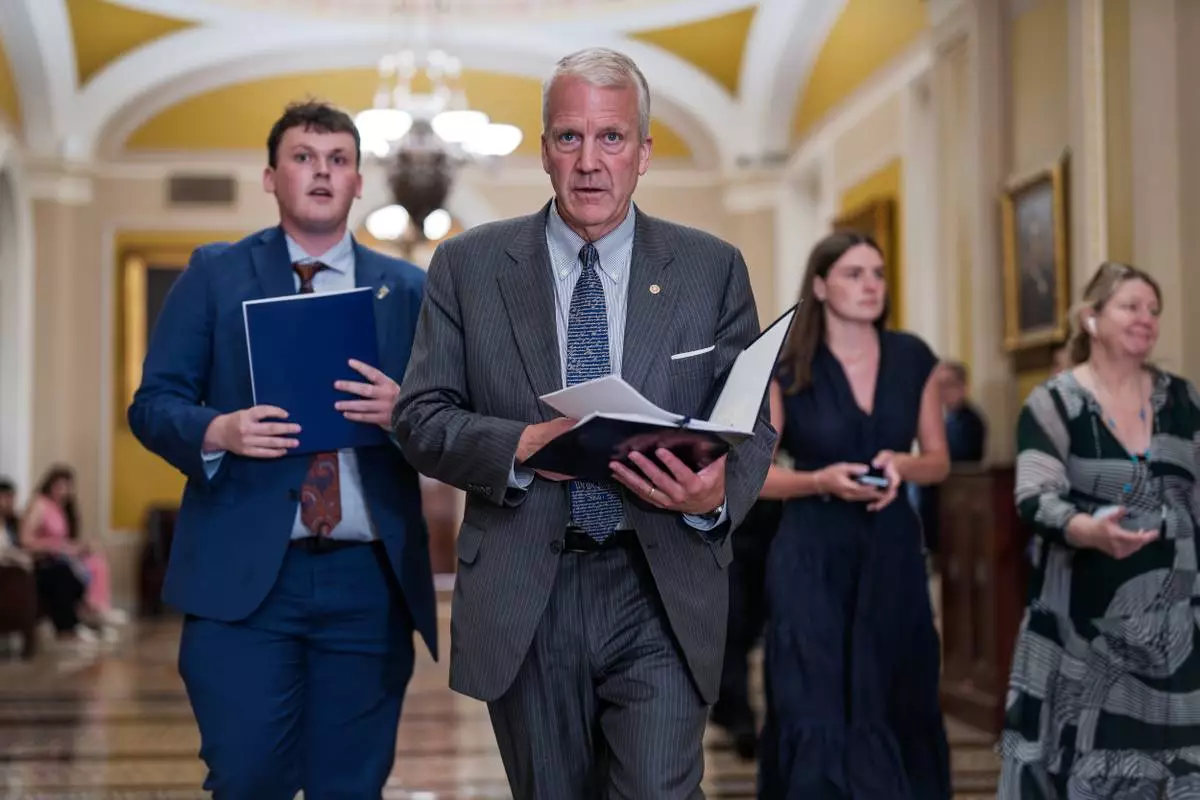
Sen. Dan Sullivan, R-Alaska, heads to a closed-door meeting with fellow Republicans, at the Capitol in Washington, Tuesday, June 2, 2026. (AP Photo/J. Scott Applewhite)