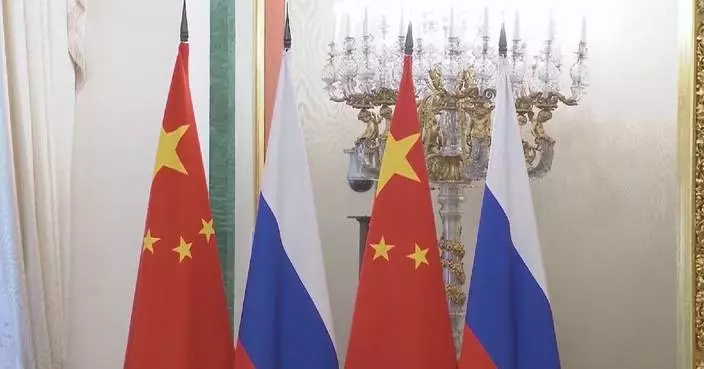
Senior officials of Russia have underscored that their country remains committed to maintaining strategic stability through diplomatic means, as the New Strategic Arms Reduction Treaty (New START) between Russia and the United States is set to expire on Thursday.
As of Thursday morning Beijing time, no agreement had been reached between the two parties regarding the extension of the treaty or a replacement plan, and the pact appears headed for a hasty end.
Russian Presidential Aide Yuri Ushakov said on Wednesday that Russia continues to seek ensuring strategic stability through negotiations. He noted that Russia proposed a voluntary one-year extension of the treaty's core limits in September 2025, but received no formal reply from the U.S. side.
In a declaration issued on the eve of the expiration, the Russian Foreign Ministry said both sides are "no longer bound by any obligations or symmetrical declarations in the context of the Treaty, including its core provisions", and are free to determine their subsequent steps independently. Kremlin spokesman Dmitry Peskov warned earlier that without continued constraints, the world could become a more dangerous place within days.
U.S. President Donald Trump stated in January that he was not concerned about the treaty's expiration, expressing confidence that a new agreement would be reached.
New START was the last remaining major arms control pact between the two nations after the collapse of the Intermediate-Range Nuclear Forces Treaty in 2019. Its expiration marks a significant shift in the global strategic landscape, raising concerns over a potential new arms race.
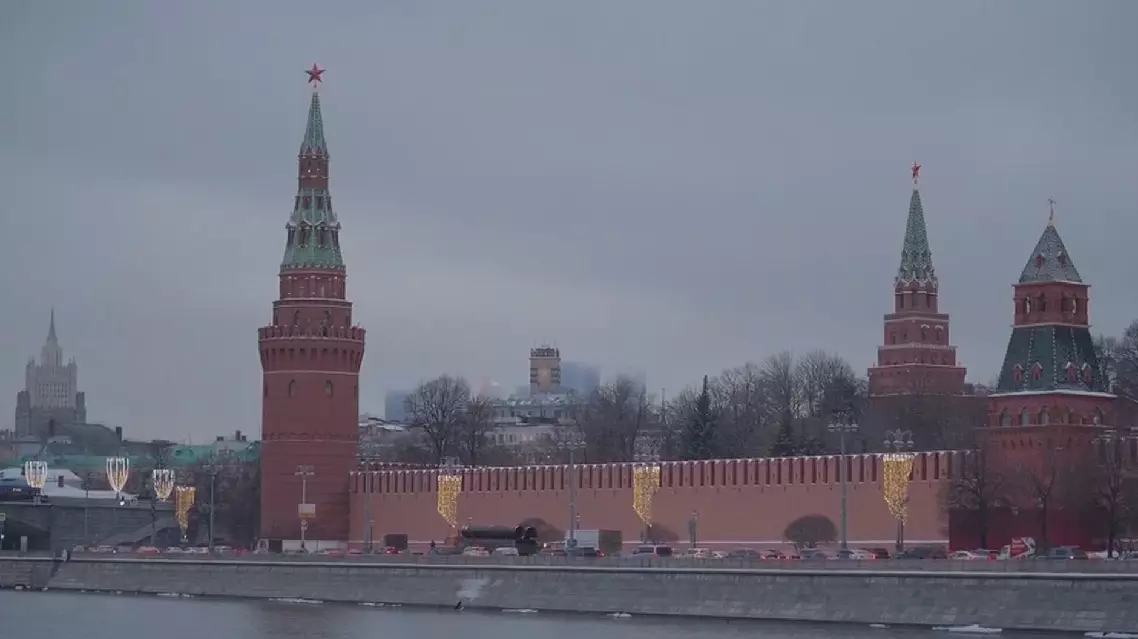
Russia vows to pursue strategic stability as New START treaty expires
Russia vows to pursue strategic stability as New START treaty expires