Chinese authorities on Friday announced moves to strengthen regulatory oversight for virtual currencies and real-world asset (RWA) tokenization to prevent and resolve related risks, warning that related speculation activities have recently disrupted economic and financial order and endangered people's property security.
Activities related to virtual currencies are "illegal financial activities" and strictly banned in China, according to a notice issued by eight government departments, including the People's Bank of China, the country's central bank, and the China Securities Regulatory Commission, the top securities watchdog.
Without approval from relevant departments, no entity or individual, whether domestic or overseas, may issue stablecoins pegged to the yuan abroad, nor are domestic entities or the overseas entities they control permitted to issue virtual currencies abroad, according to the notice.
It states that overseas entities and individuals should not provide services related to virtual currencies illegally for domestic entities in any form.
It also tightens the regulation of RWA tokenization -- the act of converting asset rights into tokens or certificates with the features of tokens via encryption, distributed ledger or similar technologies, and their issuance and trading.
Such activities, along with related intermediary information and information technology services, are prohibited in China, except for relevant business activities that rely on specific financial infrastructure and have obtained regulatory approval, according to the notice.
Overseas entities and individuals are banned from illegally providing services related to RWA tokenization for domestic entities in any form, and no entity or individual should engage in RWA tokenization business abroad without obtaining prior consent and filing with relevant departments, the notice said.
The notice also includes a pledge to clamp down on virtual currency mining continuously, as well as fraud, money laundering and other illegal activities related to virtual currencies or RWA tokenization.
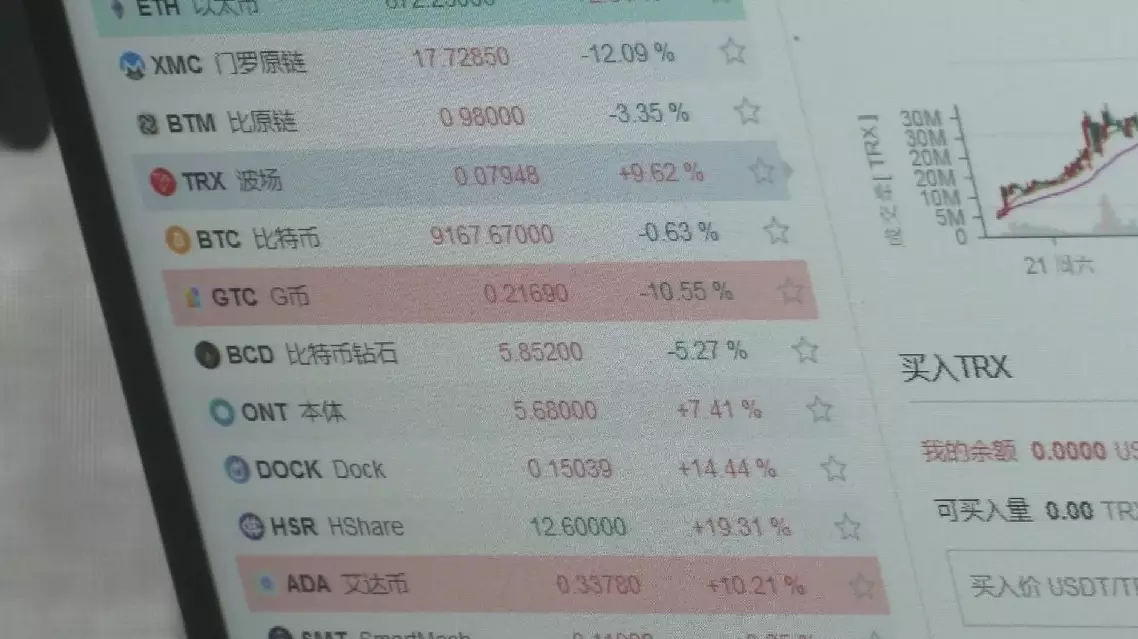
China tightens regulation of virtual currencies, real-world asset tokenization