The latest round of U.S.-brokered talks between Russia and Ukraine were productive in some ways, but there is still a long way to go as core problems remain unsolved, said Russian and Ukrainian experts.
U.S. President Donald Trump said Friday that the United States is holding "very good" talks with Russia and Ukraine, expecting "something could be happening" on resolving the conflict, which is approaching its fourth year.
The second round of the U.S.-brokered talks between Russia and Ukraine concluded in Abu Dhabi on Thursday, with both sides agreeing to a large-scale prisoner exchange but failing to achieve substantive breakthroughs on core issues such as territorial arrangements.
Ukrainian President Volodymyr Zelensky said Thursday that the next peace talks with the U.S. and Russian delegations will be held "in the near future, likely in the United States."
Russian political experts said the talks had positive results in promoting peace, but there is still a long way to go.
"Any round of negotiations brings peace closer, one way or another. When we hear statements following a particular stage of the negotiation process that the negotiations were productive, these are not empty words, and peace is being achieved, albeit slowly," said Dmitry Yezhov, political scientist and associate professor at the Financial University under the Government of the Russian Federation.
"There are two problems: security guarantees and territorial issues. There are no formal security guarantees for the Russian-speaking population yet, nor is the status of the Russian language and the future of those territories where a significant number of Russian-speaking people live who would like to unite with Russia," a Russian political scientist and expert on post-Soviet countries Aslan Rubayev said.
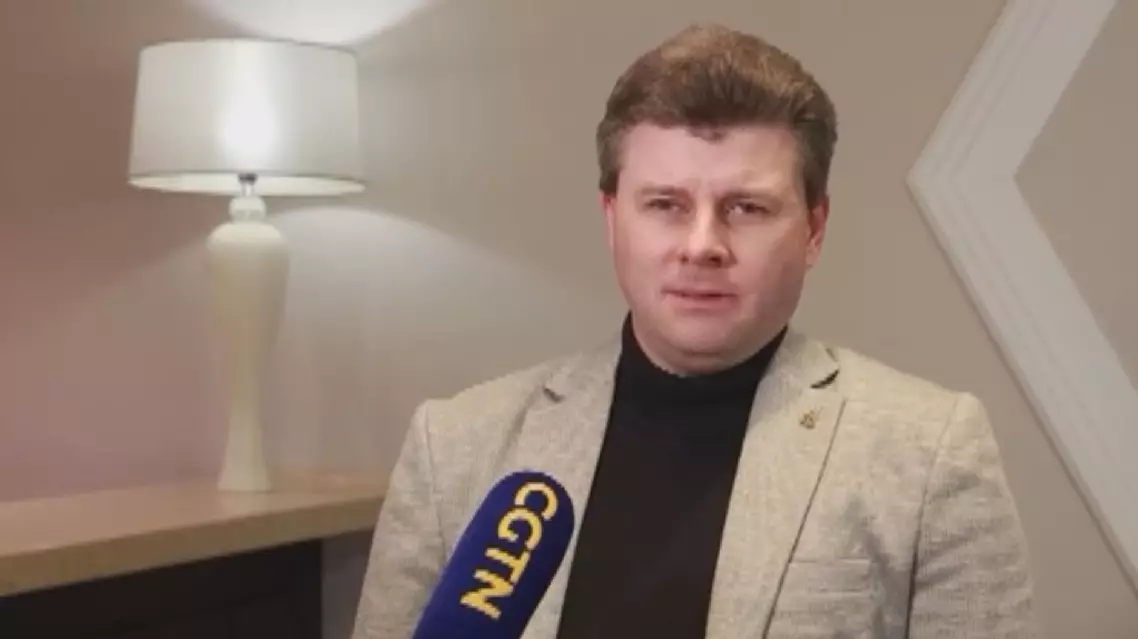
Commenting on the results of the talks, Ruslan Bortnik, a Ukrainian political scientist and director of the Ukrainian Institute of Politics, said that no strategic agreements between Russia and Ukraine have been reached yet.
Bortnik said the current stage of negotiations should be viewed in conjunction with both rounds of talks in Abu Dhabi: the first on Jan 23-24, and the second on Feb 4-5.
"There are indeed very few practical results so far. They are limited and mostly tactical in nature. We can say that this negotiation process has had a positive impact on achieving a very temporary, short, week-long energy agreement. A ceasefire was established from January 24 to 31, which, however, was not extended later," said Bortnik.
Latest round of Russia-Ukraine talks productive, core problems remain: experts