Xiamen, a coastal city in east China's Fujian Province with an average annual temperature of about 20 degrees Celsius, has created winter wonderlands for residents and tourists through new technologies and innovative methods, breaking the limitations of seasons and climate.
At a indoor ice and snow resort in the city, crystal-clear ice slides meander around and adorable igloos are scattered among the trees. Meanwhile, visitors can stroll on the soft snow and enjoy the pure white snowflakes falling.
The resort, covering an area of around 15,000 square meters, has the largest indoor ski area in Fujian Province and multiple entertainment areas, offering activities including snow tubing and snow cycling.
According to the latest statistics, since Dec 1 last year to Feb 8 this year, the resort has received more than 30,000 visitors.
Another outdoor ice and snow park in Xiamen also opened to visitors in late January. Utilizing artificial snow-making technology, the park transformed a previously idle water park into an outdoor ice and snow wonderland, attracting numerous visitors.
The park covers an area of approximately 20,000 square meters, featuring snow houses, snow slides, and experience zones offering spinning ski adventure and family-friendly ice sculpture creation area.
According to staff members, 10 snow-making machine operate continuously from morning till night, each capable of producing about 35 cubic meters of snow per day.
"The ice and snow economy is booming this year and we want to make up for the disappointment of not being able to see snow in Fujian, where the temperature is between 10 and 20 degrees Celsius," said staff member Li Zhonghua.
According to statistics, the park's visitor flow surpassed 50,000 in the first week, and it is estimated that the park will receive 400,000 to 500,000 visitors in this snow season.
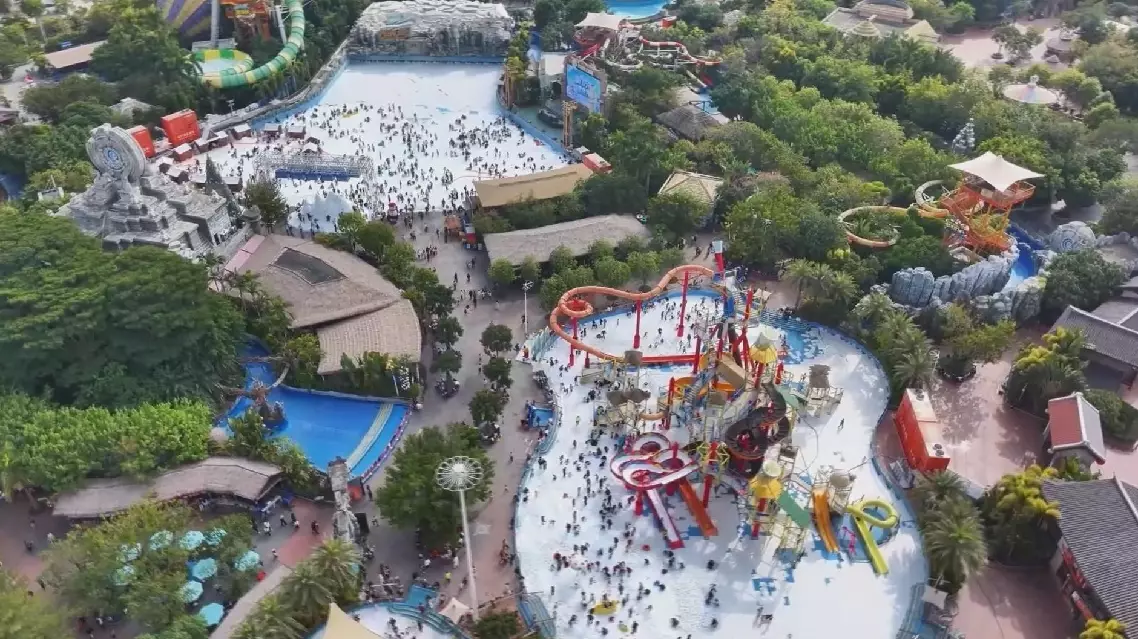
Xiamen creates winter wonderlands through new technologies, innovative methods
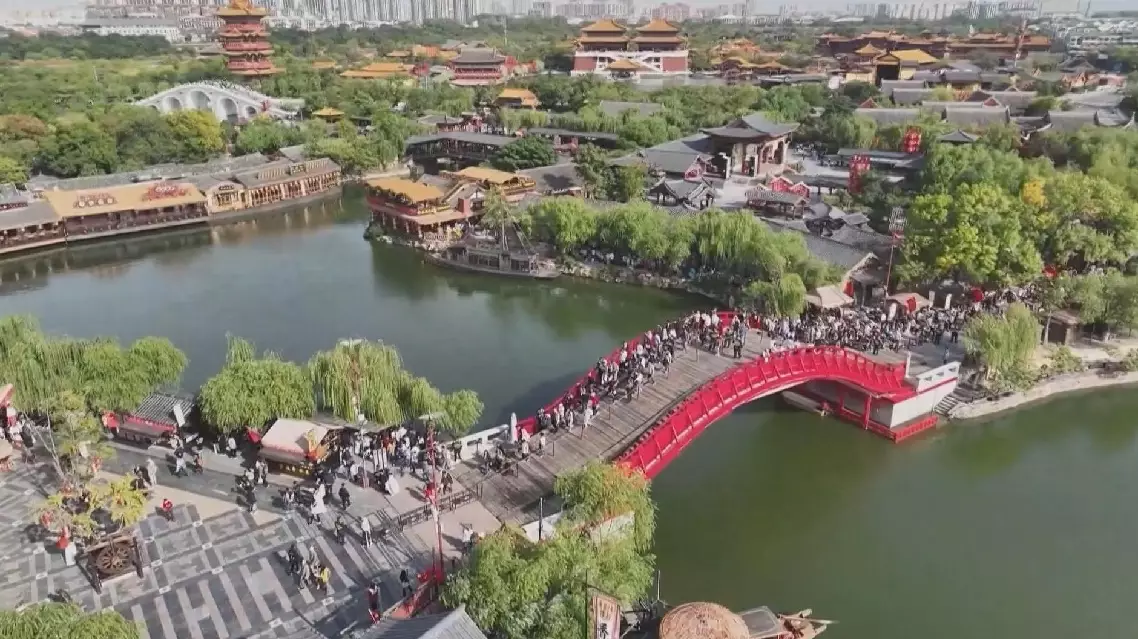
The 24th Mawei-Matsu Lantern Festival, a national-level intangible cultural heritage event, opened on Wednesday in Fuzhou, capital city of east China's Fujian Province, to greet the Year of the Horse, which begins on Feb 17.
The festival is underway at a shipbuilding cultural park, where brilliant lantern installations are artfully integrated into the century-old remains of the former shipbuilding industry, creating a striking contrast that blends maritime heritage with festive light art.
Lanterns shaped like horses and the first steamship built by the shipyard, stand alongside a variety of intricate designs, blending holiday spirit with maritime history.
"This is my first visit here. I have seen lanterns shaped like fish and horses, and I like them very much," said a kid.
The festival originated from the Lantern Festival customs shared between Mawei and Mazu. It is the earliest and now most regularized two-way exchange activity between the two places, with the mutual presentation of lanterns serving as one of its most distinctive traditional features.
The celebration is recognized as China's first cross-Strait national intangible cultural heritage project. In 2024, it, along with the Chinese New Year, was added to the UNESCO Representative List of the Intangible Cultural Heritage of Humanity.
Running till March 8, the 33-day celebration serves as a luminous bridge connecting Fuzhou's Mawei district and Matsu.
"I've been to the festival four or five times, and it has left a deep impression on me. The festival gets better every year, with very distinctive features. We hope to spend more time together with our compatriots from Matsu," said Zhao Ping, a visitor.
"We've incorporated elements of shipbuilding culture, the local culture, and maritime culture into the lantern design. We welcome everyone to Fuzhou and celebrate the Chinese New Year here," said Lin Hebin, deputy director of the Bureau of Culture, Sports and Tourism in Mawei District.
Mawei-Matsu Lantern Festival opens in east China, honoring cross-Strait cultural heritage