Skip to Content Facebook Feature Image

Munich Security Report 2026 warns of ‘wrecking-ball politics’ disrupting international order
HotTV

HotTV

HotTV

Munich Security Report 2026 warns of ‘wrecking-ball politics’ disrupting international order

2026-02-10 14:59 Last Updated At:02-11 14:48

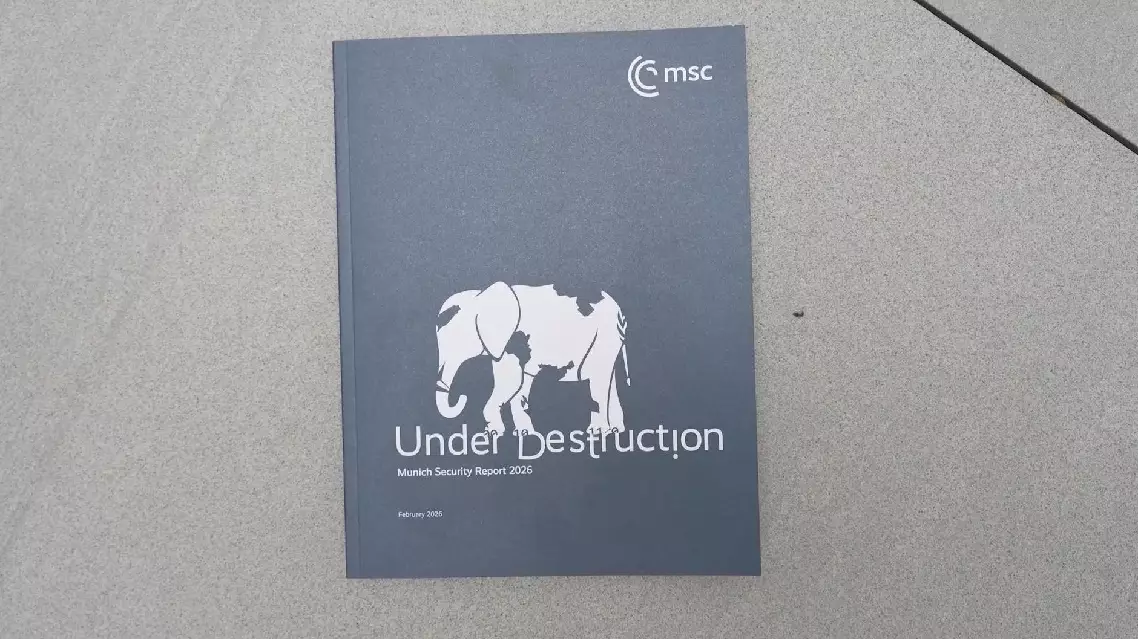
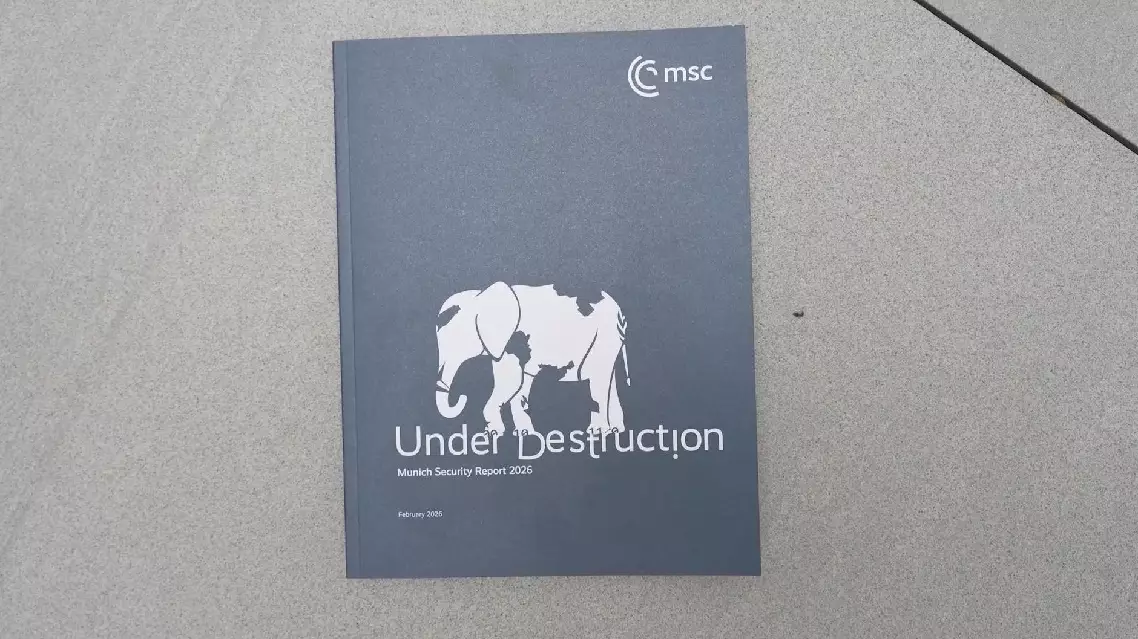
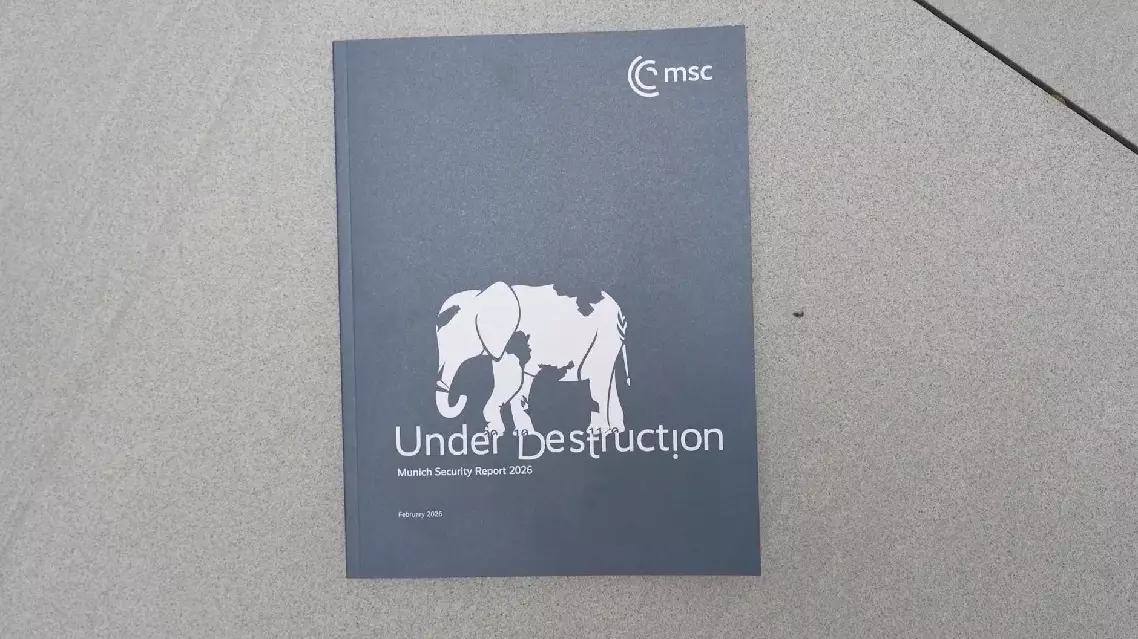
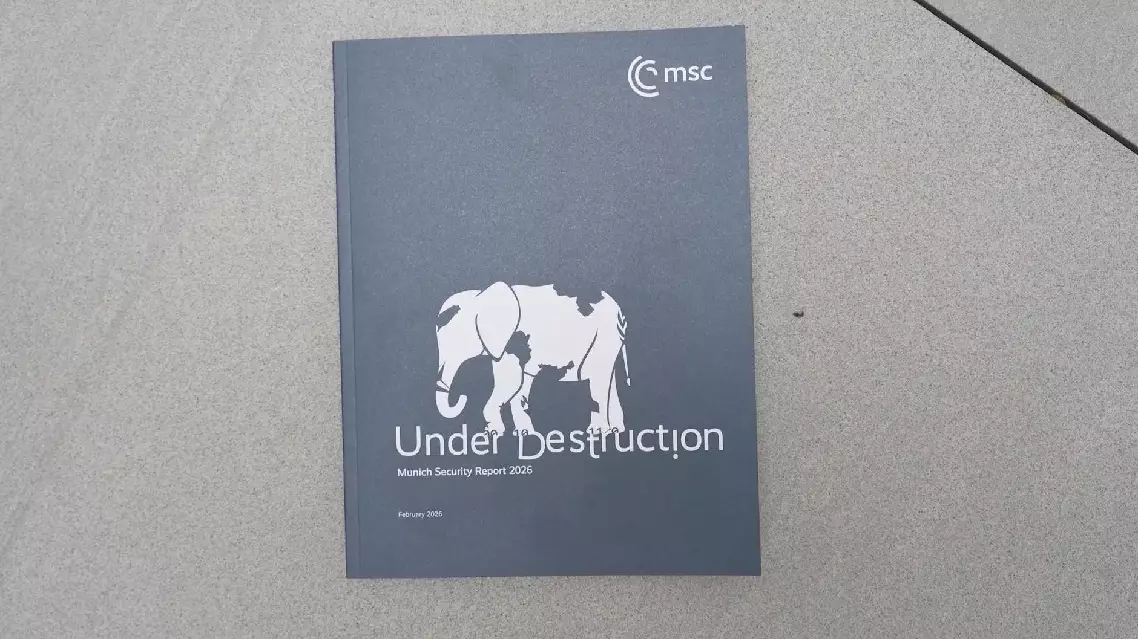
The world has entered a period of "wrecking-ball politics", where sweeping destruction has become the order of the day, according to the Munich Security Report 2026 released in Berlin on Monday.

The report, titled "Under Destruction", aims to set the tone for the upcoming Munich Security Conference (MSC). The annual event is expected to gather nearly 50 heads of state and government, alongside hundreds of decision-makers and opinion leaders, later this week.

More Images
Munich Security Report 2026 warns of ‘wrecking-ball politics’ disrupting international order

Munich Security Report 2026 warns of ‘wrecking-ball politics’ disrupting international order
Munich Security Report 2026 warns of ‘wrecking-ball politics’ disrupting international order
Munich Security Report 2026 warns of ‘wrecking-ball politics’ disrupting international order
Munich Security Report 2026 warns of ‘wrecking-ball politics’ disrupting international order

Munich Security Report 2026 warns of ‘wrecking-ball politics’ disrupting international order

Munich Security Report 2026 warns of ‘wrecking-ball politics’ disrupting international order
Munich Security Report 2026 warns of ‘wrecking-ball politics’ disrupting international order

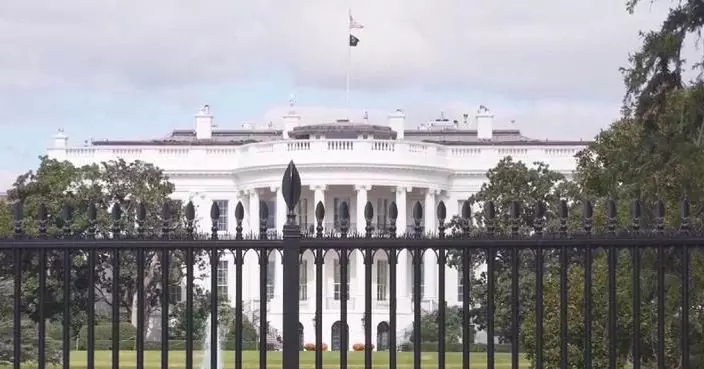
The current U.S. administration is seen as the most prominent actor promising to free itself from existing order constraints, which has placed the U.S.-led post-1945 international order now under destruction, according to the report.

In the report's foreword, MSC Chairman Wolfgang Ischinger noted that the attention the conference is attracting this year is not only a reflection of the many conflicts and crises that dominate the global agenda, but also a result of the changing role of the United States in the international system.

The report observes that political forces favoring destruction over reform are gaining momentum across many Western societies, driven by disenchantment with the performance of democratic institutions and a loss of trust in political course corrections.

However, the report warns that it remains unclear whether such destruction will actually clear the ground for policies that increase security, prosperity and freedom. Instead, the world may see a shift toward transactional deals over principled cooperation, private interests over public good, and regional hegemons over universal norms.

Munich Security Report 2026 warns of ‘wrecking-ball politics’ disrupting international order

Munich Security Report 2026 warns of ‘wrecking-ball politics’ disrupting international order
Munich Security Report 2026 warns of ‘wrecking-ball politics’ disrupting international order
Munich Security Report 2026 warns of ‘wrecking-ball politics’ disrupting international order
Munich Security Report 2026 warns of ‘wrecking-ball politics’ disrupting international order

Munich Security Report 2026 warns of ‘wrecking-ball politics’ disrupting international order

Munich Security Report 2026 warns of ‘wrecking-ball politics’ disrupting international order

Munich Security Report 2026 warns of ‘wrecking-ball politics’ disrupting international order

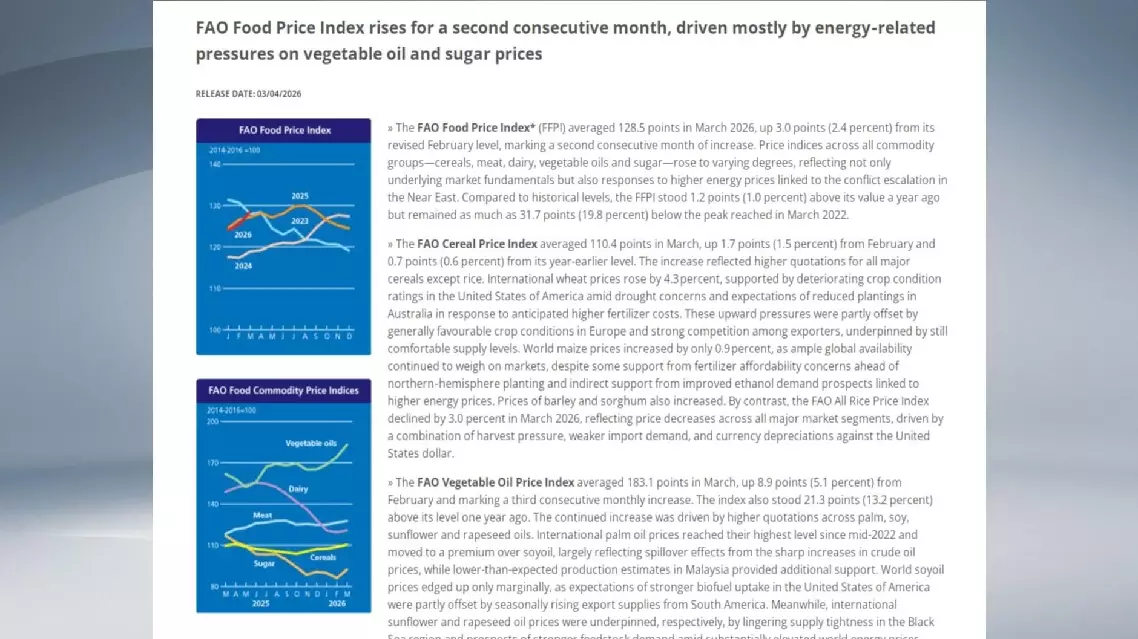
Global food commodity prices climbed for a second consecutive month in March, driven mainly by higher energy costs linked to escalating conflict in the Middle East, the Food and Agriculture Organization of the United Nations (FAO) said in report released on Friday.

The FAO Food Price Index, which tracks monthly changes in the international prices of a basket of globally traded food commodities, averaged 128.5 points in March, up 2.4 percent from February and 1.0 percent above its level a year ago.

According to the report, the FAO Vegetable Oil Index and Sugar Price Index showed the largest increases, up 5.1 percent and 7.2 percent, respectively.

The FAO Cereal Price Index increased by 1.5 percent from the previous month, driven primarily by higher world wheat prices, which rose 4.3 percent.

The FAO Meat Price Index rose by 1.0 percent from the previous month, and the FAO All-Rice Price Index declined by 3.0 percent in March, according to the report.

FAO stated that rising energy and fertilizer prices have been driving up agricultural input costs.

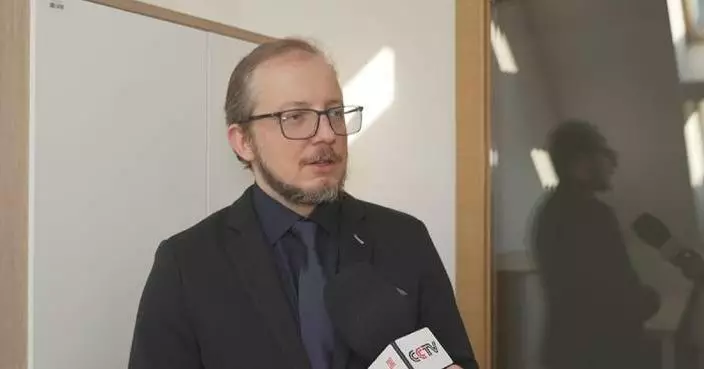
If the conflict stretches beyond 40 days, farmers will have to choose to farm the same with fewer inputs, plant less, or switch to less intensive fertilizer crops, according to FAO Chief Economist Maximo Torero.

These choices will hit future yields and shape food supply and commodity prices for the rest of this year and beyond, Torero said.

Global food prices rise for 2nd consecutive month in March amid Middle East conflict: FAO

Global food prices rise for 2nd consecutive month in March amid Middle East conflict: FAO

Recommended Articles