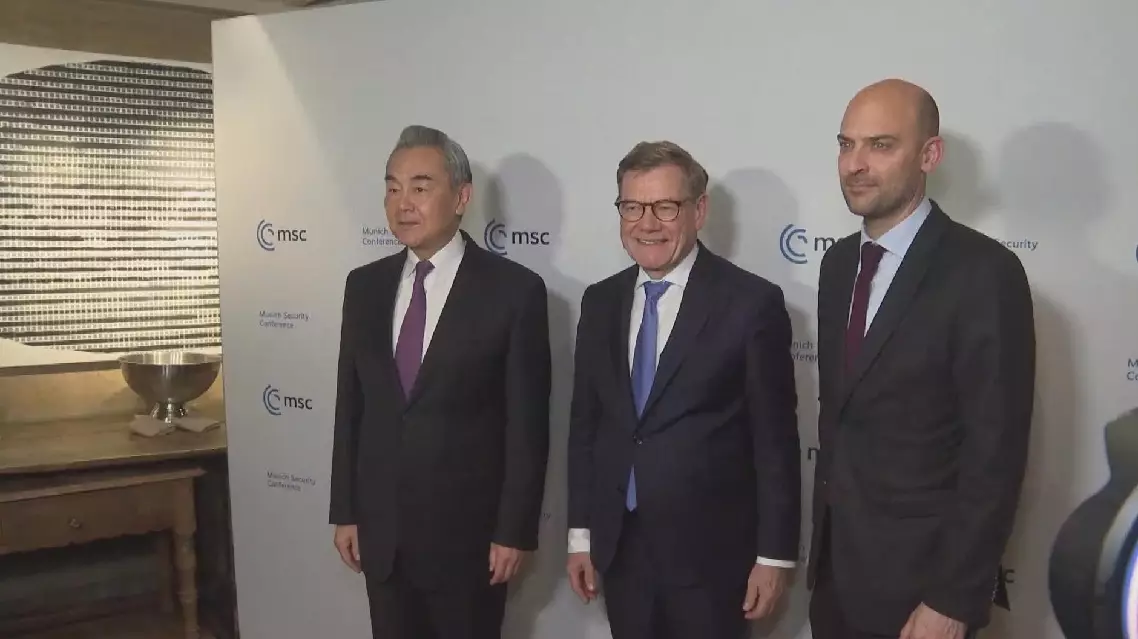
China and the European Union (EU) should respect each other's core interests and major concerns, properly manage differences and frictions, deepen practical cooperation and join efforts to address global challenges, Chinese Foreign Minister Wang Yi said on Friday during a trilateral meeting with German Foreign Minister Johann Wadephul and French Foreign Minister Jean-Noel Barrot.
Wang, also a member of the Political Bureau of the Communist Party of China Central Committee, described the first-ever trilateral meeting as an innovative step in response to evolving global circumstances and an important opportunity for strategic communication.
Click to Gallery
Chinese FM urges joint efforts with EU to address global challenges
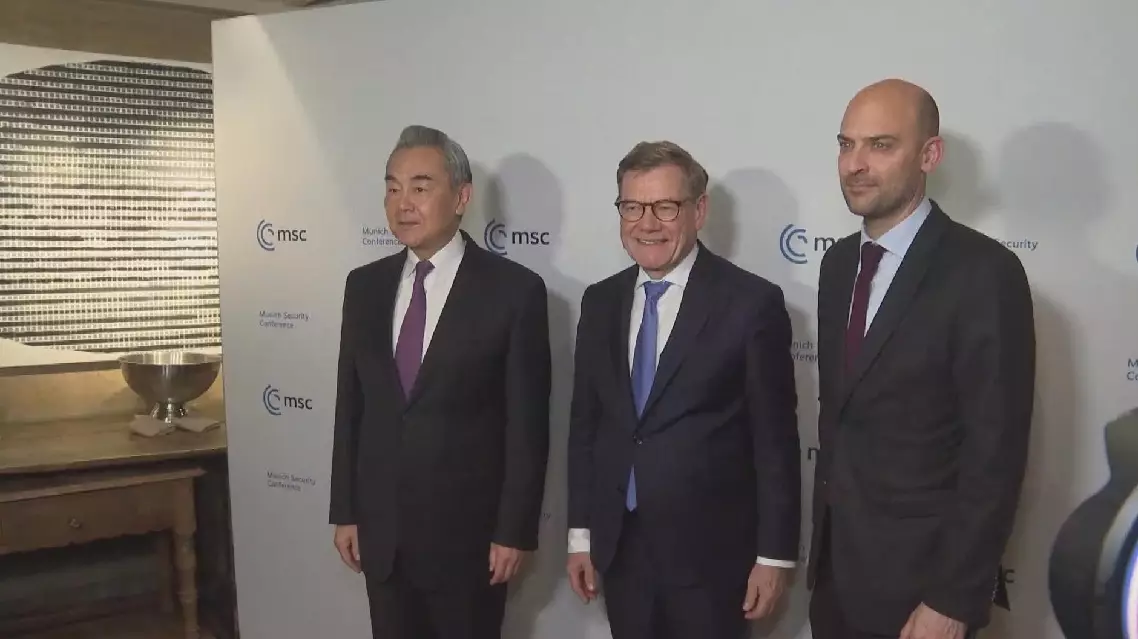
Chinese FM urges joint efforts with EU to address global challenges
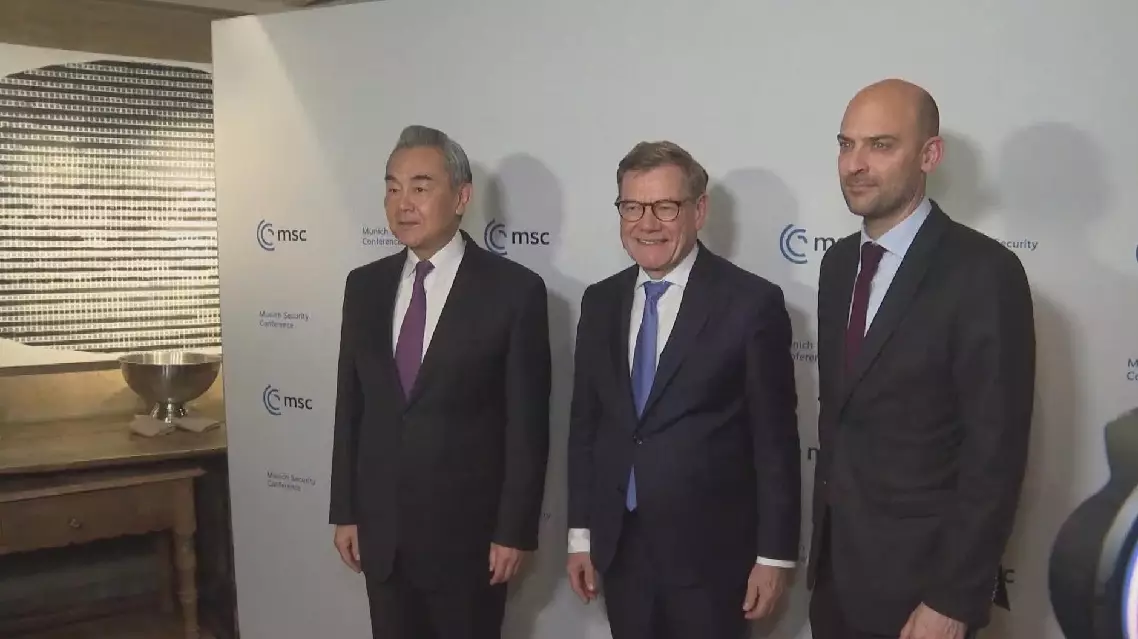
Chinese FM urges joint efforts with EU to address global challenges
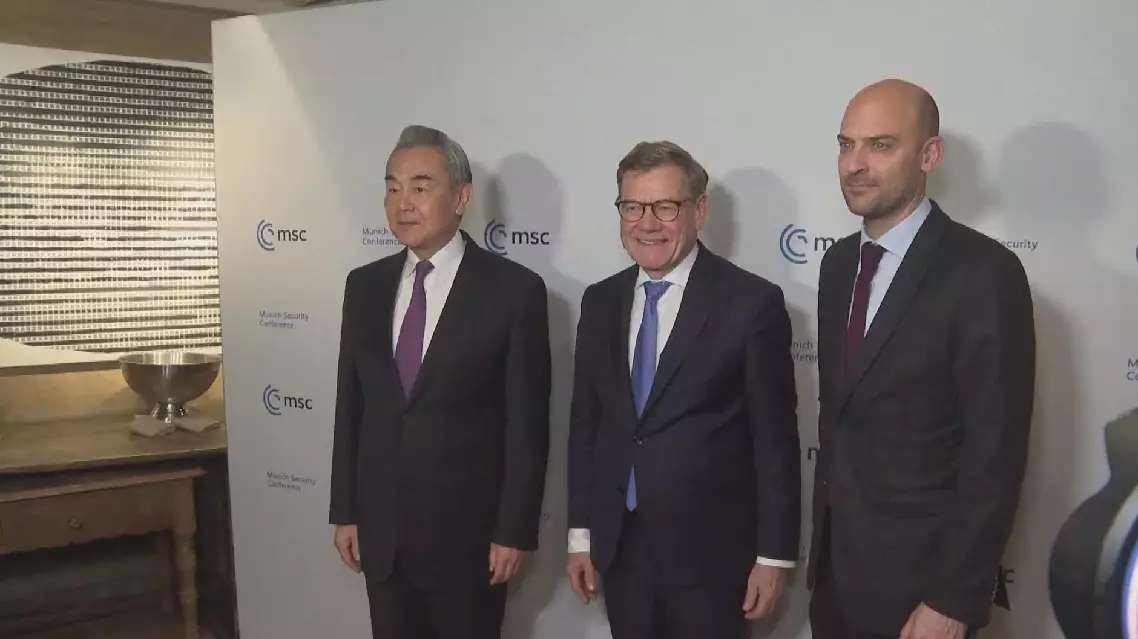
Chinese FM urges joint efforts with EU to address global challenges
Highlighting that the world is undergoing the most profound and complex changes since World War II, with unilateralism, protectionism and power politics on the rise, Wang called for upholding mutual respect, seeking common ground while shelving differences, promoting openness and cooperation and pursuing mutually beneficial cooperation, to chart the course for the development of China-Europe relations and provide more stability and certainty to a fluid and turbulent world.
Five decades of exchanges and cooperation have shown that China and Europe are partners rather than rivals, that interdependence is not a risk, that convergence of interests is not a threat, and that openness and cooperation will not undermine security, he said.
Noting that China's development is an opportunity for Europe and that Europe's challenges do not come from China, Wang expressed hope that Germany and France will proceed from their own interests and the overall interests of the EU to help the bloc foster an objective and comprehensive understanding of China, pursue a rational and pragmatic China policy, and stay committed to regarding the China-Europe relationship as a partnership.
Wadephul said that in a turbulent world, Germany and France need dialogue and communication with China more than ever to build mutual trust, dispel misunderstandings, play their due roles as major countries and speak with one voice.
Germany attaches importance to China's positive role in global affairs and is willing to strengthen communication and coordination with China, he said, adding that Germany and France reaffirm their firm commitment to the one-China policy and are dedicated to developing long-term, stable relations with China.
Wadephul said that Germany supports free trade and opposes decoupling and disruptions to industrial and supply chains and is willing to work with China to resolve trade frictions through consultations and promote balanced development of EU-China economic and trade relations.
Noting the rising instability in today's world, threats to multilateralism and the international order and protracted conflicts in various regions, Barrot said France, China and Germany should work together to promote world peace and improve global governance.
The more unstable the international landscape becomes, the more necessary it is to build partnerships, he noted, adding that France is committed to revitalizing stable and positive EU-China relations.
Barrot said France welcomes the Global Governance Initiative proposed by Chinese President Xi Jinping, and looks forward to holding communication and dialogue with China to promote coordination across multilateral platforms and uphold multilateralism and free trade.
The three sides also exchanged views on major issues in China-Europe relations and on issues of common concern, including the Ukraine crisis. They spoke positively of the significance of the meeting and agreed to maintain strategic communication.
Chinese FM urges joint efforts with EU to address global challenges
Chinese FM urges joint efforts with EU to address global challenges
Chinese FM urges joint efforts with EU to address global challenges
Chinese FM urges joint efforts with EU to address global challenges