Li Yiwana, a member of the National Committee of the Chinese People's Political Consultative Conference (CPPCC), has been focusing on pushing deeper integration of culture and tourism to inject fresh momentum into revitalization in the country's frontier villages.
Cangyuan Wa Autonomous County in southwest China's Yunnan Province is home to diverse tourism resources and a rich reservoir of intangible cultural heritage. Ahead of the Spring Festival, Li visited Wengding Ancient Village, a more than 400-year-old settlement of Wa ethnic group, to conduct field research. Traditional stilted thatched houses, along with folk activities such as drum rituals, have drawn visitors from across the country.
Over the recent years, villagers in Wengding have joined cooperatives and taken part in folk performances and tourism services. The model has helped residents find jobs and increase income locally. However, Li noted that many traditional scenic spots like Wengding are now facing new challenges.
"Support from new business models is still insufficient. It remains largely sightseeing-oriented, with limited integrated development of experiential and immersive business forms. The key is how to turn tourists into repeat guests, moving beyond one-time check-ins, by enhancing participation and cultural experiences and providing deeper spiritual fulfillment. We also need more suitable jobs to broaden employment channels and raise villagers' incomes," said Li.
Li has also worked with local departments to explore ways of incorporating intangible cultural heritage into tourism experiences. More efforts will be made in developing intangible cultural heritage workshops, folk festivals, and other interactive programs.
In Paliang Village, not far from Wengding, Wa brocade, a traditional textile of the Wa ethnic group, is being redesigned into cultural and creative products such as headbands, earrings and brooches. The transformation is helping centuries-old craftsmanship generate tangible economic returns.
"In Paliang, more than 80 percent of villagers know how to weave brocade. We're preparing to cooperate with the Wengding scenic area to sell our products, and we'll also increase income through online sales," said Li Yuhua, deputy secretary of the village's Party branch.
"We currently have 157 intangible cultural heritage projects, but the market conversion capacity is insufficient. There is still much room for improvement in leveraging intangible cultural heritage to empower rural revitalization. We are also continuing to explore and utilize more Wa cultural heritage resources. By bringing in designers, architects and operations teams to work with local governments, villagers and inheritors, we aim to build spaces and develop cultural and creative products that are themed on intangible cultural heritage. We are also planning to set up digital experience zones of intangible cultural heritage in scenic areas, so as to innovate integrated culture-tourism development and activate new driving forces for rural development," said Li Yiwana.
Li believes that upgrading rural tourism is an important lever for comprehensive rural revitalization and for promoting urban-rural integration. She said progress requires a coordinated approach across multiple dimensions, including product innovation, service optimization, cultural exploration, ecological protection, and industrial integration.
"In the future, we'll effectively integrate our local unique cultural resources, innovate cultural service supply and inheritance utilization. We'll continuously create a comprehensive cultural and tourism cluster that integrates cultural relic protection, cultural display and tourism consumption. We'll also continuously provide entrepreneurship platforms for returning young people and craftspeople, so that villagers can share the dividends of development while preserving the heritage," Li Yiwana said.
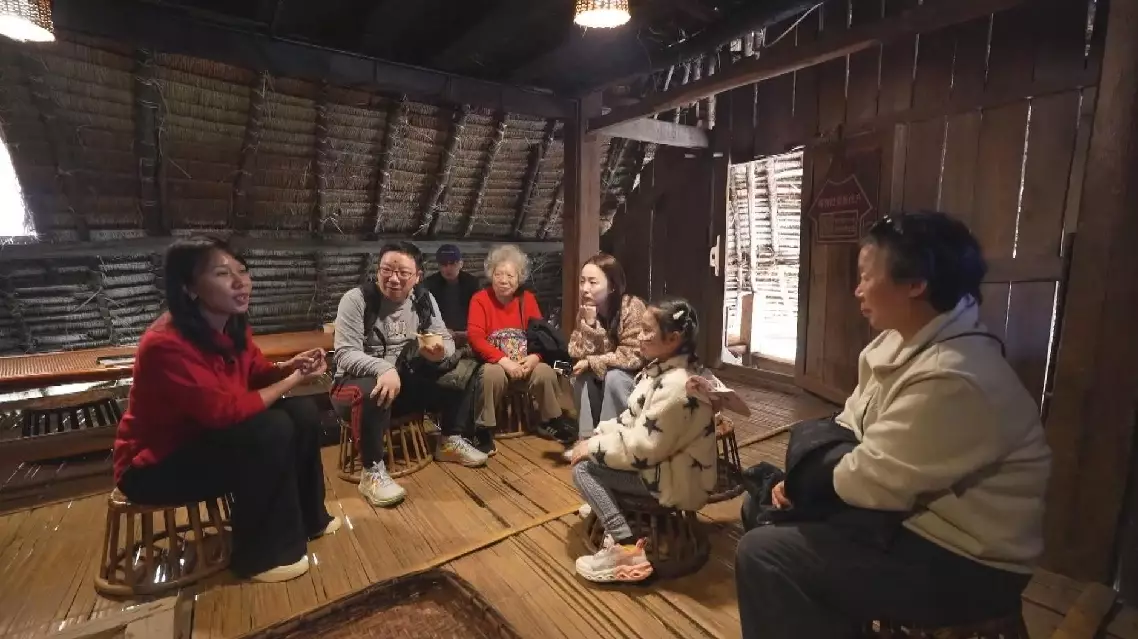
CPPCC member pushes deeper cultural-tourism integration to power revitalization in frontier villages