After nearly three months of suspended flights, direct flights from Venezuela to the United States and the Dominican Republic are expected to resume operations, bringing hope to the country's tourism sector for attracting international visitors.
An estimated eight airlines are expected to resume operations during the first four months of 2026, with about 30 weekly flights projected by April. Industry insiders say this will help boost Venezuela's economy.
The unilateral closure of Venezuelan airspace by the United States in late 2025, prior to the military aggression of January 3, brought a series of consequences that affected not only the country's connectivity but also the lives of thousands of people who saw their traveling plans change overnight.
"The impact is very serious, not only on the tourism sector, but more broadly, on other sectors that rely on connectivity. Connectivity is linked to tourism, business, health, family reunions, commerce, and, I would say, it affects almost every aspect of social life," said Vicky Herrera, president of the Venezuelan Association of Travel and Tourism Agencies.
According to Venezuelan traveling agents, many passengers suffered the consequences of the U.S. move.
"Many passengers found themselves sleeping in airports because they suddenly did not have the resources to extend their vacations, as they had already planned a budget. There was uncertainty about when they could return. Some passengers had the financial means to find alternative ways back, while others didn't, and they had to wait until a solution was found," said David Bastidas, owner of a travel agency.
One of the sectors most affected by the flight suspensions was travel and tourism agency industry, which saw their revenues freeze during what are usually their most productive months.
"For us, December and January were months of rescheduling and finding solutions for passengers, rather than generating new sales or revenue. The flight cancellations were a blow because our revenues plummeted as no new sales were generated," Bastidas said.
The recent announcements regarding the resumption of international flights to and from Venezuela have generated great anticipation in the country, especially in the tourism sector, which hopes to position itself as an option to diversify Venezuela's economy.
"Regaining the connectivity we lost at the end of last year and adding direct flights to the United States and to the Dominican Republic certainly brings the possibility and the hope that international tourists will come, seeing how easy it will be to reach Venezuela more directly," Herrera said.
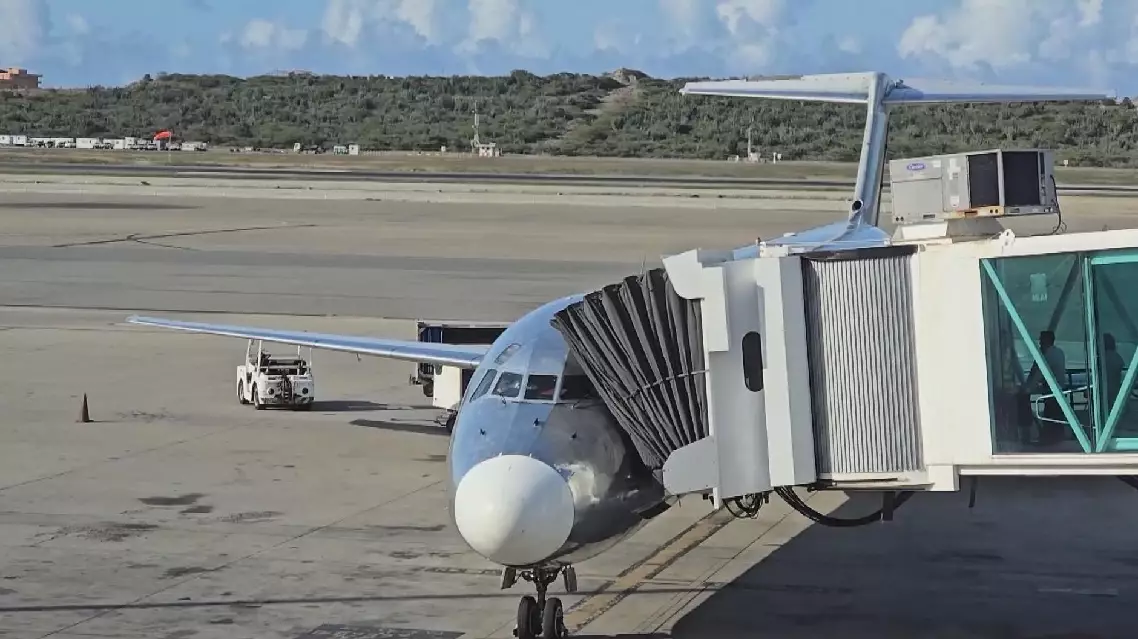
Int'l flights returning to Venezuela, bringing hope for tourism sector
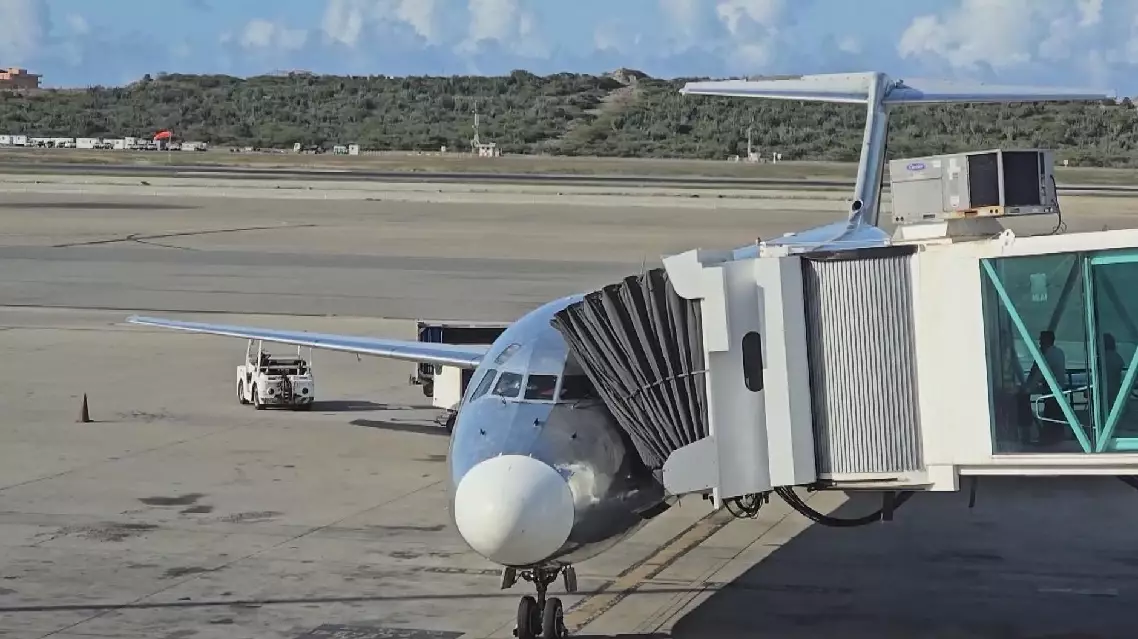
Int’l flights returning to Venezuela, bringing hope for tourism sector