The U.S. government on Wednesday sanctioned over 30 individuals, entities and vessels enabling "illicit" Iran's oil sales and ballistic missile and advanced conventional weapons (ACW) production.
Announced by the Treasury Department's Office of Foreign Assets Control in a statement, the measures targeted 12 vessels and their respective owners and operators.
The sanctions also targeted multiple networks that enable Iran's Islamic Revolutionary Guard Corps and the Ministry of Defense and Armed Forces Logistics to secure the precursor materials and sensitive machinery required to reconstitute ballistic missile and ACW production capacity, as well as proliferate unmanned aerial vehicles to third countries, the statement said.
In 2025, the U.S. government sanctioned more than 875 persons, vessels and aircraft as part of Washington's campaign of "maximum pressure" on Iran, according to the statement.
U.S. President Donald Trump said on Tuesday that he will never allow Iran to develop a nuclear weapon, while accusing it of developing missiles that could soon reach the United States.
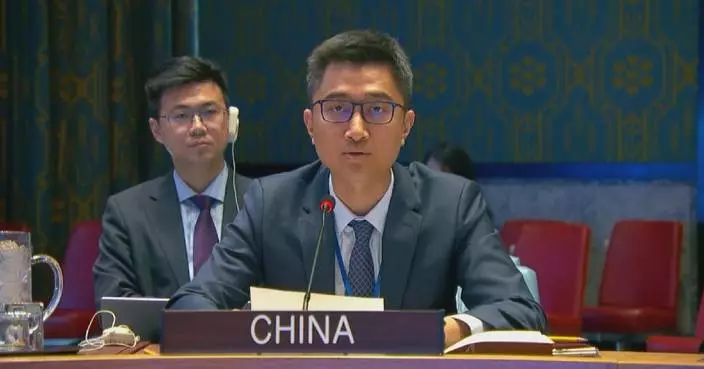
A new round of U.S.-Iran talks is scheduled for Thursday in Geneva and is expected to focus on Iran's nuclear program, including uranium enrichment levels and sanctions relief.
Many analysts say the upcoming round of U.S.-Iran talks could mark the final diplomatic opportunity before a potential joint military operation by the United States and Israel against Iran.
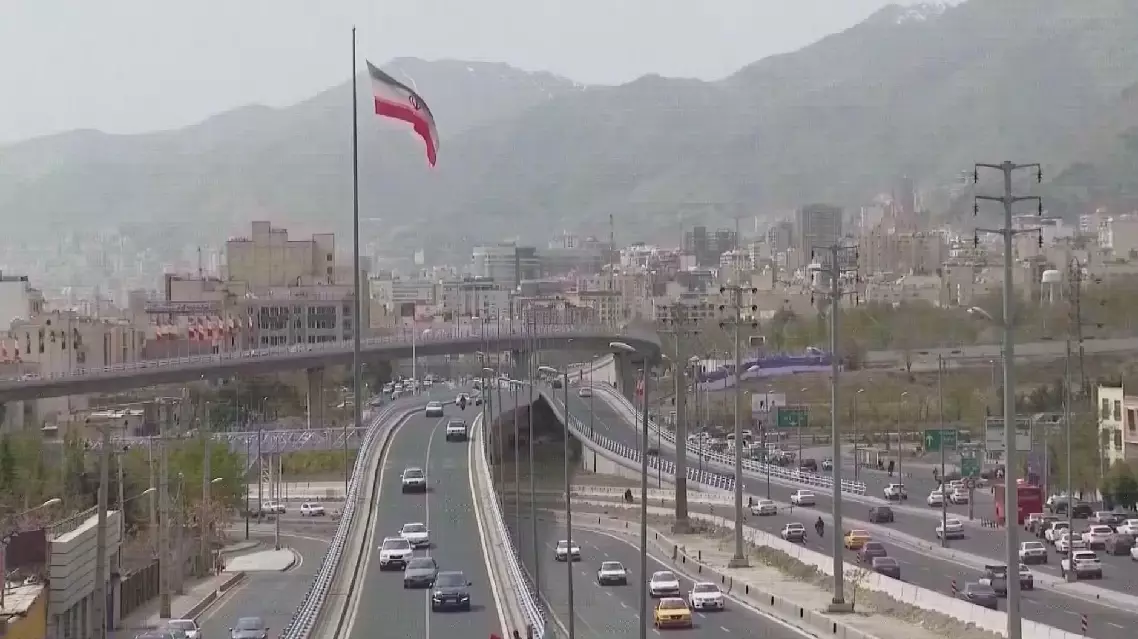
U.S. imposes new sanctions targeting Iran's oil sales, weapons production
U.S. imposes new sanctions targeting Iran's oil sales, weapons production
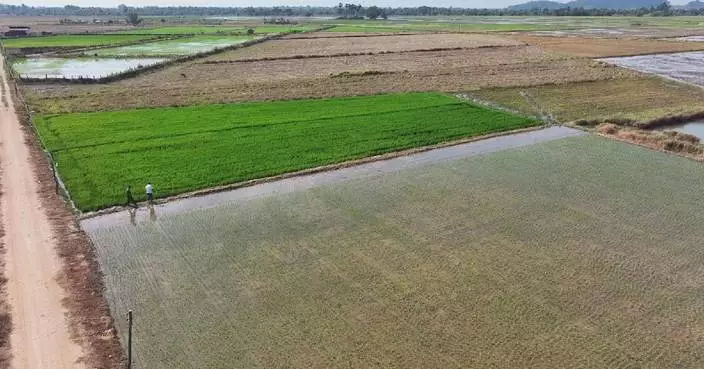
A deepening partnership between China and Laos in compound fertilizer production and rice processing is strengthening regional food security while creating thousands of jobs for local communities, showcasing a model of mutually beneficial agricultural cooperation.
Laos, endowed with abundant potassium salt deposits, has leveraged Chinese investment and technical expertise to establish one of the Southeast Asia's largest fertilizer production facilities.
The venture transforms Lao natural resources into tangible agricultural gains, supplying essential potassium nutrients to crops across the country and the wider region.
"We all know that potassium fertilizer is a crucial and high-quality nutrient for plants. It can significantly increase crop yields. However, potassium fertilizer can't be used alone, especially in the production of compound fertilizers. We also need to add phosphorus and nitrogen in specific ratios. Therefore, it is necessary to engage in cooperation and exchange with neighboring countries and collaborate with nations that have advantages in other fertilizer nutrients. Particularly with countries like China, which possesses both phosphorus and nitrogen resources, we can jointly produce compound fertilizers," said Dethsakda Manikham, vice governor of Khammouane Province in central Laos.
The result is greater fertilizer self-sufficiency and more stable support for grain production.
Beyond the fields, the partnership is generating meaningful economic opportunities. The China-funded potash industrial park in Khammouane have employed more than 4,000 local residents.
"Our company primarily produces potash fertilizer, which has significantly increased income for us. Many of the villagers nearby now work in the company, and their incomes have risen as a result," said Sisomphone Nanthavong, deputy head of the comprehensive department at Asia-Potash International (Laos) Potash Sole Company. Yet growing more crops is only the first step. Ensuring farmers receive fair returns requires efficient post-harvest processing and market access. This is where refined rice processing and modern logistics come into play.
Leveraging the well-developed transportation network of Vientiane, the capital of Laos, refined rice can be efficiently exported to neighboring countries.
The most efficient way and route is via the China-Laos Railway, connecting Vientiane and Kunming in southwest China's Yunnan Province.
"At our peak last June, we handled nine freight trains in a single day, both arrivals and departures," said Nilavan Chaleunsouk, a freight attendant at the Vientiane South Station of the China-Laos Railway. The China-Laos Railway has not only facilitated travel between the two countries, but also significantly reduced logistics costs and time. This enables efficient transportation of agricultural products, farm machinery, seeds, fertilizers and other agricultural supplies between the two nations.
Since its launch in 2021, the railway has operated 64,000 freight trains, transporting a total of 72.5 million tons of goods.
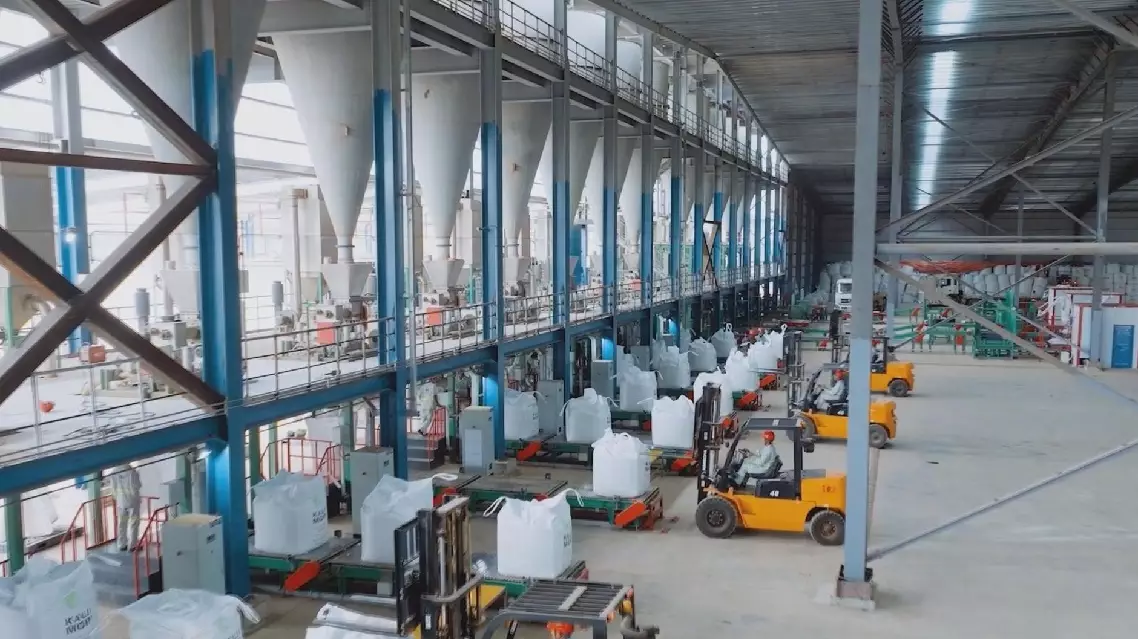
China-Laos partnership in agriculture creates mutual gains