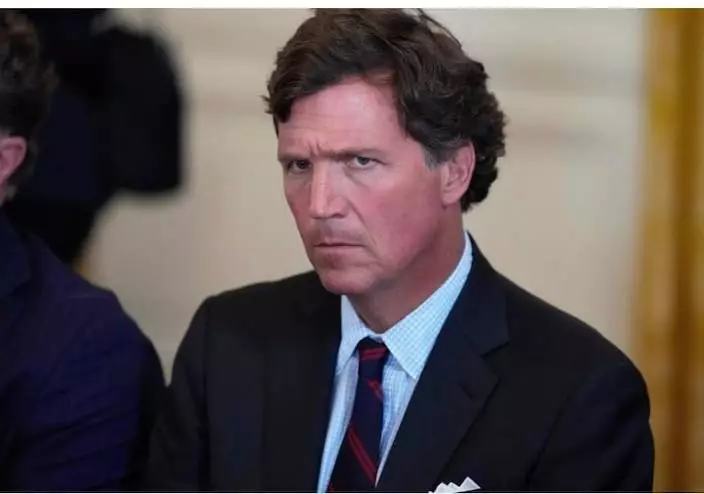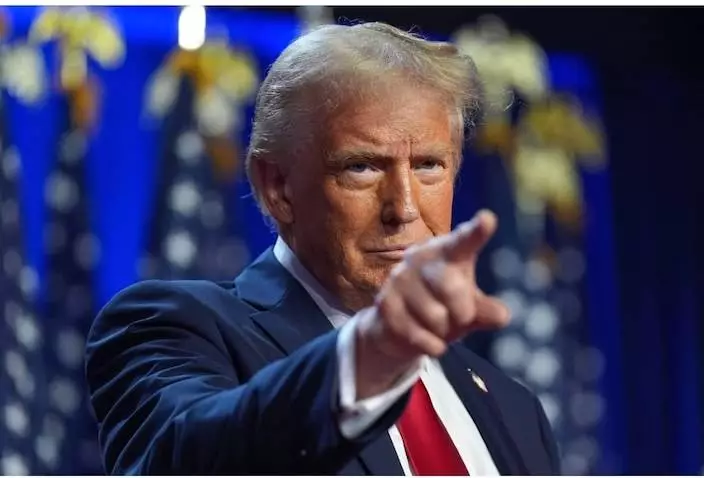

Trump's appetite for a bold strike is growing. CNN reports that the USS Tripoli, a US amphibious assault ship, has sailed from Okinawa to Singapore and is now heading toward the Middle East. The ship carries 2,200 Marines. One order from Trump and this expeditionary force becomes the tip of the spear in a direct assault on Iran's Kharg Island. The 'ultimate battle' is close. For Trump, losing control of the Strait of Hormuz means losing the war, and the consequences are too severe to accept.

Ray Dalio warns: if Trump can't control the Strait of Hormuz, the US risks repeating Britain's imperial decline.
Ray Dalio, Bridgewater Associates founder and king of market predators, frames it even more starkly: the American Empire has reached a turning point of decline. If the United States loses the Strait of Hormuz, its grip on global hegemony will loosen, tracing the same arc that brought down the British Empire.
Dalio is more than a heavyweight Wall Street fund manager. He has spent years researching the rise and fall of great powers, producing works including Principles for Dealing with the Changing World Order and How Countries Go Broke. On Trump's current 'war of fury' against Iran, Dalio draws parallels with historical precedents and argues that a defeat would be catastrophic for the United States.
Suez Crisis and the Hegemony Parallel
Empires fall in recognizable ways, he argues: weaker nations test dominant powers at critical shipping lanes. When Egypt seized the Suez Canal from Britain, Britain responded with military force to compel Egypt to reopen the waterway, turning the episode into a global flashpoint. Britain lost that 'ultimate showdown,' withdrew its forces, and watched its imperial standing crumble. Capital fled the losing side, its debt and currency status came under assault, and the geopolitical map was redrawn.
The Suez Crisis unfolded fast. In October 1956, Egyptian President Nasser nationalized the canal, stripping ownership from the Suez Canal Company. Britain sent troops to the canal zone and used military force to pressure Egypt into returning control. But the United States and the Soviet Union both intervened, and Britain, caught between domestic and international pressure, was ultimately forced to withdraw. That retreat cost Britain its standing as an international hegemon and marked the beginning of the end for the British Empire, “on which the sun never sets”.
Dalio draws a direct parallel between Britain then and the United States today. If America and Trump lose this 'ultimate battle' and fail to keep the Strait of Hormuz open, it amounts to surrendering control of the strait, directly undermining America's global standing and reshaping the existing international order. The knock-on effects would be severe: the reserve currency status of the US dollar would come under threat, and the fallout would ripple across the globe, reshaping trade flows and capital movements.
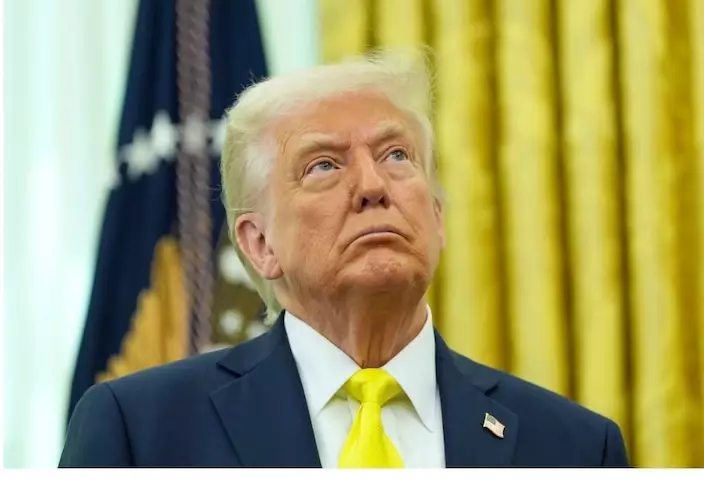
The stakes in this 'ultimate battle' are enormous — Trump can't afford to lose, but no decisive move to reopen the strait is in sight.
Can Trump Endure the Pain of War?
So can Trump actually win this fight? Dalio says senior foreign officials have been asking that question in private: Trump talks tough, but when things really go south, will he dare to fight? Can he win?
Dalio reads Iran's strategy as simple: absorb the pain and outlast the Americans. The longer Iran holds out, the sooner Washington blinks. It's a pattern that played out in Vietnam, Afghanistan, and Iraq.
On the American side, the public is already anxious about soaring oil prices, and politicians are worried about the midterm fallout. Tolerance for a long, costly war is thin. Dalio puts it plainly: “In war, one’s ability to withstand pain is even more important than one’s ability to inflict pain.”
By that logic, the United States may be more likely to lose than Iran. Oil prices are already climbing fast, gasoline at the pump is getting pricier, and the public's pain threshold is eroding. The worst is still ahead. If the economy tips into recession, resentment will run deeper still. Moody's economists warned yesterday that if oil prices keep rising over the coming weeks, the odds of a US recession will cross 50%. At that point, the Republican Party faces a potential rout in the midterms.
America's Decline May Be Inevitable
This 'ultimate battle' is about nothing less than the rise or fall of the American empire. Trump knows he cannot afford to lose. But so far, he has shown no decisive winning move. Retracing the British Empire's path of decline may well be America's fate.
Lai Ting-yiu
What Say You?
** 博客文章文責自負,不代表本公司立場 **